The Stadium as Spectacle: Redefining the Modern Half-Time Show
The Evolution of the Interlude
The roar of the crowd, the flash of the pyrotechnics, the perfectly timed choreography — the half-time show has long been a cornerstone of major sporting events. But a quiet revolution is underway, transforming these 15-minute interludes from a supporting act into a main event. What was once the domain of marching bands and basic card stunts has morphed into a high-tech, multi-million-dollar production, a spectacle of light and sound engineered to captivate a global audience, both in the stadium and watching at home.
Historically, the challenge was simple: entertain a captive audience for a quarter of an hour. The solutions were analogue and physical. Think precision drill teams, elaborate floats, and the coordinated flipping of coloured cards by thousands of fans to create a static mosaic. These were impressive feats of human cooperation, but they were fundamentally one-dimensional. The audience performed a task, but they weren't truly part of the show's living, breathing fabric.
From Passive Viewers to Active Participants
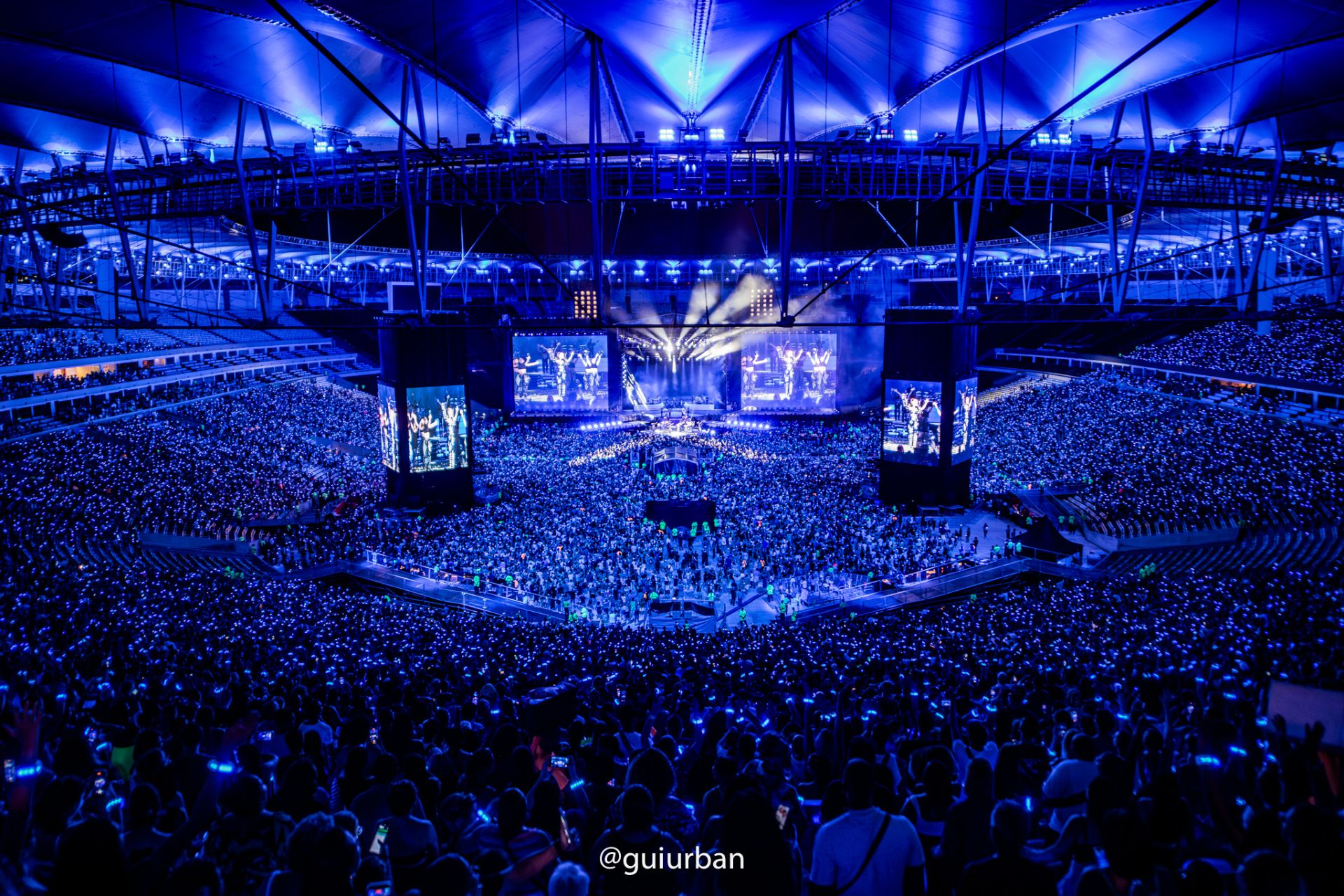
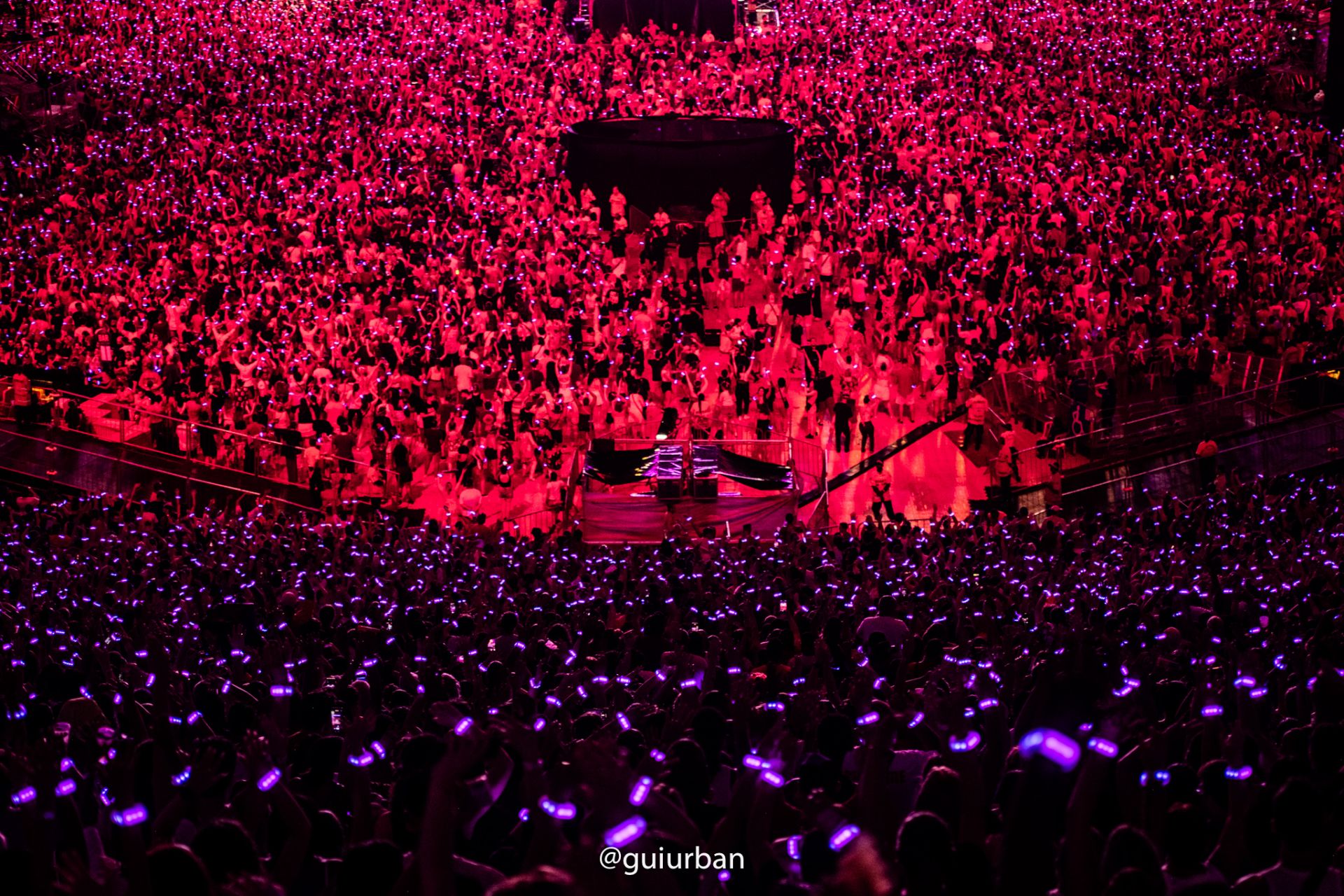
The turning point came with the integration of technology that could transform every seat in the house into a pixel in a vast, dynamic canvas. The advent of wearable LED technology, pioneered by companies like Xylobands, shattered the traditional barrier between the performer and the audience. Suddenly, the crowd was not just watching the spectacle; they were the spectacle.
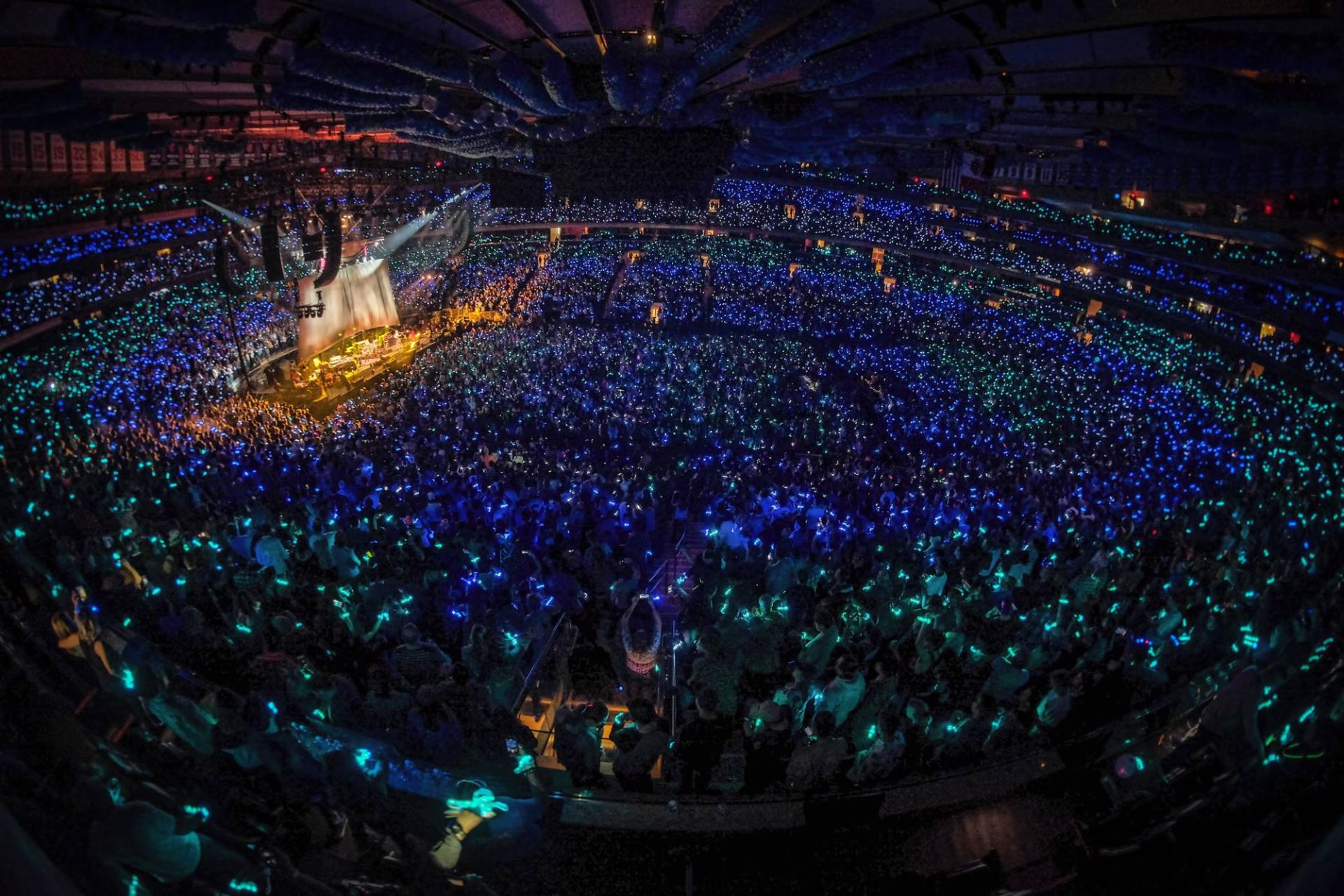
These radio-controlled LED wristbands allow lighting designers to orchestrate complex, synchronized light effects that ripple and pulse across tens of thousands of people. The technology empowers choreographers and show producers to think on an entirely new scale. Instead of focusing solely on the stage, they can now design in 360 degrees, painting with light across the entire architectural sweep of a stadium. The stands become an instrument, playing in concert with the artists on the field.
The Choreography of Light and Crowd
This new paradigm demands a new kind of choreography — one that blends human performance with technological precision. A half-time show is no longer just about the artist's setlist; it's about the interplay of light, sound, and the collective energy of the crowd. The show designer’s toolkit now includes not just dancers and pyrotechnics, but also the ability to trigger waves of colour, spell out team names, or create pulsating patterns that sync perfectly with the beat of a drum.
"The entire audience becomes one living light show, perfectly synchronised with the music... creating moments of unity where artists and fans share the same experience."
Events like the Davis Cup and activations for major brands like Formula One demonstrate this principle in action. At these high-stakes events, creating an immersive atmosphere is paramount. It’s about more than just watching a match or a race; it’s about being part of a larger-than-life experience. By integrating LED crowd experiences, producers can amplify key moments — a match point, a chequered flag, a championship-winning goal — with breathtaking visual punctuation that makes the victory feel personal to every single person in the stands.
Beyond the Stadium: Designing for a Dual Audience
Modern sports entertainment is a tale of two audiences: the thousands in the seats and the millions watching on screens around the world. The choreography of a successful half-time show must cater to both. The sweeping, stadium-wide light shows created with LED bands are visually stunning on television, offering broadcast directors a rich, colourful palette that standard stadium lighting could never provide. The effect translates powerfully through the lens, turning a live event into a cinematic broadcast experience.
This dual-focus production, as seen in collaborations with broadcasters like ITV, requires meticulous planning. The light that dazzles the live audience must also be calibrated for the camera. It’s a technical and creative balancing act, ensuring the immersive event technology enhances, rather than overwhelms, the broadcast feed. The result is a more dynamic, engaging, and memorable show for everyone, regardless of their vantage point.
The Future of Fan Engagement
As technology continues to evolve, so too will the half-time spectacle. We are moving toward ever-more interactive and personalized experiences. The same concert wristbands that create a unified visual tapestry could one day respond to individual movements or be segmented to create competing visuals between rival fan sections. The stadium is no longer just a venue; it is an interactive instrument, a canvas for storytelling on a grand scale.
The goal remains the same: to create unforgettable moments of collective joy and excitement. But the tools are becoming infinitely more powerful. By turning the crowd into a living, breathing part of the performance, modern half-time shows are not just filling a gap in the game — they are creating a new art form, one built on light, sound, and the unified pulse of thousands of fans. The game on the field may have its winner, but in the stands, everyone gets to be part of the victory.