The Zero-Failure Mandate: Inside the Technical Logistics of a Global Rollout
The Unseen Machine: The Global Logistics of Light
An immersive light show on a global scale is a spectacle of precision. But long before the first beat drops or the first LED wristband illuminates, an entirely different kind of performance has already unfolded. It’s a complex logistical ballet of air freight, customs navigation, and on-the-ground execution, all governed by a single, uncompromising principle: a zero-failure mandate. For the world’s leading artists and brands, from Coldplay to Formula One, the magic of the moment is forged in months of meticulous planning. This is the unseen machine that powers every spectacle.
The journey begins not in a stadium, but often in a warehouse, where thousands of LED bands, lanyards, or orbs are boxed and catalogued. Every project is a custom operation. A corporate event for Samsung in a single ballroom has a different logistical footprint than a multi-night stadium tour for an artist like Wizkid, or a city-wide activation for the Davis Cup. The initial phase involves forecasting, inventory management, and strategic shipping decisions. Do we use air or sea? How do we navigate the customs complexities of over 70 countries we operate in? This is the science of global logistics, and it’s the bedrock upon which all immersive event technology is built.
From Crate to Console: The On-Site Rollout
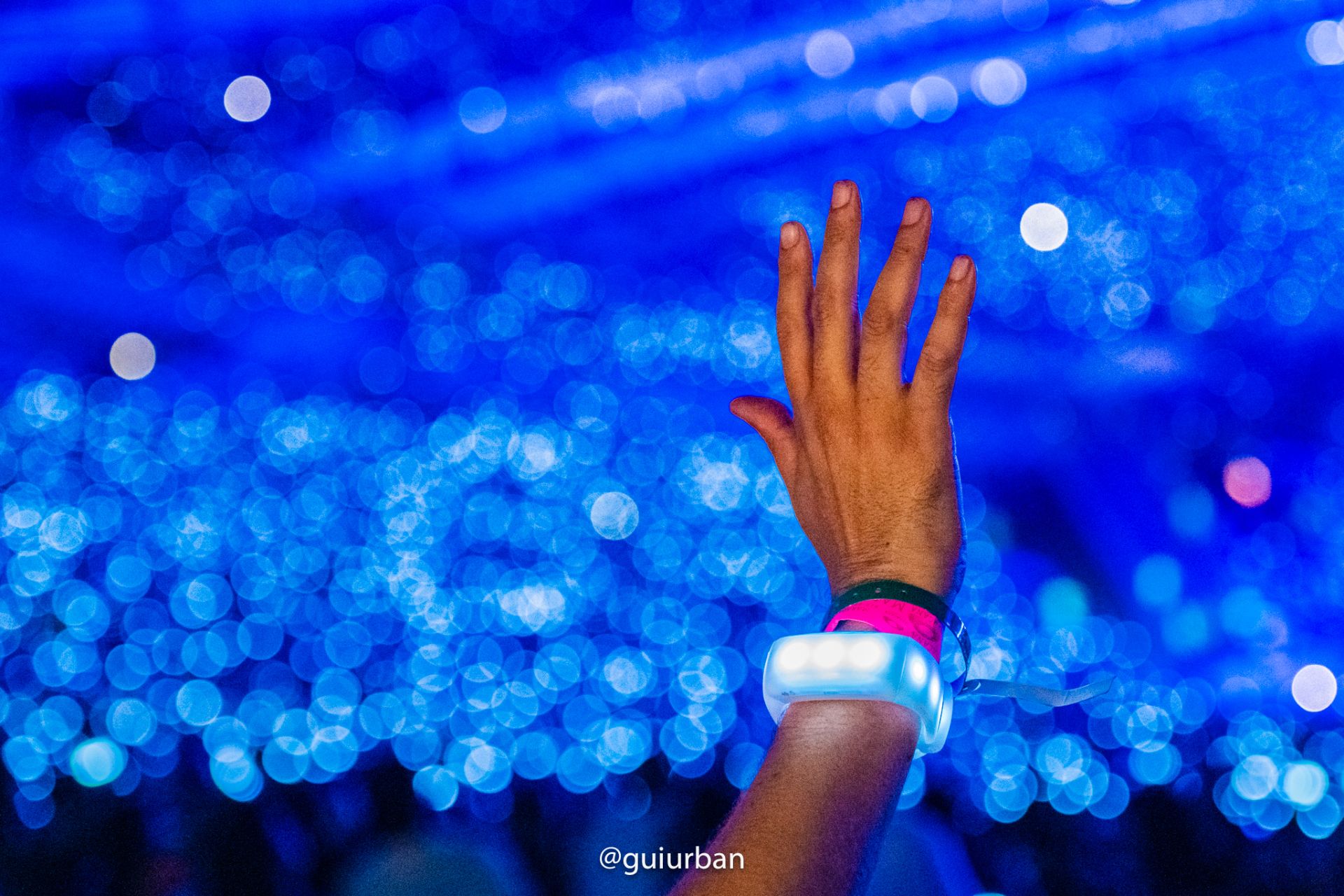
Once the equipment arrives on-site—be it an arena in London, a festival field in Athens for PRIMER Music Festival, or a broadcast studio for ITV—the next phase of precision begins. A dedicated team, often comprising a lead programmer, a systems engineer, and distribution managers, gets to work. Their first task is a site survey, identifying the optimal locations for our radio frequency transmitters. These transmitters are the heart of the operation, sending signals to tens of thousands of individual radio controlled LED wristbands.
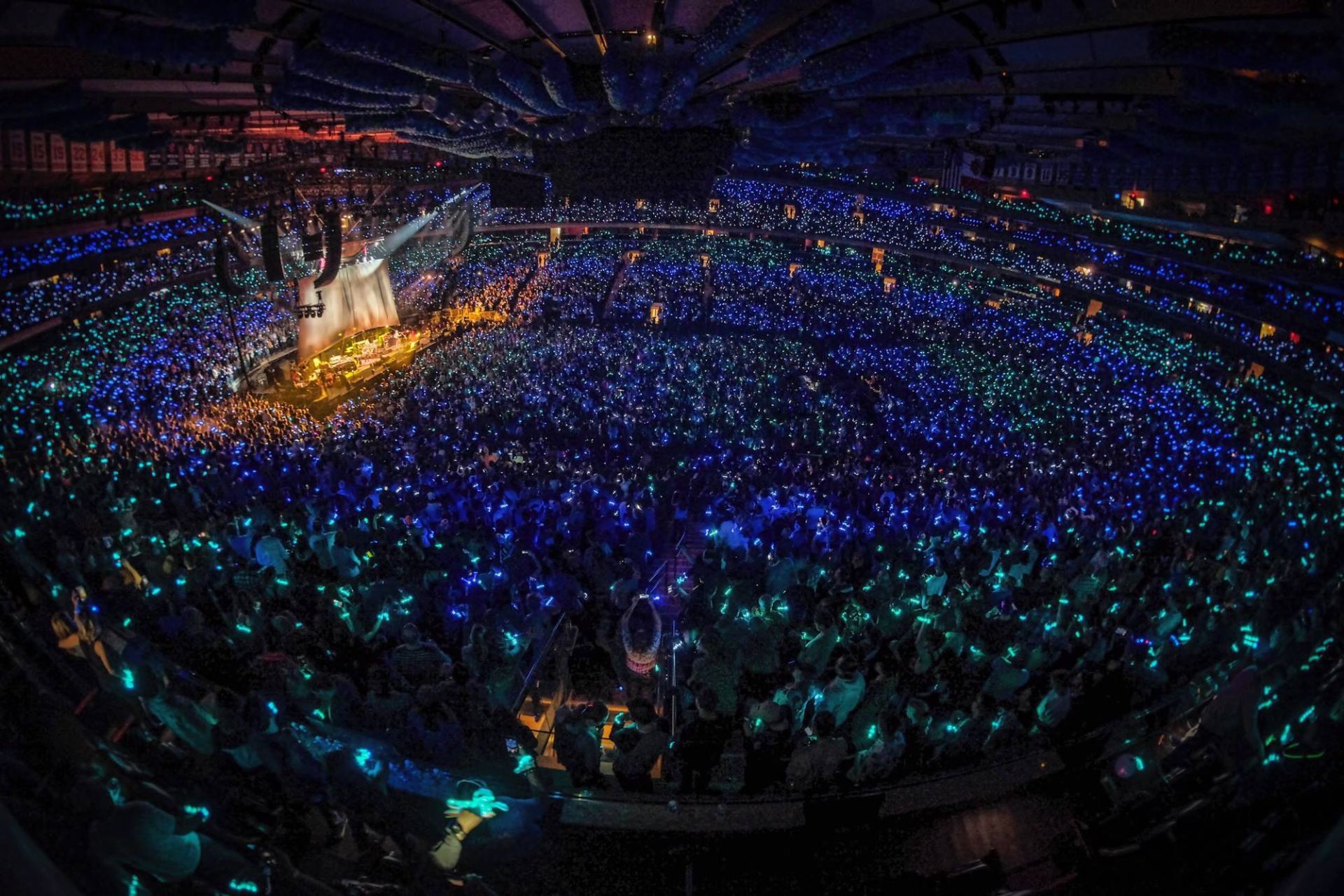
The placement is critical. It’s a science of signal strength, architectural nuance, and crowd density. In a venue like The O2 Arena, used for clients like Formula One and Wizkid, concrete and steel can interfere with RF signals. Our technicians must map out transmitter locations to ensure that every single wristband—from the front row to the highest tier—receives a flawless signal. This process involves creating zones, allowing for granular control over different sections of the audience, turning the crowd itself into a vast, programmable canvas of light.
The Programming and Rehearsal Phase
With the hardware in place, the focus shifts to the software. The show’s lighting director or creative lead will sit down with our Xylobands programmer. This is where the creative vision is translated into code. Every lighting cue, every colour change, every pulse and strobe is meticulously programmed into a timeline, often synchronised to timecode from the main show control system. This ensures our LED crowd experiences are not just an addition, but an integrated, harmonious part of the entire production.
Rehearsals are non-negotiable. The team will run the full sequence multiple times, testing the system’s response and making micro-adjustments. During this phase, we’re looking for potential dead spots, signal latency, and ensuring the commands translate visually as intended. For a live broadcast, the stakes are even higher. The light from the wristbands must be calibrated for the cameras, ensuring the effect is as powerful for the millions watching at home as it is for the thousands in the room. It’s a dual-audience challenge we’ve mastered for global events like the Eurovision Song Contest and live TV specials for ITV.
Execution and The Human Element
On show day, the distribution strategy is just as crucial as the technical setup. For a stadium show with 50,000 attendees, simply getting a wristband onto every wrist is a monumental task. Our distribution teams work with event staff to create an efficient and seamless plan. This can involve pre-setting wristbands on seats, creating distribution hubs at entrances, or having staff hand them out.
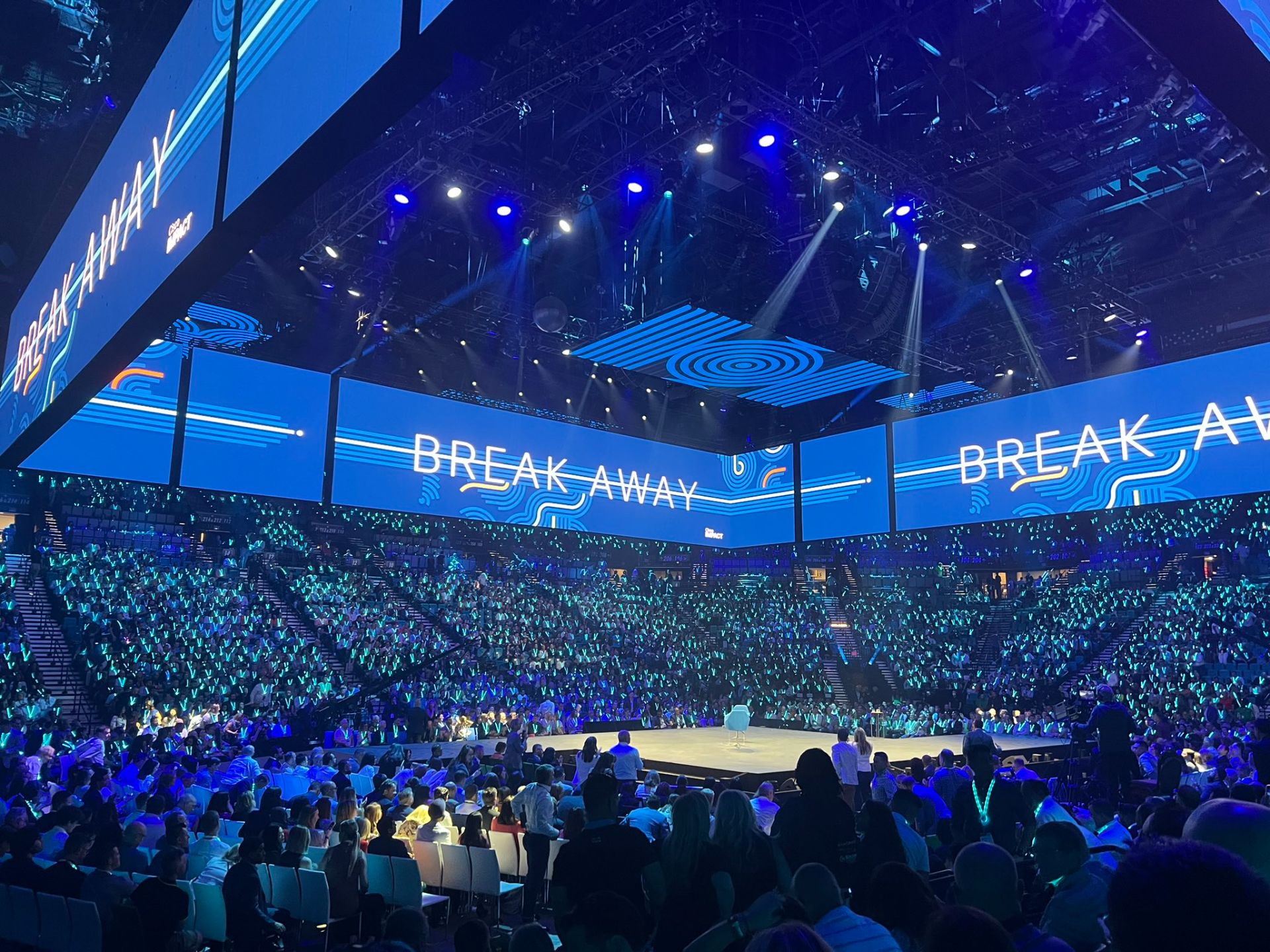
For complex events like the Formula 1 75th Anniversary, where custom LED pendants were created for different teams and hospitality levels, the distribution was even more granular. Our team had to ensure the right pendants were in the right sections of the arena to achieve the segmented lighting effects the creative team had designed. This is the human algorithm at work—the team on the ground executing a plan with thousands of moving parts.
"The moment of activation is the culmination of this entire process. It’s when logistics, technology, and human effort converge into a single, unified spectacle of light. It’s the payoff for the zero-failure mandate."
From the initial inventory count to the final signal sent, the deployment of wearable LED technology is a story of precision, planning, and relentless attention to detail. It’s a discipline that ensures whether it’s for a corporate event activation or a sold-out stadium tour, the experience is seamless, immersive, and unforgettable. The crowd sees the magic; we see the successful execution of a global logistical operation. And when the lights go up, we’re already planning the next one.