Anatomy of a Light Wave: The Technology Behind Immersive Event Experiences
From Passive Audience to Active Spectacle
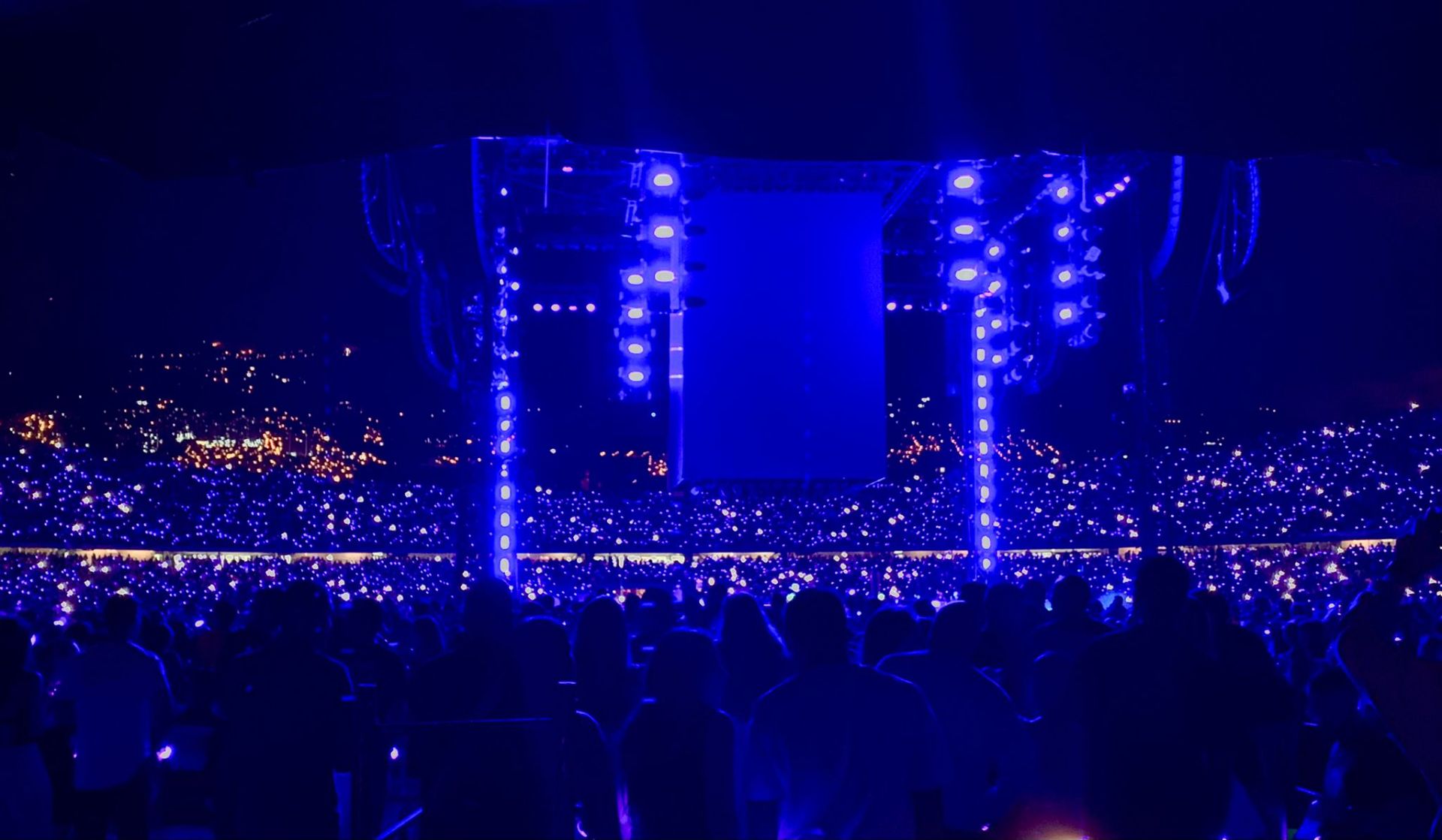
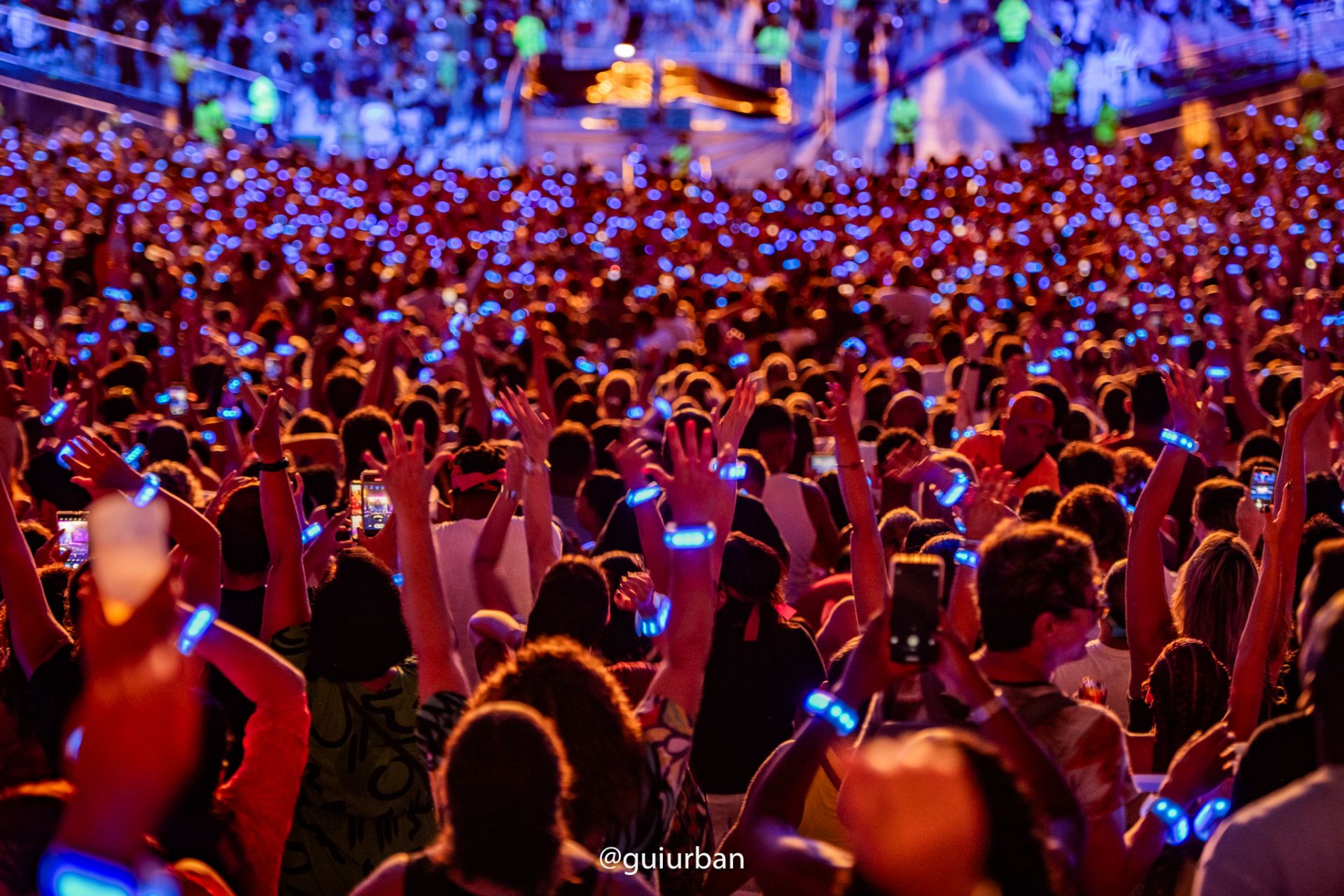
For decades, the role of the audience was simple: to watch. The advent of lighters, then mobile phones, allowed for a flicker of participation, but it was fragmented, chaotic. The last fifteen years have witnessed a seismic shift in this dynamic. Today, the crowd is not just watching the show; they are the show. This transformation has been powered by a suite of sophisticated, wirelessly controlled lighting technologies, most notably wearable LEDs like the iconic Xylobands.
These are not mere party favors. They are sophisticated receivers, each capable of being individually or collectively addressed to create breathtaking visual spectacles. For event producers, tour managers, and brand marketers, understanding the underlying technology is crucial to unlocking its full creative potential. Let's explore the primary methods of control that make these immersive events possible: Radio Frequency (RF), DMX, and Infrared (IR).
The Workhorse: Radio Frequency (RF) Control
Radio Frequency is the backbone of most large-scale LED crowd experiences. It offers the range and reliability needed to command tens of thousands of devices simultaneously, making it ideal for stadiums, arenas, and festivals. The inventor of Xylobands, Jason Regler, first imagined this technology during a Coldplay performance at Glastonbury, and it was RF that made his vision of a stadium-sized light show a reality.
How It Works:
A central transmitter, often a proprietary unit managed by a dedicated technician, sends out coded radio signals across a specific frequency. This transmitter is typically connected to a lighting desk, allowing a designer to "play" the audience as if it were a complex lighting fixture. Each wristband contains a tiny RF receiver programmed to listen for these signals.
The system allows for incredible flexibility:
- Global Commands: With a single command, every wristband in the venue can be instructed to turn on, off, change color, or pulse in unison. This creates powerful moments of unity, blanketing an entire stadium in a single, shared color.
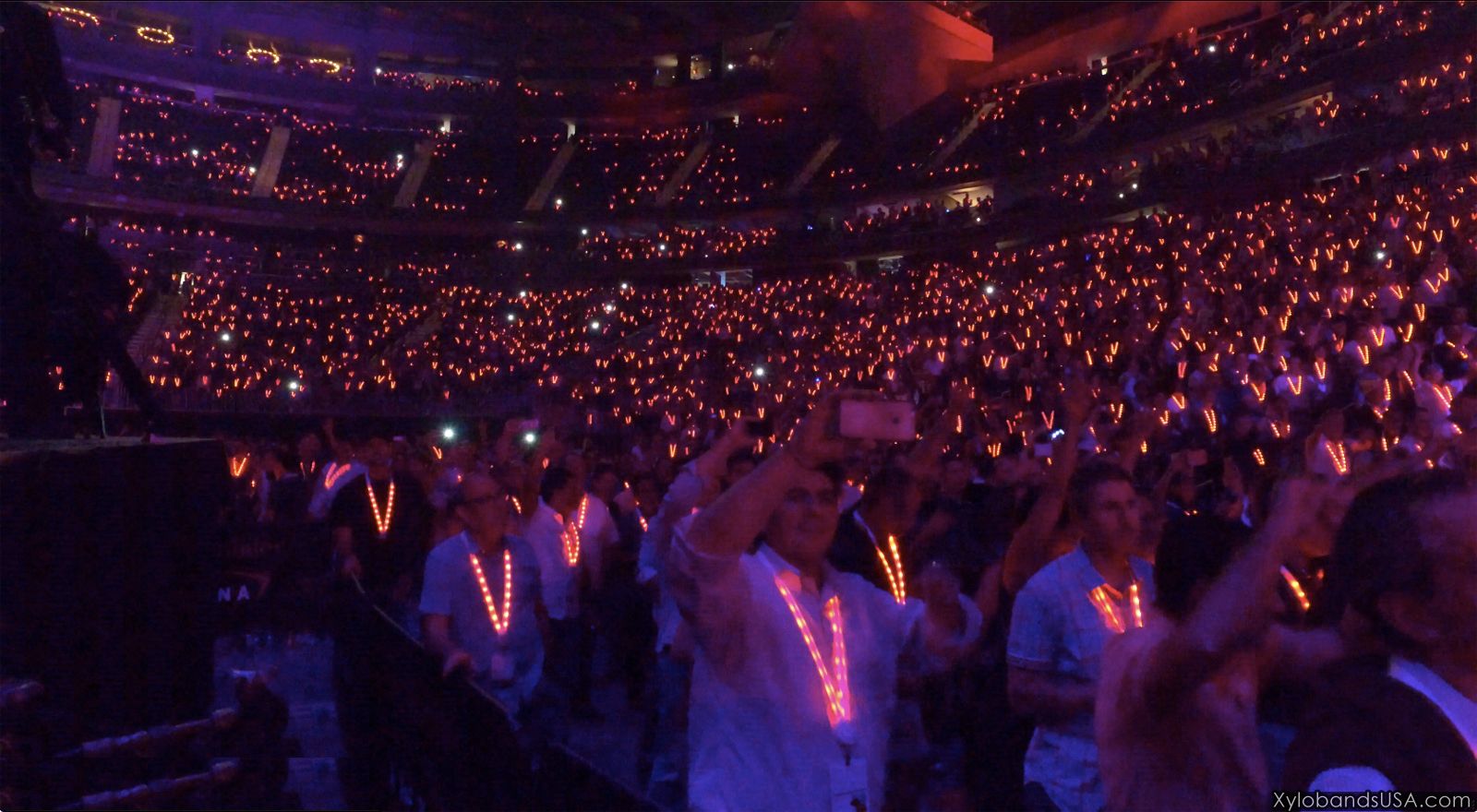
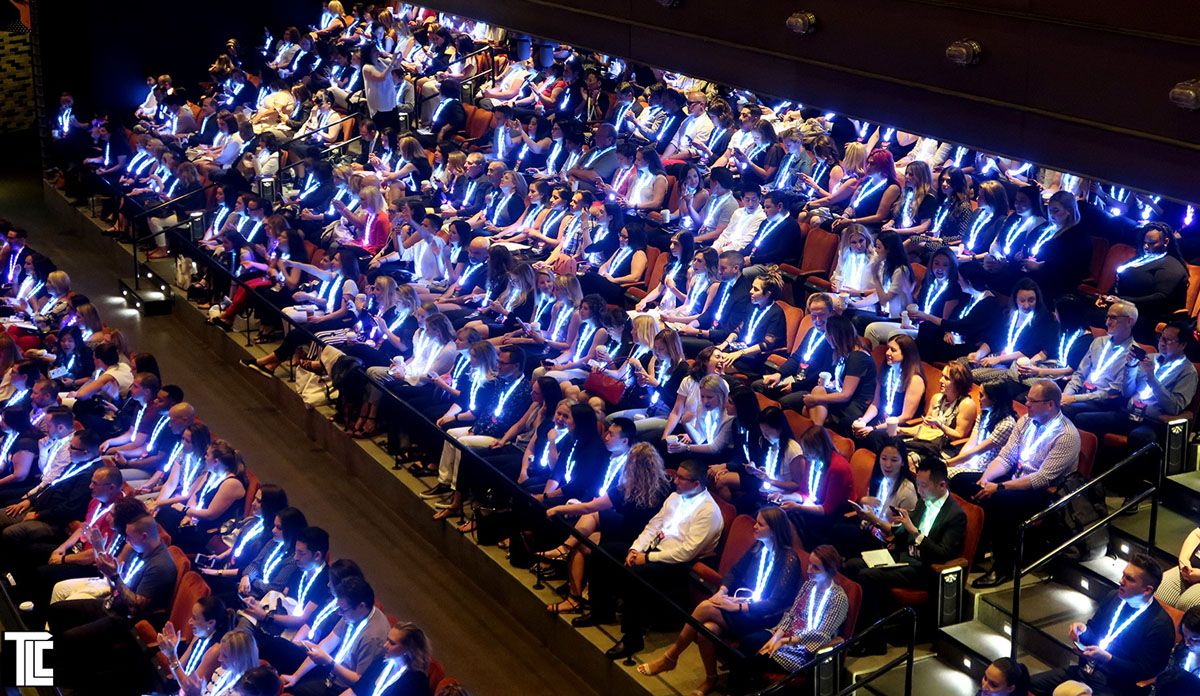
- Zoning and Grouping: The real power of RF comes from zoning. Prior to the event, wristbands can be programmed into distinct groups. This allows a lighting designer to create complex, dynamic effects: imagine one section of an arena glowing red while another glows blue, or patterns of light chasing across the crowd. This was used to great effect for the Formula One 75th Anniversary event, where custom LED Lanyards were distributed to create specific visual effects based on seating and hospitality tiers.
- Data-Driven Effects: The signals are digital, meaning they can carry more than just "on" or "off" commands. The transmitter can dictate color (from a palette of millions), brightness, and effect (strobe, fade, pulse). This allows for nuanced, intricate designs that sync perfectly with music, video, and pyrotechnics.
The Standard of the Stage: DMX Integration
While RF is the communication medium, DMX (Digital Multiplex) is often the language it speaks. For anyone in live production, DMX is the industry-standard protocol for controlling stage lighting, from moving heads to fog machines. Integrating wearable LED technology with DMX was a critical step in its evolution, allowing it to become a seamless part of a unified production design.
Why It Matters:
"By translating DMX cues into RF signals, we empower lighting designers to use a familiar workflow. The wristbands don't require a separate, isolated control system; they become another instrument in their orchestra of light."
This integration means the lighting director can program the audience’s LED bands on the same timeline as the main stage lighting. A wave of blue light that starts on the video wall can flow seamlessly off the screen and into the crowd, dissolving the boundary between the performance and the audience. This level of cohesion is essential for creating truly immersive event technology and is a core component of high-production shows for artists like Coldplay and events like the Eurovision Song Contest.
The Close-Range Trigger: Infrared (IR) Technology
Where RF offers macro control over the entire crowd, Infrared (IR) provides a solution for micro-activations and location-specific triggers. It’s the same core technology found in your television remote, and its line-of-sight nature makes it perfect for creating interactive zones within a venue.
How It Works:
Small, discreet IR emitters are placed in specific locations—a doorway, a sponsor’s booth, a specific seating area. These emitters constantly transmit a unique code. When a wristband comes within a few meters, its IR sensor picks up this code and triggers a pre-programmed action. This action is stored locally on the wristband’s chip and is independent of the main RF show control.
Practical Applications:
- Corporate Event Activations: A guest walks up to a specific product display, and their wristband begins to glow with the brand’s color.
- Interactive Art Installations: As attendees move through a gallery or festival space, their custom LED wristbands change to reflect the art piece they are viewing.
- Gamification: At a sporting event, fans entering the "home team" tunnel could have their wristbands automatically flash the team colors.
This technology adds a layer of personalized discovery to an event, making each attendee’s journey unique. It transforms a passive venue into an interactive environment.
The Future is Synchronized
The combination of RF, DMX, and IR has forever changed the landscape of live events. It’s a powerful toolkit that allows creatives to design experiences that are more cohesive, interactive, and emotionally resonant than ever before. From the massive, unified moments at a Glastonbury or a Maluma stadium show to the personalized interactions at a corporate conference, radio controlled LED wristbands are the invisible thread that connects the individual to the collective. They are the technology that allows a crowd of thousands to breathe, move, and glow as one.