The Applause Button: A Journey Through the Tech of Audience Connection
From Ancient Ritual to the Digital Age
The desire to be part of something larger than ourselves is a fundamental human impulse. It’s in our DNA. For millennia, live events have been the primary stage for this collective experience. From the call-and-response chants of ancient rituals to the roar of the crowd in the Roman Colosseum, audiences have never been truly passive. There has always been a conversation, a feedback loop between performer and spectator. The history of event technology is, in many ways, the story of engineering new ways to amplify that conversation.
In ancient Greek theatre, the architecture of the amphitheatre itself was the primary technology. The theatron, or "seeing place," was acoustically engineered to carry an actor's unamplified voice to thousands, ensuring every member of the audience was connected to the drama unfolding on stage. The chorus, acting as a bridge between the actors and the audience, would vocalize the crowd's collective thoughts and emotions, making participation an integral part of the narrative structure. This was the birth of audience engagement—a shared emotional and sensory journey.
The Age of Analogue Interaction
For centuries, the tools of participation remained simple and analogue. Applause, cheers, and stomping feet were the original interface. The 20th century, however, introduced a new element: electricity. The advent of mass media and broadcast technology began to change the scale and nature of shared experiences. Suddenly, an event wasn't just for those in the room; it was for millions watching at home.
One of the earliest and most charming examples of electronic participation technology was the "Applause-o-Meter" used in 1950s and 60s television shows. This simple device measured the volume of the studio audience's applause, visually representing their excitement on a physical gauge. While rudimentary, it was a significant step. It took an intangible emotional response and made it a visible, quantifiable part of the show. The audience wasn’t just watching; they were influencing the on-screen action, their collective voice given a new, electronic form.
In the music world, a different kind of participation was taking hold. The iconic image of lighters held aloft during a ballad—a trend that started in the late 1960s—was a powerful, analogue expression of unity. It was a grassroots phenomenon, a way for thousands of individuals to create a single, breathtaking visual. This simple act transformed the audience from passive observers into a dynamic, sparkling canvas. It was a precursor to the LED crowd experiences of today, proving the profound human desire to be part of the spectacle.
The Digital Revolution: From Pixels to People
The arrival of the digital age and the internet blew the doors wide open for audience interaction. Voting via telephone and later SMS for reality TV shows like those on ITV turned passive home viewers into active participants with real agency. The outcome of a national programme could be decided by millions of individual clicks. The audience, for the first time, held true democratic power over the content they consumed.
This digital shift laid the groundwork for the next leap in immersive event technology. The question was no longer just about how to let the audience *talk back*, but how to make them an integral part of the show’s sensory fabric. This is where light, once again, became the medium.
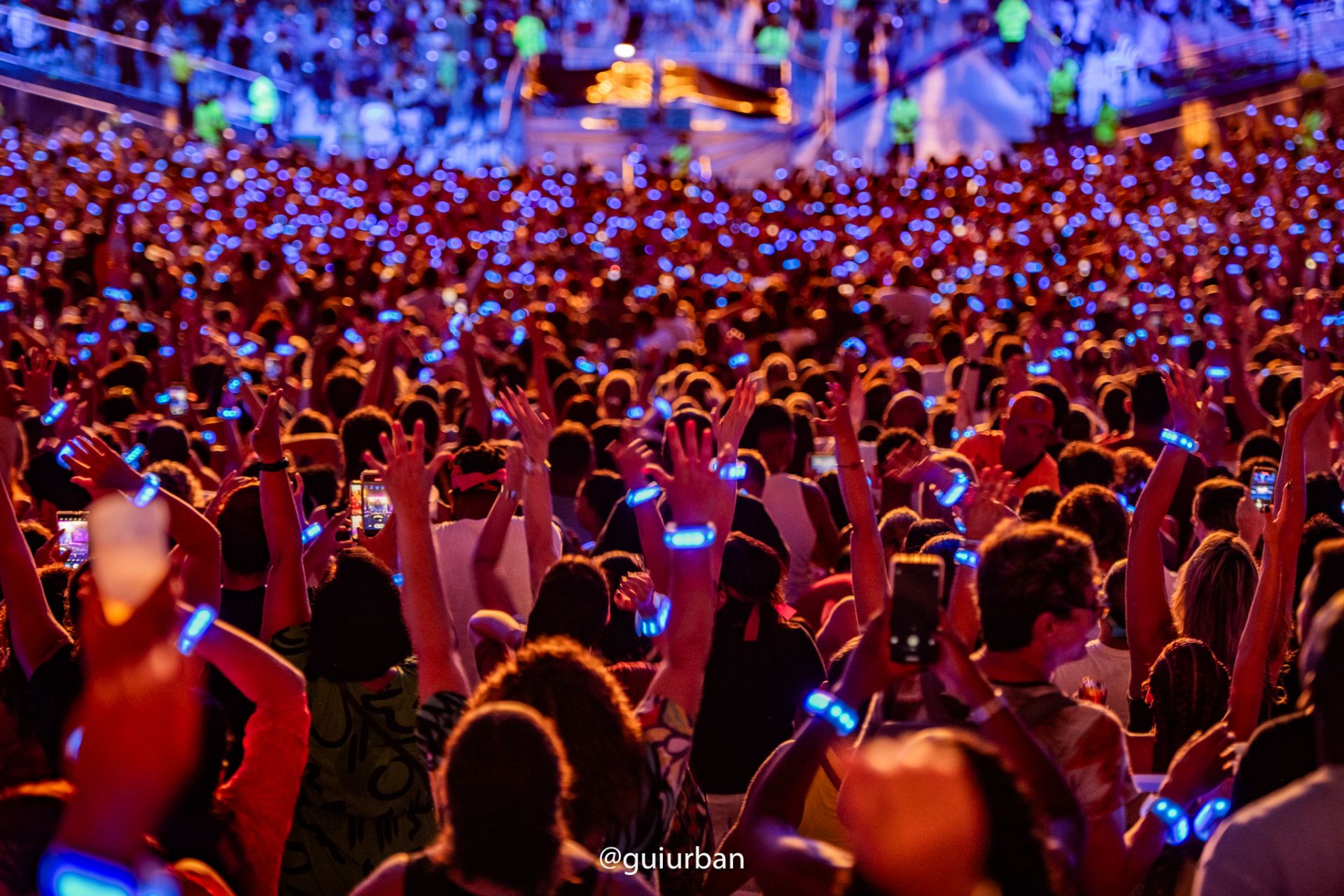
The vision was to take the spontaneous, analogue beauty of the ‘lighter moment’ and give it the power, precision, and narrative potential of a full lighting rig. The invention of radio-controlled LED wristbands was the turning point. First imagined at Glastonbury and famously brought to the world stage by Coldplay, these devices transformed every audience member into a pixel in a vast, moving picture. Suddenly, the entire stadium could pulse with the same heartbeat. The crowd wasn't just watching the light show; they *were* the light show.
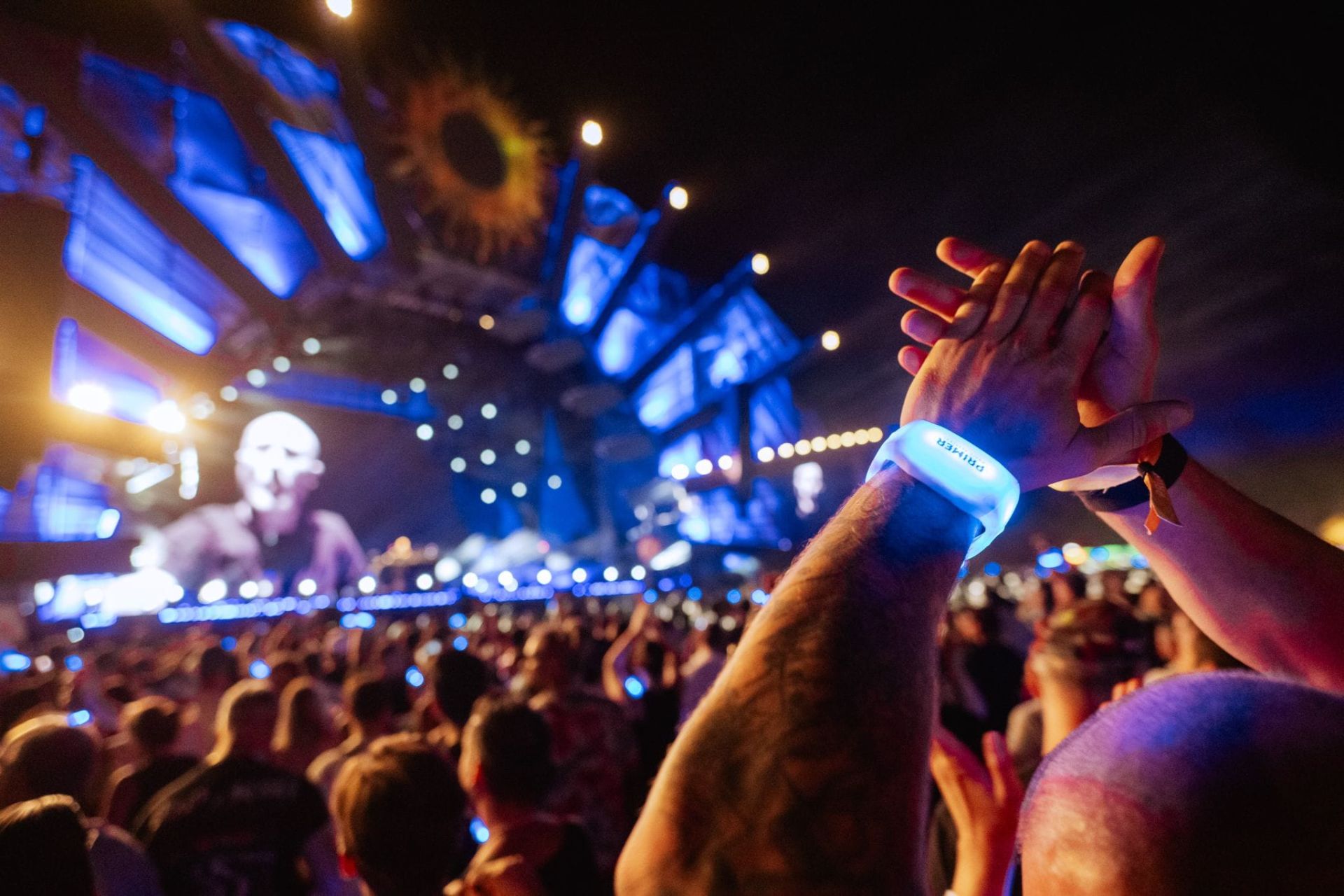
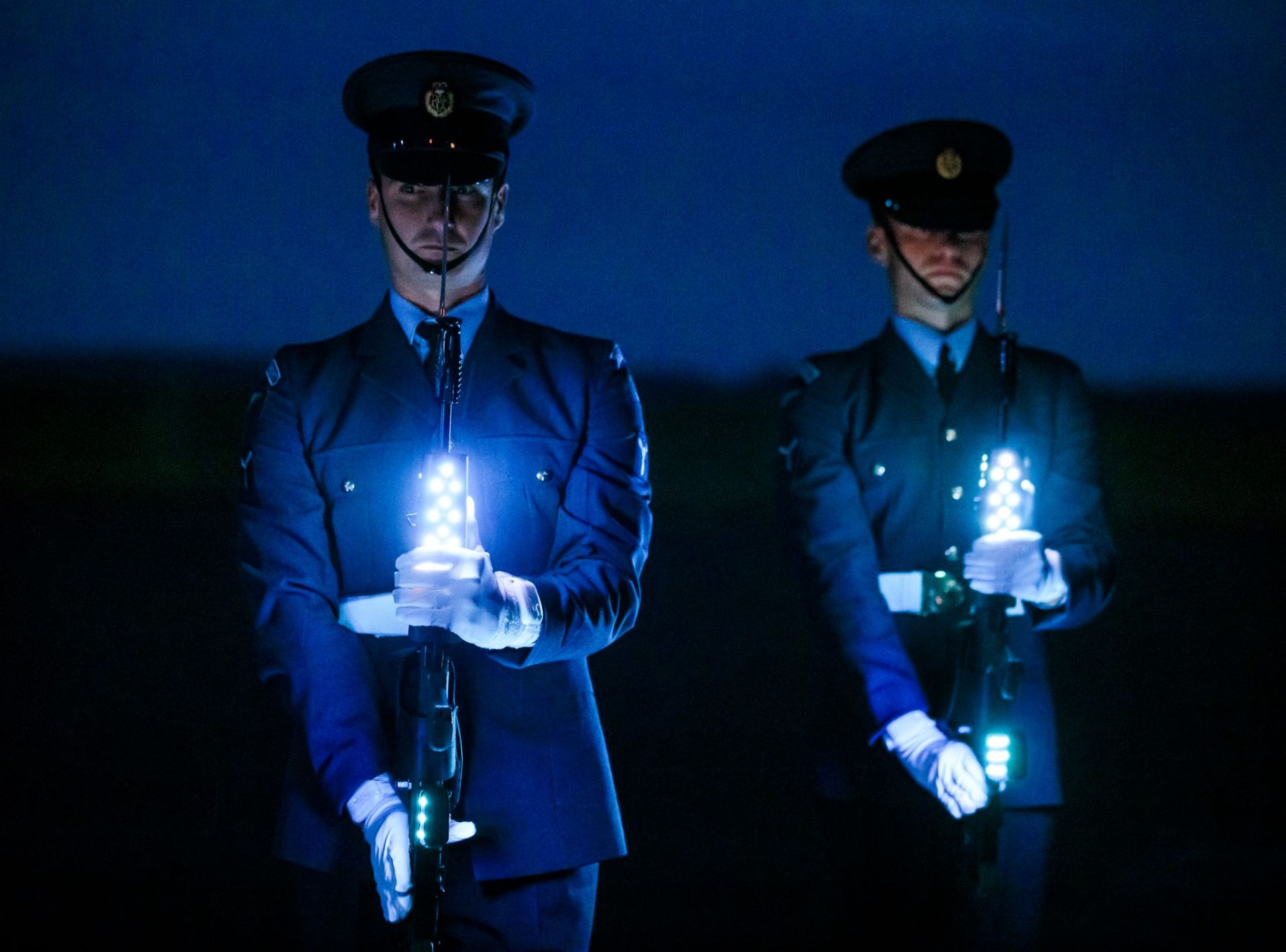
This innovation, pioneered by Xylobands, marked a paradigm shift. Now, lighting designers and show producers could choreograph the crowd itself, painting with people. This wearable LED technology allows for breathtaking moments of unity—a stadium bathed in a single colour for a national anthem at the Davis Cup, or complex, strobing patterns synced to the beat drops of a headliner at Primer Music Festival. The technology facilitates a level of immersion that was previously unimaginable, turning tens of thousands of individuals into a single, sentient canvas.
The Sentient Crowd: Today’s Immersive Landscape
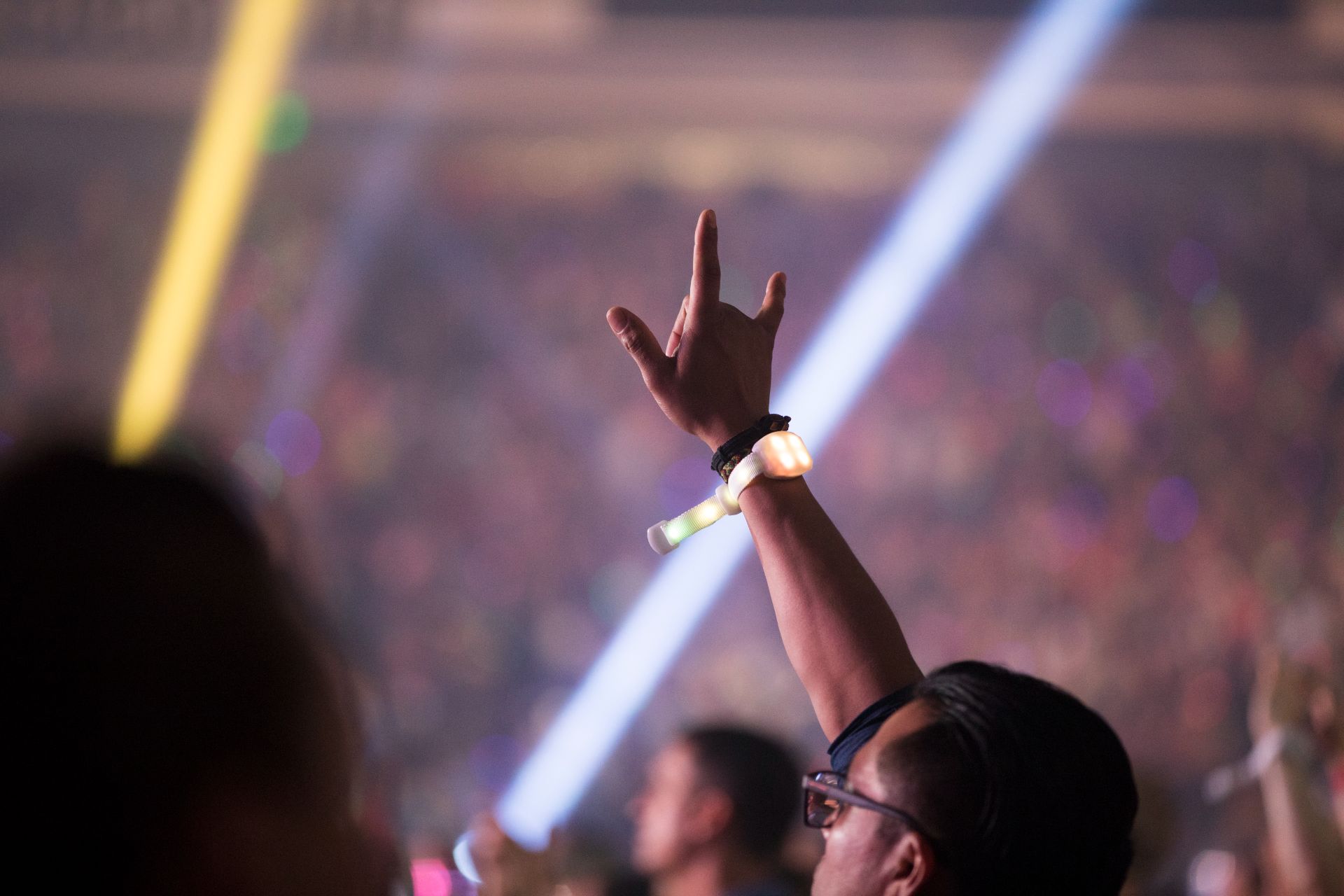
Today, the evolution continues at a breakneck pace. We’ve moved beyond simple wristbands to a whole ecosystem of LED wearables, including custom LED wristbands, LED lanyards, and even LED orbs. These tools are no longer just for music concerts. They are integral to corporate event activations, where brands like Formula One and Samsung use them to create unforgettable brand moments. They are used in television broadcasts for shows like ‘Beat The Chasers’, bringing the studio audience directly into the visual language of the program.
The technology has become smarter, more responsive, and more integrated. It’s not just about pre-programmed sequences anymore. Modern systems can react in real-time to music, sound, and even the movement of the crowd itself. This creates a genuine two-way dialogue, a truly interactive environment where the energy of the audience directly influences the visual atmosphere.
From the carefully designed acoustics of a Greek amphitheatre to a stadium of 54,000 fans lit in unison for Maluma in Medellín, the goal has remained the same: to deepen the connection between the artist and the audience. The journey of audience participation technology is a testament to our enduring need to share experiences, to feel part of a collective, and to not just witness the moment, but to become it. The applause button is no longer just a button—it's a network of light, a shared pulse, and an integral part of the story itself.