The Art of Scale: Mastering Light in Modern Stadium and Arena Tours
The Architecture of Atmosphere
A stadium tour is more than a concert; it’s a temporary city, a gathering of tens of thousands of people united by a single artist or performance. In this vast space, light is the primary architectural tool. It carves out the stage, defines the boundaries of the experience, and directs the collective focus of the audience. The first principle of large-scale lighting design is understanding the sheer volume of the space. A stadium is not a theatre. Beams of light that look powerful in an arena can get lost in the open air of a 70,000-seat venue. Designers must think in terms of layers and texture, using a combination of fixtures to create a rich visual field that has depth and dimension from every single angle.
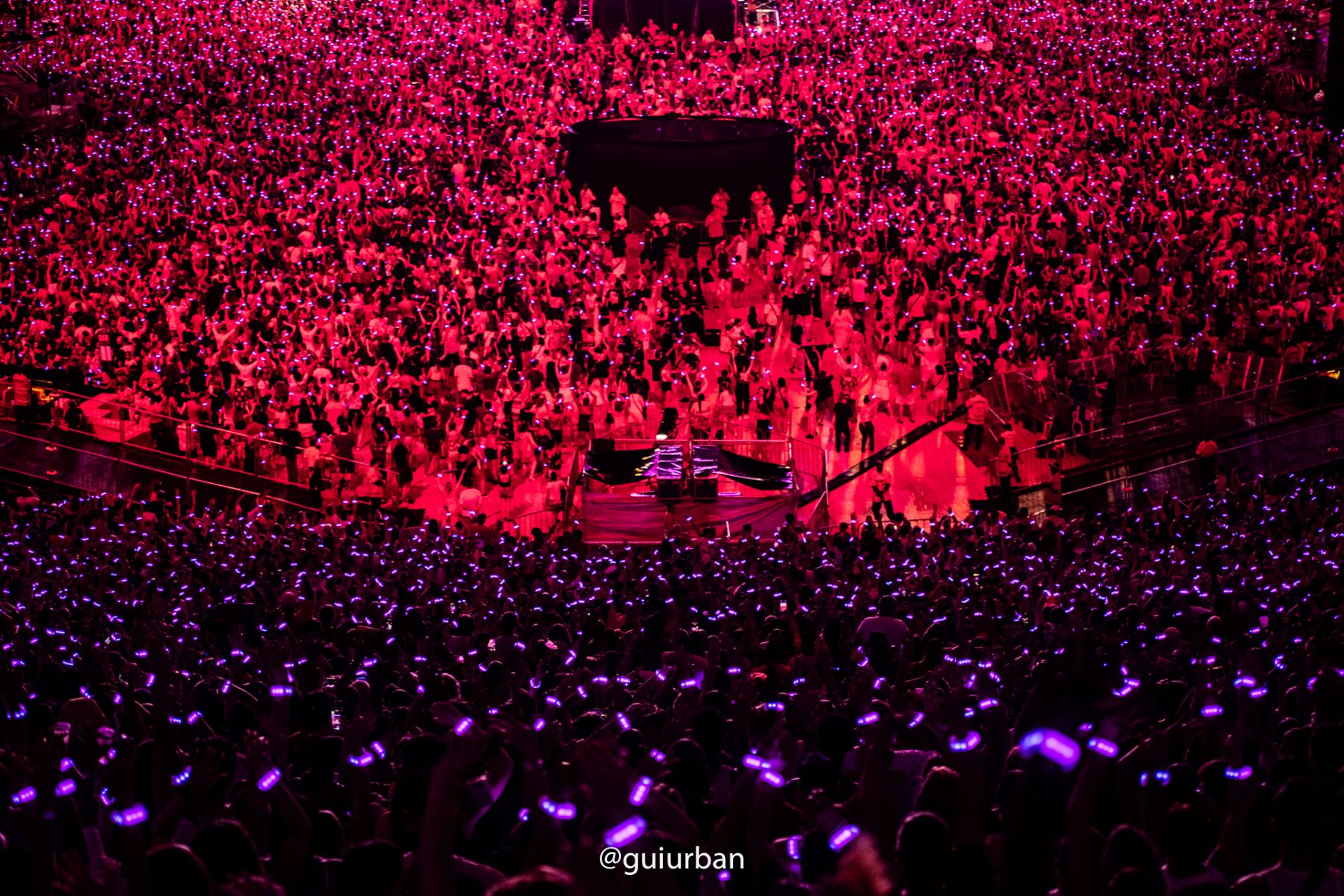
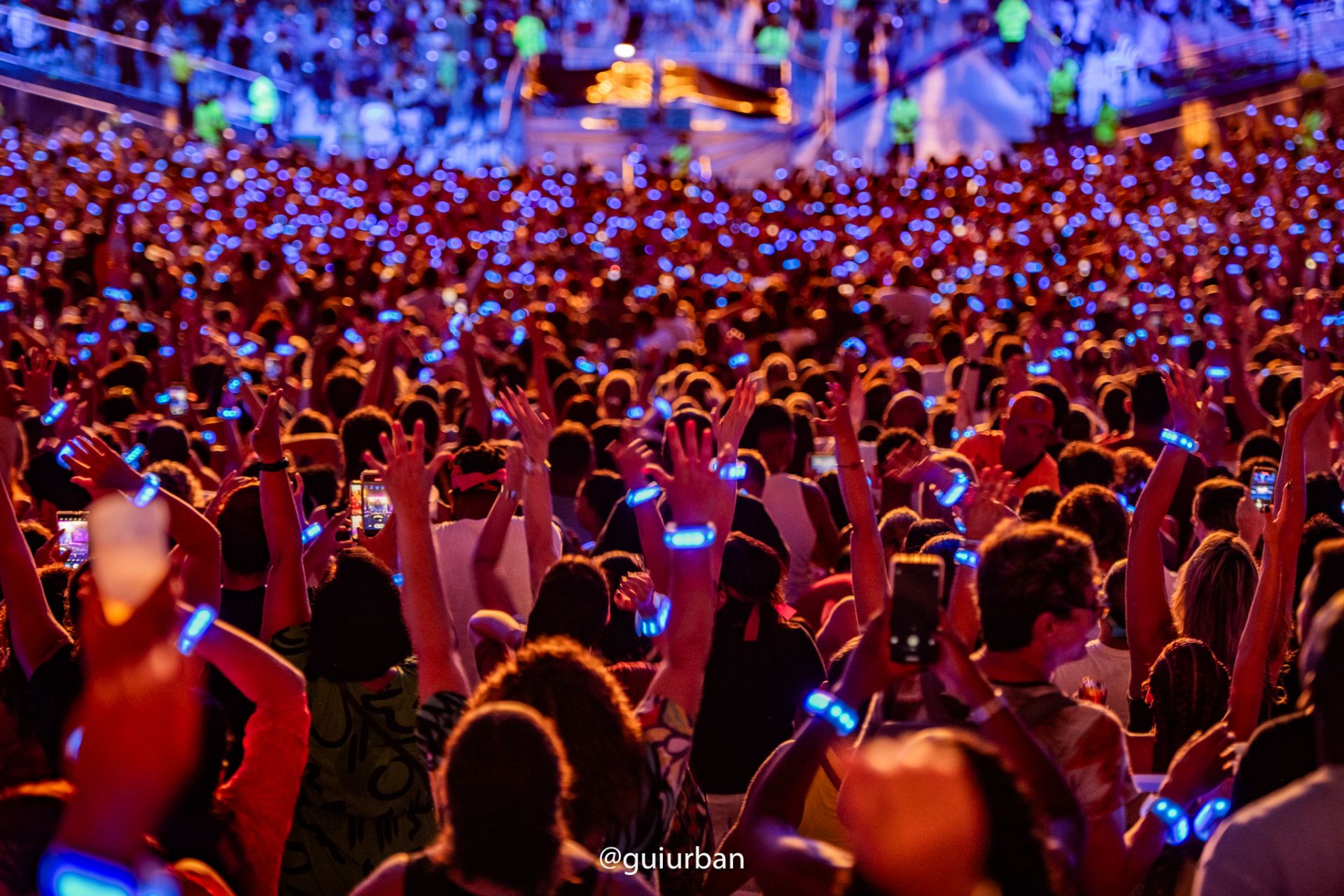
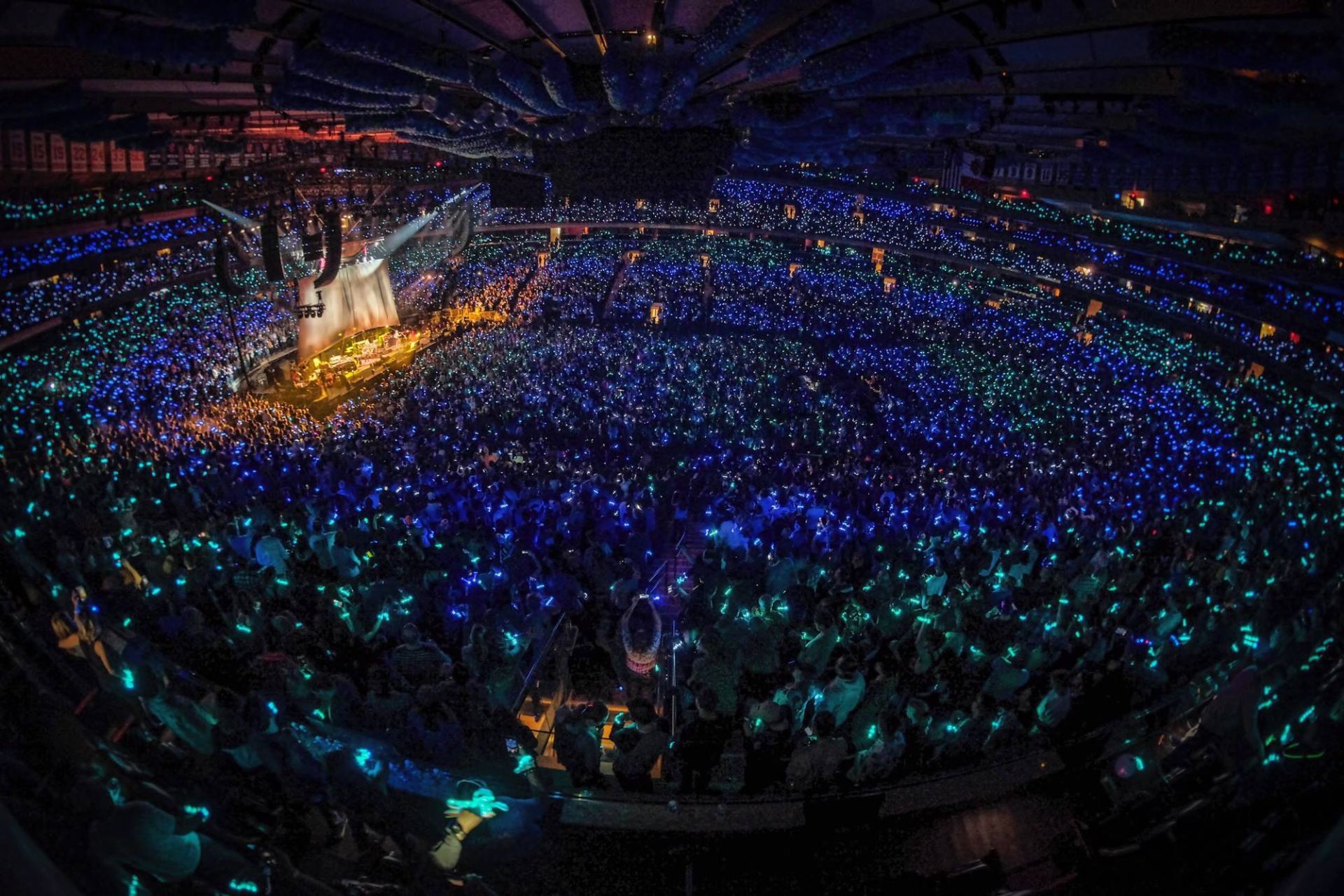
This involves a multi-faceted approach, balancing the raw power of key lights, the atmospheric wash of floods, and the dynamic energy of moving heads and strobes. But increasingly, it also involves extending the design beyond the physical stage. The audience is no longer just a passive observer; they are part of the canvas. This is where technologies like wearable LED technology come into play, transforming the crowd itself into a dynamic, pixel-mapped extension of the main rig. It’s a concept we’ve helped pioneer, turning entire stadiums for artists like Maluma and Wizkid into a single, cohesive light show.
The Intimacy Illusion
One of the greatest challenges in a stadium is creating moments of intimacy. How do you make 50,000 people feel like they’re sharing a personal moment with the artist? Light is the key. By collapsing the visual field, you can create the illusion of a smaller space. This can be achieved by concentrating light on the artist and the immediate performance area, letting the vastness of the stadium fall into darkness. A single follow spot, a tight pool of light, can make a global superstar feel like they’re singing directly to you, even from a hundred metres away.
"The goal is to create a dynamic range. You need the epic, full-stadium moments, but you also need the quiet, focused ones. Contrast is everything."
This is also where the crowd becomes a powerful tool. By using radio controlled LED wristbands, a designer can instantly shift the atmosphere. Imagine a full-stadium blackout, punctuated only by the soft, synchronised pulse of thousands of Xylobands. This simple effect creates a profound sense of shared experience and intimacy, a silent connection between every member of the audience. It’s a technique that turns a massive space into a shared secret, a collective breath before the next big visual crescendo.
Designing for the Lens and the Eye
In the age of social media and live streaming, every stadium show has two audiences: the people in the seats and the millions watching on screens around the world. As we saw with Maluma’s Medellín concert, which was streamed live on Amazon to over 240 countries, designing for the camera is as important as designing for the naked eye. This requires a deep understanding of broadcast lighting principles. What looks spectacular in person can appear blown out or flat on camera. Color temperatures, flicker rates, and beam angles must all be meticulously calibrated for the lens.
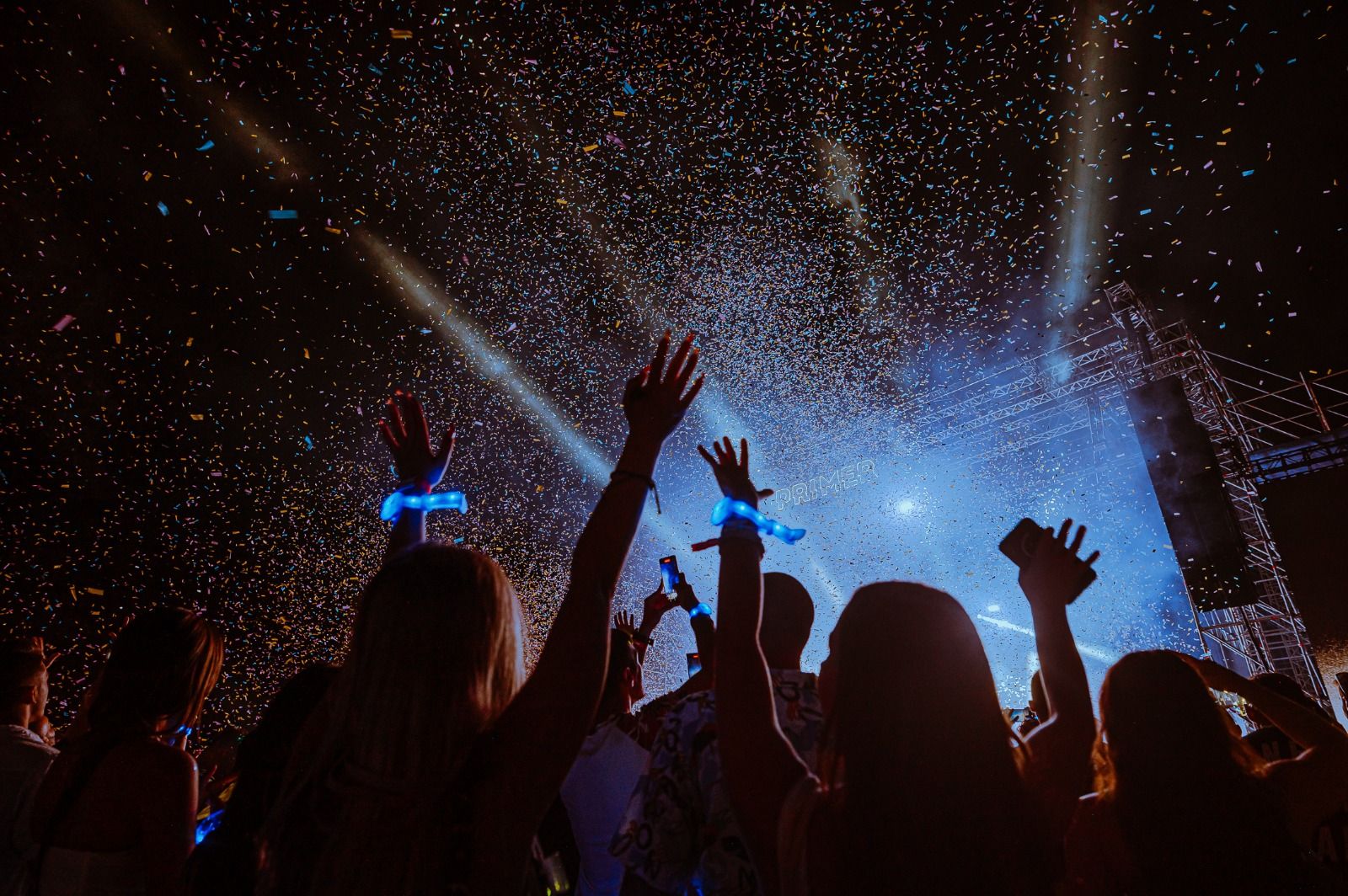
This dual-focus design is a technical and artistic balancing act. It means creating looks that are not only visually stunning for the live crowd but also translate into compelling, high-quality footage. This is where immersive event technology shines. By integrating audience lighting into the show, you create a visual spectacle that is inherently camera-friendly. The sea of synchronized lights from concert wristbands or LED lanyards provides a vibrant, textured background that makes broadcast footage feel more dynamic and alive. It transforms the audience from a dark, passive mass into an active, visual element of the show.
The System and the Story
A Holistic Approach to Touring Production
Ultimately, a successful stadium lighting design is about more than just fixtures and programming. It’s about a holistic system that tells a story. Every lighting cue, every color change, every pulse of light should serve the artist’s narrative and the emotional arc of the performance. This requires seamless integration between the lighting design, video content, and even the artist’s choreography.
It also requires a robust and reliable technical backbone. From the RF systems that control thousands of individual LED bands to the networking infrastructure that keeps the entire rig in sync, the technology must be flawless. At Xylobands, we’ve built our reputation on this kind of zero-failure operational mindset, powering events from the Formula One 75th Anniversary to the stages of Glastonbury. This commitment to technical excellence is the unseen foundation upon which truly unforgettable LED crowd experiences are built. The design can be brilliant, but without a bulletproof system to execute it, the story falls apart.
From architectural scale to intimate moments, and from the live eye to the global lens, modern stadium lighting is a complex and exhilarating art form. It’s about using technology not for its own sake, but to forge a deeper connection between the artist and the audience, creating a shared spectacle of light and sound that lives on long after the final encore.