The Art of the Arena: Principles of Modern Tour Lighting Design
The Architecture of Anticipation
The moment before the first note hits. A stadium holding 50,000 people is plunged into an expectant darkness, a collective breath held in the vast space. The air crackles. This is not an accident; it is the first act of the show, masterfully crafted by the lighting designer. In the world of stadium and arena tours, light is more than mere illumination. It is the primary tool for sculpting emotion, commanding attention, and transforming a massive crowd of individuals into a unified, singular entity.
Designing for this scale presents a unique set of challenges. The sheer volume of an arena, the long throw distances, the need to create impact for the fan in the last row as well as the front—these are the variables in a complex equation. The goal is to create a world, a self-contained universe for the duration of the performance, that feels both immense and deeply personal. This is achieved not through a single grand gesture, but through a layered application of core design principles.
Principle 1: Light as Kinetic Sculpture
Long before a single beam cuts through the haze, the lighting rig itself serves as a statement of intent. Modern tour design treats the physical structure of trusses, automated fixtures, and LED surfaces as a piece of kinetic sculpture. It’s an architectural element that frames the stage and extends the world of the show out over the audience. The shape of the rig, how it moves and reconfigures between songs, is as much a part of the visual narrative as the light it emits. It’s a promise of the spectacle to come, defining the visual language of the performance before the artist even appears.
Principle 2: Building Worlds with Layers and Texture
A common mistake is to think of show lighting as a single, monolithic wash of color. The reality is a meticulously layered composition, with each layer serving a distinct purpose.
The Key and the Canvas
The most fundamental layer is the key light, which ensures the artist is always the focal point. But beyond that, designers build texture. Backlight is used to carve performers out from the background, creating a powerful, almost heroic silhouette. Side light models form and adds depth. These classical, almost theatrical principles are the foundation upon which the spectacle is built.
The Audience as the Final Layer
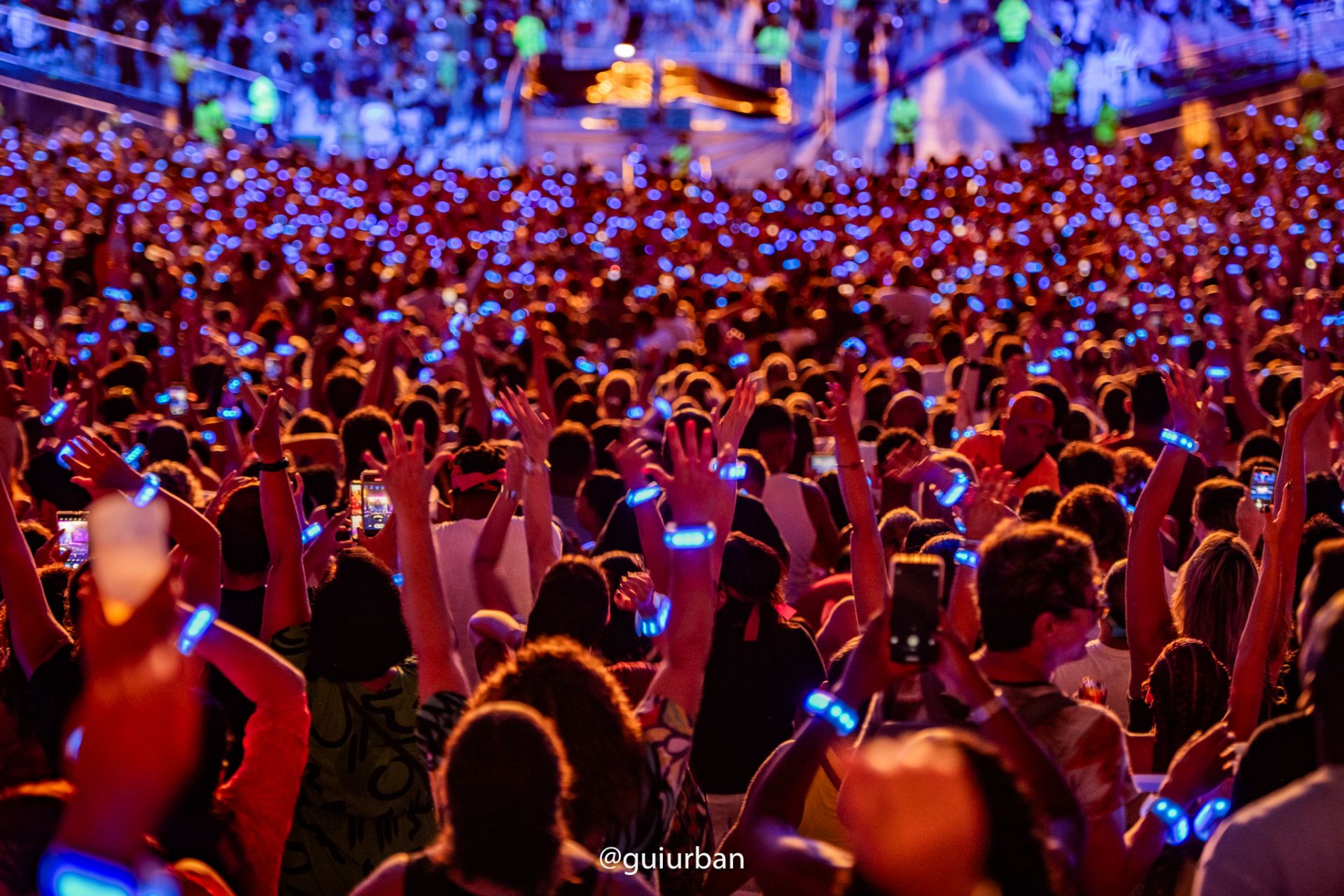
Perhaps the most profound shift in modern lighting design has been the treatment of the audience. The crowd is no longer a passive observer sitting in the dark; they are the final, most dynamic layer of the light show itself. This is where Immersive Event Technology comes into its own, turning tens of thousands of fans into a living, breathing canvas of light.
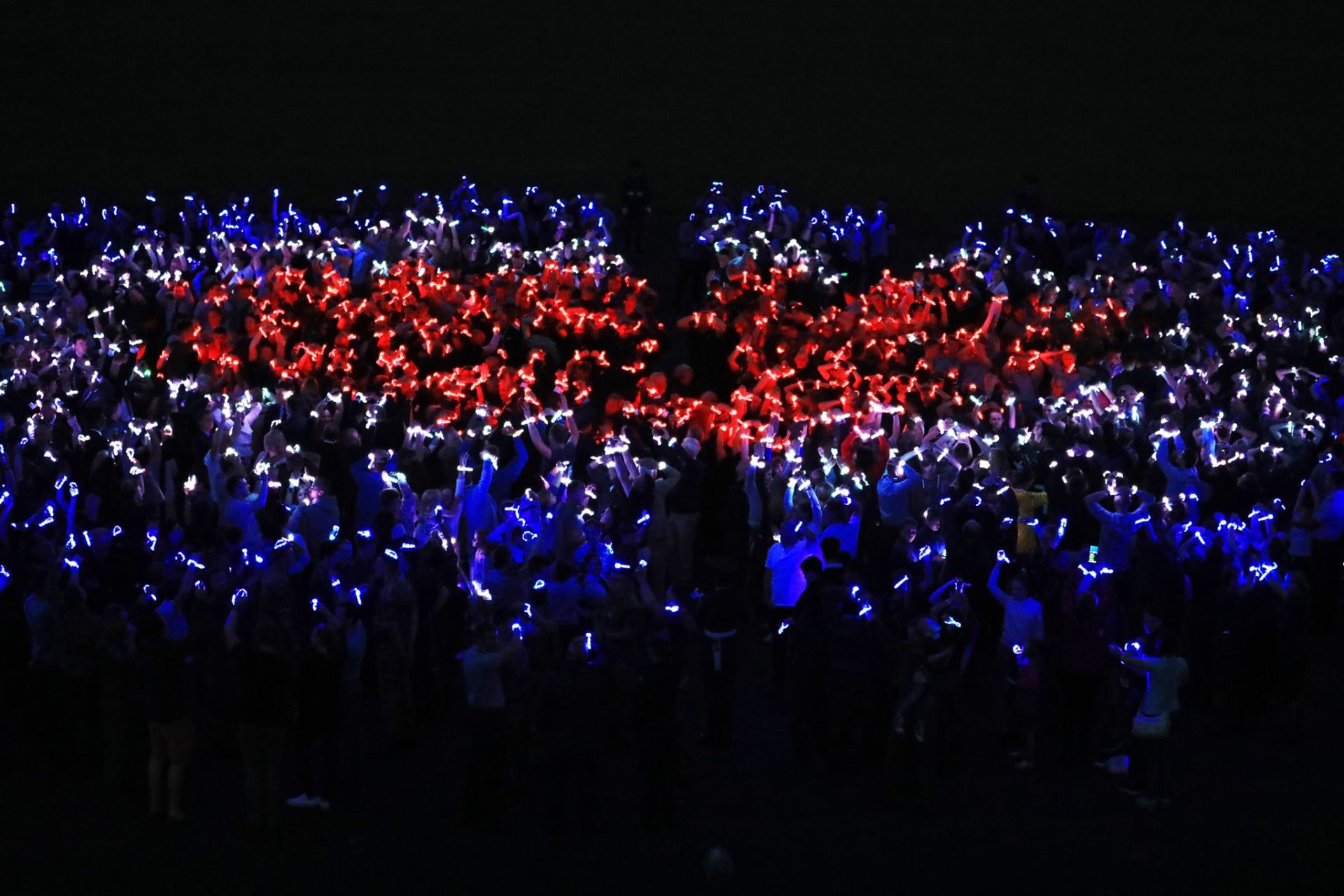
Technologies like Xylobands have become central to this philosophy. The concept, famously born from a desire to bring the lyric "lights will guide you home" to life for Coldplay, has revolutionized crowd engagement. These radio controlled LED wristbands allow designers to paint with light on a massive scale, an effect that is simply impossible to achieve from the stage alone. Suddenly, a wave of color can wash over 50,000 people, pulses of light can erupt from specific sections, and the entire arena can glow with a single, unified heartbeat. Whether it's for a historic three-night, sold-out run at The O2 like Wizkid’s, or a massive hometown stadium show like Maluma’s in Medellín, this Wearable LED Technology creates unforgettable moments of collective effervescence. The concert wristbands are no longer just a ticket or a souvenir; they are an integral part of the performance hardware.
Principle 3: Weaving Narrative with Rhythm and Cueing
Great arena lighting is not a random assault of strobes and colors; it is a narrative. Each cue is a word, each sequence a sentence in the story of the show. The lighting designer works in lockstep with the artist and show director to create a visual arc that mirrors the emotional journey of the setlist.
The pacing is critical. High-energy moments are punctuated with fast-moving beams, intense color, and strobing effects that drive the rhythm forward. For a ballad, the lighting might strip back to a single, intimate spotlight, making a 50,000-seat stadium feel like a small club. It’s this dynamic range that holds an audience’s attention for two hours or more. The perfect synchronization of light with music, video, and automation is a complex choreography, often programmed down to the millisecond. This is the unseen craft of the show—the thousands of cues that create a seamless and emotionally resonant experience.
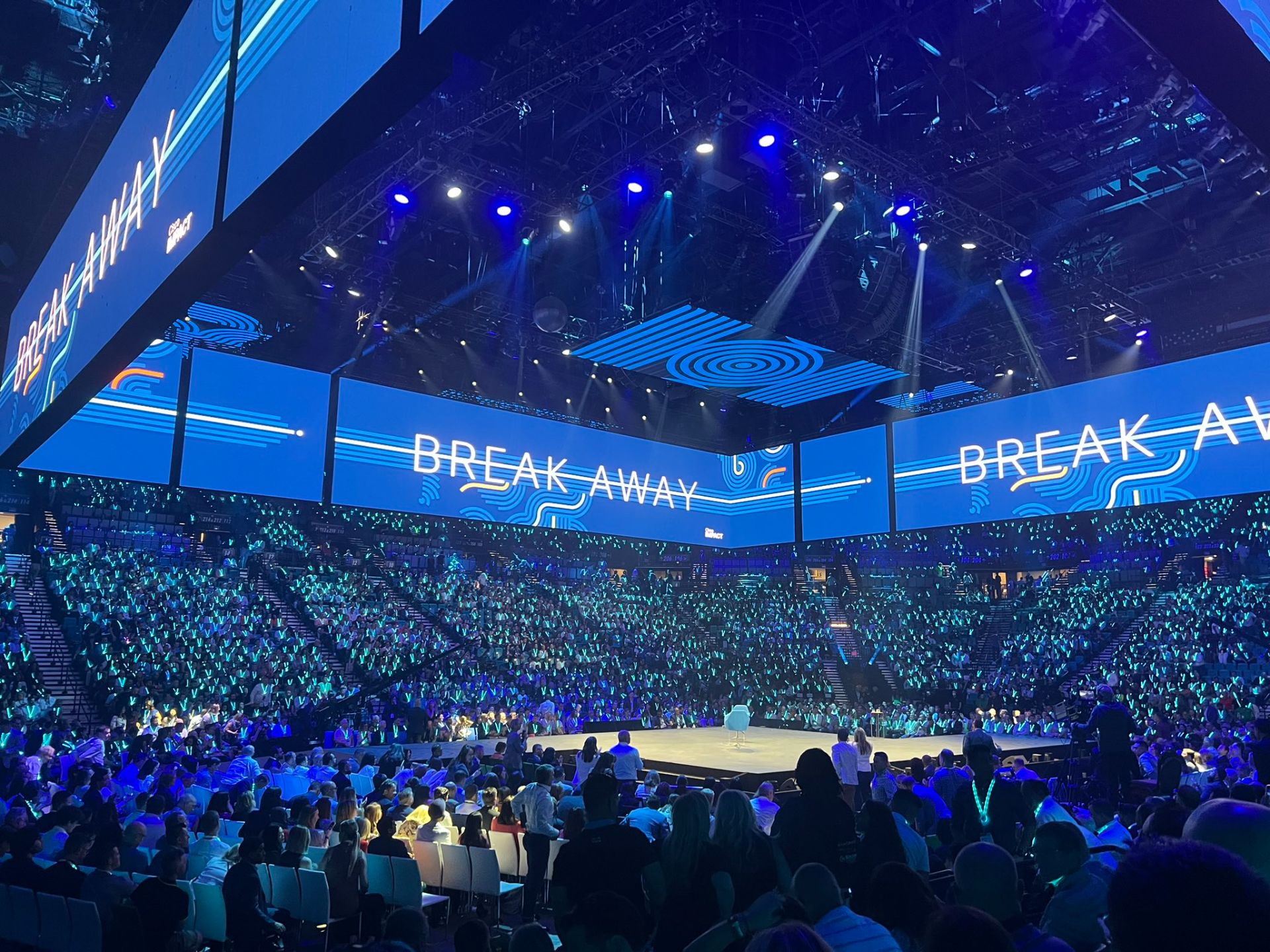
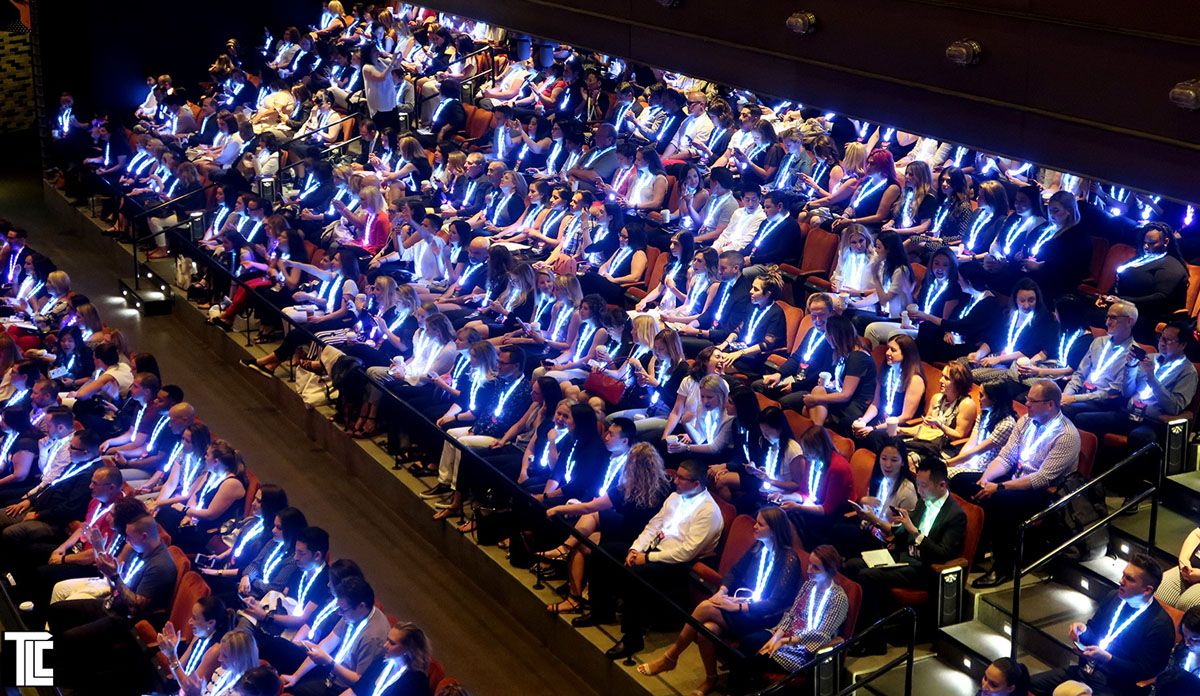
This principle of audience-centric lighting extends beyond music. Major sporting events like the Davis Cup and brand celebrations for giants like Formula One have leveraged the same technology, often using custom LED Lanyards or pendants to create stunning Corporate Event Activations that make attendees feel like part of the spectacle.
Principle 4: Turning the Crowd into the Chorus
Ultimately, the goal of modern tour lighting is to break down the fourth wall. It’s about more than just creating a beautiful picture; it's about fostering a connection between the artist and every single person in the room. When an entire stadium lights up in unison, synchronized to the peak of a song, the boundary between performer and audience dissolves. Everyone becomes a participant.
This transforms the nature of the live event. It’s no longer just a show to be watched, but a shared experience to be felt. The fan holding an LED band is not just a spectator; they are part of the lighting crew, a pixel in a grand mosaic. This is the philosophy behind the most powerful LED Crowd Experiences seen in festivals from Glastonbury to Primer Music Festival in Athens. This is the work we at Xylobands have pioneered for over a decade: using light to create moments of profound human connection.
From the initial design concepts to the final encore, the art of arena lighting is a masterful blend of technical precision and raw emotional instinct. It’s an architecture of awe, designed to create a sensory spectacle that resonates long after the lights go down.