The Circular Showtime: Rethinking Waste and Reusability in Live Events
The Afterimage of the Unforgettable
The houselights come up. The final chord has echoed into silence, the last confetti has fallen, and the electric hum of a shared experience begins its slow fade. For tens of thousands of people, it’s the end of a story—a memory imprinted in light and sound. For the production crew, it’s halftime. The next monumental task begins: the cleanup. In the empty arenas, festival fields, and convention halls lies the unspoken challenge of our industry: the physical footprint of the ephemeral. For all the magic we create, the live events world has long wrestled with a culture of disposability.
From single-use plastics to vast sets built for a single show, the production lifecycle has traditionally been linear: source, use, discard. But as audiences and artists become more environmentally conscious, and as logistical pressures demand smarter solutions, a new model is becoming essential. The future of live production isn’t just about creating a more dazzling show; it’s about creating a more intelligent and responsible one. It’s time to embrace the principles of a circular economy and engineer a more sustainable spectacle.
Beyond the Bin: Designing for a Second Act
The conversation around sustainability in live events often begins with recycling. While important, recycling is the last line of defense in a long chain of decisions. True responsibility starts much earlier, at the point of inception. It begins with a simple question: can this be used again? The most sustainable product is the one you don’t have to remake.
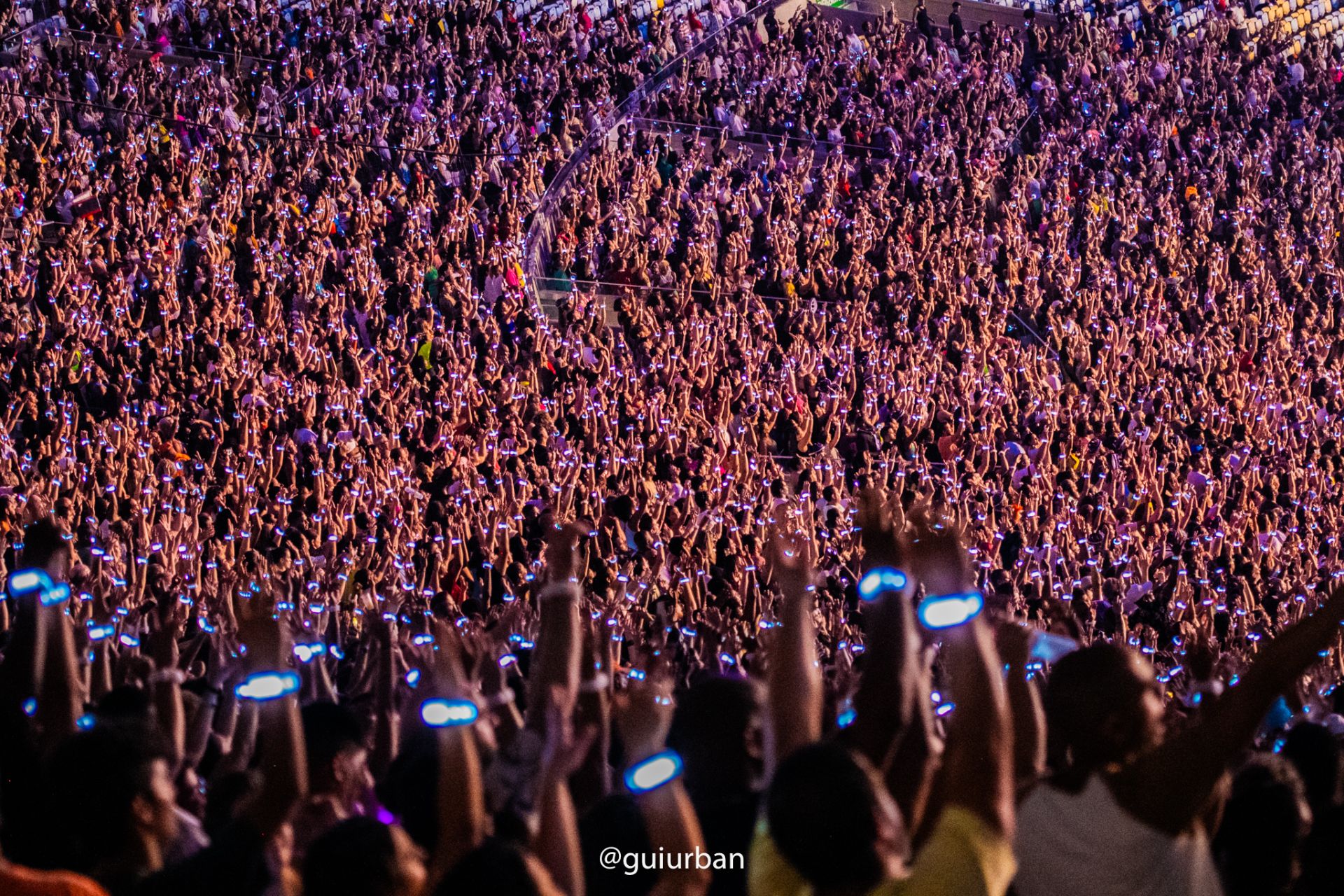
This philosophy is at the core of how we approach our technology. While a glowing wristband might seem like a momentary token, we see it as a durable piece of hardware, engineered for multiple lives. Our LED Bands and other LED Wearables are designed not just to survive the energy of a single concert, but to be ready for the next one. This shift from a disposable memento to a reusable asset is fundamental to reducing the environmental impact of creating powerful LED Crowd Experiences.
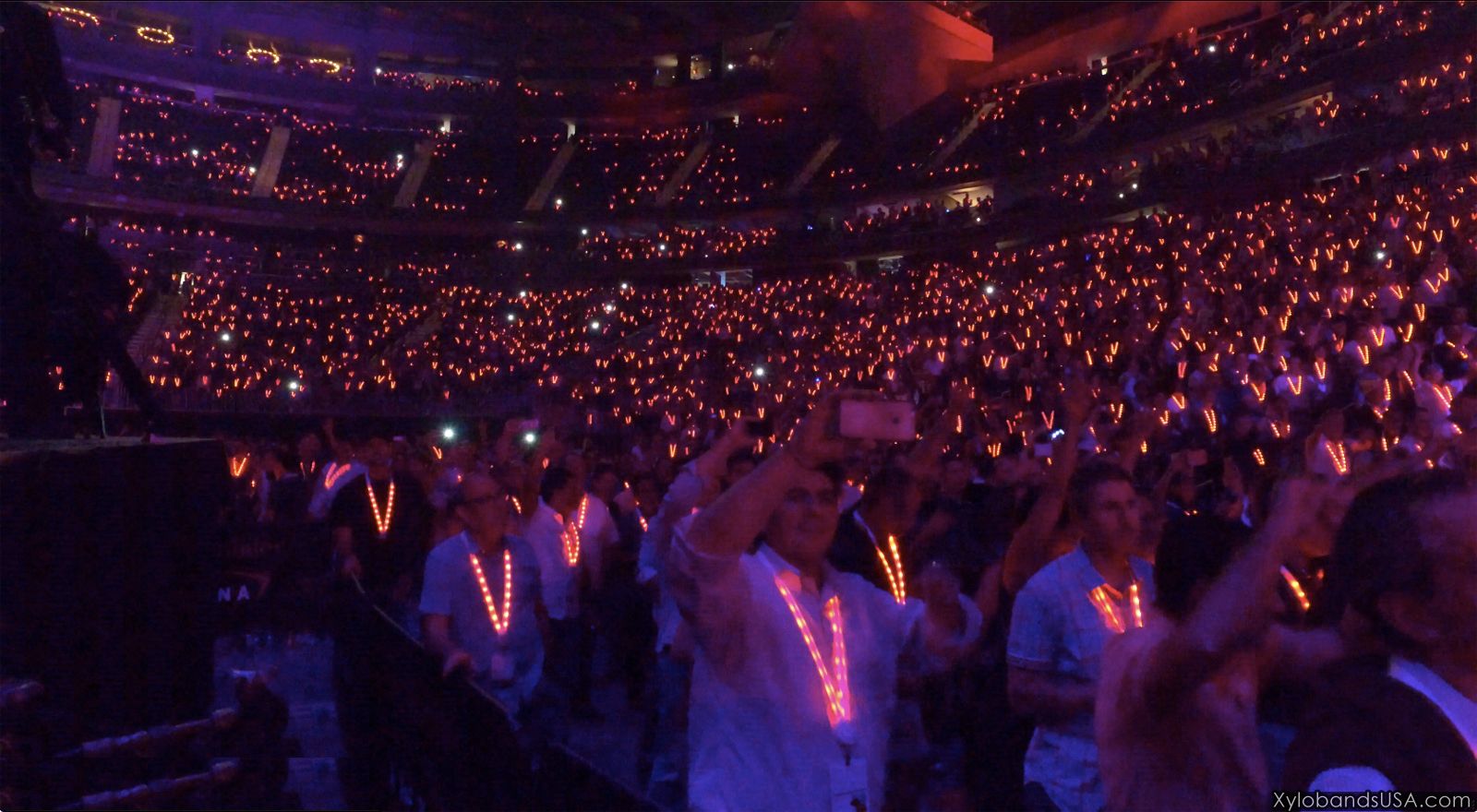
This isn’t just a theoretical ideal; it’s a proven logistical model. When Wizkid became the first African artist to sell out London’s O2 Arena for three consecutive nights, it was a landmark cultural moment. It was also a landmark in sustainable event production. For all three shows, the same inventory of Xylobands was used, collected, and redeployed. The initial deployment of 32,000 units was simply topped up as needed each night, with our teams managing the entire collection and redistribution process. This approach dramatically reduced the number of new units required, proving that high-impact Immersive Events can also be highly efficient.
The Mechanics of Reusability
Designing for reuse goes beyond robust hardware. It requires a comprehensive system for collection, sanitation, and redeployment—a logistical backbone that makes a circular model viable at scale.
“The real innovation isn’t just in the wristband itself, but in the system that supports it. A reusable model forces you to think like a logistician as much as a creative technologist. The product has to come back, and it has to be ready for showtime, every time.”
This system involves several key stages:
- Strategic Collection: Clearly marked collection points and staff trained to efficiently gather used LED Bracelets and lanyards are crucial. The process must be seamless for the departing guest.
- Sanitation and Inspection: Each returned unit is rigorously cleaned and inspected. Any damaged components are separated for responsible recycling, while functional units are tested to ensure they meet show standards.
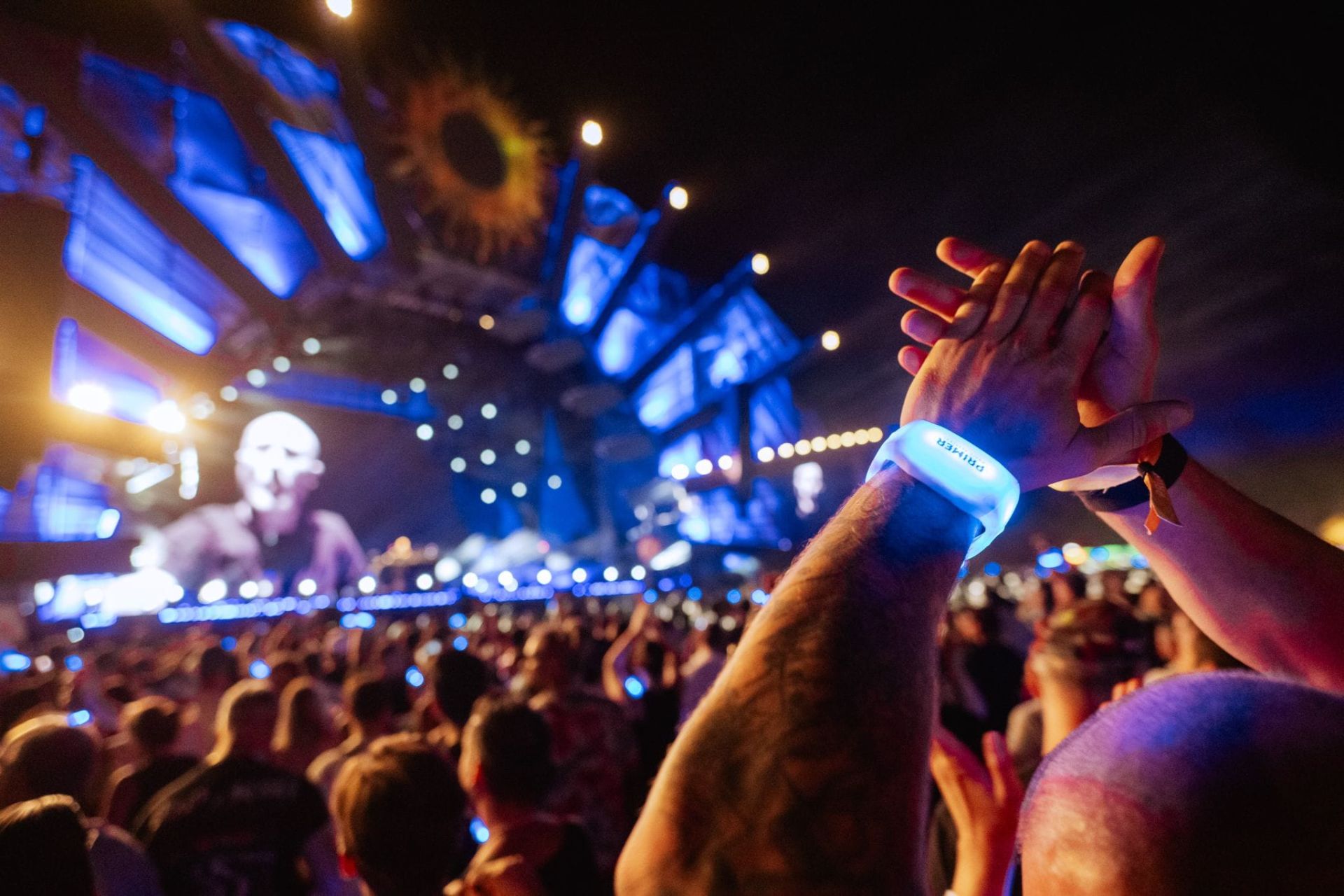
- Intelligent Reprogramming: Our inventory of Radio Controlled LED Wristbands is then reprogrammed for the next event, whether it’s a multi-day festival like Greece’s PRIMER Music Festival, a major sporting event like the Davis Cup, or a high-profile broadcast.
This closed-loop system ensures that the LED Event Technology that lights up a stadium one night can be ready for a corporate activation or another global tour stop shortly after. It transforms the product from a single-use item into a managed, tourable asset.
Expanding the Canvas: A Universal Principle
This ethos extends across our entire product ecosystem. The same principles of durability and reusability that apply to our classic Concert Wristbands are built into our LED Lanyards and visually striking LED Orbs. When we created custom Xylo Pendants for the Formula One 75th anniversary celebration, we weren’t just delivering a piece of tech for a one-off show; we were providing a durable piece of hardware designed within this sustainable framework.
The benefits resonate far beyond environmental responsibility. For tour managers and producers, a reusable model offers logistical simplicity and predictability. Instead of managing new shipments of product for every stop on a tour, they are managing a consistent, reliable asset. For brand marketers planning Corporate Event Activations, it aligns their brand with a story of responsibility—a powerful message for any modern organisation.
The Lasting Impression
The goal of Immersive Event Technology has always been to create a lasting memory—a moment of collective effervescence where thousands of individuals feel like part of a unified whole. That is the magic that inspired the first Coldplay Xylo Band and it remains our guiding principle today. But as our industry matures, the definition of a “lasting impression” must evolve.
Our legacy can no longer be measured only by the intensity of the experience; it must also be measured by the lightness of our footprint. The future of live events lies in the fusion of spectacular creativity and intelligent, circular design. It’s about building an unforgettable show from start to finish—and ensuring that when the lights come up, the story we leave behind is one of ingenuity, responsibility, and respect for the resources that make the magic possible.