The Empathy Circuit: The Hidden Psychology of Shared Live Experiences
The Unseen Connection: Beyond the Roar of the Crowd
We’ve all felt it. That electric, unifying surge in a stadium when the lights go down. The shared gasp during a breathtaking reveal at a corporate launch. The collective heartbeat of thousands of fans, synchronised to a single rhythm. These moments are the pinnacle of live experiences, the very reason we gather. But what is happening beneath the surface? What are the psychological mechanics that transform a gathering of strangers into a deeply connected, singular entity?
It’s more than just shared interest. The power of a live event lies in its ability to tap into fundamental aspects of human psychology: our need for belonging, our response to sensory stimuli, and the profound phenomenon of collective effervescence.
Collective Effervescence: The Group Mind in Action
Pioneering sociologist Émile Durkheim coined the term “collective effervescence” to describe the perceived energy and harmony that emerges when a group of people comes together to participate in the same action. It’s the feeling of being part of something larger than oneself. At a concert, festival, or major sporting event, this isn’t just a poetic notion; it’s a tangible psychological state.
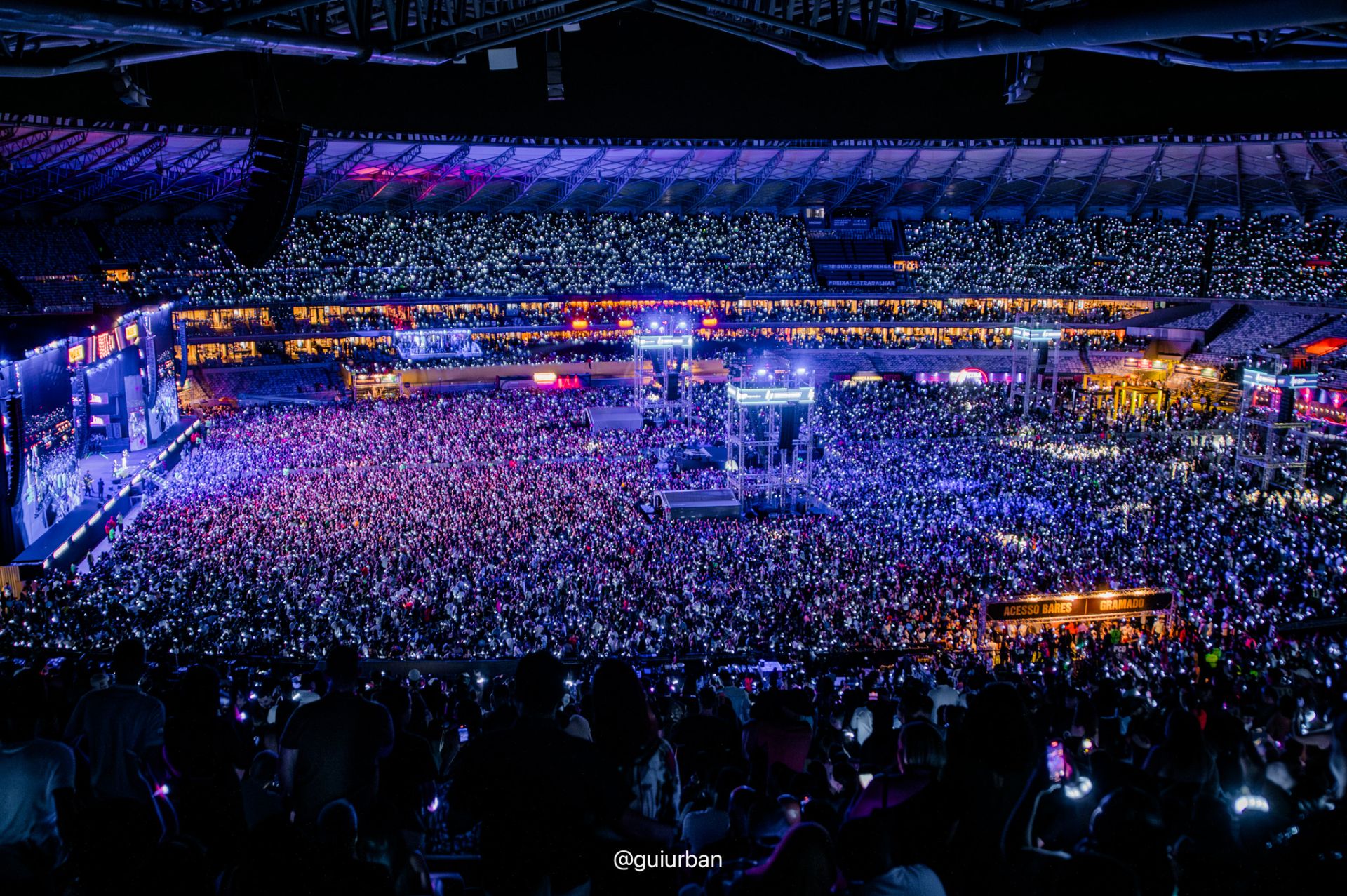
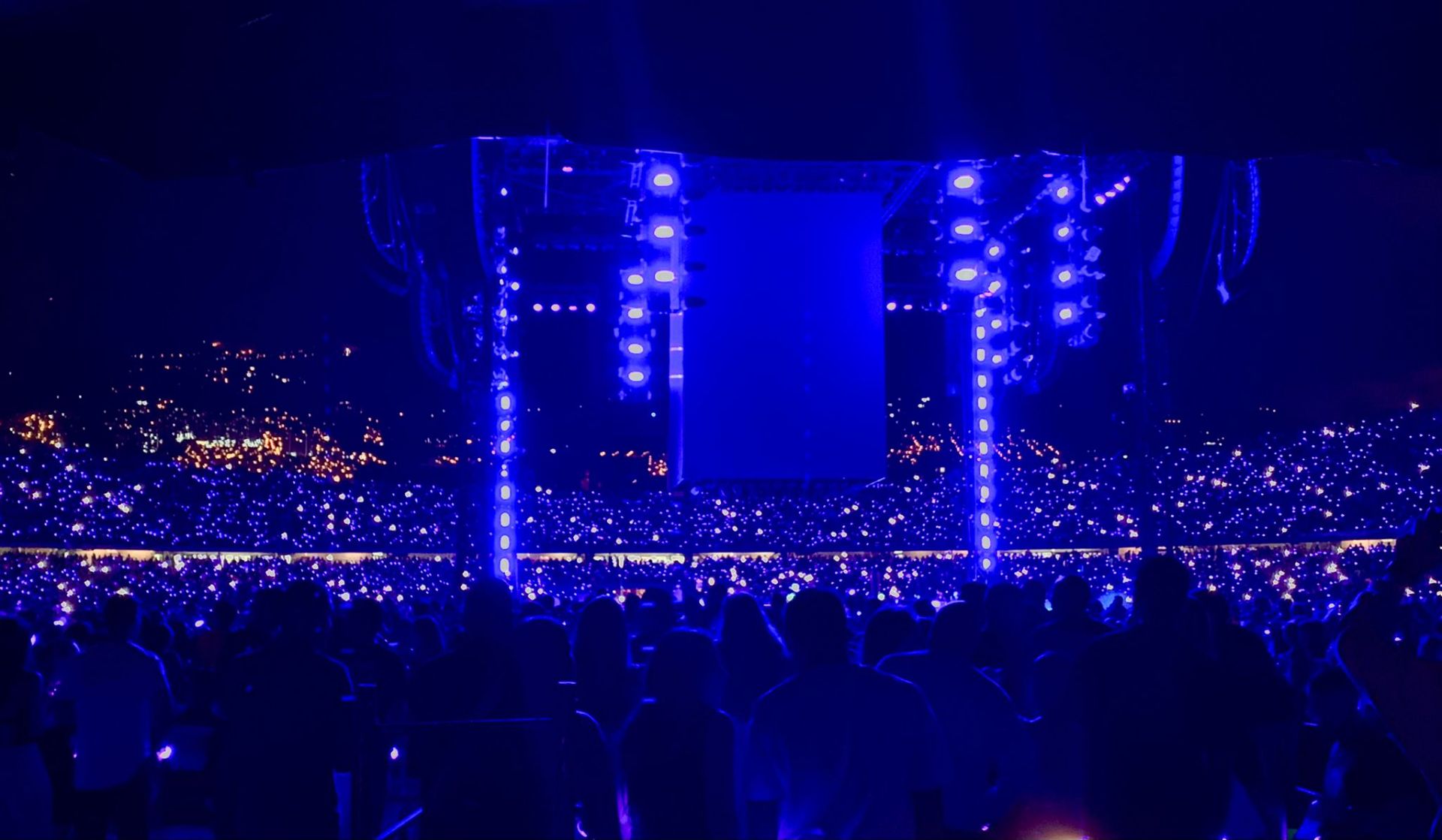
This state is achieved by breaking down individual barriers. When thousands of people sing the same lyrics, move to the same beat, or watch the same pivotal moment, their individual identities momentarily recede. The focus shifts from ‘me’ to ‘we’. This is where immersive event technology plays a crucial role. By creating a shared sensory experience that envelops the entire crowd, we can intentionally foster this state. When an entire arena is lit in unison by LED wristbands, responding to the music as one, the visual reinforcement of unity is powerful and immediate. The crowd doesn’t just see the show; they become the show.
The Neuroscience of Presence: Hijacking the Senses
In our hyper-digital world, true presence is a rare commodity. The battle for attention is relentless, with screens and notifications constantly pulling focus. Large-scale events offer a unique antidote by creating an environment of sensory saturation. Light, sound, and motion converge to command our full attention, making it difficult—and undesirable—to look away.
This is where the concept of the “empathy circuit” comes into play. Our brains are equipped with mirror neurons, which fire not only when we perform an action but also when we observe someone else performing that same action. In a live setting, this neural mirroring is supercharged. We see the artist’s passion, and we feel it. We see the joy on the faces of those around us, and we feel it, too.
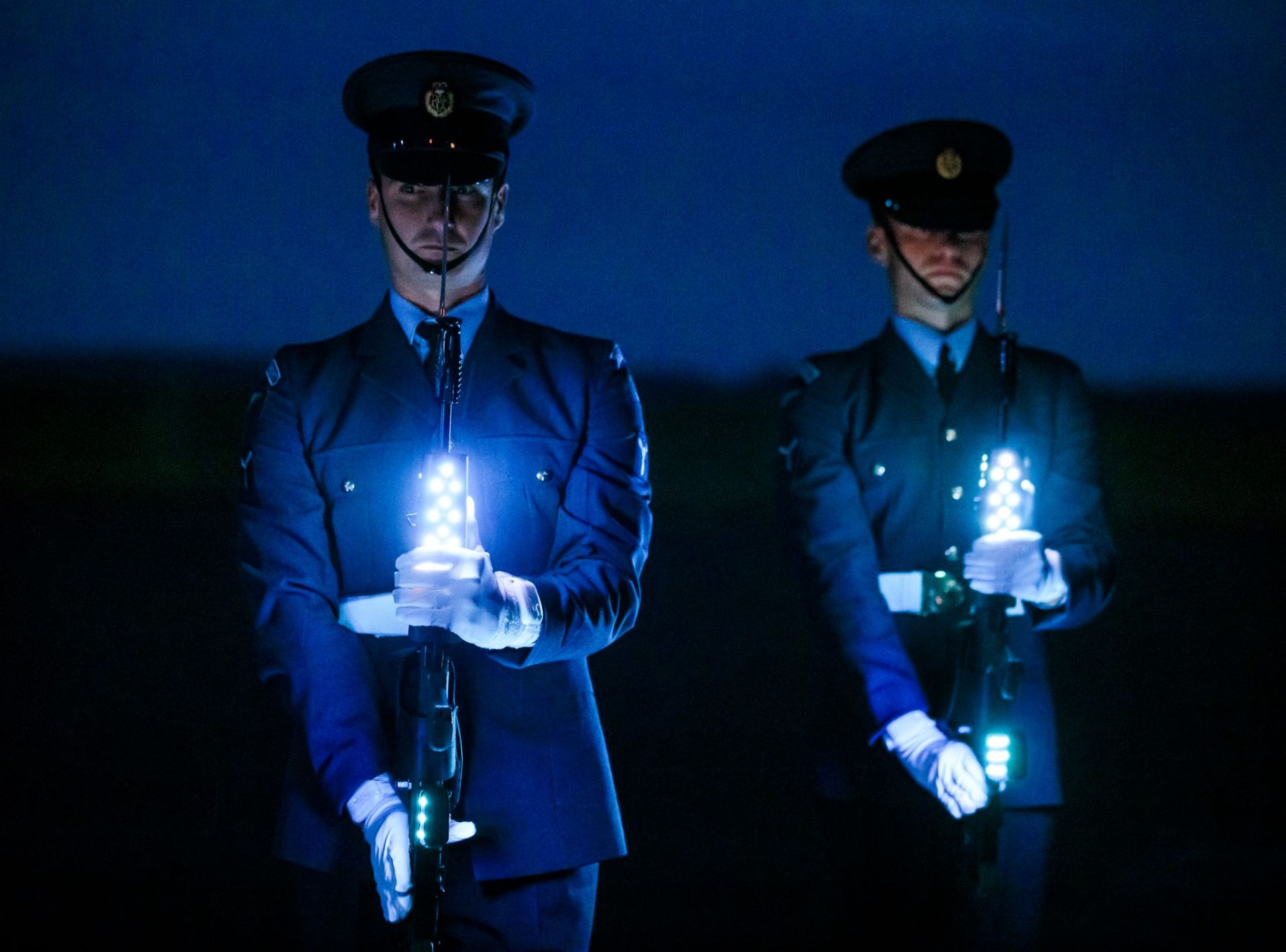
Modern immersive event technology is engineered to activate these neural pathways on a mass scale. Consider the visual impact at a festival like Primer in Athens, where the audience becomes a canvas of light, pulsing in time with the DJ’s set. Or the drama of a Formula One anniversary event, where custom LED Lanyards unite fans of ten different teams into a single, cohesive spectacle. This isn’t just lighting; it’s a form of non-verbal communication, a signal that we are all in this moment, together. This shared experience validates and amplifies individual emotions, creating a positive feedback loop of engagement.
From Passive Viewers to Active Participants
The most successful live events are those that blur the line between the performer and the audience. The traditional model of passive observation is being replaced by a new paradigm of active participation. The modern fan doesn’t just want to watch the story; they want to be a character in it.
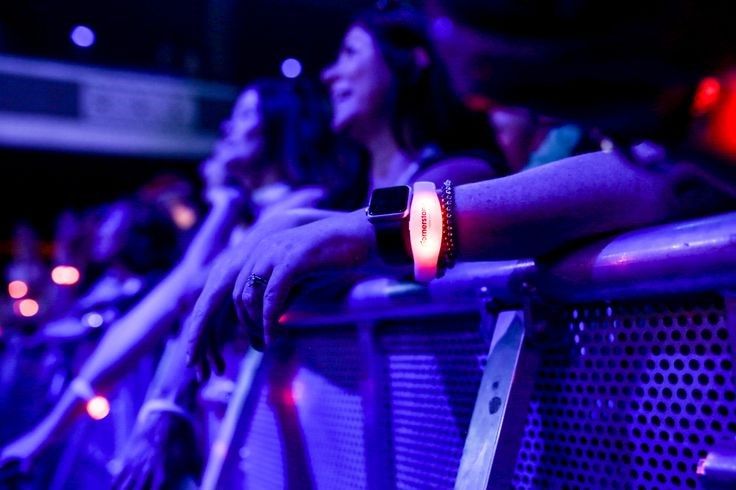
This is a fundamental shift in event design. It requires us to think of the audience not as a target but as a medium. Technology like radio-controlled LED wristbands gives creative directors a new tool to choreograph the crowd itself. We saw this with Coldplay’s Mylo Xyloto tour, the very genesis of Xylobands, where the audience was transformed into a living, breathing light show. This principle has since been applied to countless global events, from tours with superstars like Maluma and Wizkid to major sporting events like the Davis Cup.
“The goal is to create a ‘sentient sea’—a crowd that can be guided and shaped to become an integral part of the artistic vision. It’s the ultimate expression of audience engagement, turning thousands of individuals into a single, responsive organism.”
The Practical Application for Event Producers:
- Foster Unity Through Synchronicity: Use tools that allow for synchronized moments. Whether it’s a coordinated light effect, a shared interactive element, or a simple call-and-response, synchrony builds powerful feelings of belonging.
- Design for Sensory Immersion: Don’t just focus on the stage. Consider the entire environment. How can light, sound, and even haptics be used to create a 360-degree experience that makes checking one’s phone feel like a downgrade?
- Empower Participation: Give the audience a role. Wearable LED technology, interactive mobile elements, and gamification can transform attendees from spectators into active co-creators of the event’s energy. This is key for powerful corporate event activations and unforgettable concert wristbands experiences alike.
The Lasting Impression: Encoding the Memory
The final, and perhaps most critical, piece of the psychological puzzle is memory encoding. The heightened emotional state created during moments of collective effervescence makes the experience more memorable. The combination of intense sensory input and positive social connection forges strong neural pathways, etching the event into our long-term memory.
This is the true ROI of investing in immersive LED crowd experiences. You’re not just creating a fleeting moment of excitement; you are building a lasting emotional bond between the attendee, the brand, and the community. By understanding and intentionally designing for these deep-seated psychological drivers, we can elevate any live event from a simple gathering into a profound, shared human experience that resonates long after the lights come up.