The Empathy of Light: A New Blueprint for Inclusive Live Experiences
The Unseen Audience: Moving Beyond One-Size-Fits-All Event Design
For decades, the live event industry has operated on a simple, if flawed, premise: design for the majority. We build experiences for a perceived norm — an audience with a standard range of sensory and physical abilities. But this model is being fundamentally challenged. The truth is, there is no “normal” audience. Every crowd is a complex tapestry of individuals, each with a unique way of perceiving and interacting with the world. Designing for the hypothetical average means inadvertently excluding the exceptional.
True inclusivity in live entertainment is not about retrofitting solutions or ticking boxes on a checklist. It’s about a philosophical shift in design, moving from a one-size-fits-all approach to a multi-sensory, adaptable model. It’s about asking a different set of questions: How can we create a richer, more accessible experience for those with visual or hearing impairments? How can we design moments that soothe, rather than overwhelm, individuals with sensory sensitivities? How can we use technology not just to create spectacle, but to foster a genuine sense of belonging for every single person in the venue?
Light as a Language: Communicating Beyond Sound
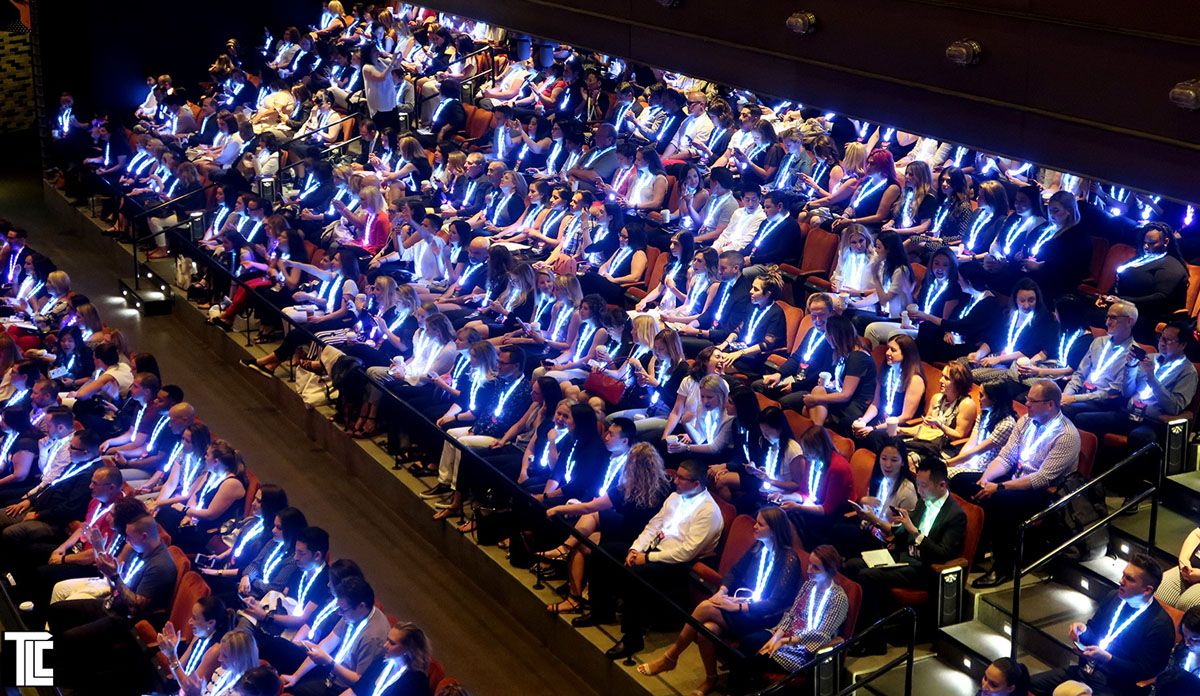
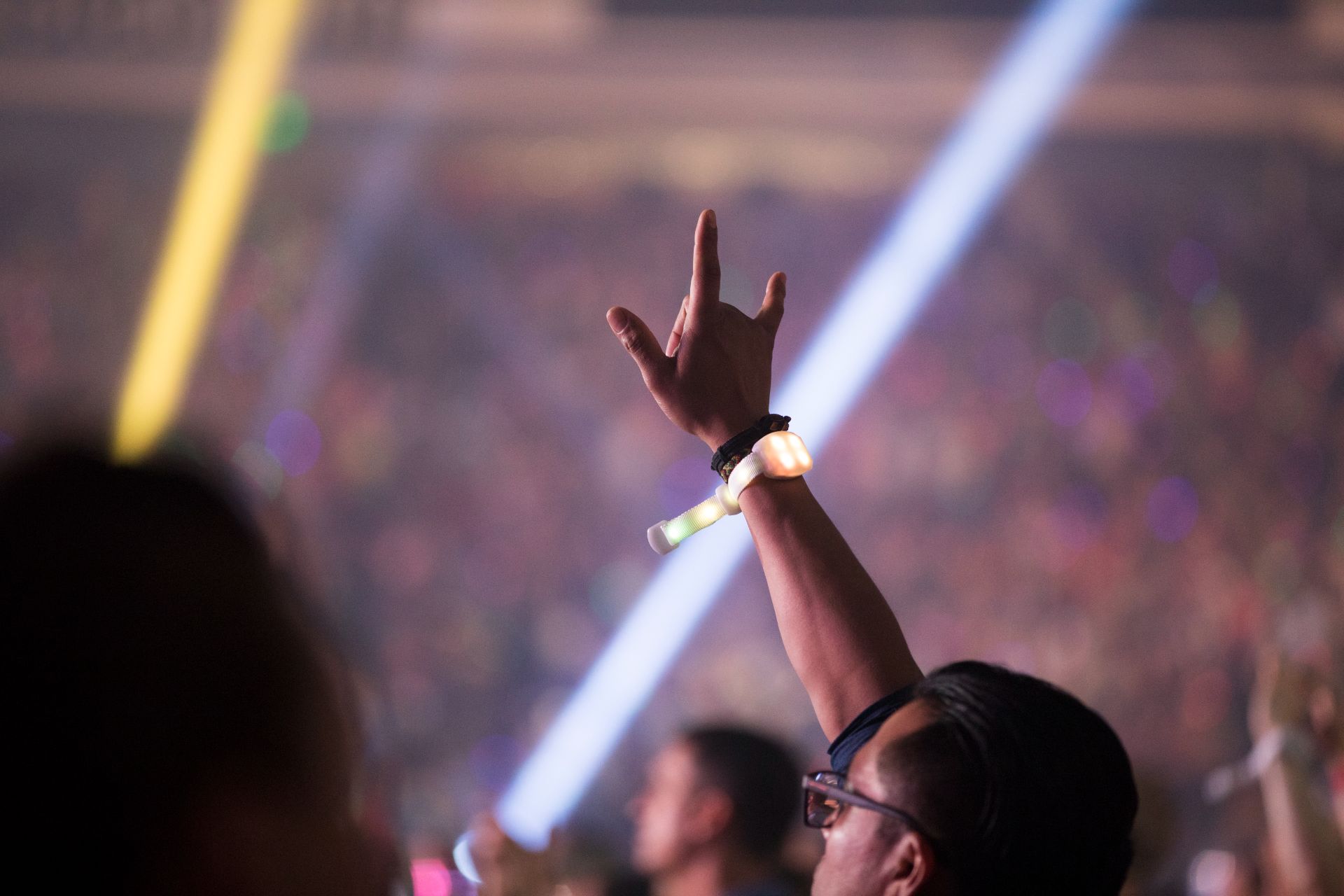
Sound has traditionally been the primary driver of the live experience. But for a significant portion of the audience, including the Deaf and hard-of-hearing community, an over-reliance on audio can create a barrier to full participation. This is where the strategic use of light becomes a powerful tool for inclusion. Wearable LED technology, like the kind pioneered by Xylobands, offers a new channel of communication, translating the auditory into the visual.
Imagine a concert where the pulsing rhythm of the bass drum is felt not just in the chest, but is seen as a wave of light washing over the crowd. Picture a key change in a ballad being represented by a sudden shift in color, or a soaring guitar solo painted as a streak of light across the arena. For a Deaf fan, this isn’t just a visual effect; it’s a translation of the music’s emotional core. It’s a way to feel the dynamics, the energy, and the structure of a song in a purely visual dimension. This is where LED wristbands evolve from a fun gimmick to a vital accessibility tool.
“By synchronizing light with sound, we can create a layered experience that speaks to multiple senses simultaneously. It’s about crafting a show that can be felt, seen, and heard, allowing every audience member to engage on their own terms.”
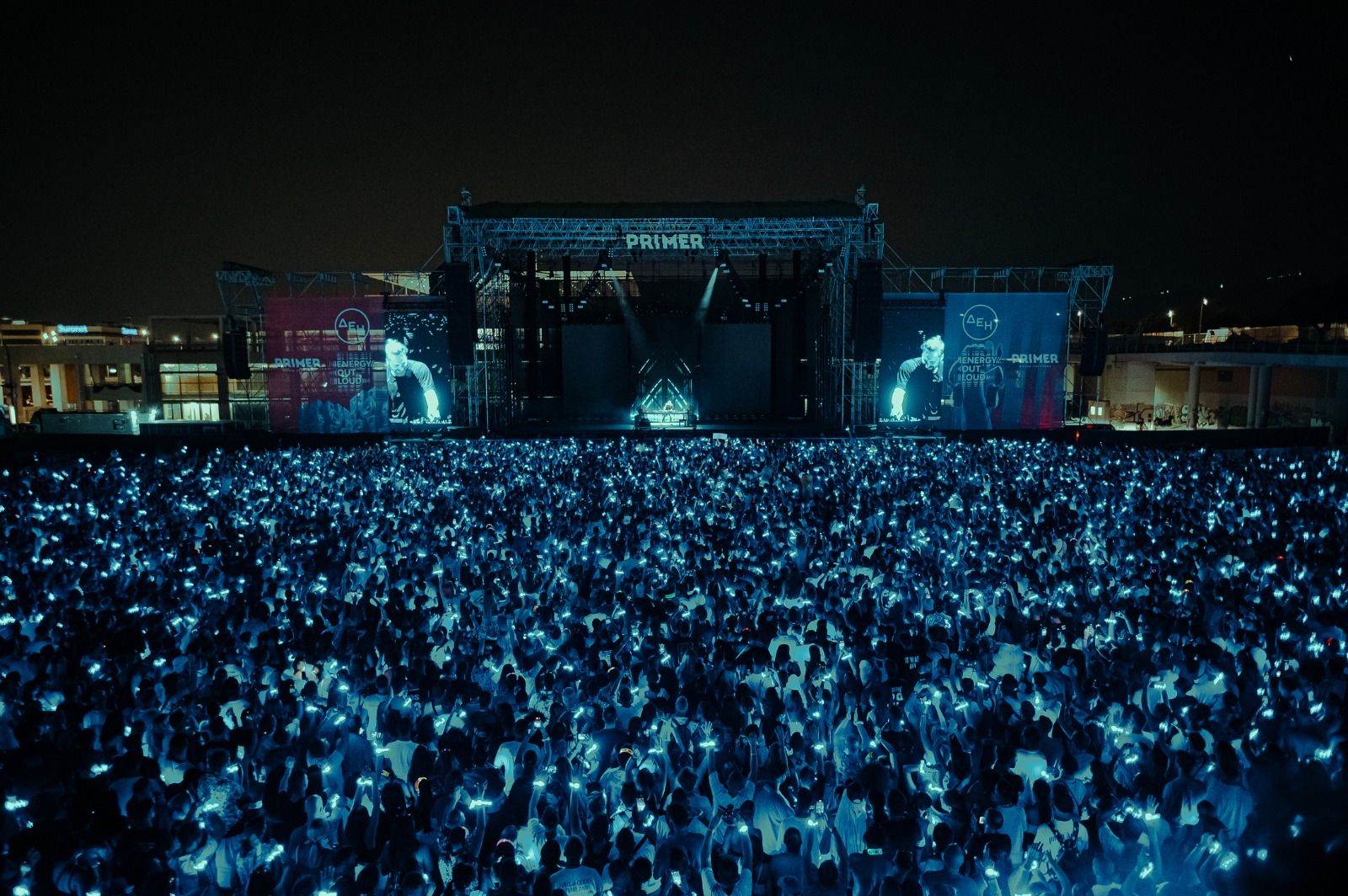
This approach was powerfully demonstrated at recent PRIMER Music Festivals, where thousands of fans became part of a collective light show. While a stunning visual for all, for some, it was a primary way to connect with the high-energy electronic music, feeling the beat and tempo through synchronized flashes of light. This is a core principle of inclusive design: a feature intended to enhance the experience for one group can elevate it for everyone.
Designing for Neurodiversity: Creating Calmer Spaces in the Crowd
The energy of a live event can be electrifying. But for neurodivergent individuals, particularly those with autism or sensory processing disorders, the intense and often unpredictable combination of loud noises, flashing lights, and dense crowds can be overwhelming. Inclusive design seeks to mitigate this without sacrificing the show’s dynamism.
Immersive event technology gives producers an unprecedented level of control over the sensory environment. Instead of a chaotic free-for-all of phone screens and random flashing merchandise, a centrally controlled system like Xylobands allows for the deliberate choreography of light. This means we can design moments of visual calm, using gentle fades and soothing color palettes like deep blues and greens to counterbalance high-energy strobing sequences. It’s about creating a rhythm for the entire sensory experience, with peaks of intensity and valleys of calm, giving attendees a more predictable and manageable environment.
Key principles for sensory-inclusive lighting design:
- Rhythm and Predictability: Avoid erratic, unsignaled changes in light and sound. Use the visual landscape to telegraph what’s coming next.
- Color Psychology: Leverage the emotional impact of color to create calming or energetic zones within the show’s narrative arc.
- Audience Segmentation: Technology allows for the possibility of creating different lighting effects in different sections, potentially offering designated “low-sensory” zones without isolating attendees.
- Empowering the User: Future iterations of LED wearables could offer attendees a degree of personal control, allowing them to dim or brighten their own device to suit their individual needs.
Beyond the Arena: The Broadcast Experience for All
The conversation around accessibility often extends to the at-home audience. Major broadcast events, from the Super Bowl Halftime Show to game shows like ITV’s Beat The Chasers, are designed for a massive remote viewership. When the in-studio audience is equipped with radio controlled LED wristbands, they become a living, breathing part of the set design. This visual energy translates directly through the lens, creating a more dynamic and engaging broadcast.
For viewers with hearing impairments, this "sentient crowd" provides another layer of visual information. The audience’s collective gasp of light during a dramatic moment, or the unified pulse of color during a musical performance, communicates the show’s emotional temperature in a way that captions alone cannot. It transforms the audience from a passive backdrop into an active and expressive character in the story, enriching the experience for viewers everywhere, regardless of how they are consuming the content.
The Future is Universally Designed
Creating truly inclusive live events is not a niche concern; it is the future of the industry. It’s a creative and commercial imperative. By embracing technologies that allow for more adaptable, multi-sensory experiences, we can design events that are not just spectacular, but also profoundly welcoming. From festival wristbands that translate music into light, to custom LED wristbands that create zones of sensory calm, we are learning to use light not just to entertain, but to connect and to include.
The goal is universal design: creating an experience that is inherently accessible to as many people as possible from the outset. It’s about understanding that the strength of a collective experience lies in its ability to embrace the full spectrum of human diversity. The light show is no longer just on the stage; it’s in the hands of every attendee, and in that shared light, we find a more inclusive, empathetic, and powerful way to come together.