The Human Algorithm: Crowd Analytics and the Future of Event Safety
The Unseen Pulse of the Crowd
An arena at capacity is a living organism. It breathes with a collective energy, its mood shifting with every chord change and every dropped beat. For decades, the primary tools for understanding this organism were experience, intuition, and a network of eyes on the ground. Production teams and security personnel operated on a model of reaction, responding to surges, bottlenecks, and medical emergencies as they arose. But what if we could move from reaction to prediction? What if the same technology that creates breathtaking visual spectacles could also provide an unprecedented layer of insight into the health and safety of the crowd?
The modern live event is a nexus of sophisticated systems, from lighting and audio to access control and broadcast feeds. Yet, the most complex system of all remains the audience itself. Tens of thousands of individuals, each with their own trajectory and energy, form a dynamic, ever-changing human algorithm. Understanding this algorithm is the next frontier in event production, a shift from simple crowd control to holistic crowd intelligence. This isn't just about preventing disaster; it's about creating a fundamentally better and safer environment for experiencing the moments that move us.
From Headcounts to Heartbeats: The Evolution of Crowd Monitoring
Historically, crowd management was a matter of ingress and egress, of managing static points of failure like gates and barriers. The data was rudimentary: ticket scans told you how many people were inside the perimeter, but offered little insight into their distribution, density, or disposition. The advent of RFID and NFC technologies, often embedded in festival wristbands, marked a significant leap forward. Suddenly, we could see where people were, what they were buying, and how they moved between stages and vendor areas. This was the beginning of a data-driven approach, but it was still a partial picture.
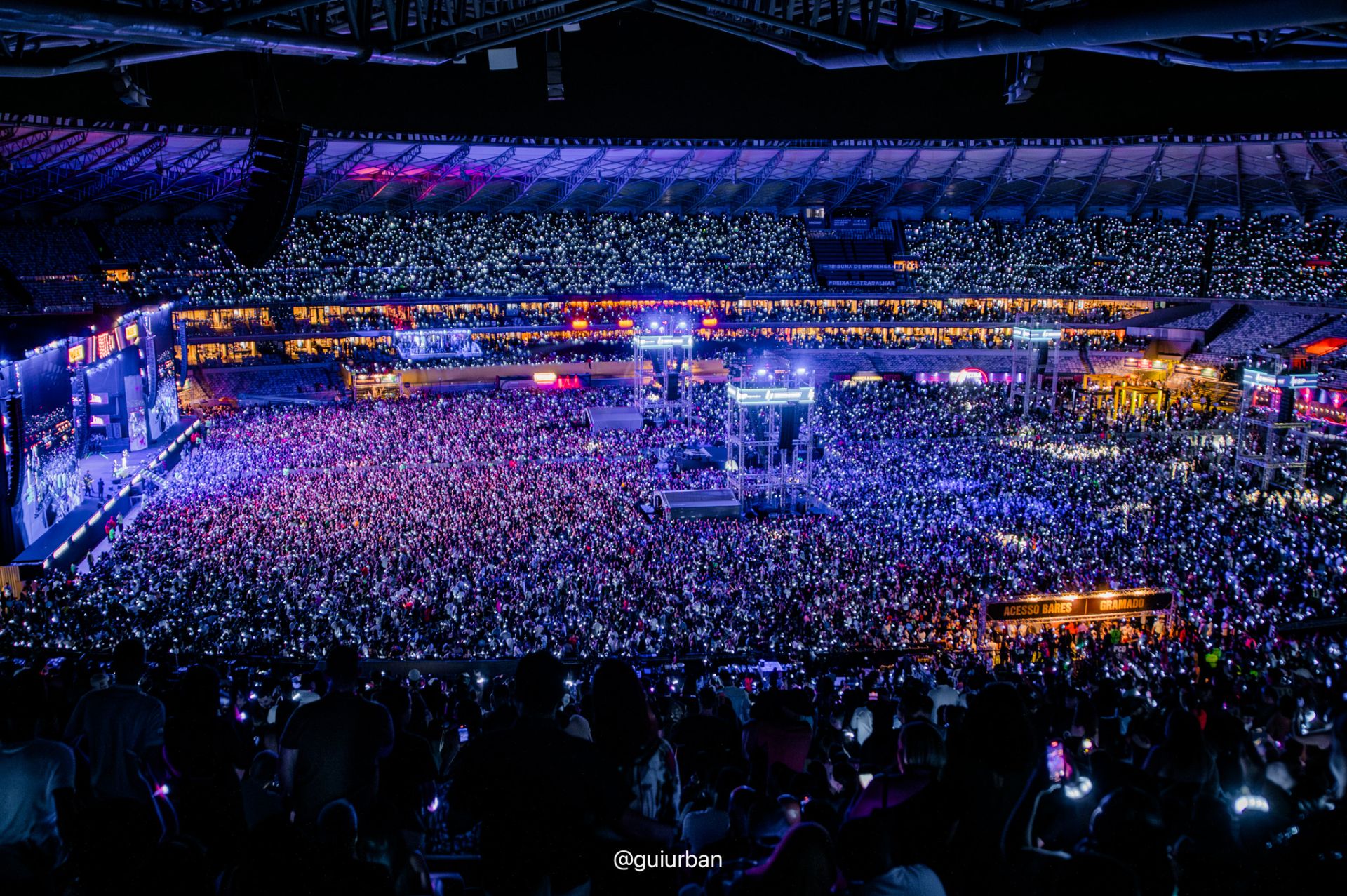
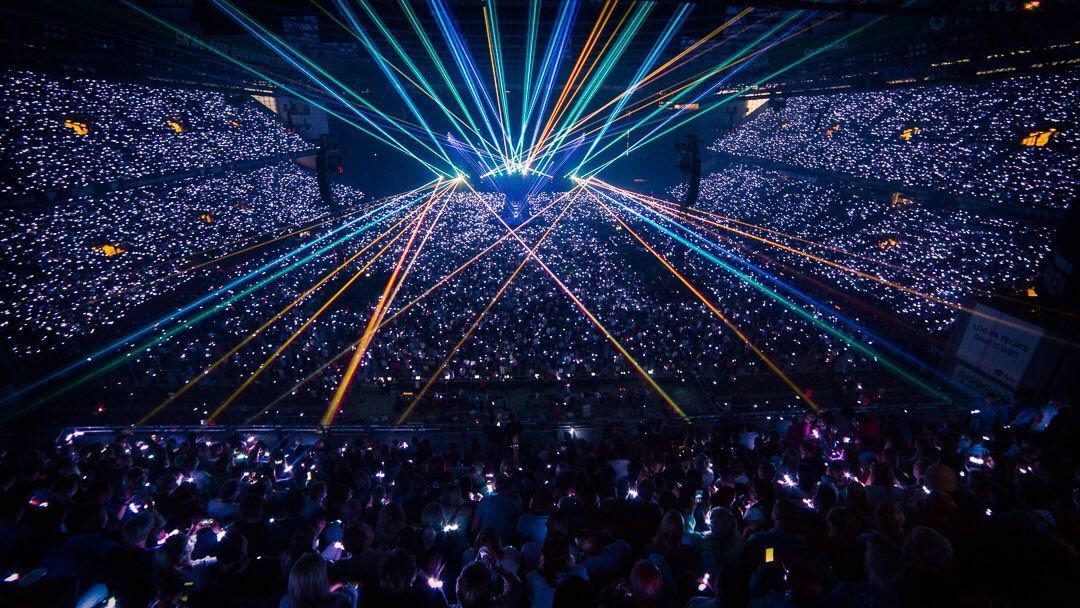
The true revolution is in real-time, dynamic data. Today, we are on the cusp of integrating the very technology that immerses an audience into our safety and analytics toolkit. Consider the humble LED wristband. For years, its primary function has been to make the crowd part of the show, a canvas for light and color. Xylobands pioneered this movement, turning tens of thousands of individuals at concerts for artists like Maluma or major sporting events like the Formula One 75th anniversary into a unified, pulsing spectacle of light.
Every pulse of light, every command sent from the control desk, is a data point. When you scale this across a stadium, you have a living map of audience engagement and location.
The Sentient Grid: Wearable Tech as a Safety Tool
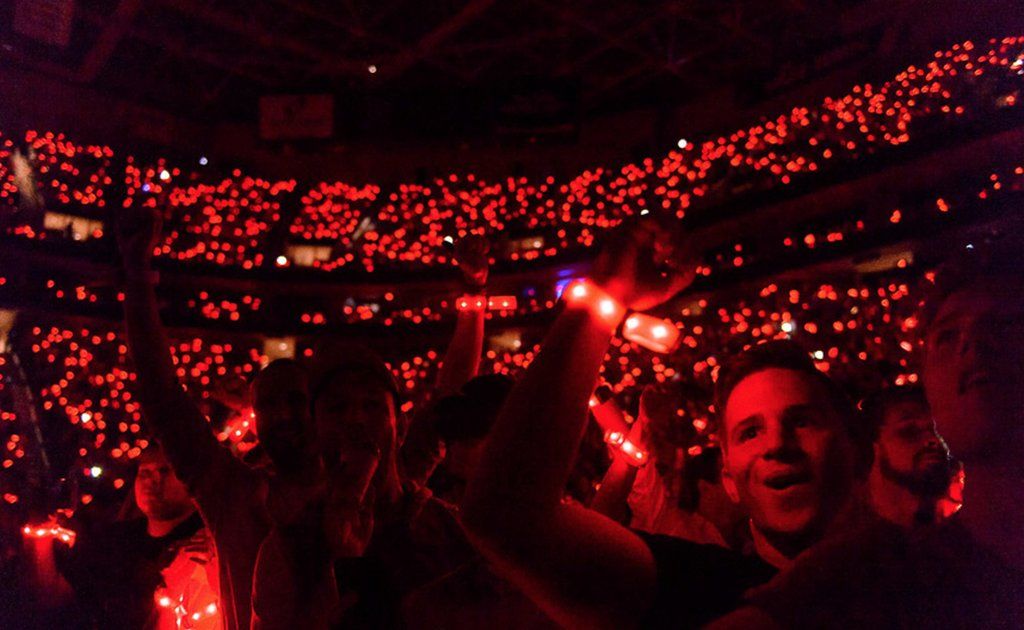
The next evolution of this Immersive Event Technology is to harness the data it generates. When a stadium is filled with radio-controlled LED wristbands, you have more than a light show; you have a sentient grid. Every wristband is a node, a potential sensor in a vast network. By analyzing the signal strength and response times of these devices, we can begin to build a high-fidelity, real-time map of crowd density. Is a particular sector showing a higher concentration of devices than expected? Is there a sudden, anomalous void in a specific area? This is no longer just about crowd control; it’s about crowd understanding.
This data can be layered with other inputs—CCTV feeds, thermal imaging, and even social media sentiment analysis—to create a comprehensive dashboard for event command centers. A sudden pressure surge in a specific section, invisible to the naked eye from a control booth, might be flagged instantly by the system. A pattern of abnormal movement could indicate a developing medical situation before a call ever comes over the radio. This isn’t science fiction; it’s the logical application of the LED Event Technology we already deploy.
This capability adds a profound new dimension to products like Custom LED Wristbands and LED Lanyards. Beyond branding and visual effects, they become an integral part of an event’s safety infrastructure. For producers of large-scale festivals and global tours, this represents a paradigm shift. The same system that delivers jaw-dropping LED Crowd Experiences can simultaneously offer a silent, vigilant layer of protection.
Beyond Safety: Enhancing the Audience Experience
The benefits of this human algorithm extend beyond safety and security. Understanding crowd flow and dwell times can lead to more intelligent venue design and resource allocation. If data reveals a consistent bottleneck near a specific concession stand, organizers can proactively add more points of sale or reroute foot traffic in future layouts. If certain areas of a festival consistently show low engagement, producers can rethink programming or environmental design to activate that space.
This deep understanding of audience behavior allows for a more curated and seamless experience. At events like PRIMER Music Festival in Greece, where energy and flow are paramount, such insights could optimize everything from bar placement to the scheduling of headline acts, ensuring the collective energy never wanes. The technology becomes a tool not just for spectacle, but for service.
The Ethical Dimension: Privacy and Trust
Of course, the collection and analysis of crowd data carry a significant ethical responsibility. The goal is to understand the crowd, not the individuals within it. The power of this approach lies in its aggregation of anonymous data. It’s about recognizing patterns and predicting trends at a macro level, ensuring the privacy of each audience member is paramount. The trust between an event and its attendees is sacred. Any implementation of this technology must be transparent, secure, and solely focused on the collective benefit of a safer, more enjoyable experience.
The Future is a Unified System
The future of event production lies in unified systems, where creative and logistical technologies talk to each other. The lighting console will not only speak to the LED Bands on every wrist but will also feed data into a central analytics engine that informs security, medical, and operational teams. The same network that triggers a cascade of light during a chorus will also be capable of identifying a potential safety issue before it escalates.
At Xylobands, we began with a simple vision: to bring fans and artists closer together through light. Today, that vision is expanding. We are not just creating moments of collective euphoria; we are building the tools that will make those moments safer, smarter, and more seamless than ever before. The crowd is no longer just a canvas for the show; it is an active participant in its own safety, a human algorithm providing the unseen pulse that guides us toward a new era of live events.