The Human Canvas: The Psychology of Collective Joy
The Architecture of Belonging
There is a moment at every great live event that defies easy description. It’s not just the peak of a song or the climax of a game; it’s a palpable shift in the atmosphere. The scattered points of attention from thousands of individuals suddenly converge. A crowd of strangers, separated by seats and life stories, transforms into a single, unified entity, breathing and reacting as one. This is the phenomenon of collective joy, a psychological state that event producers, artists, and brands spend their careers striving to create. But it is not magic; it’s a carefully constructed architecture of psychological principles.
At its core, the live experience is a masterclass in social psychology. We are fundamentally wired for connection, and large gatherings tap into our deep-seated need for belonging. The roar of a stadium, the shared gasp at a critical play, or the unified chorus of a festival anthem all trigger a powerful sense of social identity. In these moments, the ‘I’ gives way to the ‘we.’ This is more than just a feeling; it’s a neurological event. Shared experiences release oxytocin, the neurochemical associated with bonding and trust, creating a powerful feedback loop. The more connected we feel, the more engaged we become; the more engaged we are, the more memorable the event is.
From Passive Viewers to Active Participants
For decades, the audience’s role was largely passive: to watch, to listen, to applaud. The lighters-in-the-air moment was perhaps the first true form of mass audience participation, a spontaneous, analog expression of unity. Today, technology has exponentially expanded the toolkit for engagement, turning the crowd itself into a dynamic canvas. The challenge for modern event producers is no longer just to entertain the audience, but to involve them.
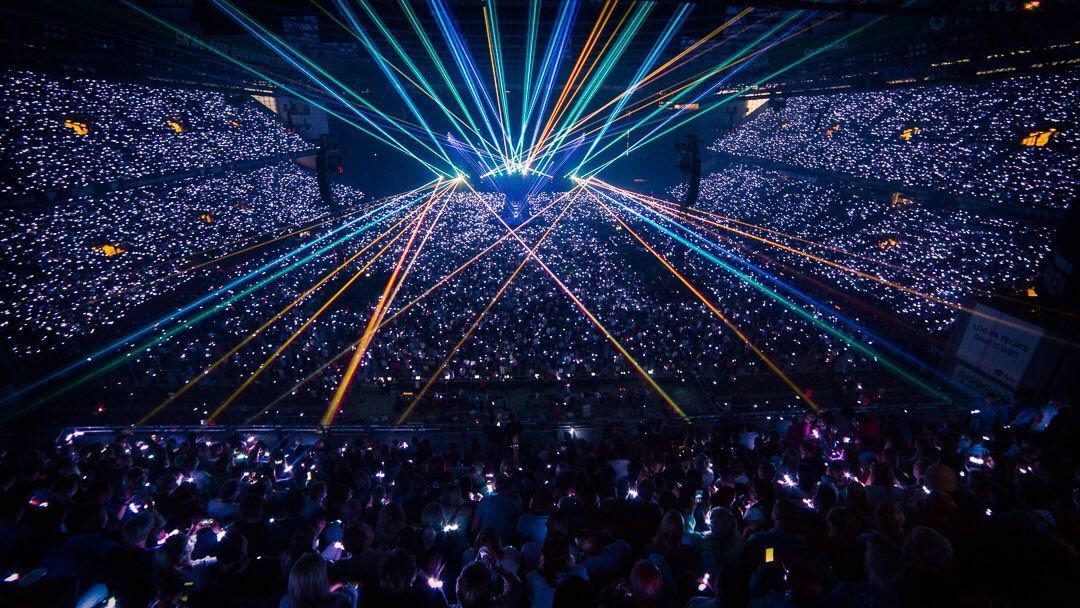
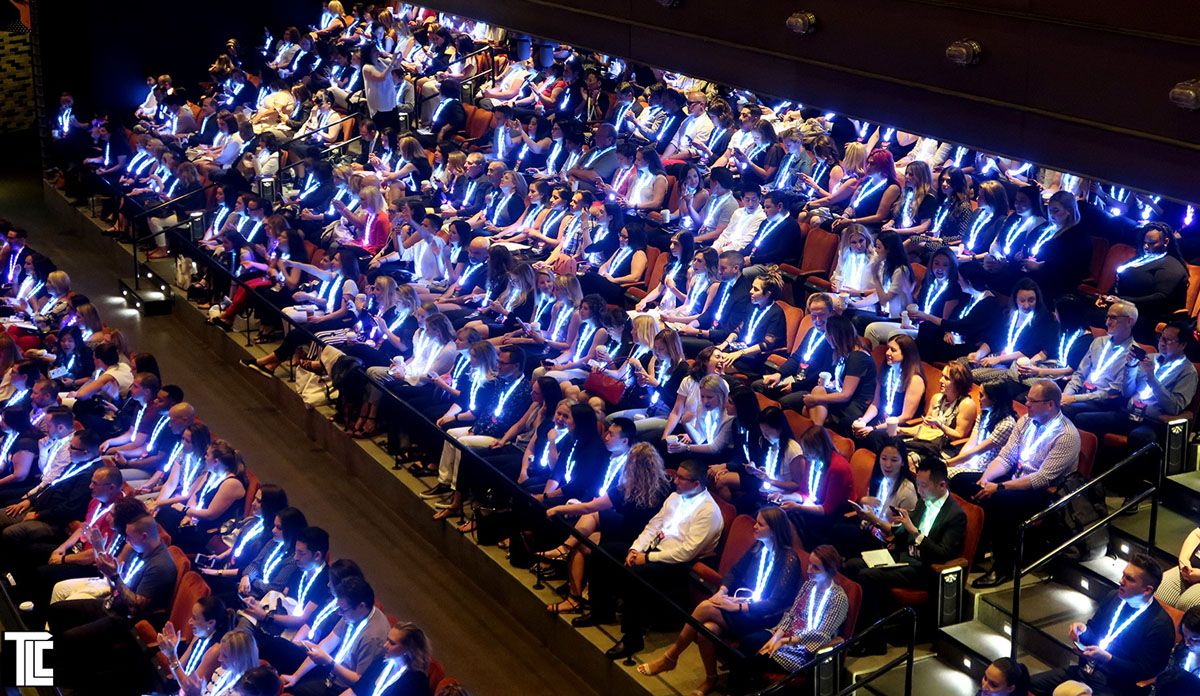
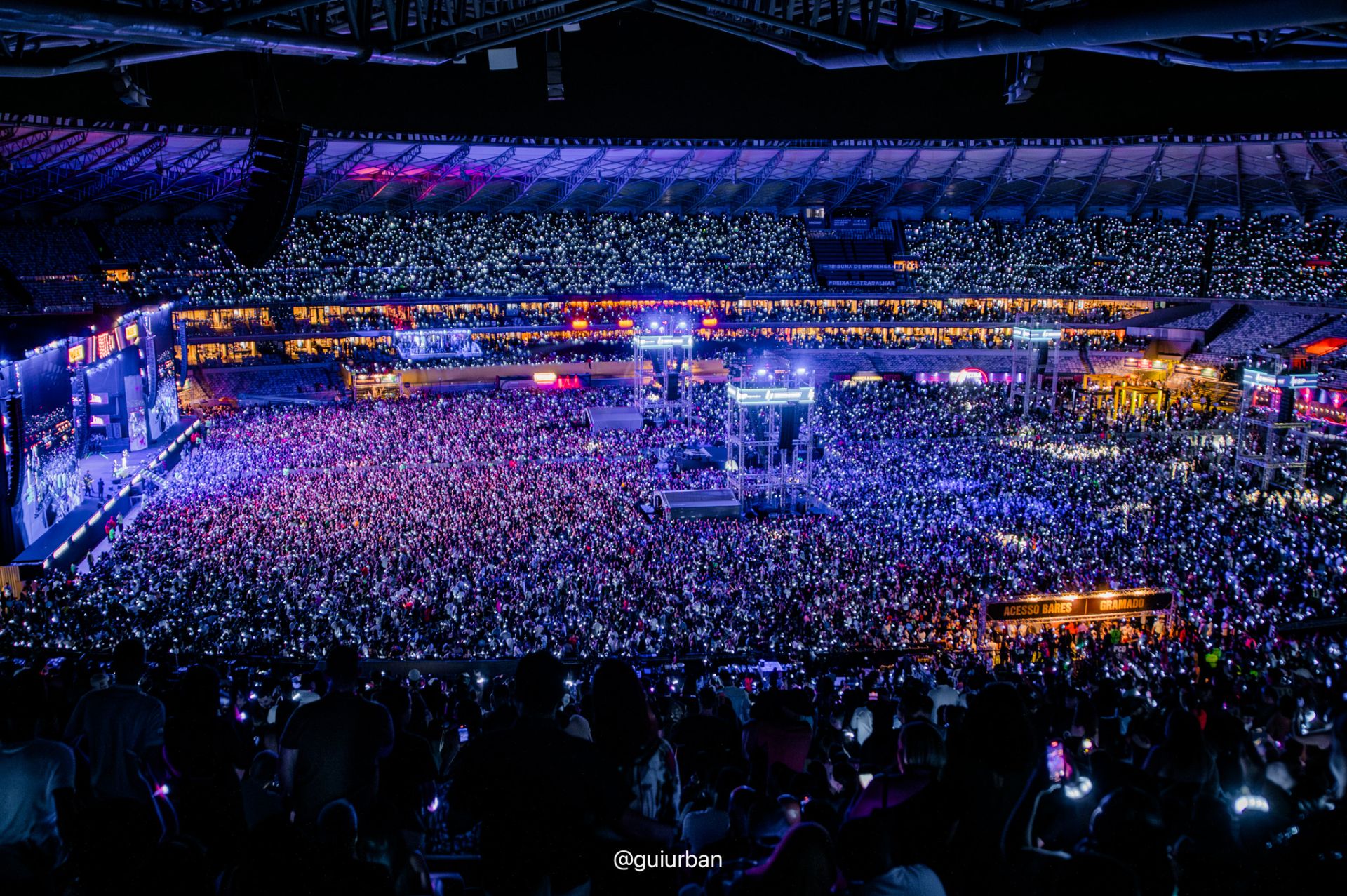
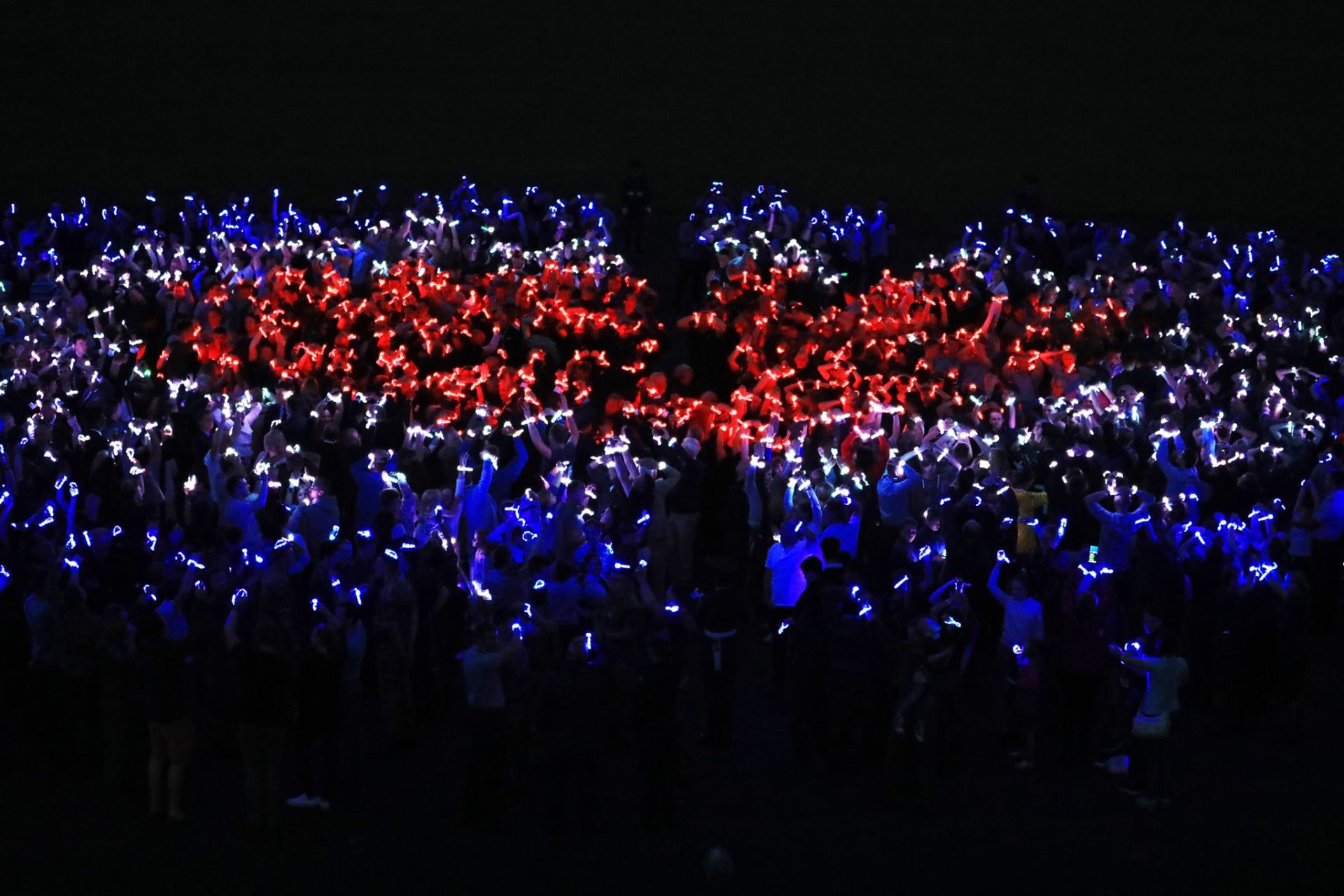
This is where Immersive Event Technology comes into play. Tools like radio controlled LED wristbands and other LED wearables are not merely accessories; they are instruments of connection. When thousands of LED bands light up in perfect synchrony with a musical drop, as seen with artists from Coldplay to Maluma, it creates a powerful visual metaphor for unity. Each individual becomes a pixel in a grander picture, their personal experience directly contributing to the collective spectacle. This act of participation, of being part of the show, deepens the sense of agency and belonging. The audience is no longer just watching the art; they are the art.
The Psychology of Light and Synchronicity
Why is synchronised light so effective? The answer lies in the concept of behavioral synchrony. When people move or act in unison, it fosters feelings of affiliation and cooperation. Research has shown that synchronised action can lead to increased pro-social behavior and group cohesion. In the context of a live event, this translates to a more connected and emotionally resonant experience.
When 80,000 people at a Coldplay show see their Xylo Bands pulse in unison, they are not just seeing a light show. They are part of a shared, rhythmic experience that bypasses the conscious mind and speaks directly to our primal need for community.
This principle extends beyond music. At major sporting events like the Davis Cup or Formula One, LED experiences can unify vast, often divided, crowds. For a moment, team affiliations fade, and everyone is united in a shared visual spectacle. This transforms the emotional texture of the event, layering a sense of wonder on top of the competitive tension. It’s a tool for storytelling, capable of guiding the crowd’s emotional journey from anticipation to celebration.
Crafting Immersive Worlds for Brands and Broadcasters
The power of collective engagement is not lost on brands. Corporate event activations have evolved far beyond branded banners and gift bags. Companies like Samsung, Google, and Nike understand that modern consumers, particularly younger demographics, crave experiences over possessions. Immersive events offer a powerful platform to build genuine emotional connections with an audience.
By creating a sensory-rich environment that invites participation, brands can forge positive associations that last long after the event concludes. Whether it’s through interactive installations, gamified challenges, or stunning LED crowd experiences, the goal is to make the audience feel like a part of the brand’s story. The same psychology applies to broadcast events, from TV game shows like ITV’s *Beat The Chasers* to global spectacles like the Eurovision Song Contest. By turning the studio audience into a vibrant, interactive element with LED bracelets or lanyards, producers add a layer of visual energy that translates directly through the screen, making the home viewer feel more connected to the live action.
The Enduring Power of the Collective
Ultimately, the psychology of audience engagement is the psychology of human connection. In an increasingly digital and often isolated world, the demand for genuine, large-scale communal experiences is stronger than ever. The roar of the crowd, the sea of lights, the feeling of being part of something larger than oneself—these are the moments that create lasting memories.
For artists, producers, and marketers, understanding these psychological drivers is paramount. It’s about more than just deploying the latest wearable LED technology; it’s about using those tools to intentionally design moments of unity, wonder, and shared joy. By treating the audience not as a collection of consumers but as a living, breathing canvas, we can create experiences that don’t just entertain, but resonate on a deep, human level.