The Human Spectrum: A New Vision for Accessible and Inclusive Live Events
The Unspoken Contract of Live Events
There’s an unspoken contract between the artist on stage and the thousands of people in the crowd: for the next few hours, we are all in this together. It’s a promise of a shared journey, a collective escape into sound, light, and story. For decades, this experience was largely monolithic, designed for a perceived majority. But as our understanding of human diversity deepens, the live entertainment industry is waking up to a profound new challenge: how do we ensure that “everyone” truly means everyone?
The conversation around accessibility has thankfully moved beyond simple physical access. It’s no longer just about ramps and accessible seating. Today, it’s about a more holistic, sensory-aware approach to event design. It’s about creating inclusive environments for individuals with sensory sensitivities, neurodivergent attendees, and those with non-visible disabilities. It’s about engineering experiences that can be dialed up or down, offering personalized sensory landscapes rather than a one-size-fits-all sensory onslaught.
Beyond the Physical: Designing for the Sensory Spectrum
A modern live event is a symphony of stimuli. Strobe lights, pyrotechnics, deafening audio, and the sheer kinetic energy of tens of thousands of people can be euphoric for some and overwhelmingly distressing for others. For audience members with autism, PTSD, or sensory processing disorders, this environment can be a significant barrier to entry.
This is where inclusive design principles become paramount. It’s not about diluting the experience, but diversifying it. This can manifest in several ways:
- Sensory-Safe Spaces: Designated quiet zones where attendees can decompress, away from the primary sensory intensity of the main stage.
- Haptic Feedback Systems: Wearable tech, like sub-bass vests, that translates sound into vibration, offering a powerful experience for d/Deaf or hard-of-hearing audience members.
- Variable Intensity Zones: Creating areas within a venue where lighting and audio are intentionally less intense, giving fans more control over their experience.
The goal is to provide agency. When an attendee can modulate their own sensory input, they are empowered to participate fully and comfortably. It’s a shift from a passive audience to an active participant, not just in the show’s energy, but in their own well-being.
Light as a Language: The Role of Wearable LED Technology
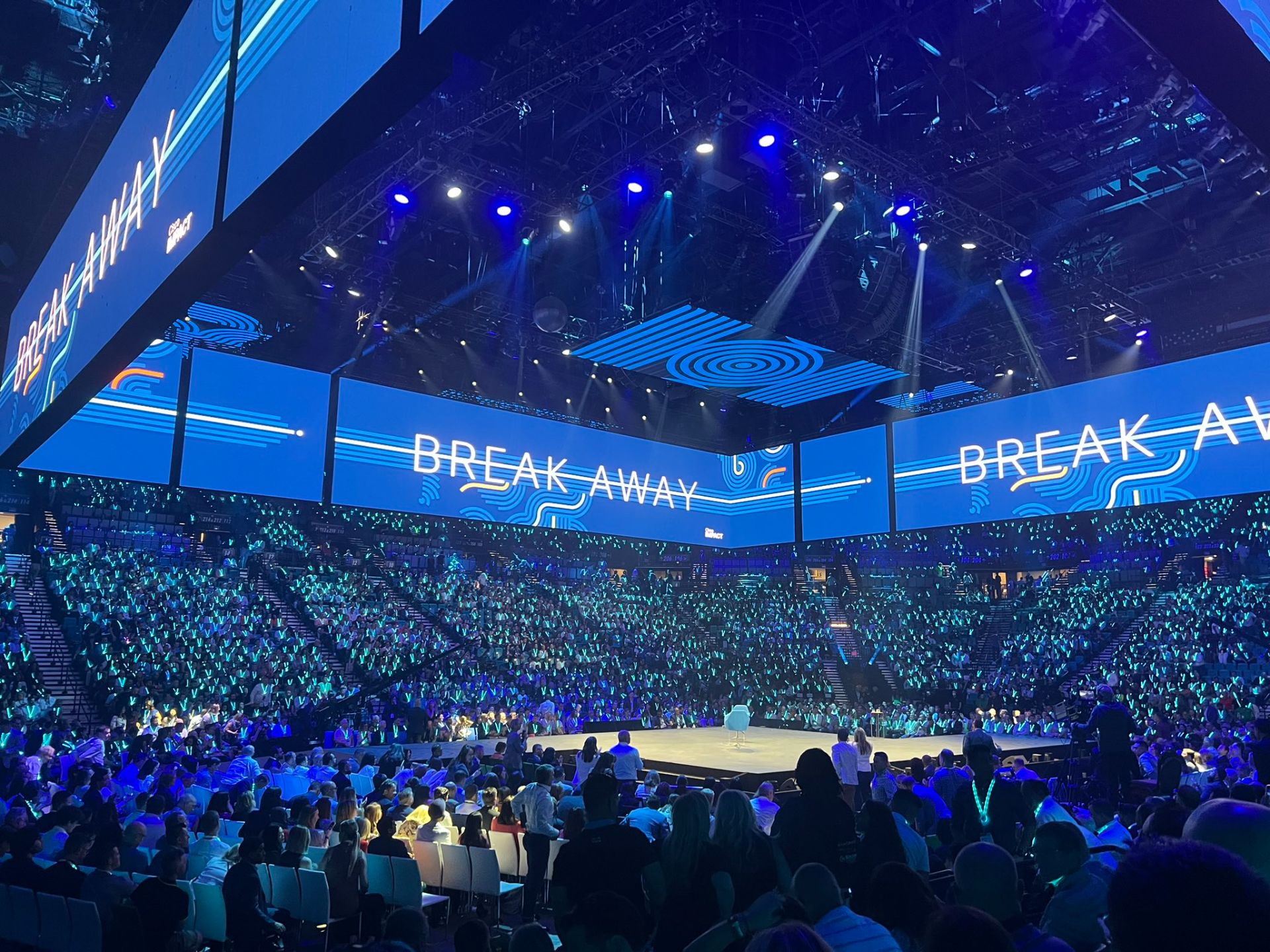
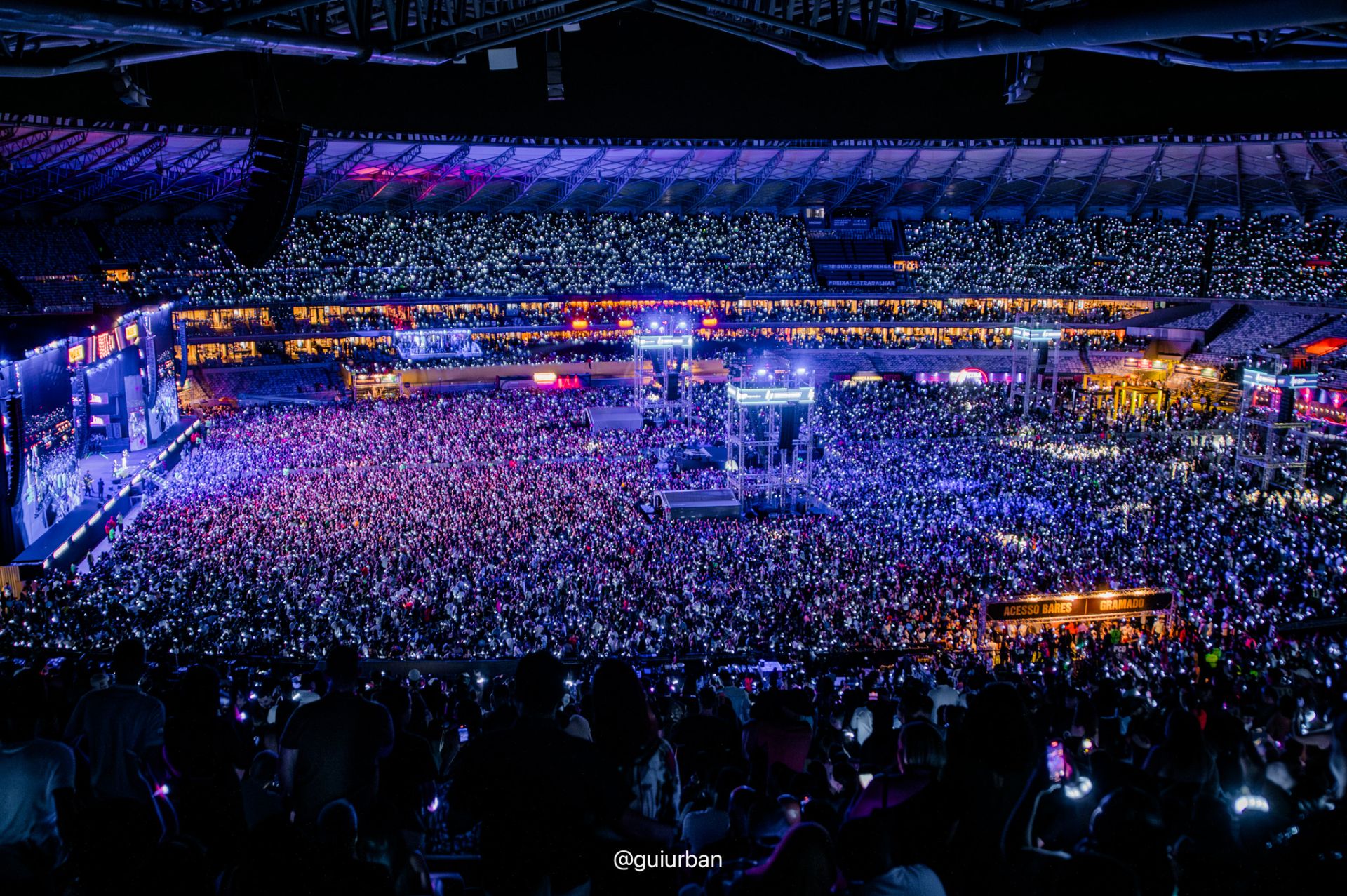
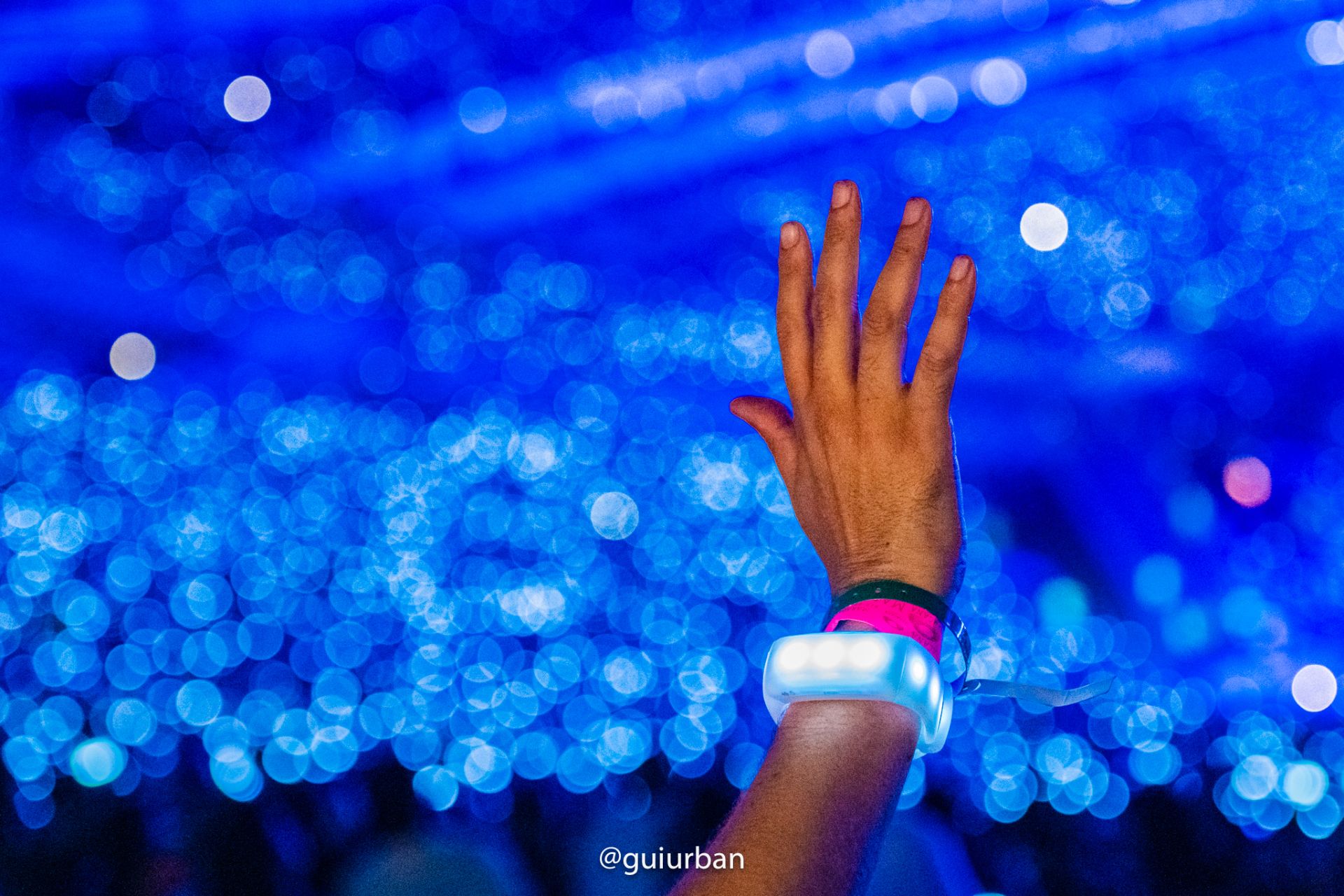
At Xylobands, we’ve spent over a decade exploring the relationship between light, emotion, and the collective audience experience. While our LED wristbands are often associated with high-energy moments—lighting up 80,000 fans during a stadium encore or a festival drop—their potential as a tool for inclusive design is just as compelling.
Light, when controlled and synchronized, becomes a powerful, non-verbal language. It can guide, soothe, and unify in ways that sound cannot. For an audience member who finds loud noises jarring, a synchronized pulse of light across the venue provides a profound sense of connection to the music and the crowd without adding to the auditory load. It’s a shared visual heartbeat.
This is a core element of creating more inclusive immersive events. For example:
- Visual Cueing: For d/Deaf and hard-of-hearing fans, synchronized LED wearables can translate musical dynamics—crescendos, tempo shifts, stops—into visual patterns. A slow, soft fade can signify a ballad, while a rapid, flashing pulse can match the energy of a rock anthem.
- Wayfinding and Safety: In large, dark venues, light can be a simple but effective tool for navigation. Using different colors on LED lanyards or wristbands to denote different sections or exits can reduce anxiety and improve crowd flow.
- Creating Sensory-Friendly Moments: A skilled lighting designer can use wearable tech to create moments of collective calm. Imagine an entire stadium bathed in a slow-breathing, soft blue light during a quiet moment in a set. It’s a shared signal to the nervous system, a moment of communal respite that can be deeply grounding for those with sensory sensitivities.
Putting Theory into Practice: The Mainstream Embrace
The adoption of these principles is no longer confined to niche events. Major broadcasters and production companies are integrating them into mainstream entertainment. Our long-standing work with clients like ITV on primetime shows such as Beat The Chasers demonstrates a growing awareness of the need to craft visual experiences that are engaging and accessible for both the live studio audience and the millions watching at home.
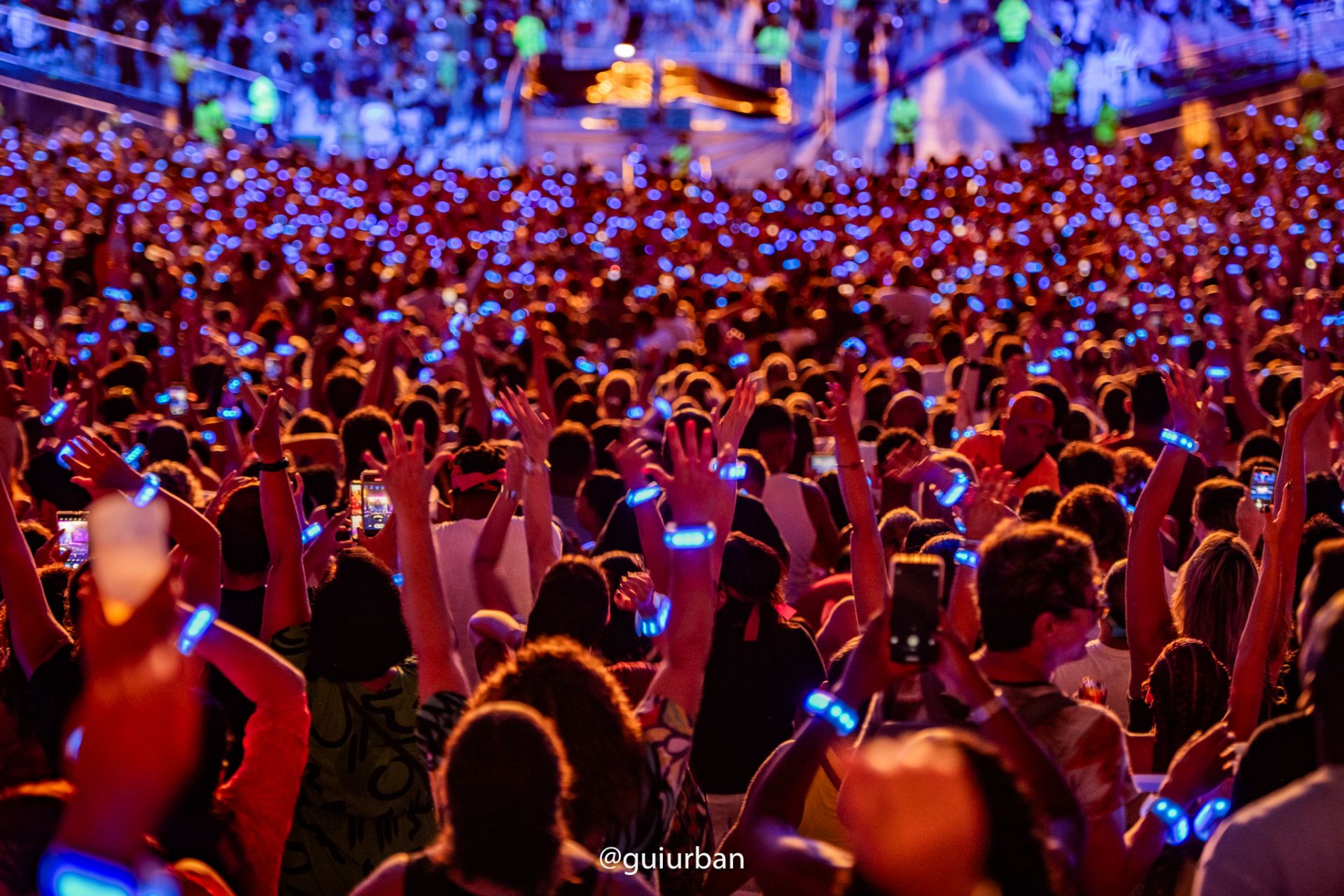
When an entire studio audience is connected through light, it creates a unified visual texture that is both spectacular and surprisingly gentle. Unlike strobes or spotlights, which can be harsh, the distributed light from thousands of LED bands creates a soft, ambient glow that makes the crowd itself a living, breathing part of the set design. This approach to immersive event technology enhances the broadcast without creating a sensory environment that excludes potential audience members.
The Future is Flexible and Human-Centric
The ultimate goal of inclusive design is to make our shared cultural experiences accessible to the widest possible spectrum of humanity. It requires empathy, creativity, and a willingness to challenge the default settings of event production. It means collaborating with accessibility consultants and, most importantly, listening to the communities we seek to serve.
Technology is a powerful enabler in this mission. From radio controlled LED wristbands that can deliver nuanced visual narratives to advanced audio systems that can be tailored to individual needs, the tools are increasingly at our disposal. But technology is only as effective as the intention behind it.
By embracing a philosophy of sensory flexibility and human-centric design, we can move beyond simply accommodating disabilities and begin to truly celebrate the full, diverse spectrum of human experience. We can build events where the only prerequisite for entry is a love for the art, and where the light truly does guide everyone home.