The Invisible Network: A Deep Dive into LED Wristband Technology
The Unseen Connection
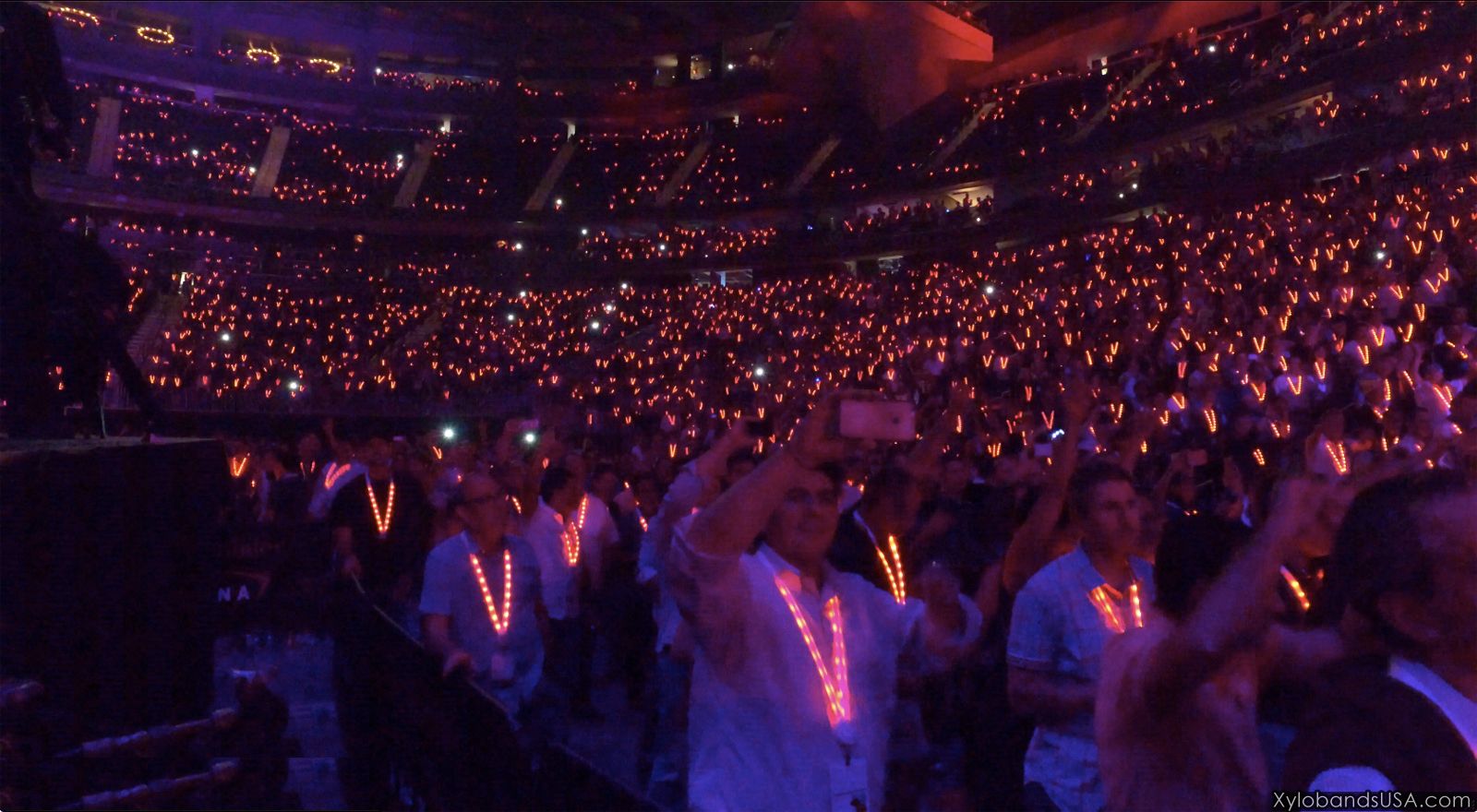
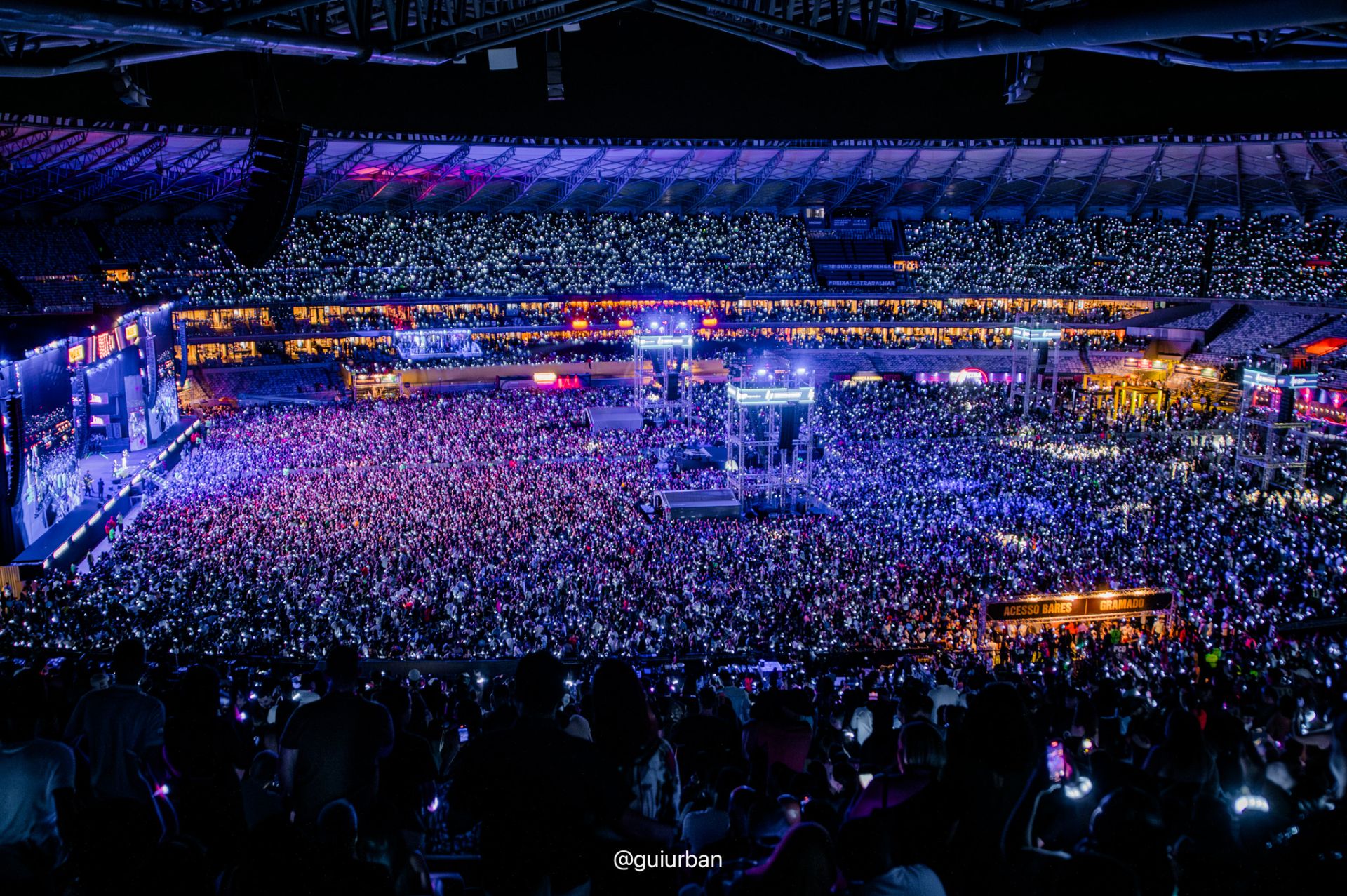
It’s a moment of pure collective alchemy. A stadium of 50,000 fans, a festival field, or an exclusive corporate gathering, suddenly transformed into a single, sentient canvas of light. One moment, the crowd is a sea of individual points of light; the next, a unified, pulsing entity, perfectly in sync with the artist on stage. This is the magic of LED crowd experiences, a spectacle powered by an invisible network of sophisticated technology. But how does it actually work? How can tens of thousands of individual LED wristbands be controlled with such precision and artistry?
The answer lies in a masterful blend of radio frequency (RF), DMX lighting control, and infrared (IR) technology. Each system offers a unique set of capabilities, allowing our teams to design and execute complex, layered, and deeply immersive events for clients from Formula One to Maluma. Let's demystify the technology that powers these unforgettable moments.
The Power of the Airwaves: Radio Frequency (RF) Control
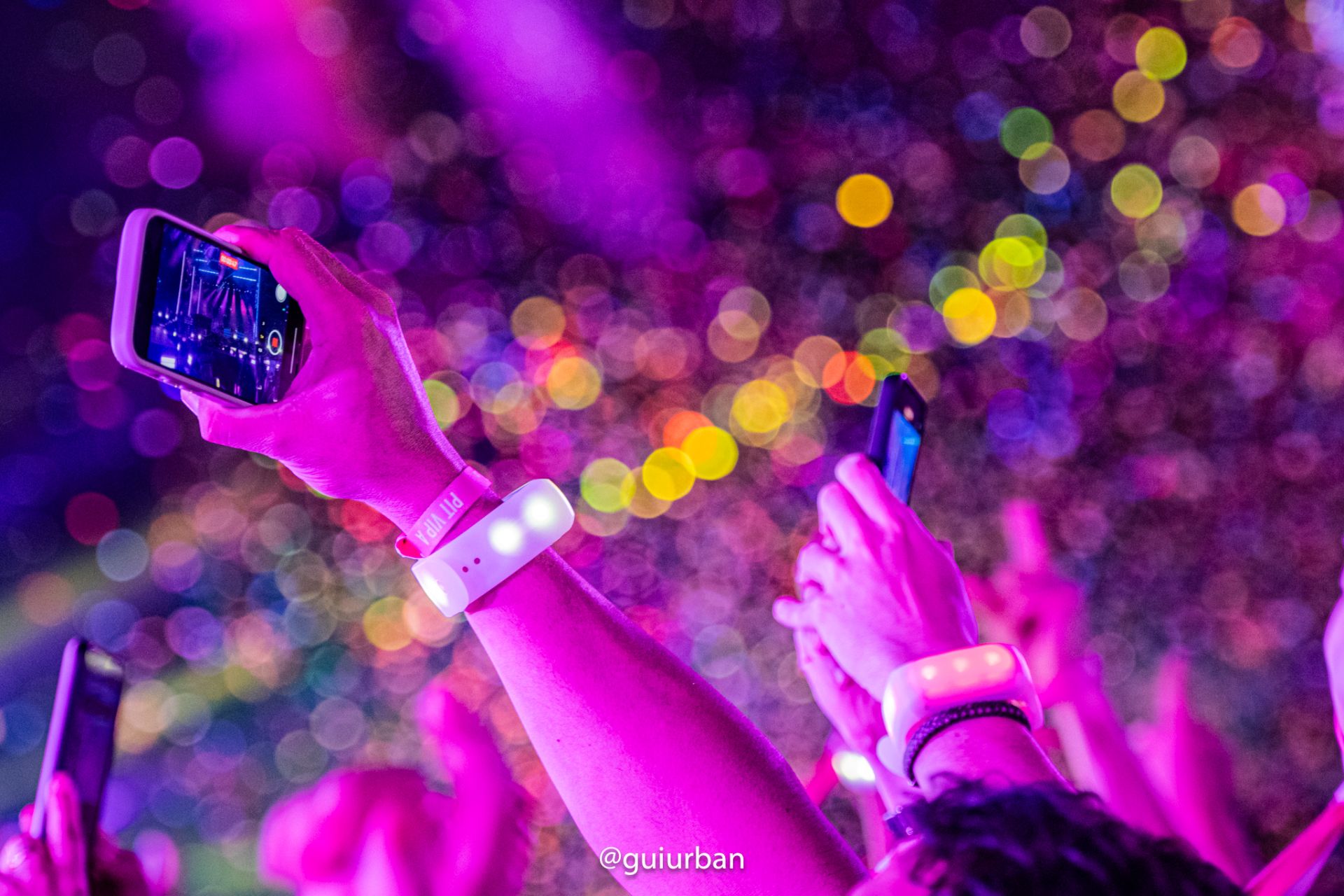
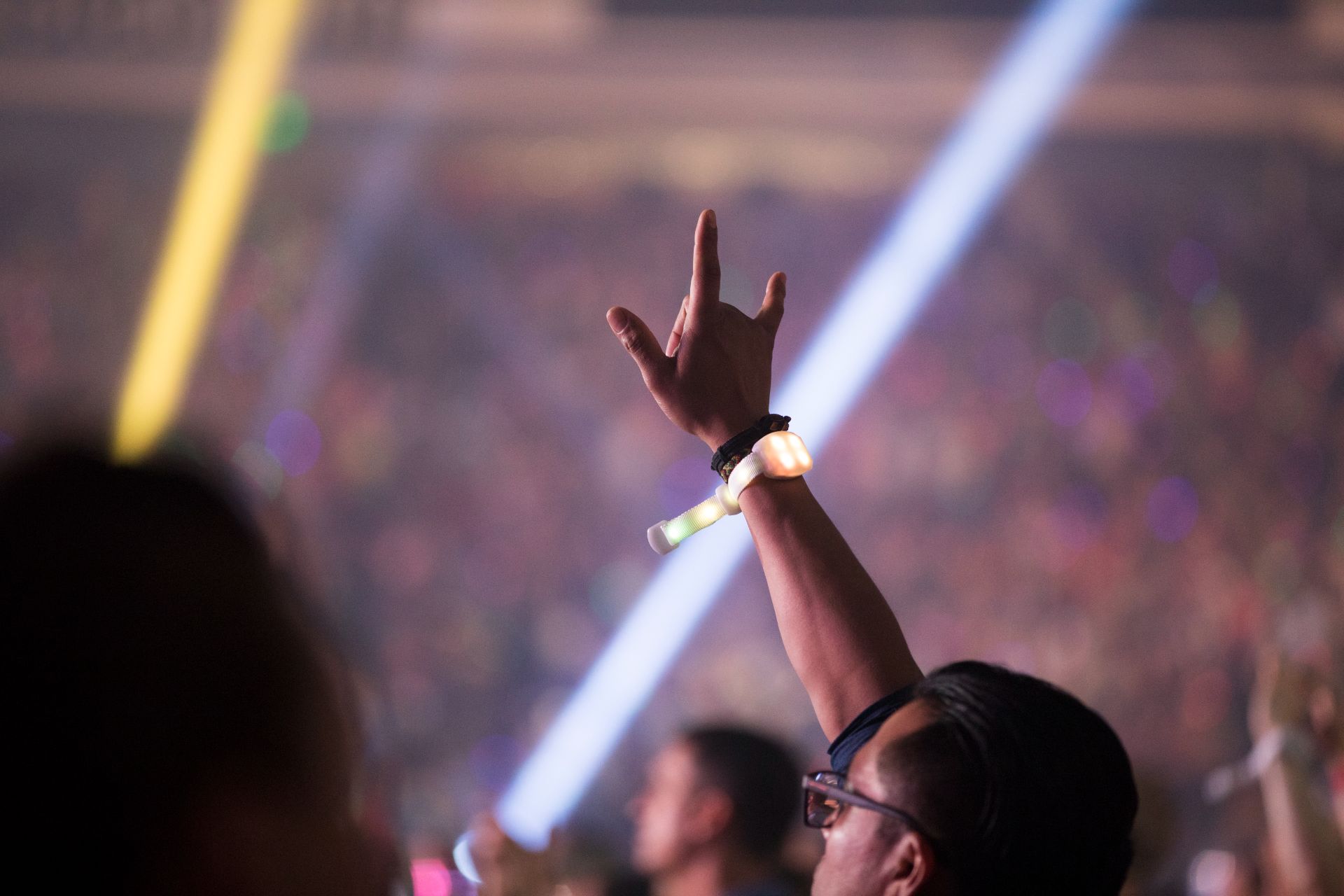
The workhorse behind the vast majority of large-scale LED experiences is Radio Frequency. Think of it as a sophisticated, one-way conversation. A central transmitter, controlled by a lighting director, sends out powerful radio signals across a venue. Every single wristband, from classic Xylobands to our custom LED Lanyards, is equipped with a tiny, sophisticated receiver.
This transmitter broadcasts commands over a designated frequency, telling the wristbands when to light up, what color to display, and when to fade or flash. The beauty of RF is its range and scalability. A single, well-placed transmitter can command hundreds of thousands of devices simultaneously, making it the perfect solution for arenas, stadiums, and sprawling festival sites like Primer Music Festival.
Key Components of an RF System:
- The Transmitter: This is the heart of the operation. Our proprietary software allows a lighting designer to program complex sequences, which are then converted into radio signals by the transmitter.
- The Receiver: Embedded within each wristband, this component is constantly listening for a signal from the transmitter. Once a valid command is received, it instructs the LED to act.
- Zoning: This is where the artistry comes in. Our systems allow for the division of a venue into multiple zones. By assigning wristbands to different groups, a designer can create stunning visual effects, such as waves of color washing across a stadium or specific sections lighting up to highlight a key moment. This transforms the crowd from a monolithic block into a dynamic, pixelated display.
The Language of Light: DMX Integration
While RF provides the broad strokes, DMX is the fine-detail brush. DMX (Digital Multiplex) is the standard protocol used in the professional lighting industry to control everything from stage lights and moving heads to fog machines. By integrating our RF system with DMX, we essentially allow the LED wristbands to speak the same language as the rest of the show’s lighting rig.
This is a game-changer for lighting designers. It means they don’t need a separate, isolated system to control the audience. Instead, the radio controlled LED wristbands become just another fixture in their lighting console. They can be programmed with the same software, triggered by the same cues, and perfectly synchronized with every other lighting element in the show. This seamless integration is what allows for the breathtaking moments of total environmental sync—where the stage, the arena, and the audience all breathe together as one. This level of control is crucial for broadcast events, like our work with the Davis Cup, where every visual element must be camera-perfect.
Close-Range Command: Infrared Triggers
If RF is the wide-angle lens, infrared (IR) is the macro. IR technology operates on a line-of-sight basis and is perfect for creating focused, location-specific interactions. Small, strategically placed IR transmitters can be used to trigger specific wristbands as they come into proximity.
Imagine walking through an event entrance and having your wristband light up with a welcome message. Or approaching a sponsor’s booth and seeing your band flash with their brand colors. This is the power of IR.
This technology is exceptionally powerful for corporate event activations and experiential marketing. It allows brands to create personalized, interactive moments that engage attendees on an individual level. By placing IR transmitters in different zones of a conference or trade show, you can guide attendees, deliver targeted messaging, or create interactive games, turning a passive experience into an active journey. These localized triggers add a layer of personal discovery and surprise to any event, complementing the large-scale spectacle of the main RF system.
The Symphony of Systems
The true mastery of immersive event technology lies not in using one of these systems, but in orchestrating all of them. For a global tour like Coldplay’s, where Coldplay Xylobands have become iconic, our technicians deploy a hybrid system. The main RF transmitter handles the massive, show-stopping moments, painting the entire stadium in unified color. DMX integration ensures those moments are perfectly locked with the on-stage production. And strategically placed IR triggers might be used to create unique effects in specific VIP sections or along entryways.
This multi-layered approach provides unparalleled creative freedom. It allows event producers and designers to think on every scale, from the entire stadium down to the individual attendee. It’s a silent, invisible network that underpins the entire experience, a technological framework designed for one purpose: to dissolve the barrier between the artist and the audience, and to forge a moment of genuine, collective connection. From concert wristbands to wearable LED technology, the goal remains the same: to make every single person in the room part of the show.