The Invisible Network: An Inside Look at RF, DMX, and Infrared-Powered LED Experiences
The Unseen Signal: The Technology That Connects a Crowd
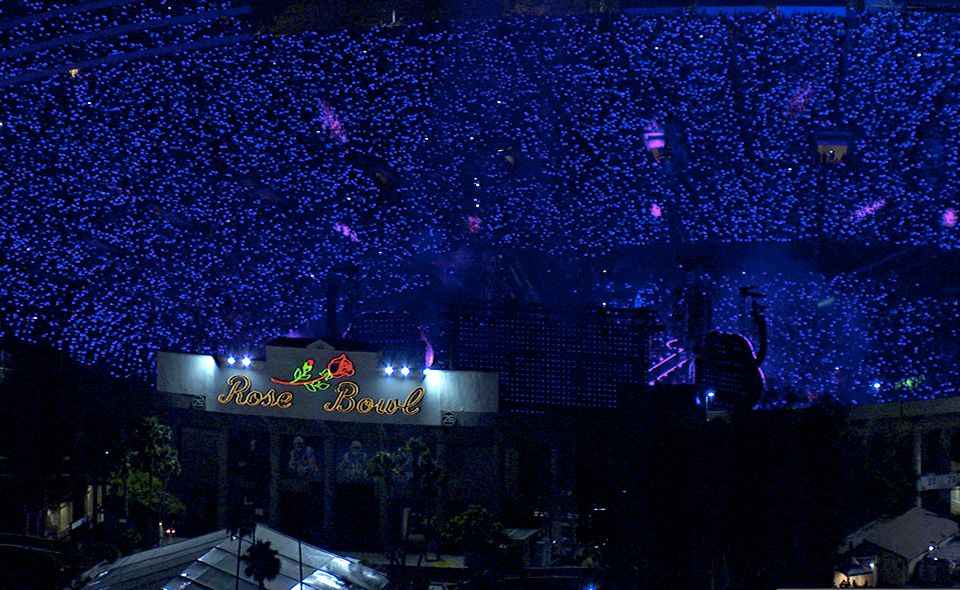
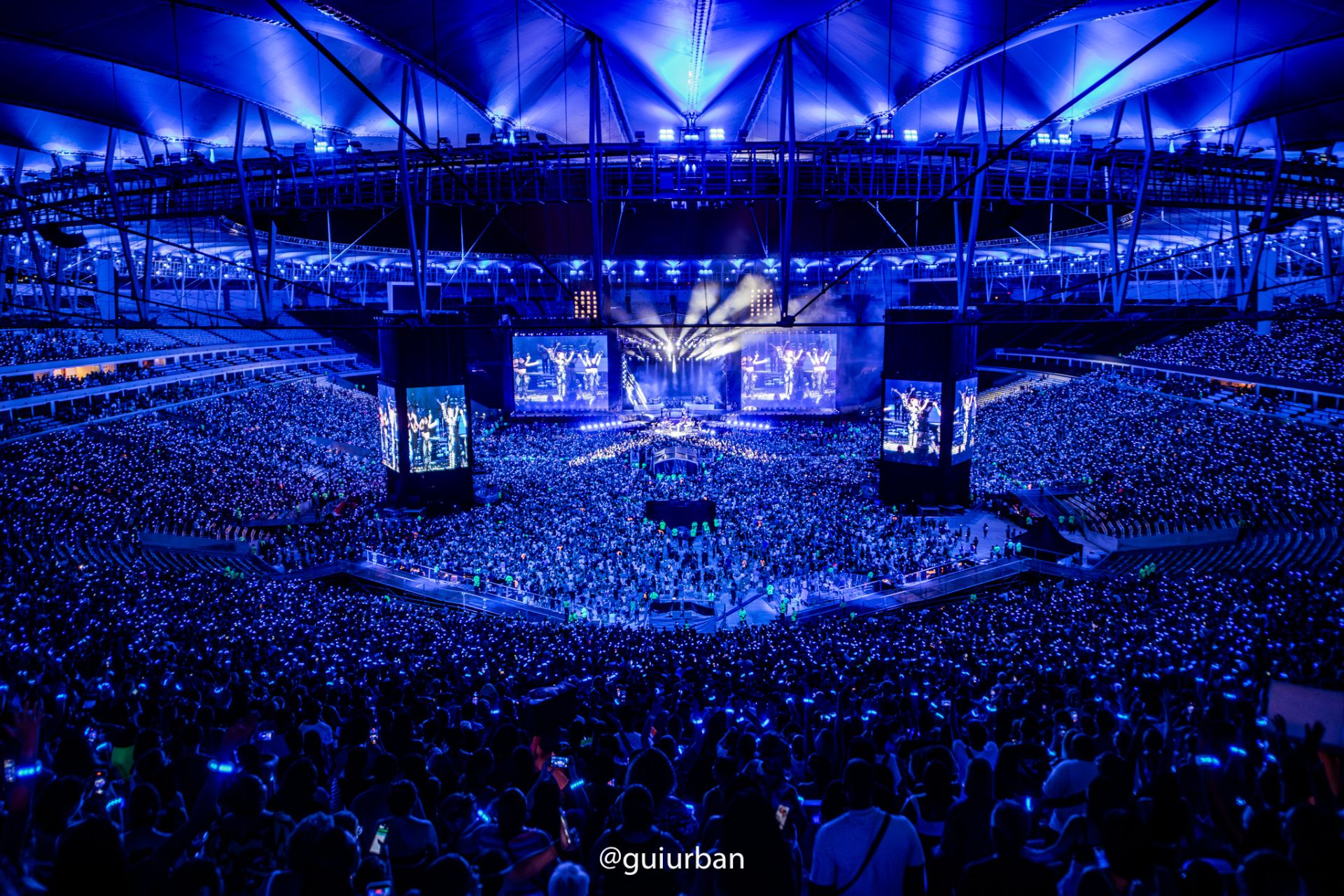
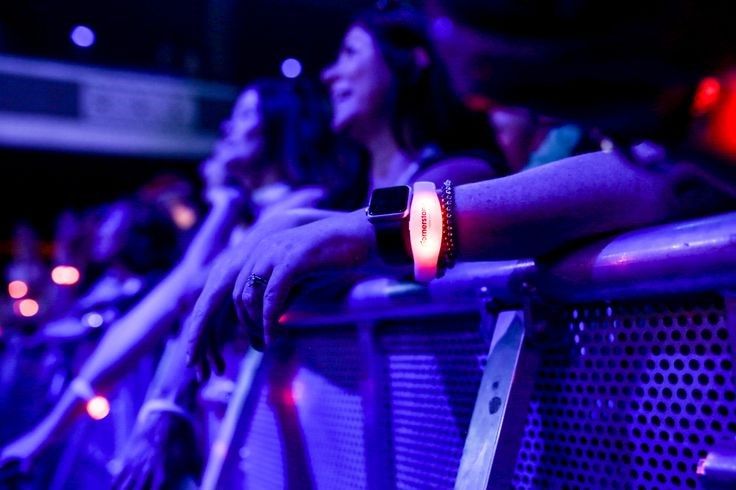
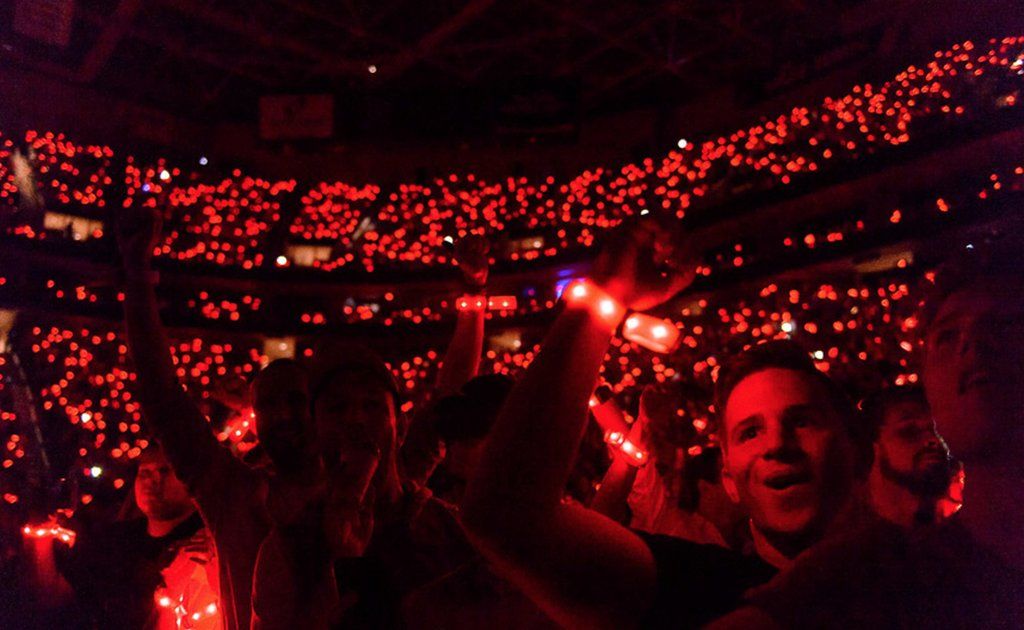
An arena goes dark. A hush falls over fifty thousand people. Then, in a single, silent pulse, every wrist in the venue ignites in a wave of coordinated color. This is the magic of modern LED crowd experiences, a technology that transforms passive audiences into an active, synchronized canvas of light. From sold-out stadium tours for artists like Wizkid and Maluma to major brand showcases for Formula One, the effect is cinematic and deeply unifying.
But behind this seemingly effortless spectacle lies a complex architecture of wireless communication. The "magic" is a finely tuned system of transmitters, receivers, and protocols designed for reliability, speed, and scale. At Xylobands, we deploy a range of technologies to achieve this, primarily centered around three powerful methods: Radio Frequency (RF), DMX, and Infrared (IR). Understanding how each works reveals a world of technical artistry, where the choice of signal is as critical as the creative vision itself.
The Workhorse of the Arena: Radio Frequency (RF)
Radio Frequency is the backbone of most large-scale LED experiences, from festival fields like Glastonbury to massive concerts. It’s a robust and versatile technology capable of sending commands over long distances, making it ideal for the challenging environments of stadiums and open-air venues.
How RF Works for LED Wristbands
At its core, an RF system consists of a central transmitter connected to a control desk (often a lighting desk or proprietary software) and thousands of receivers—the LED wristbands themselves. Here’s a breakdown of the process:
- Command Signal: A lighting designer or show operator sends a command—like "turn all bands red" or "initiate a blue pulse effect."
- Transmission: The transmitter converts this command into a radio signal, which it broadcasts over a specific frequency. This signal radiates outwards, blanketing the entire performance area.
- Reception & Execution: Each Xyloband contains a tiny RF receiver programmed to listen on that specific frequency. When a wristband picks up the signal, its internal processor decodes the command and instantly triggers the corresponding action in its LEDs.
The true power of RF lies in its ability to manage zones. Before an event, wristbands can be programmed into different groups. This allows operators to create complex, dynamic effects: one side of the stadium glows blue while the other glows white during a Davis Cup match, or different seating sections flash in alternating patterns. The transmitter can address all bands simultaneously or target these specific zones, giving creative teams an incredible palette to work with.
RF technology is engineered for scale and resilience. It penetrates obstacles like bodies and staging, ensuring that a command reaches the back row of a stadium just as reliably as the front. It’s the unseen network that unites tens of thousands of individuals into a single, cohesive visual.
The Language of Light: DMX Integration
While RF is the delivery mechanism, DMX (Digital Multiplex) is the language spoken by the professional lighting industry. Originating in the world of theatrical and concert lighting, DMX is a standard protocol that allows lighting consoles to communicate with fixtures like moving heads, strobes, and—in our case—RF transmitters. Integrating our system with DMX is non-negotiable for any serious tour or broadcast event.
Why DMX Matters for Immersive Event Technology
Instead of operating the wristbands from a separate laptop, DMX integration allows the show’s lead lighting director to control the crowd’s LED bands directly from their master console. This is a game-changer for creative cohesion.
The lighting director can now program the wristbands as if they were another set of lights in their rig. They can build cues that perfectly synchronize the crowd with the on-stage lighting, video content, and pyrotechnics. This seamless workflow means the audience becomes a dynamic, living extension of the entire production design. When you see a wave of light travel from the stage, across the crowd, and up to the back of the arena, you are seeing the power of a DMX-controlled RF system at work.
Precision in Proximity: The Role of Infrared (IR)
Radio Frequency is excellent for covering vast areas, but what about when you need to trigger effects in a very specific, contained location? This is where Infrared (IR) technology comes in. Unlike RF, which broadcasts widely, IR is a line-of-sight technology that sends a focused, invisible beam of light to a receiver.
How IR Triggers Work
You use IR technology every day with your television remote. Our application is just a more powerful, targeted version of the same principle:
- IR Emitters: We place compact IR transmitters at strategic points within a venue—for example, over a doorway, along a specific walkway, or aimed at a particular seating block in a TV studio like for ITV’s Beat The Chasers.
- Targeted Activation: When a guest wearing a wristband passes through the beam of a specific emitter, the IR receiver in their band picks up its unique signal.
- Programmed Response: This signal can trigger a pre-programmed effect. A guest walking into a specific zone at a corporate event activation might have their wristband light up with the sponsor’s brand colors. In a game show, the wristbands of one team’s supporters could be made to flash when their team scores.
This allows for a layer of personalized, location-based interaction that RF alone cannot achieve. It’s a powerful tool for creating interactive journeys, segmenting audiences in real-time, and adding an element of surprise to immersive events. We can even combine technologies, using RF for the macro, crowd-wide moments and IR for the micro, individual interactions.
The Art and Science of the Signal
Choosing between RF, DMX, and IR isn’t a matter of which is "best," but which is right for the creative objective and the physical environment. A global concert tour might rely on a robust, DMX-integrated RF system to paint a stadium-sized canvas. A multi-room brand experience might use a network of IR triggers to create a unique path for every guest. A live TV broadcast might use a combination of both to ensure every person in the studio and at home sees a perfectly orchestrated show.
The ultimate goal of this wearable LED technology is to become invisible. The hardware, the frequencies, and the protocols should disappear, leaving only the experience—the collective gasp as an entire festival crowd lights up in unison, the shared sense of belonging, and the unforgettable story told in light.