The Perpetual Prototype: A Manifesto for R&D in Live Events
The Unseen Engine of Wow
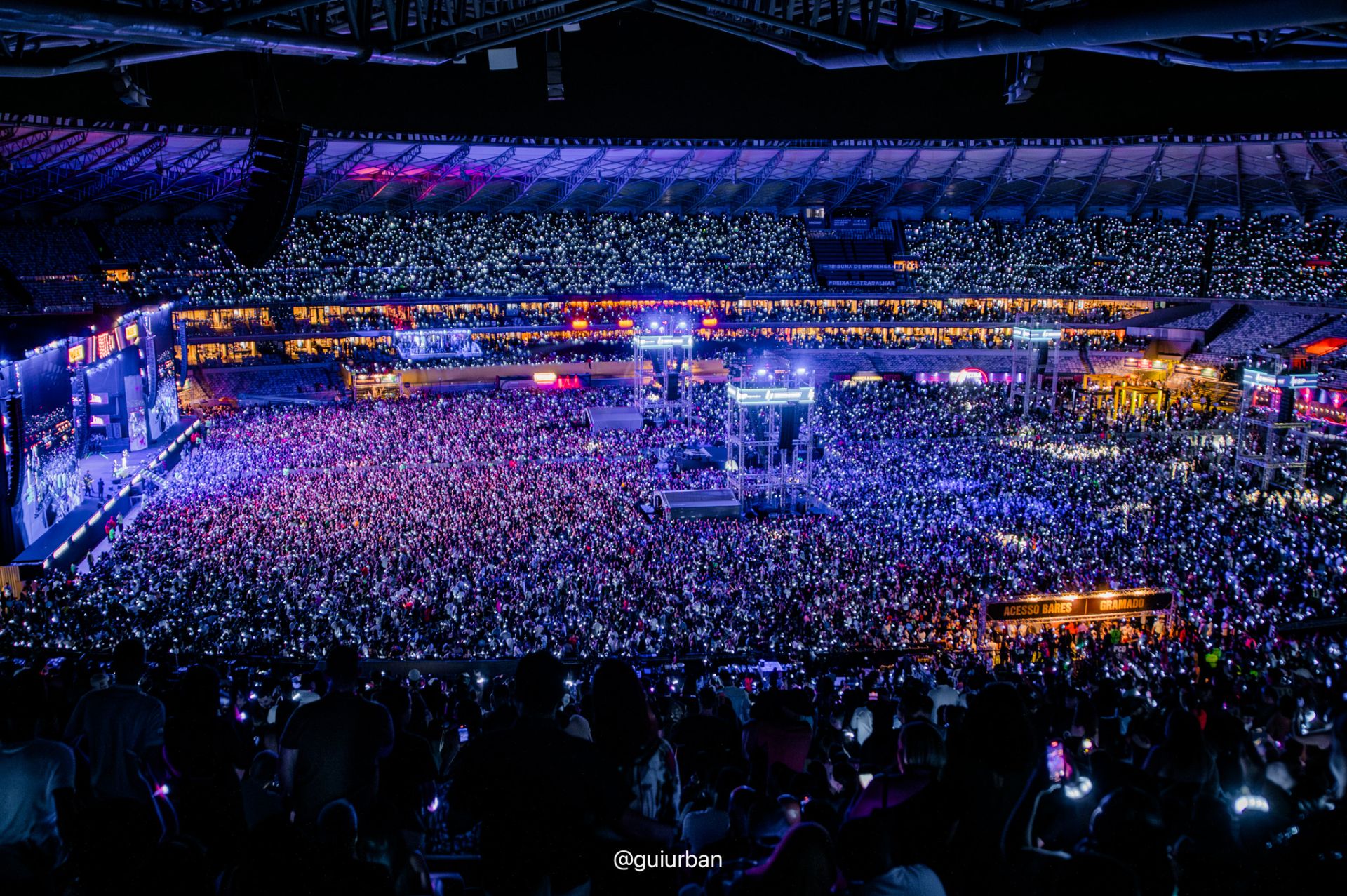
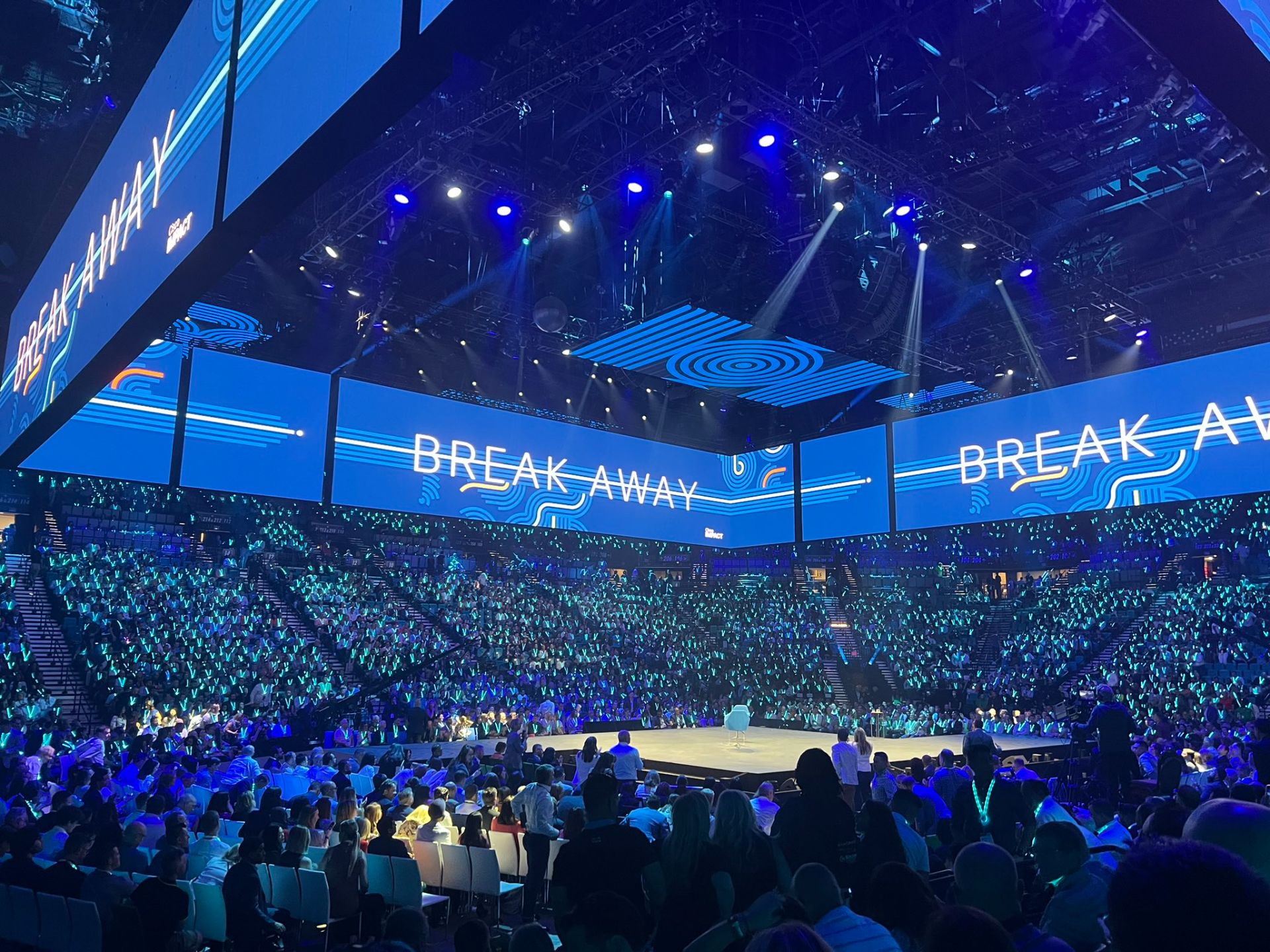
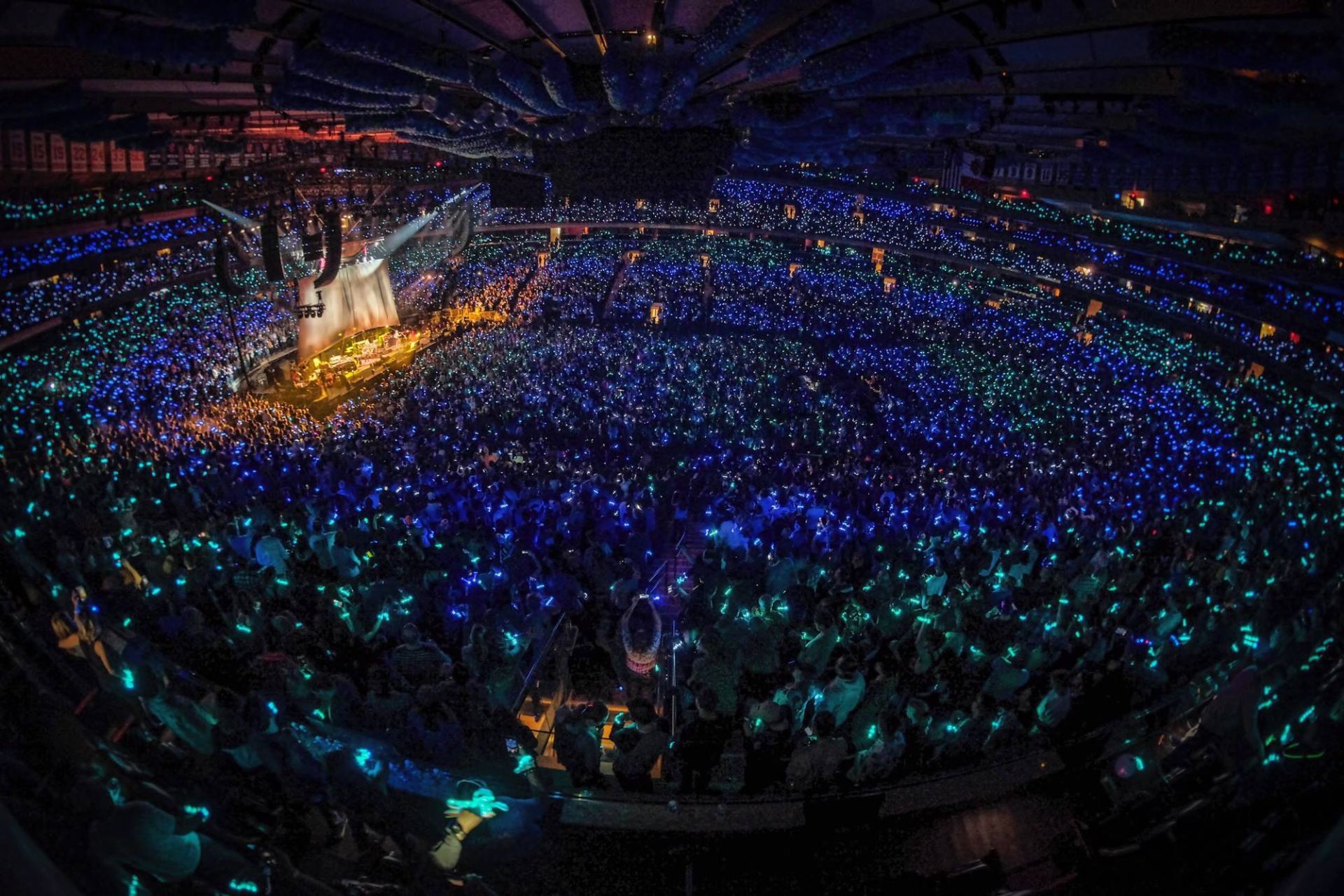
In the high-stakes world of live entertainment, the most memorable moments often feel like magic. A stadium suddenly engulfed in a sea of synchronized light, a crowd of thousands moving as one, a brand activation that feels less like marketing and more like a shared, personal experience. But behind every moment of collective awe is an unseen engine: a relentless, disciplined, and often obsessive culture of research and development.
For brands like ours, the show isn’t just the performance; it’s the proving ground. Every event, from a global broadcast for Formula One to an intimate corporate gathering, is an opportunity to test, refine, and push the boundaries of what’s possible in immersive event technology. This isn’t about simply manufacturing a product; it’s about engineering an experience. It’s a philosophy that treats every production as a perpetual prototype.
From a Festival Field to a Global Phenomenon
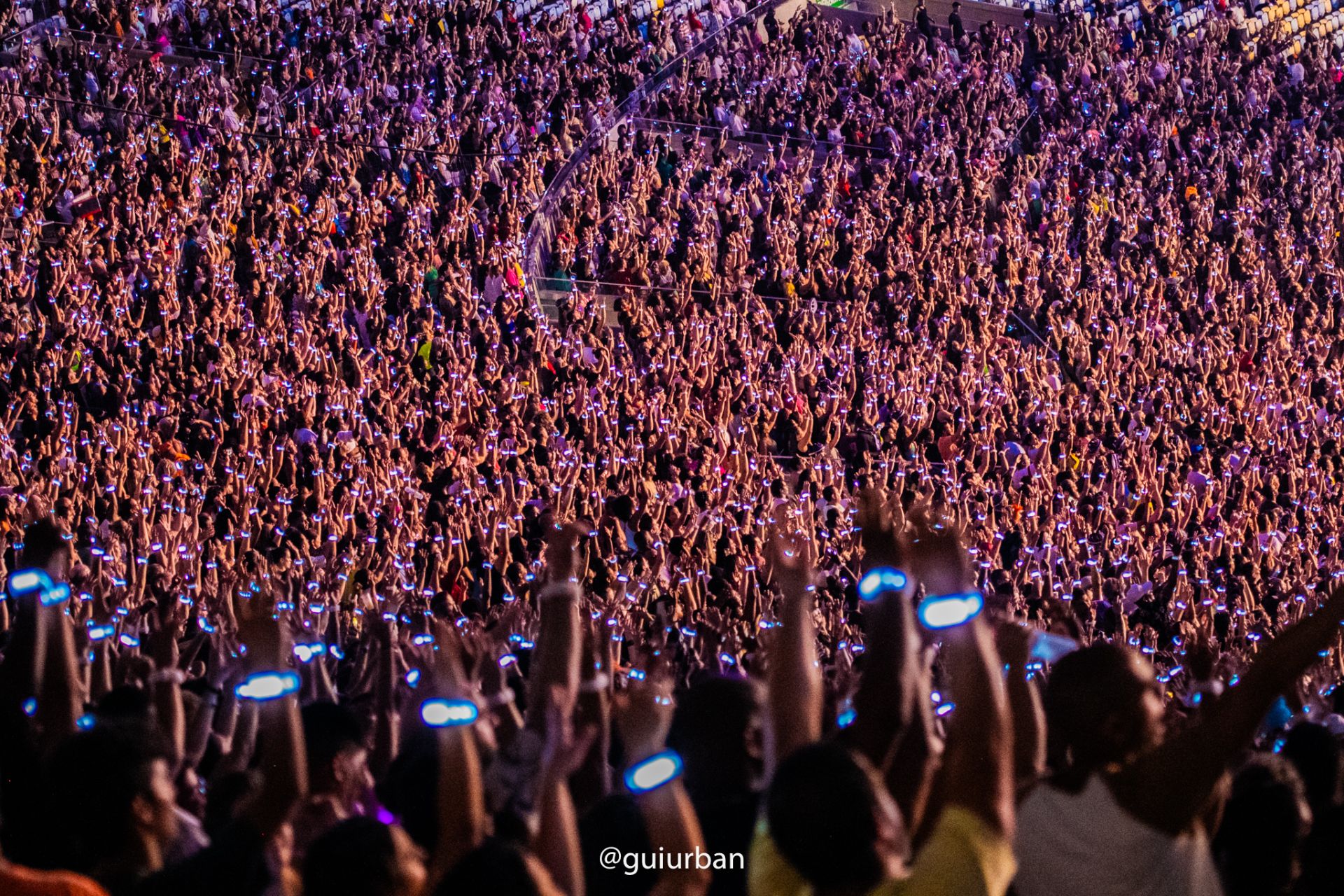
The origin of Xylobands is a testament to this mindset. It began not in a boardroom, but with a moment of inspiration at Glastonbury Festival. Watching Coldplay perform, our founder, Jason Regler, envisioned a crowd that wasn’t just observing the show but was an integral part of it. The idea of "lights will guide you home" sparked the concept of radio-controlled LED wristbands, transforming a passive audience into a living, breathing canvas of light. That initial concept, born from a genuine fan experience, became the seed for a decade of innovation.
The journey from that initial spark with the Coldplay Xylo Band to a global technology company powering events in over 70 countries was fueled by a commitment to constant evolution. The first-generation LED bands were revolutionary, but they were just the beginning. The real work lies in what happens after the initial success: the iterative improvements in battery life, the expansion of RF control range, the development of new form factors like LED Lanyards and LED Orbs, and the refinement of our software to allow for ever more complex and nuanced lighting designs.
The Lab is a Live Show
A corporate boardroom or a sterile R&D lab can only simulate the chaotic, unpredictable environment of a live event. The true test of any LED event technology comes when it’s in the hands of thousands of people, under the immense pressure of a live broadcast or a stadium show. This is our laboratory.
Consider the technical demands of a major touring artist like Wizkid, selling out The O2 Arena for three consecutive nights. This isn’t just about providing concert wristbands; it’s about ensuring flawless execution on a massive scale. Our teams are on the ground, observing crowd flow, monitoring signal strength in a dense urban environment, and gathering data that feeds directly back into our development cycle. The debut of our Xyloband Lite on that tour wasn’t a gamble; it was the result of countless hours of prior testing, with the tour itself serving as the ultimate real-world validation.
Similarly, creating custom pendants for Formula One’s 75th-anniversary event required more than just manufacturing. It demanded a deep dive into the client’s creative goals, resulting in a unique piece of wearable LED technology designed for a globally broadcasted, multi-brand environment. Each team, hospitality level, and fan group had their own branding, all integrated into a singular, cohesive light show. The logistics of distributing these pieces to specific seats for maximum visual impact was, in itself, an R&D challenge in crowd management and technical deployment.
A Culture of "What If?"
A true R&D culture isn’t just about scheduled product updates; it’s about fostering an insatiable curiosity across the entire organization. It’s about engineers, technicians, and project managers who are constantly asking, "What if?"
- What if we could increase the density of our lighting effects for broadcast television, as we’ve done for shows like Beat The Chasers UK and The Masked Singer?
- What if we could create festival wristbands that not only light up but also gather anonymized data to help producers understand crowd movement and improve safety, a key consideration for large-scale events like Primer Music Festival?
- What if our LED crowd experiences could be more interactive, responding not just to a central command but to localized triggers or even audience gestures?
"Innovation in this industry doesn’t come from a place of comfort. It comes from the front lines of live production, from solving the immediate, high-pressure challenges that no one else has solved yet. It’s a process of perpetual refinement."
Beyond the Glow: The Future of Immersive Events
The future of immersive events lies in deeper integration and more personalized experiences. The evolution from simple, synchronized flashes to complex, layered visual symphonies is just the start. The next frontier involves integrating wearable LED technology with other event systems—sound, video, and even social media—to create a truly holistic and reactive environment.
This relentless cycle of innovation is what separates a supplier from a technology partner. It’s the understanding that the product is never truly "finished." From powering corporate event activations for brands like Samsung and Google to lighting up massive sporting spectacles for the Davis Cup or FIFA, the goal remains the same: to use technology to deepen human connection and create unforgettable shared moments.
The next time you find yourself part of a breathtaking light show, remember the unseen engine driving it. It’s a culture of perpetual R&D, where every cheer, every beat, and every flash of light is a data point in the ongoing mission to design the future of live experiences. The show must go on, but more importantly, it must always evolve.