The Second Spectacle: Engineering the Modern Halftime Show
The Halftime Show is Not an Intermission
For decades, the halftime show was just that: a break. An interlude for fans to grab a hot dog while a marching band held the field. Today, it’s a full-blown main event—a multi-million dollar production condensed into 15 minutes of high-stakes, high-tech spectacle. It’s a broadcast-within-a-broadcast, a concert-within-a-game, and a powerful platform for brand storytelling. For event producers and choreographers, the modern halftime show is one of the most complex and rewarding challenges in live entertainment.
The Two-Game Strategy: Live and Broadcast
The core challenge of the modern halftime show is that you are producing for two entirely different audiences simultaneously: the thousands of fans in the stands and the millions watching at home. The choreography of light and performance must serve both.
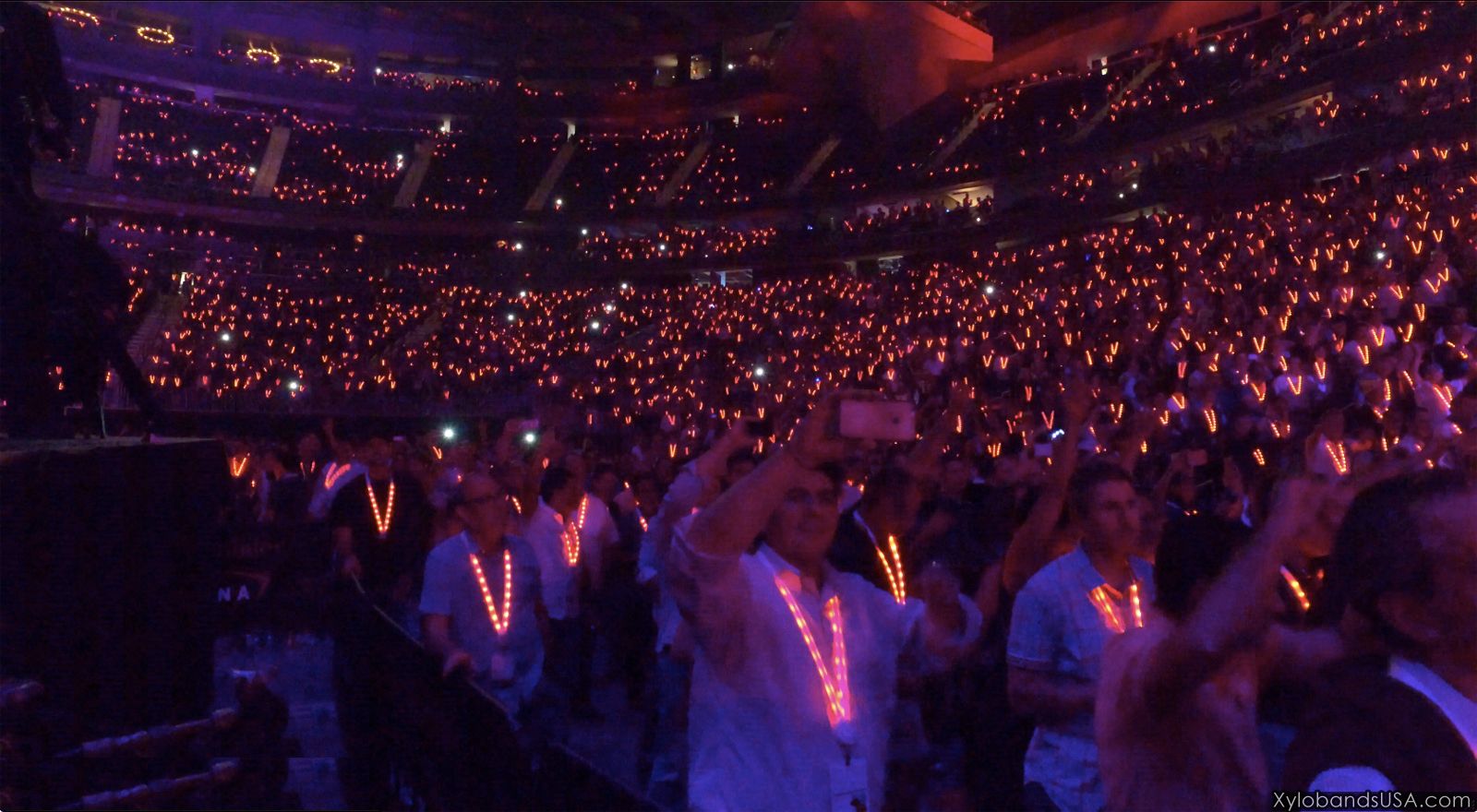
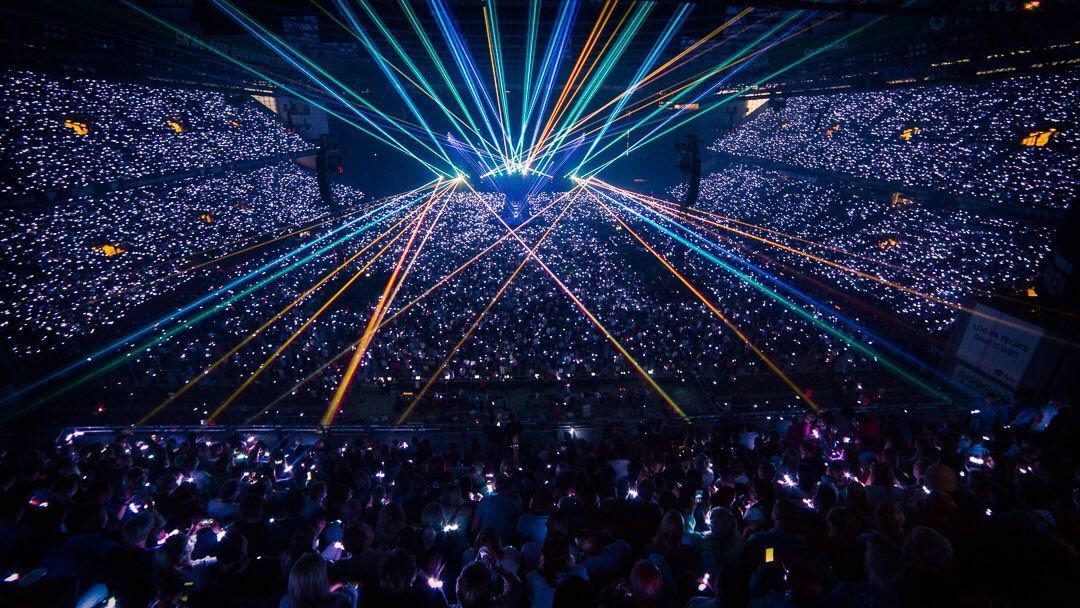
For the stadium audience, the goal is visceral immersion. This is about scale, energy, and creating a sense of unity. This is where LED crowd experiences come into play. By turning every fan into an individual pixel in a stadium-sized canvas, technologies like Xylobands’ radio-controlled LED wristbands allow designers to paint with light on a massive scale. The crowd isn't just watching the show; they are the show. This transforms passive spectators into an active part of the performance, creating those unforgettable, large-scale visual moments that define major sporting events like the Davis Cup or Formula One’s 75th-anniversary celebration.
“The stadium becomes a living, breathing entity. The energy is no longer just on the field; it’s in every seat, on every wrist. That’s the magic of creating a truly immersive event.”
For the broadcast audience, the focus shifts to the frame. The camera is an unforgiving narrator. What looks epic from the cheap seats can appear chaotic or underwhelming on screen without precise planning. Every camera angle, every pyro hit, every lighting cue must be blocked and timed with the broadcast in mind. This is where the technical precision of immersive event technology becomes paramount. The ability to program complex, high-speed lighting sequences that sync perfectly with music and camera cuts is what separates a good show from a legendary one.
The Choreography of Light: More Than Just a Light Show
In sports entertainment, lighting is not just illumination; it's narrative. It guides the emotional arc of the halftime show, builds tension, and delivers payoff. The choreography is no longer just for the dancers on the field; it’s for the light itself.
Key Principles of Halftime Light Choreography:
- Team Colors as Narrative: The simplest and most powerful tool. Using light to flood the stadium in one team’s colors after a touchdown, or creating dynamic, battling color sequences during a player introduction, instantly connects the visual experience to the game’s narrative.
- Pulsing and Syncopation: Syncing the entire stadium’s LED bands to the beat of the headline artist’s track creates a powerful, unifying rhythm. It’s a technique borrowed from music festivals like Primer and perfected in the sports arena, turning tens of thousands of individuals into a single, cohesive organism.
- The Reveal: Using darkness and an explosive burst of light and color to reveal the headline artist is a classic but effective technique. With wearable LED technology, this moment is amplified, as the entire stadium can go dark before erupting in a synchronized flash of light, making the reveal a stadium-wide event.
From Field to Fan: The Logistical Sprint
The logistical operation behind a halftime show is a masterclass in precision and speed. A crew of hundreds has mere minutes to deploy and strike a multi-million dollar stage, audio system, and lighting rig. Every second is meticulously planned. This zero-failure mandate extends to every piece of technology involved.
For systems like Xylobands, this means robust RF (Radio Frequency) technology that can cut through the incredibly dense and noisy wireless environment of a modern stadium. It means a deployment strategy that ensures every fan, from the front row to the highest tier, gets their device and that it activates flawlessly on cue. We’ve honed this process over a decade and more than 10,000 events, from corporate event activations to global broadcasts like the FIFA World Cup and Eurovision, understanding that the technology is only as good as its execution.
The Future of Fan Engagement
The halftime show has cemented its place as a pillar of modern sports entertainment. It’s a space where the raw emotion of sport collides with the spectacle of live music and the precision of LED event technology. As technology evolves, so will the creative possibilities. We are moving beyond simple light shows and towards truly interactive experiences where the crowd’s energy can be measured and reflected in the lighting design in real-time. The spectacle is no longer confined to the field of play. It’s in the stands, on the wrists of every fan, and broadcast to the world. It’s the second game, and it’s just as exciting as the first.