The Second Sunset: A Guide to the Modern Encore
The Encore Paradox: An Ending That Demands a New Beginning
The house lights dim, the final chord still hanging in the air. A collective breath is held, followed by an eruption of applause, stomping feet, and roaring voices. This isn’t just noise; it’s a negotiation. The show is over, but the experience isn’t. This is the sacred space between the planned setlist and the encore—a moment of pure, unscripted connection between artist and audience.
For event producers, tour managers, and the artists themselves, the encore is the final, most crucial act of storytelling. It’s the last chance to burn a memory into the minds of the audience, the moment where a great show becomes legendary. But in an era of immersive technology and rising audience expectations, what does it take to craft an encore that truly resonates?
From Lighters to LEDs: The Architecture of the Modern Encore
The tradition of the encore is rooted in a simple, human desire: don’t let this feeling end. Historically, this was signaled by the audience holding lighters aloft—small, scattered flames creating a sea of light, a visual plea for one more song. That raw, participatory spirit remains the foundation of a great encore, but the tools at our disposal have evolved dramatically.
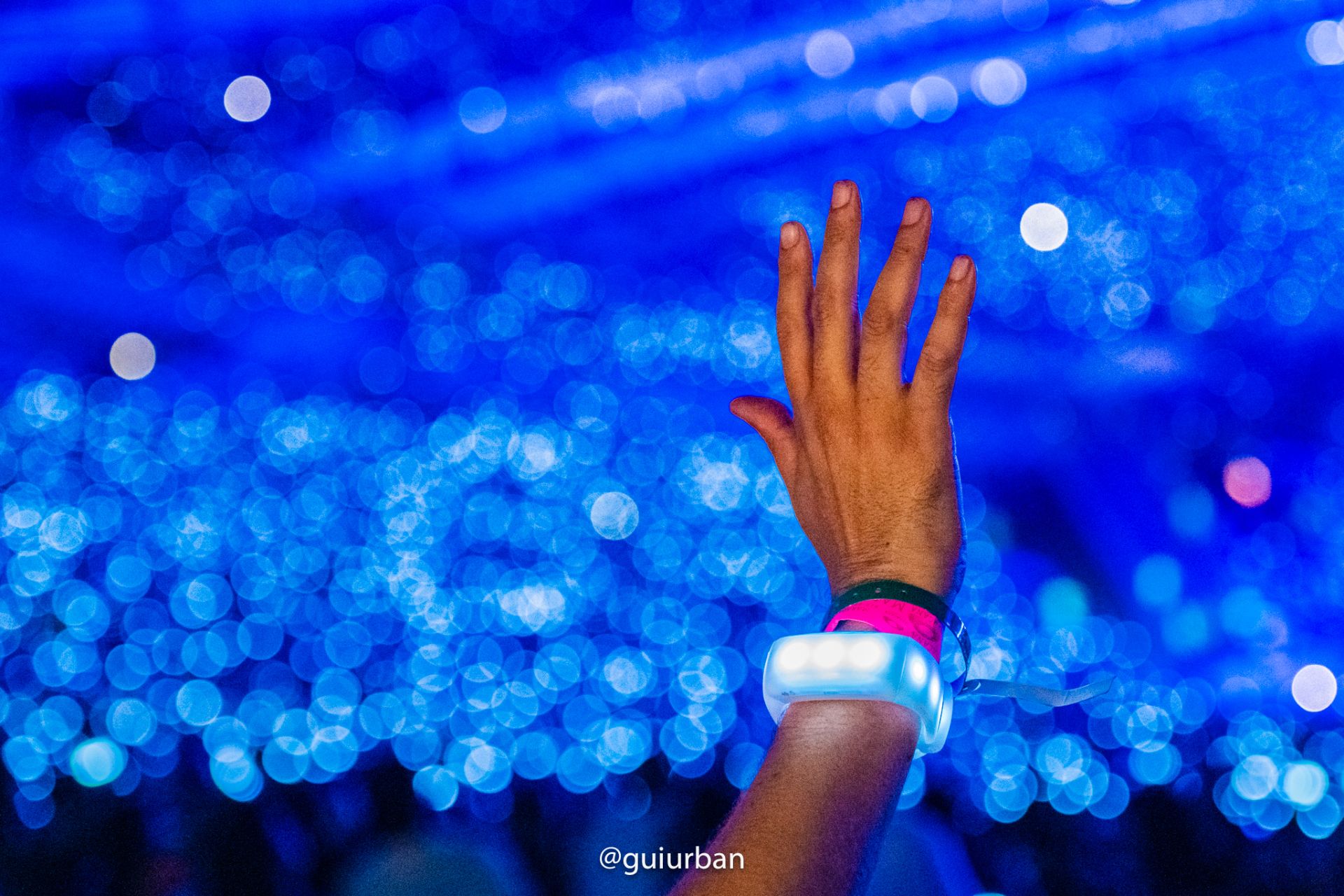
Today, that sea of flames has transformed into a dynamic, controllable canvas. Wearable LED technology, pioneered by Xylobands on Coldplay’s Mylo Xyloto tour, has redefined the encore from a passive request to an active, explosive final act. Imagine the final notes of the main set fading out, plunging the stadium into darkness and silence. Then, as the first roar for an encore begins, thousands of wrists—previously dark—begin to pulse with a soft, unified heartbeat of light. The audience isn’t just asking for more; they’ve become the catalyst for the show’s final chapter.
This is the core principle of the modern encore: the audience is not a spectator; they are the medium. The final act should not be performed *for* them, but *with* them.
Case Study in Light: Maluma's Medellín Homecoming
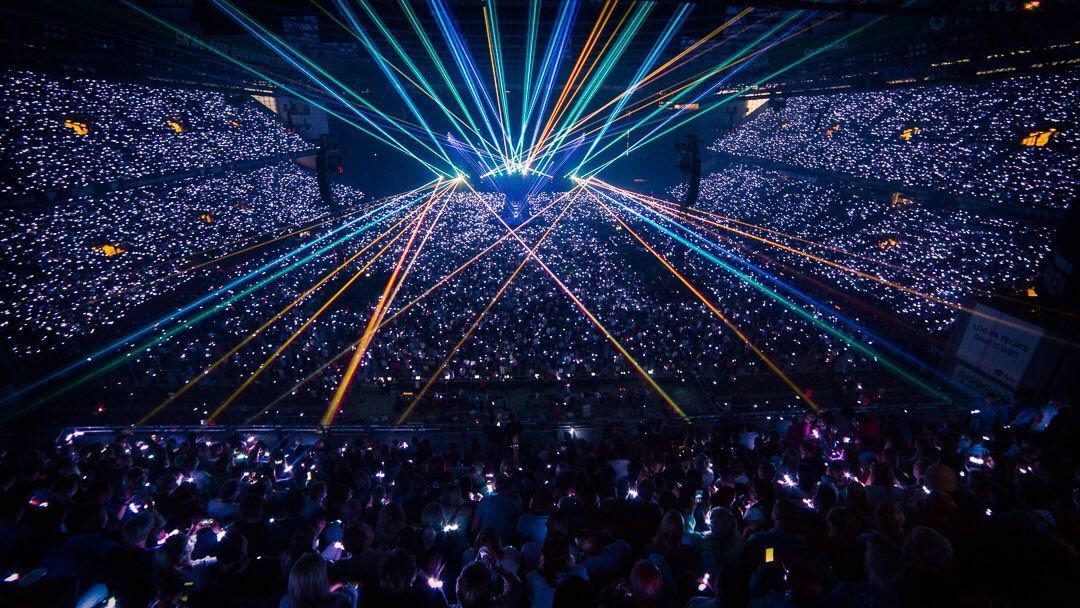
When Maluma returned to his hometown for the historic Medellín En El Mapa concert, the finale needed to be more than just a performance; it had to be a statement. With a stadium of 54,000 adoring fans and a live broadcast streaming to over 240 countries, the encore was a global moment. By integrating radio-controlled LED wristbands into the show’s design, the production team could turn the entire stadium into a single, pulsating entity. As Maluma returned to the stage, the light show didn’t just emanate from the rig; it exploded from the crowd itself, creating a breathtaking visual spectacle that amplified the emotional crescendo of the homecoming.
Designing the Second Sunset: A Blueprint for the Final Act
Crafting a powerful encore is less about a single song and more about designing a complete sensory narrative—a "second sunset" that provides a new, even more brilliant, burst of energy before the night ends.
1. The False Dusk: Master the Blackout
The moment between the main set and the encore is critical. It must be a deliberate, controlled void. This isn’t just about turning off the lights; it’s about creating a sensory vacuum that heightens anticipation. All stage light, video, and audio should cease. This silence and darkness make the audience lean in, focusing their collective energy into a single desire. It’s in this shared quiet that the first pulses of light on a set of Xylo Bands can create a profound, dramatic effect, a promise of what’s to come.
2. The Audience as Instrument: Choreographing the Crowd
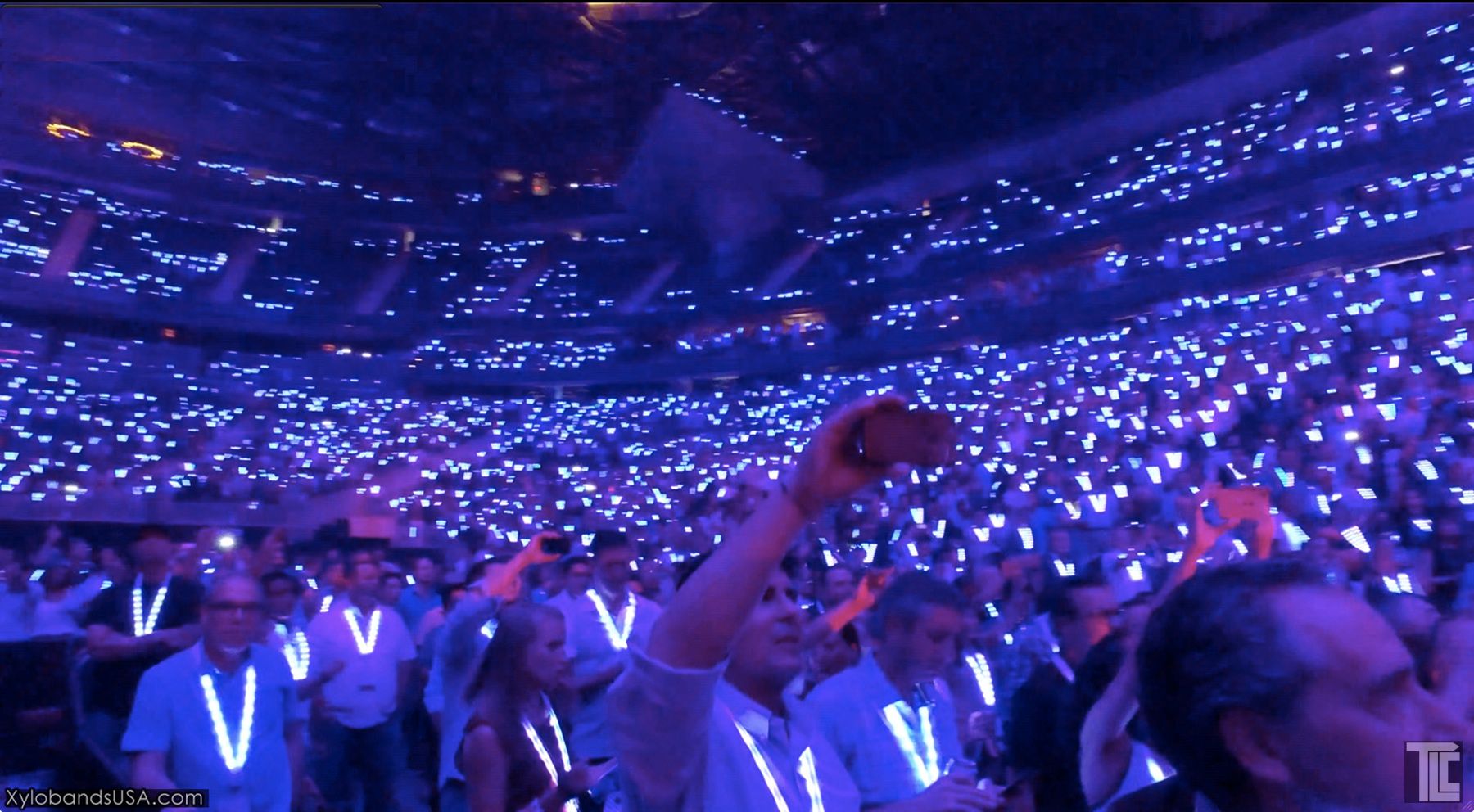
The most powerful encores leverage the audience’s energy. With immersive event technology, you can choreograph the crowd just as you would the lighting rig. Are you building towards a massive, unified reveal? Then have all the wristbands light up at once with the first note of the encore. Do you want a more intimate, emotional start? Program a slow, gentle pulse that builds in intensity with the music. For large-scale events like the PRIMER Music Festival, we’ve seen how transforming tens of thousands of individuals into a synchronized visual spectacle creates unparalleled moments of collective euphoria, turning a massive space into a shared, intimate experience.
3. The Narrative Payoff: Connecting to the Show's Arc
The encore shouldn’t feel like a bonus track; it should feel like the inevitable conclusion of the story told throughout the night. It’s the final chapter, not an appendix. If the show has been a high-energy journey, the encore might be an explosive release. If the narrative has been more emotional and introspective, the encore could be a moment of quiet, shared catharsis, with simple, unified light bathing the audience. The technology, whether it’s concert wristbands or sophisticated LED Orbs, must serve the emotional arc of the performance.
The Afterglow: Beyond the Final Note
The ultimate goal of the encore is to create an "afterglow"—a feeling that stays with the audience long after they’ve left the venue. It’s the silent car ride home where you’re still buzzing, the photo of a wrist lit up on your camera roll, the shared memory of being part of something bigger. By transforming the audience from passive observers into an active part of the show’s most pivotal moment, you don’t just create a great encore; you create an indelible memory. You give them a story to tell. And in the world of live experiences, that story is everything.