The Sensory Shift: Engineering More Inclusive Live Experiences
The Widening Gate: Moving Beyond Compliance in Event Accessibility
For too long, the conversation around accessibility in live events has been narrowly focused, often limited to physical access—ramps, accessible seating, and basic services. While these are critically important, they represent the bare minimum, the legal framework upon which experiences are built. True inclusivity, however, demands a more profound and nuanced approach. It calls for a sensory shift in how we design events, moving beyond compliance to a genuine commitment to engineering experiences that are welcoming and enriching for every body and every mind.
This means considering the vast spectrum of human diversity: neurodiversity, sensory sensitivities, and the different ways people process light, sound, and social information. It’s about recognizing that the high-intensity, sensory-rich environments that define live entertainment can be overwhelming and exclusionary for a significant portion of the population. The challenge for event producers, designers, and technology providers is no longer just about letting people in the door; it’s about ensuring they have a meaningful, comfortable, and empowering experience once they are inside.
A Spectrum of Sensation: Designing for Neurodiversity
An environment that feels electric and engaging to one person can feel jarring and chaotic to another. This is especially true for neurodivergent individuals, including those on the autism spectrum, who may process sensory input differently. Flashing lights, abrupt, loud noises, and the unpredictability of a large crowd can create a barrier to entry that is just as real as a flight of stairs.
This is where innovative design and technology can bridge the gap. By thinking in terms of a "sensory toolkit," producers can offer attendees more control over their experience. This might include:
- Quiet Zones: Designated spaces away from the main action where sensory input is minimized, allowing attendees to decompress and reset.
- Sensory Information: Providing detailed information beforehand about what to expect, including light patterns, sound levels, and potential triggers like pyrotechnics. This allows attendees to prepare and make informed choices.
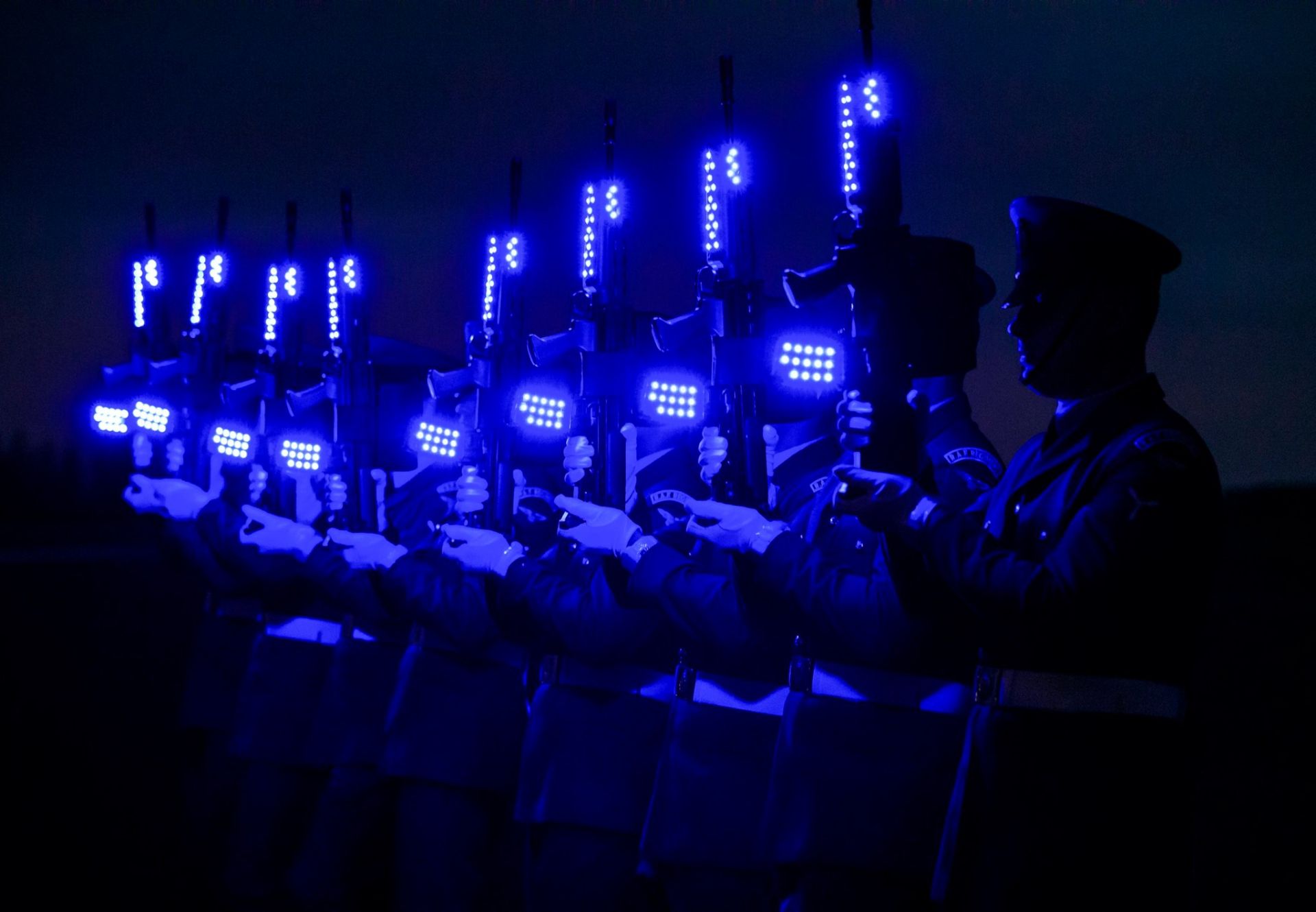
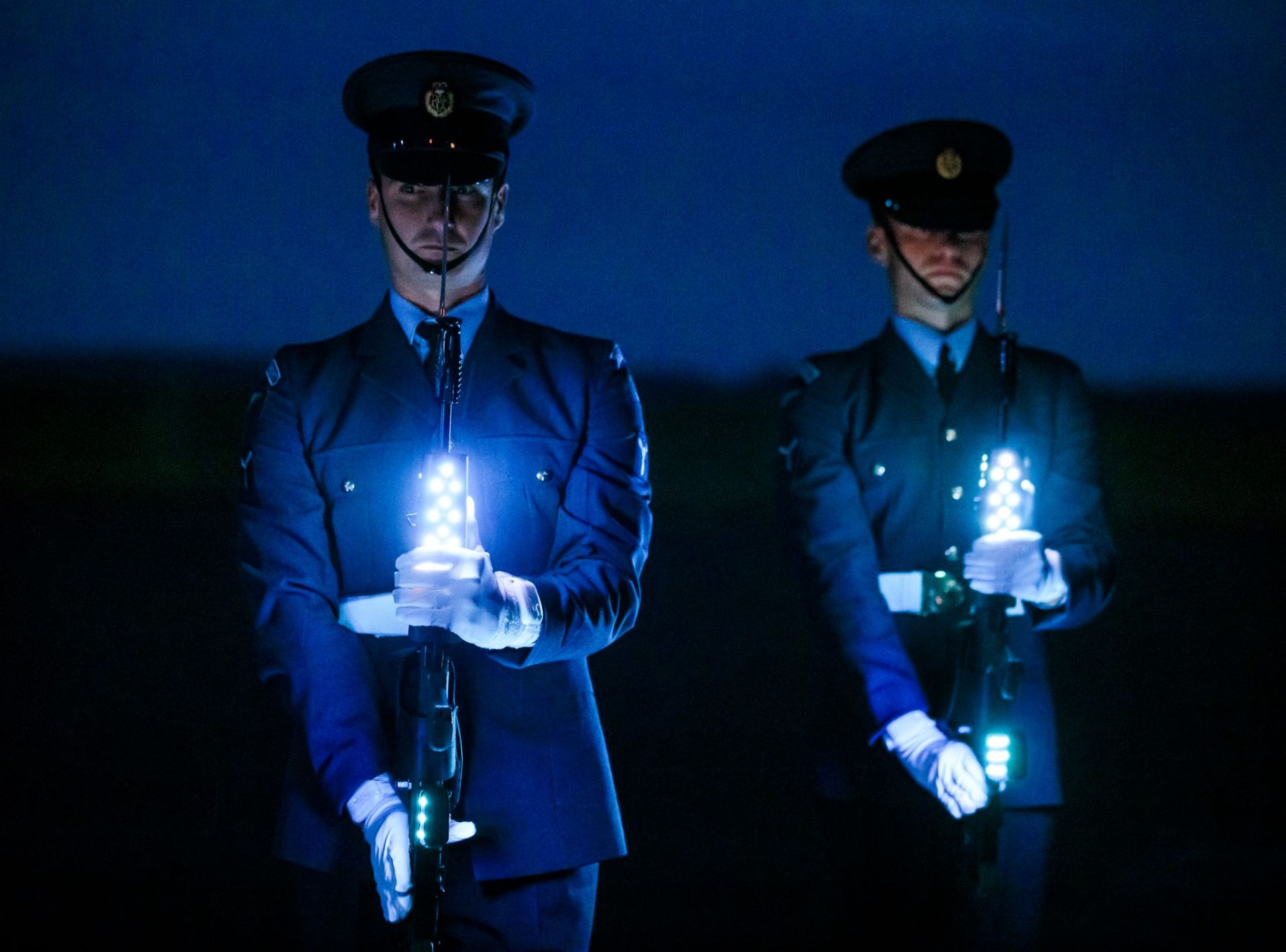
- Wearable Technology: This is where tools like LED Wristbands and LED Lanyards can be reimagined. Instead of solely being tools for high-energy spectacle, they can be part of a more nuanced system. For instance, specific color cues on a wristband could signal an upcoming loud noise, or a gentle vibration could offer a haptic alternative to a visual cue, making the experience more legible for those with visual impairments or sensory processing differences.
The Unseen Audience: Light, Sound, and Storytelling for All
The core of any live event is the story it tells. That story is conveyed through a carefully orchestrated symphony of light, sound, and performance. But what happens when part of the audience cannot fully perceive one of these elements? Inclusive design compels us to create multi-modal experiences where the story is robust enough to be understood through multiple sensory channels.
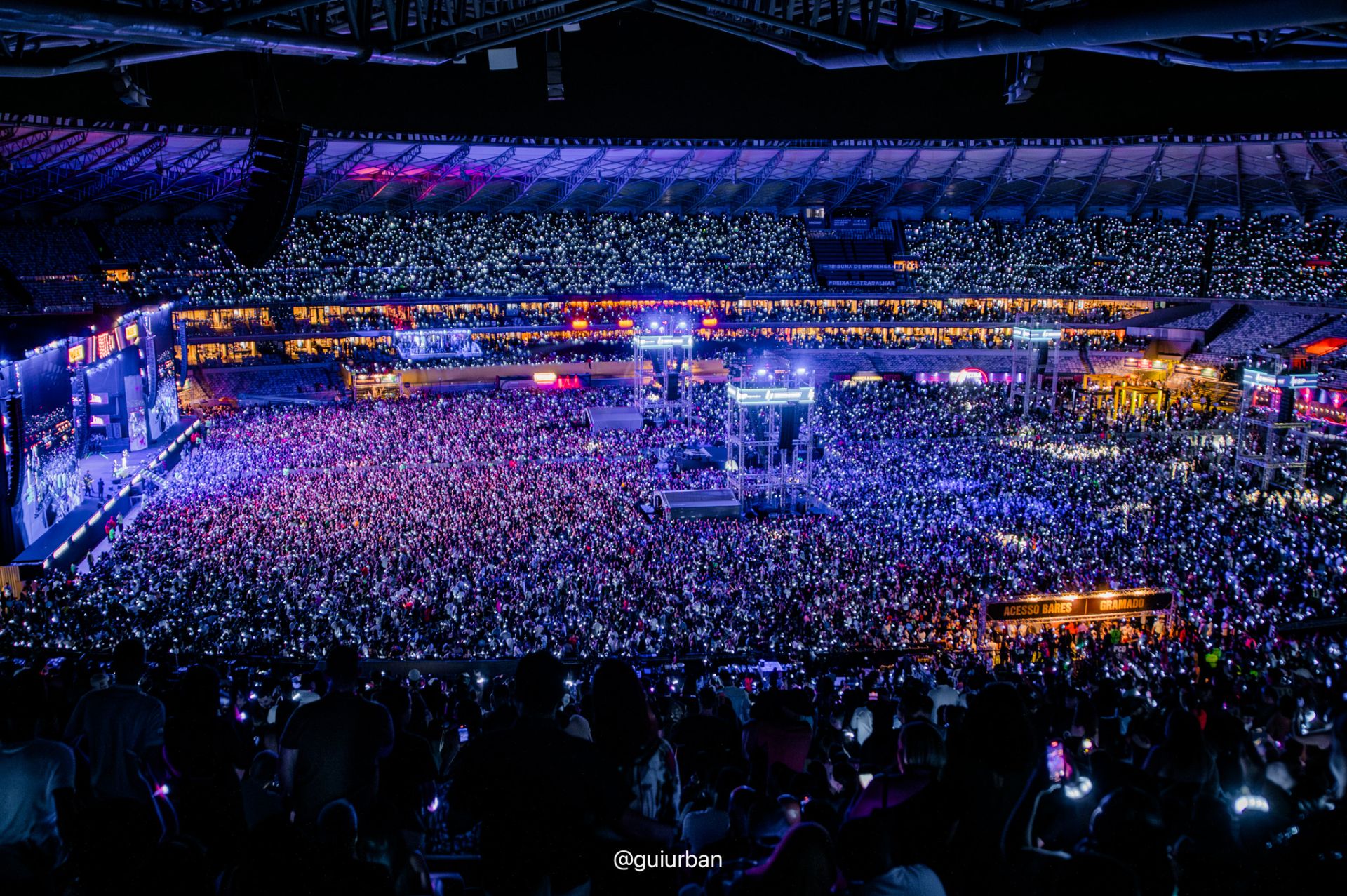
Consider the role of light. For many, it's purely a visual medium. For a deaf or hard-of-hearing person, however, it can become a powerful storytelling tool. At Xylobands, we’ve seen how synchronized LED crowd experiences can translate the rhythm and emotion of music into a visual language. A slow, gentle pulse of light can convey a ballad's tempo, while a rapid, vibrant flash can match the energy of a festival anthem. This isn’t just about making the event "accessible"; it's about creating a richer, more layered experience for everyone. The hearing audience feels the music and sees the synchronized light; the deaf audience *sees* the music and feels its vibrations, participating in the same collective moment.
This philosophy was central to our work with broadcaster ITV, where ensuring the legibility of key show moments for a vast television audience—as well as the live studio crowd—is paramount. The lighting must not only create drama but also provide clear, unambiguous information, guiding the audience through the emotional arc of a program like *Beat The Chasers UK*. It’s a powerful reminder that clear, intentional design serves everyone.
Shared Experience, Individual Control
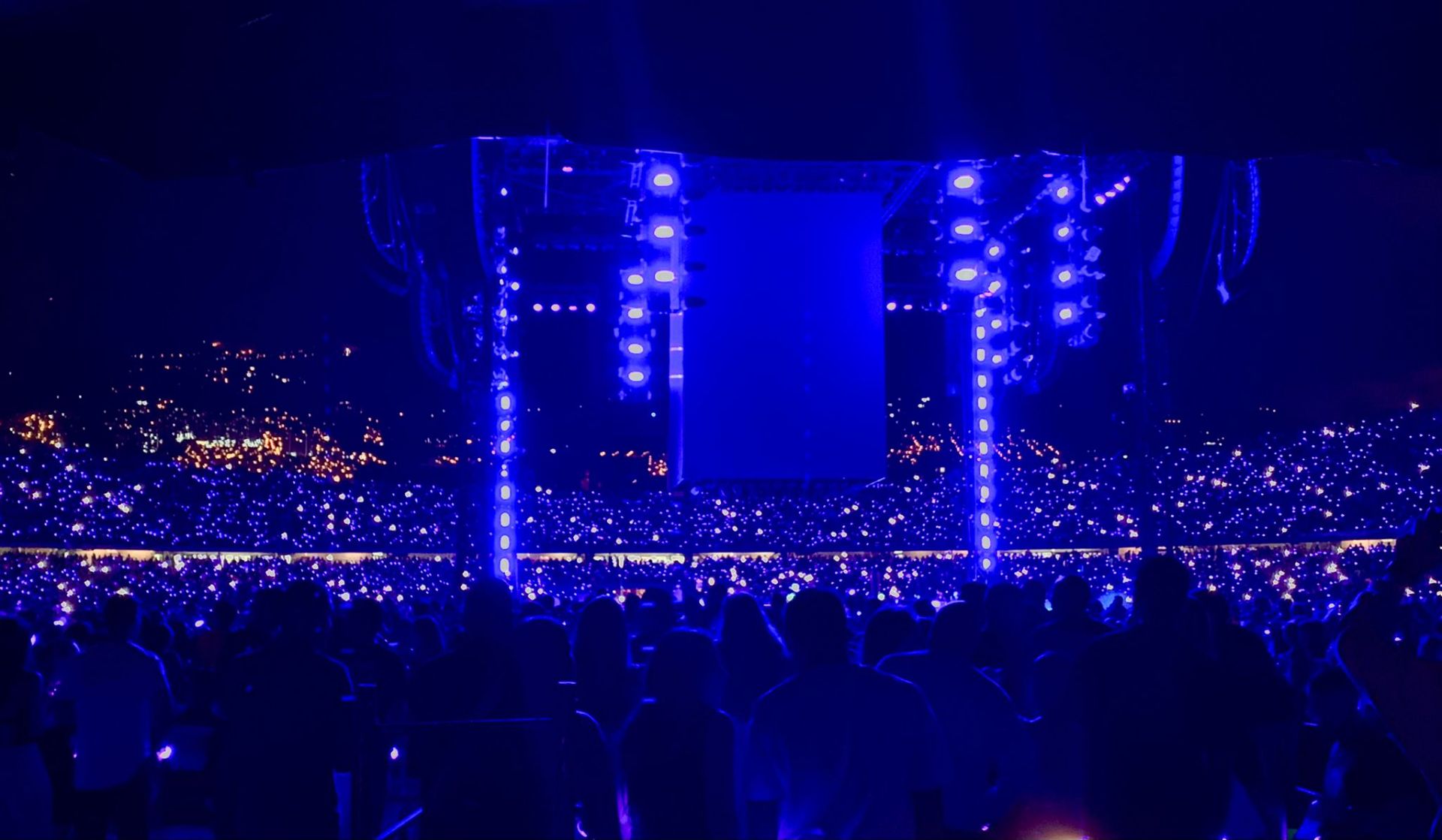
The ultimate goal of inclusive design is not to sanitize the live event experience, but to expand its reach. It’s about finding the delicate balance between creating powerful, collective moments and respecting individual needs. The magic of a Coldplay Xylo Band moment, where tens of thousands of lights create a single, breathtaking image, is rooted in shared experience. Yet, the future of this technology lies in its potential for personalization and control.
Imagine a future where wearable LED technology does more than just receive signals. What if it could also transmit information about the user's comfort level? An opt-in system could allow an attendee's wristband to communicate with the lighting system, subtly modulating the intensity of strobes in their immediate vicinity or providing a gentle haptic warning before a major pyrotechnic effect. This isn’t a far-off science fiction concept; it’s the logical next step in creating truly audience-centric, immersive events.
The Inclusive Future is a Brighter One
Building more inclusive live experiences is not a concession; it is an act of creative expansion. It forces us to be better designers, more empathetic producers, and more innovative technologists. It pushes us to think beyond the conventional and to design for a richer, more complex understanding of what it means to be human.
By embracing principles of inclusive design, we don't just open our doors to more people; we enrich the experience for every single person in the audience. We move from broadcasting a single message to creating a conversation, from a monologue to a true dialogue between artist and audience. In making space for everyone, we don’t diminish the spectacle; we amplify its power, creating a brighter, more resonant, and more profoundly human experience for all.