The Signal and the Noise: Enhancing Crowd Safety and Analytics with Immersive Event Technology
The Unseen Data Stream
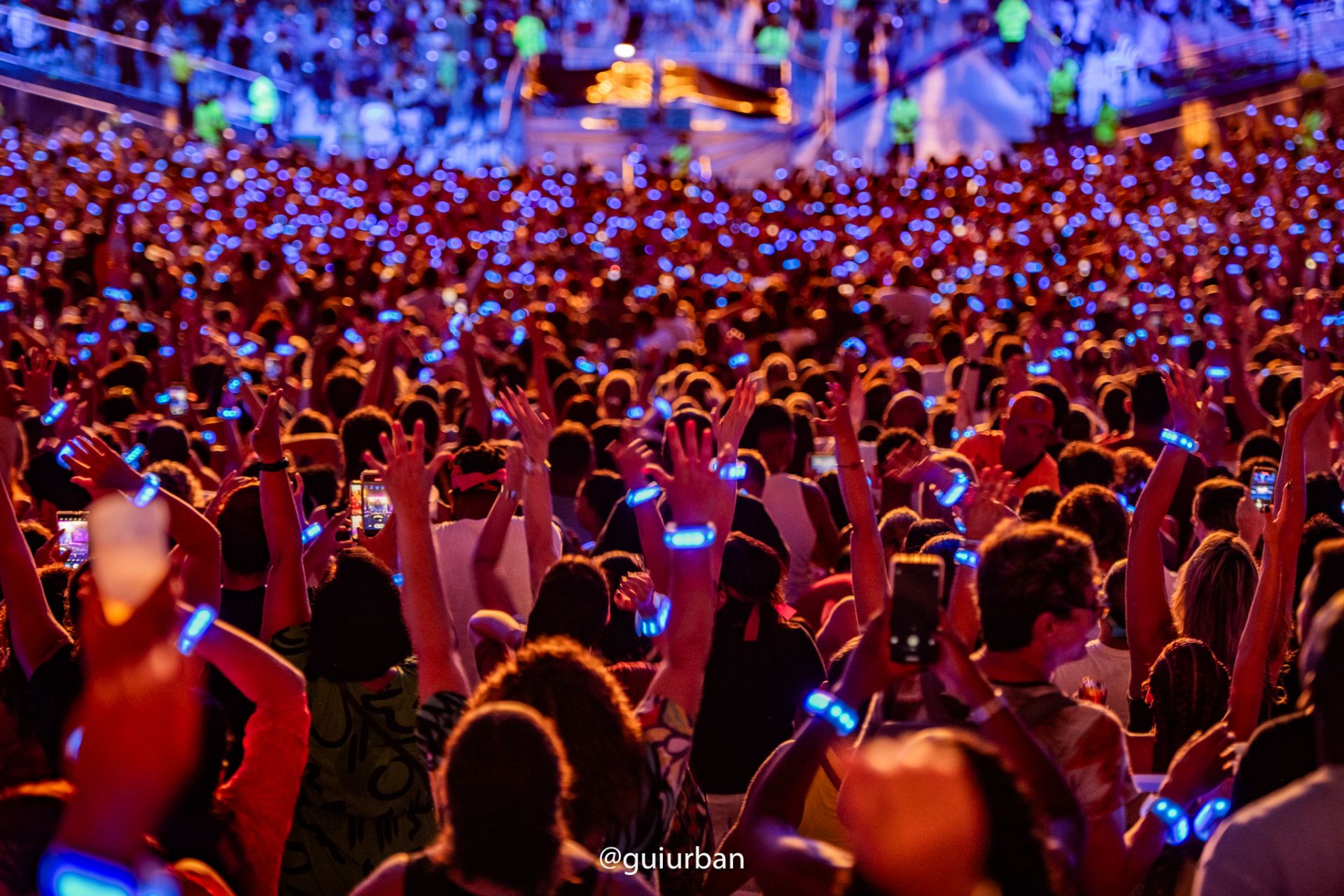
At any large-scale event—a music festival, a stadium concert, or a major sporting championship—the energy of the crowd is the driving force. But beneath this vibrant surface lies a complex logistical challenge: ensuring the safety, security, and seamless flow of tens of thousands of people. Traditionally, crowd management has relied on physical infrastructure, security personnel, and observational analysis. While effective, these methods offer a fragmented and often reactive understanding of crowd dynamics. In today’s data-driven world, a new layer of intelligence is emerging, one that turns every attendee into a dynamic data point, offering unprecedented insights into crowd behaviour and safety. This is the world of immersive event technology.
From Immersion to Information
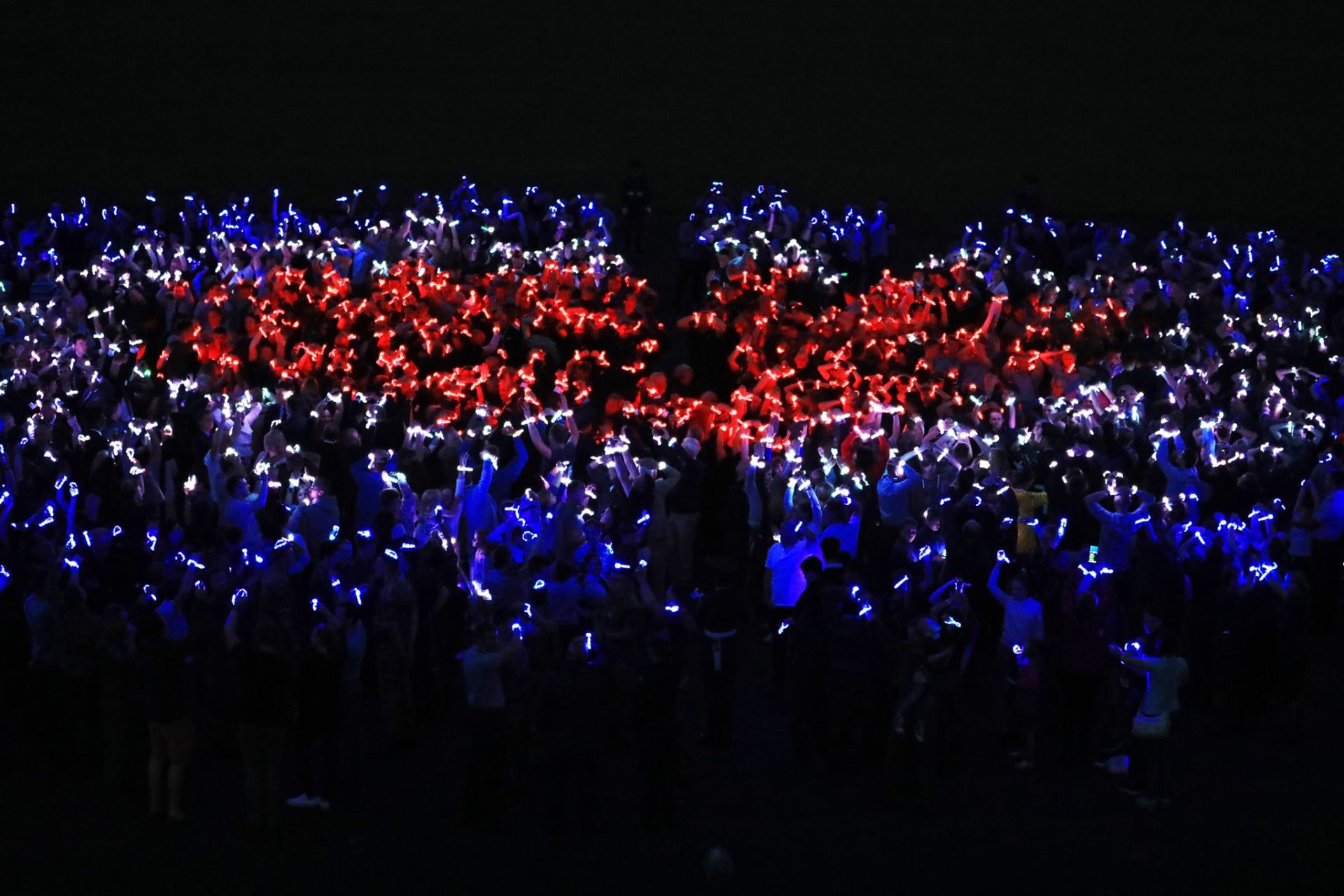
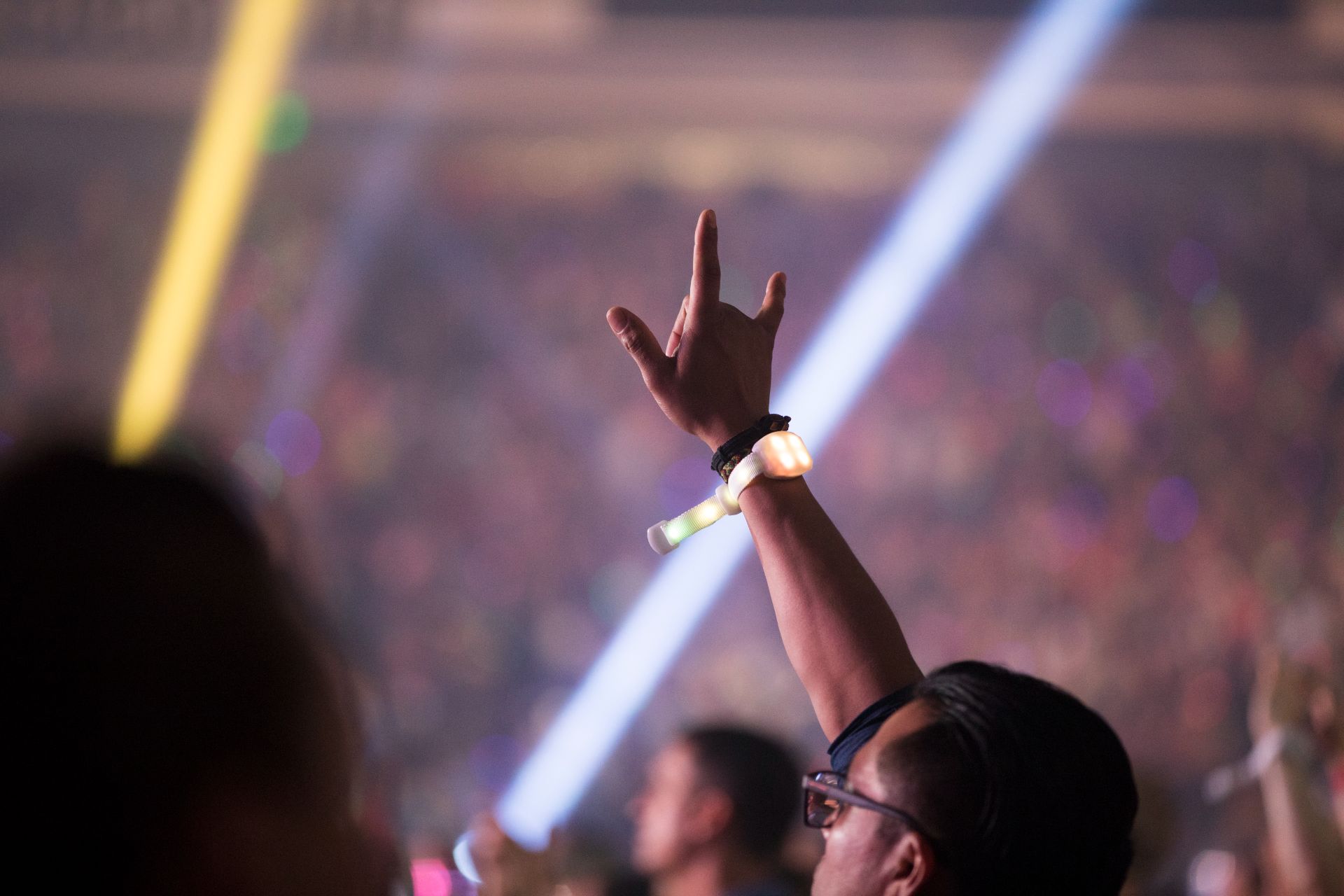
Technologies like Xylobands were initially conceived to deepen audience immersion, transforming passive spectators into an illuminated, unified canvas of light. The effect is powerful, creating the collective moments of awe that define modern LED crowd experiences. However, the same radio-frequency (RF) and infrared systems that choreograph these spectacular light shows also create a powerful, real-time data network. Each LED wristband or LED lanyard acts as a sensor, a node in a vast network that can be mapped and analysed. This is not about surveillance; it is about understanding the macro dynamics of a moving population to create safer, more efficient, and ultimately more enjoyable experiences.
Imagine a festival spread across a vast site. Planners can use anonymised data from wearable LED technology to see how crowds are distributed in real-time. Are certain areas becoming dangerously dense? Is there an unexpected bottleneck forming between stages? By visualising this data, production teams can anticipate problems before they escalate. Security can be redeployed to ease congestion, and staff can guide attendees towards less crowded routes. For instance, at a multi-stage event like Greece's PRIMER Music Festival, understanding audience flow between international DJ sets is critical to maintaining safety and optimising the festival layout for future editions.
Real-Time Analytics for Proactive Safety
The true power of this technology lies in its ability to enable proactive, rather than reactive, safety measures. By segmenting the audience into zones using our proprietary software, event producers can send targeted visual cues to different sections of the crowd. Consider these applications:
- Emergency Egress: In an emergency evacuation, imagine the power of turning all wristbands in a specific stadium block red, while exit-route wristbands pulse with a green, directional light. This provides an intuitive, language-agnostic instruction that cuts through the noise and confusion, guiding people to safety far more effectively than a disembodied voice over a PA system.
- Zone-Specific Alerts: For a medical emergency in a dense crowd, operators can create a localised pulse of a specific colour, allowing stewards to pinpoint the location instantly without causing wider panic.
- Crowd Flow and Density Management: If analytics show a particular food vendor area or restroom block is becoming overwhelmed, a gentle colour change in that zone’s concert wristbands could signal to incoming attendees that delays are likely, encouraging them to seek alternatives and smoothing out demand.
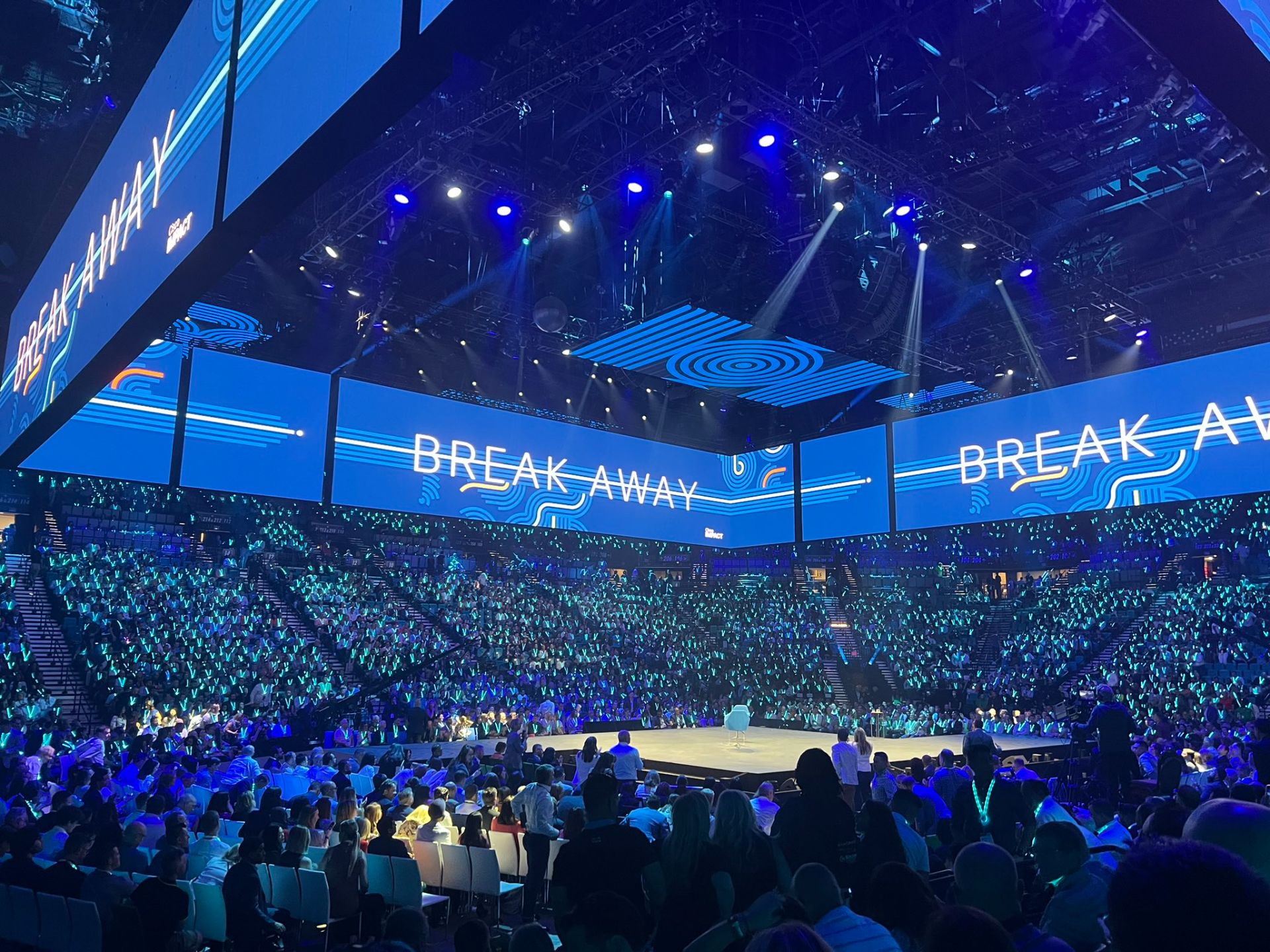
This is not a theoretical future; the underlying technology is already in use at events worldwide, from sold-out arena shows like Wizkid’s historic run at The O2 to global sporting spectacles like the Davis Cup and Formula One. The next evolution is to fully harness the data-analytic potential of these powerful radio controlled LED wristbands.
The Ethics of Crowd Analytics
The conversation around data is, rightly, centred on privacy. It is crucial to state that this application of crowd analytics is about anonymised, aggregated data. The system understands that a person has moved from Point A to Point B; it does not know, or need to know, who that person is. The goal is to understand the collective "hum" of the crowd, not the conversations of individuals. This distinction is fundamental. By focusing on macro-level patterns, event organisers can unlock enormous safety and operational benefits while respecting the privacy of every single attendee. The data serves the collective good, enhancing the shared experience for everyone.
Beyond Safety: Deeper Brand and Fan Engagement
The same data stream that enhances safety also provides invaluable insights for brand marketers and event sponsors. Corporate event activations can be measured with a new level of precision. How long did attendees spend at a particular brand experience? Which activation points proved most popular? At the Formula One 75th anniversary event, where custom LED pendants were created for different teams and hospitality tiers, organisers could analyse how different fan groups moved around The O2 Arena, offering deep insights for future event layouts and sponsorship strategies. This transforms the humble LED band from a piece of "swag" into a powerful tool for measuring experiential ROI.
As we move into a new era of immersive events, the ability to merge the spectacular with the strategic will define the most successful productions. Light has always been a tool to guide and captivate. By pairing it with intelligent data analytics, we can now use it to protect, inform, and understand. The result is a richer, safer, and more seamless experience for everyone, from the front row to the production gantry. The future of live events is not just about what the audience sees; it’s about seeing the audience in a whole new light.