The Sustainable Spectacle: A New Model for Responsible Event Production
The Roar of the Crowd vs. The Whisper of Conscience
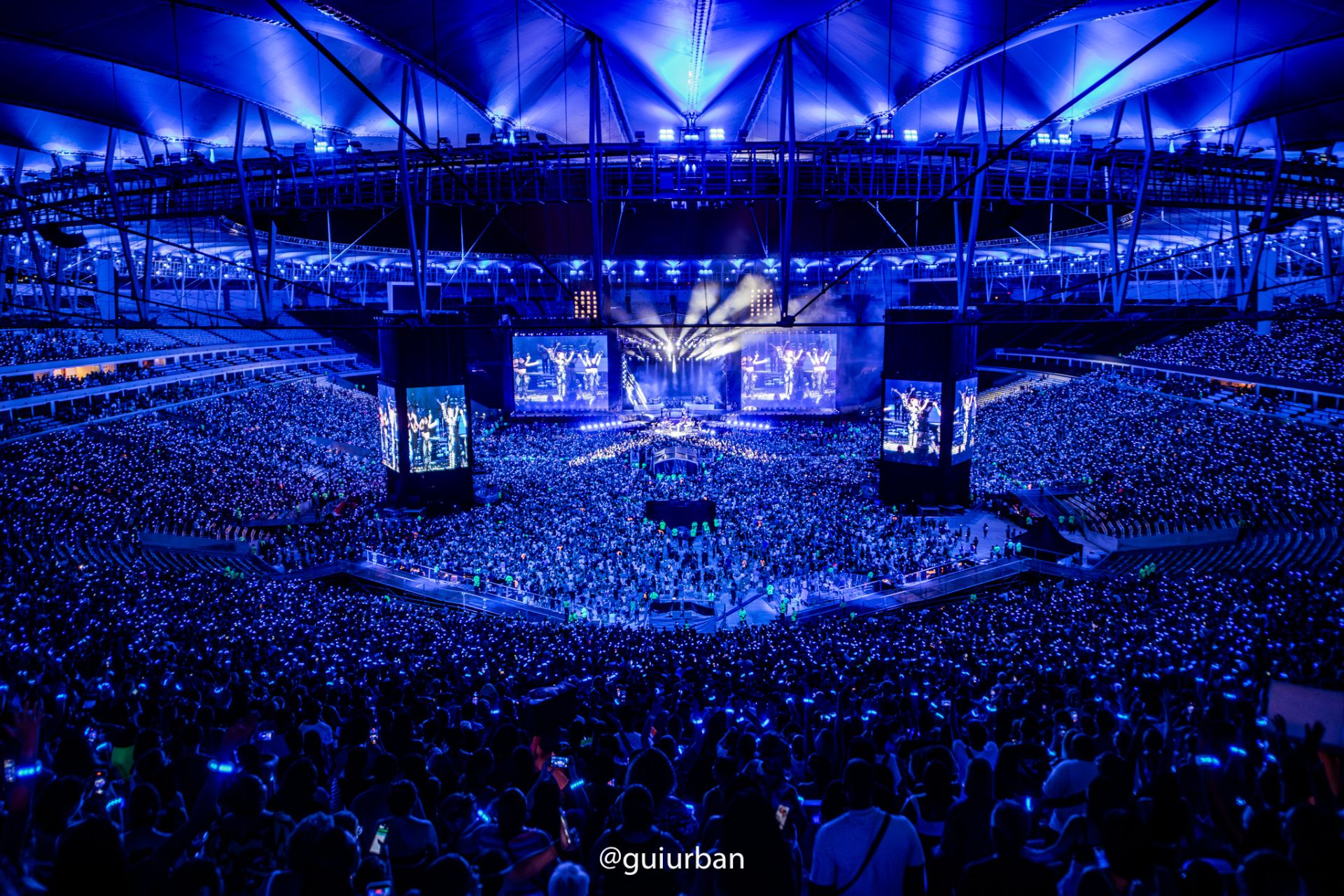
The roar of the crowd, the lights, the shared energy — it’s a powerful alchemy. We build worlds for a single night, orchestrating moments of pure, collective euphoria. But as we, the producers, designers, and managers of these incredible experiences, chase the next breathtaking spectacle, a quieter, more urgent question emerges: what is the environmental cost of unforgettable?
For decades, the live events industry has operated on a model of single-use extravagance. The very nature of a tour, a festival, or a one-off corporate event activation has often meant that materials are shipped in, used once, and discarded. It’s a cycle of disposability that, frankly, is no longer sustainable. The good news is that a revolution is underway — a shift towards a circular model that prioritizes not just the experience, but also its impact. It’s a movement driven by innovation, creative problem-solving, and a shared commitment to a greener future.
Beyond Disposability: The Power of the Reusable Asset
At the heart of this shift is a simple but profound idea: design for reuse. Instead of asking how we can create a momentary splash, we should be asking how we can create assets that deliver value time and time again. This isn’t about compromising on quality or spectacle. It’s about being smarter with our resources.
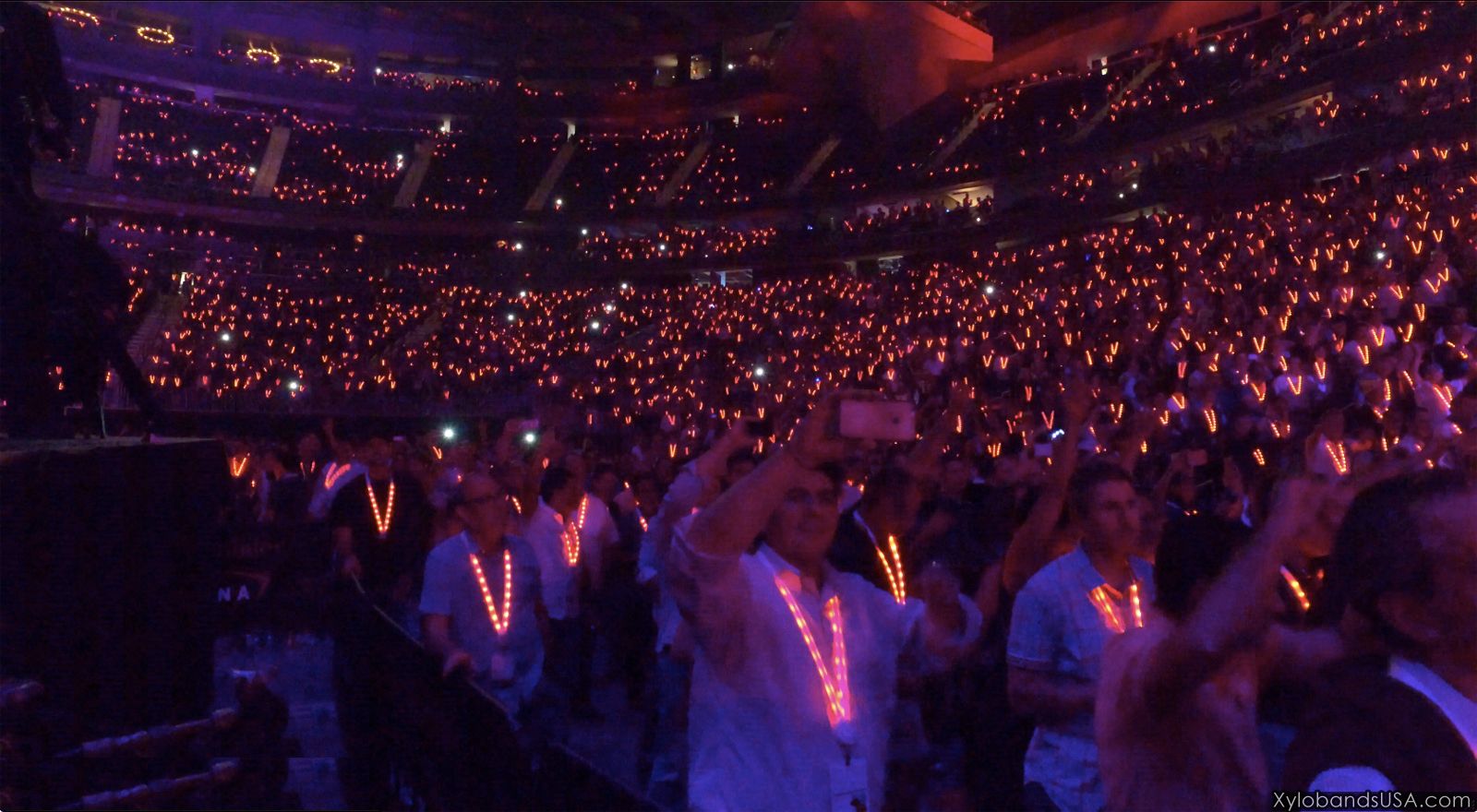
Consider the lifecycle of a product. In a linear economy, it’s make, use, dispose. In a circular economy, it’s make, use, reuse, repair, and recycle. This is where forward-thinking technology partners become critical. At Xylobands, we’ve built our entire operational model around this principle. Our LED bands and LED lanyards aren’t just tools for creating immersive events; they are durable, reusable assets designed for the rigors of global touring and large-scale festivals.
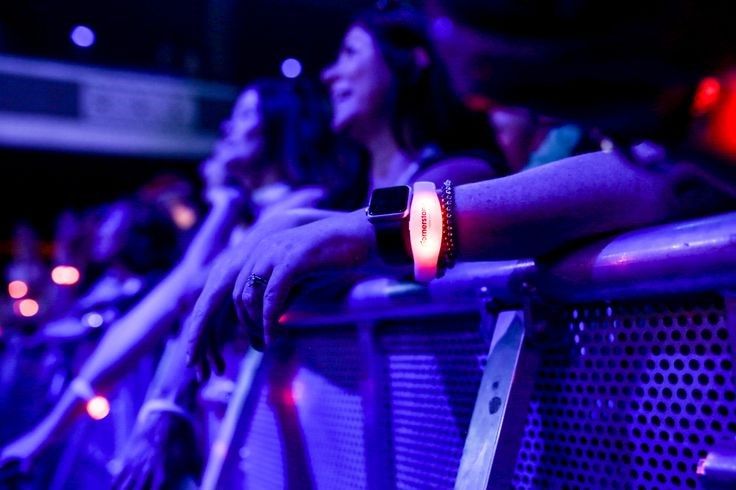
A powerful example of this in action was our work with the artist Wizkid for his historic, sold-out three-night run at London's O2 Arena. The challenge was to maintain the same level of high-impact visual energy for every show. Instead of deploying a new batch of wristbands each night, we embraced a reuse model. After the first night’s performance, our teams collected the wristbands, sanitised and reset them, and prepared them for the next night’s audience. This process was repeated for all three shows, ensuring tens of thousands of concert wristbands were given a second and third life, drastically reducing waste without compromising the fan experience. This is the circular model in its purest form: maximum impact, minimal footprint.
Logistics as a Pillar of Sustainability
Responsible production isn’t just about the products themselves; it’s about the entire logistical chain. How materials get to a venue, how they are managed on-site, and what happens to them after the final curtain call are all part of the sustainability equation.
“True sustainability in live events requires a shift in mindset, from a linear model of ‘use and discard’ to a circular one of ‘use and reuse.’ The technology we deploy must be as resilient and adaptable as the creative visions it serves.”
This is where meticulous planning and on-the-ground expertise become paramount. For large-scale events like the Formula One 75th-anniversary show, our distro teams don't just hand out products; they are integral to the show’s design and its sustainable execution. By pre-placing custom LED wearables around the arena based on the creative team's desired lighting effects, we ensure every unit is accounted for and deployed with purpose. Post-event, this same logistical precision allows for efficient collection, minimizing loss and maximizing the potential for reuse at future events.
Key Pillars of a Reusable Tech Strategy:
- Durability by Design: Investing in high-quality, robust hardware that can withstand the rigors of multiple event cycles, from stadium tours to muddy festivals.
- On-Site Management and Collection: Implementing clear, effective systems for distributing and, crucially, collecting assets post-event. This often involves dedicated staffing and clear communication with venue partners and audiences.
- Cleaning and Refurbishment: Establishing centralized hubs for sorting, testing, cleaning, and reprogramming returned units, preparing them for their next deployment.
- Responsible End-of-Life: For units that can no longer be reused, having a clear and certified process for breaking them down into component parts for recycling.
The Audience as Ally
A truly sustainable event model involves everyone, including the audience. More and more, fans are not just passive consumers but active participants who are conscious of their environmental impact. They want to be part of experiences that align with their values. When you provide technologies like radio controlled LED wristbands, you’re not just giving them a souvenir; you’re giving them a role in the show. By clearly communicating the reusable nature of these items and setting up convenient drop-off points, you turn the audience into an ally in your sustainability efforts.
This fosters a deeper connection. The audience feels respected, and the shared act of returning the wristbands becomes a final, unifying moment — a collective contribution to a more responsible production. It’s a powerful extension of the shared experience that defines live events.
The Future is Circular
The pressure to produce more sustainable events will only grow, driven by corporate responsibility mandates, artist and fan expectations, and our own collective conscience. The future belongs to producers who see this not as a limitation, but as a creative challenge. It’s an opportunity to innovate, to collaborate with partners who share this vision, and to build a new model for live events — one that delivers the same level of awe and spectacle while treading more lightly on the planet.
By embracing durable, reusable immersive event technology and building circular logistics into the DNA of our productions, we can create experiences that are not only unforgettable but also responsible. We can ensure that the only thing we leave behind is the memory of a great show.