The Unseen Symphony: A Masterclass in Global Event Logistics
The Global Stage is a Logistical Gauntlet
Behind every stadium tour, international festival, and multi-country corporate roadshow is an invisible, intricate network of logistics. It’s a world of ATA carnets, strategic freight corridors, and relentless deadlines. For event producers and tour managers, mastering this global gauntlet isn’t just part of the job; it’s the bedrock upon which unforgettable live experiences are built. The seamless execution of a global tour for an artist like Maluma or a multi-national activation for a brand like Formula One depends entirely on a supply chain that is as robust as it is invisible.
The roar of 50,000 fans, the perfectly timed lighting cue, the shared moment of unity—none of it happens without a symphony of logistical precision conducted months, sometimes years, in advance. This is the unseen world of global event logistics, where the difference between a flawless show and a catastrophic failure can come down to a single customs form.
The Anatomy of a Global Rollout
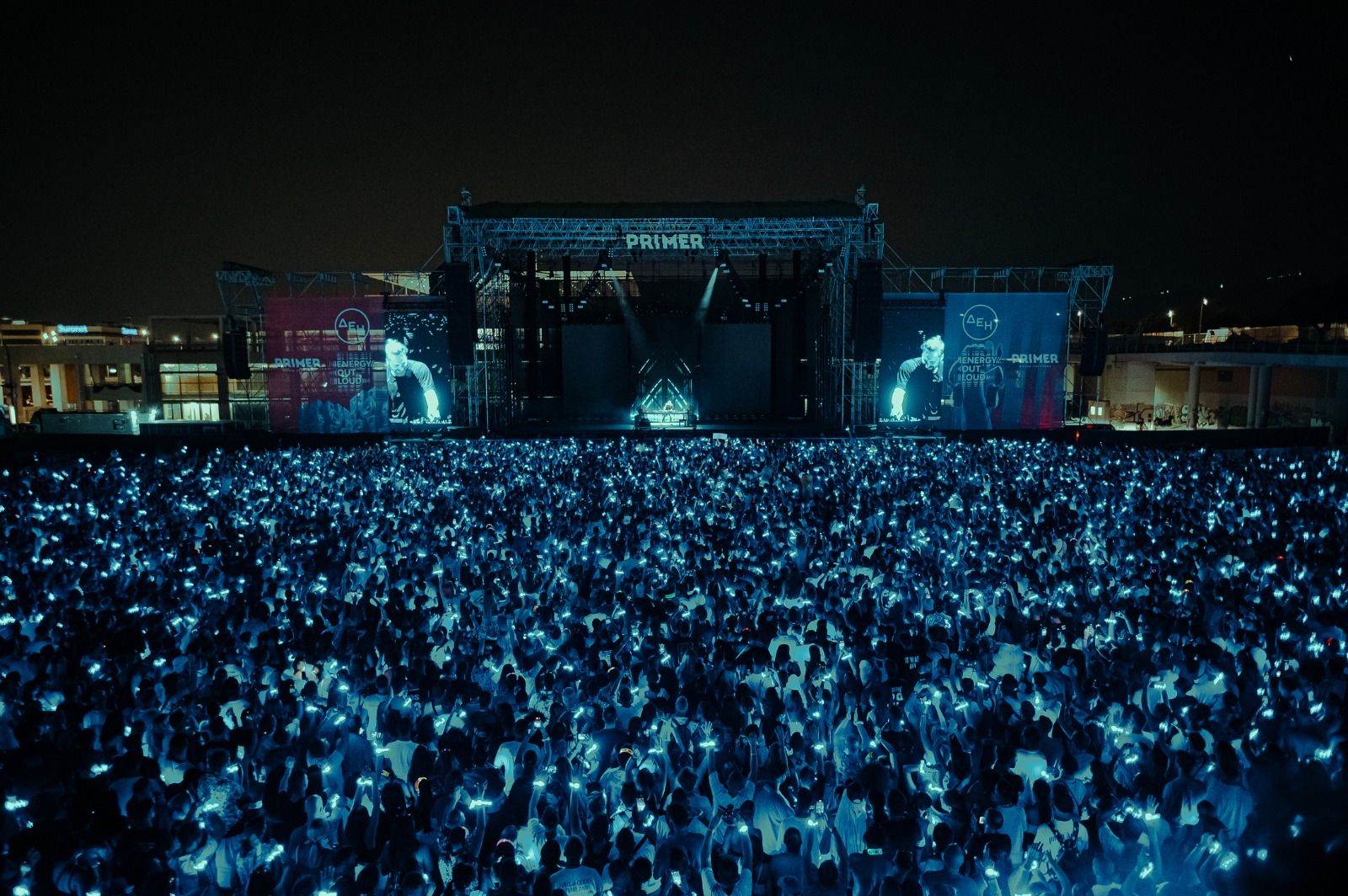
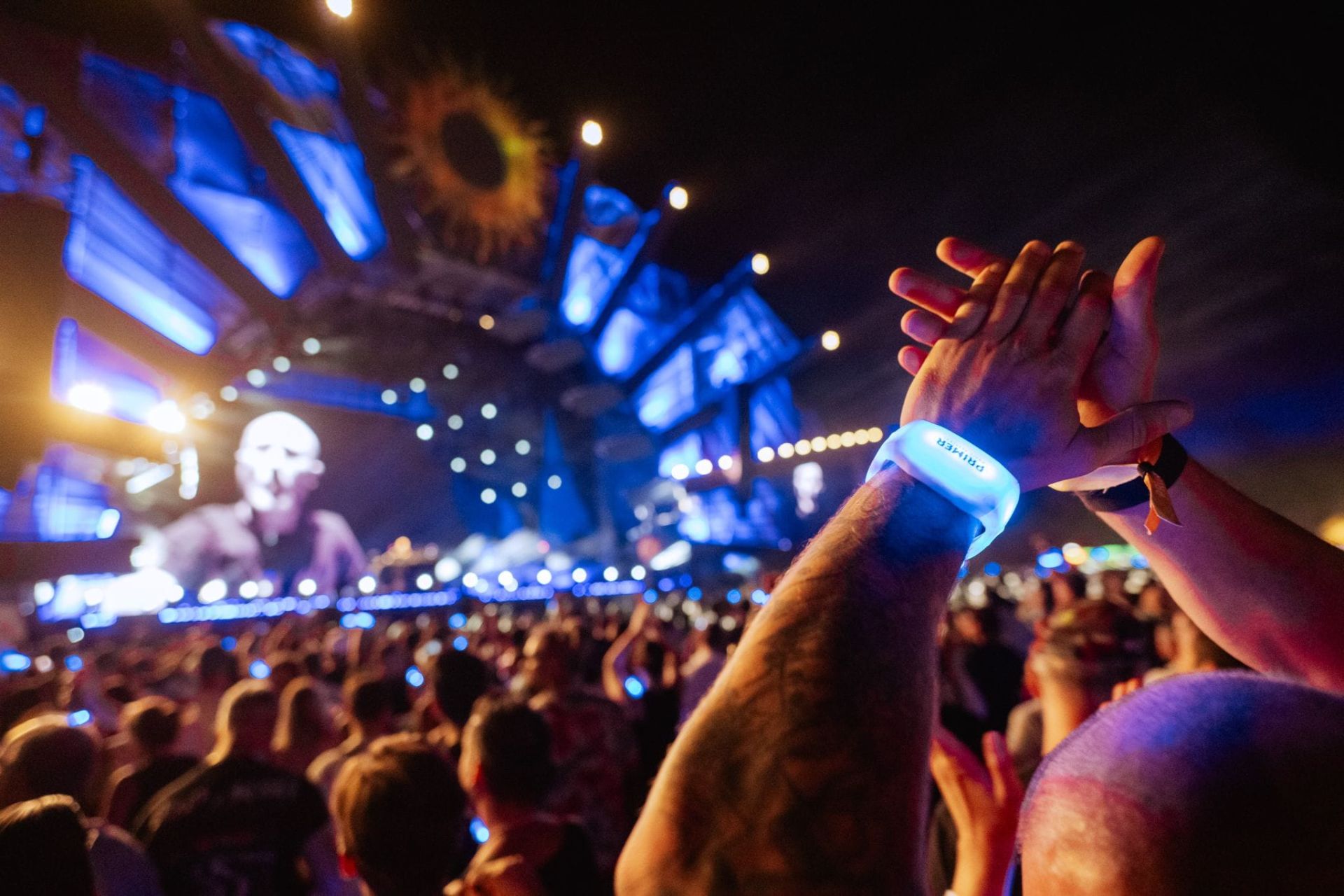
Executing a large-scale international event is akin to a military operation. It involves moving high-value, often delicate, equipment across multiple borders, each with its own regulatory landscape. At Xylobands, our work has taken us to over 70 countries, from powering festival wristbands at Greece's PRIMER Music Festival to illuminating broadcast events for ITV in the UK. This experience has taught us that a successful global strategy rests on several key pillars.
1. The ATA Carnet: Your Global Passport for Goods
The ATA Carnet is arguably the single most critical document in touring logistics. It’s a unified customs document that allows for the temporary importation of goods—from sound desks to staging, and in our case, radio-controlled LED wristbands and their control systems—into foreign countries without paying duties or taxes. It simplifies customs procedures, acting as a passport for your gear.
"Managing carnets is an art form. It requires meticulous inventory management and a deep understanding of the specific requirements of each territory. A single discrepancy can lead to costly delays, holding an entire production hostage at a border."
For a global tour, this means every piece of equipment must be catalogued with serial numbers, weights, and values. This master list becomes the foundation of the carnet, and its accuracy is non-negotiable.
2. Freight Strategy: Air, Sea, and Land
The choice between air, sea, and ground freight is a strategic one, balancing speed, cost, and reliability. For time-sensitive legs of a tour, air freight is the only option, despite its higher cost. It offers the speed needed to move critical components between continents in tight windows. When we deploy our immersive event technology to a major US sporting event one week and a European music festival the next, air freight is the lifeline.
- Air Freight: Best for speed and essential for back-to-back dates in different regions. Ideal for high-value, low-volume items like our proprietary control hardware.
- Sea Freight: More economical for bulk items with longer lead times. Useful for shipping large quantities of non-critical stock, like tens of thousands of LED bands, to a central distribution hub ahead of a tour.
- Ground Freight: The workhorse for overland tour legs, moving equipment via trucks. This is common for European or North American tours where acts play multiple cities in succession, such as the historic multi-night sellout by Wizkid at London's O2 Arena.
3. The Local Fixer: Your On-the-Ground Intelligence
No amount of planning can replace the value of local expertise. A reliable "fixer" or logistics partner in each country is indispensable. They navigate the nuances of local customs, labor laws, and transportation networks. They know who to call when a shipment gets stuck, which ports are most efficient, and how to navigate the final mile to the venue. This human network is the grease in the wheels of global touring, turning potential disasters into minor hurdles.
Choreographing the Deployment of Wearable LED Technology
When the product itself is part of the audience experience, the logistical challenge intensifies. Deploying hundreds of thousands of custom LED wristbands or LED lanyards for a global tour requires a secondary layer of micro-logistics.
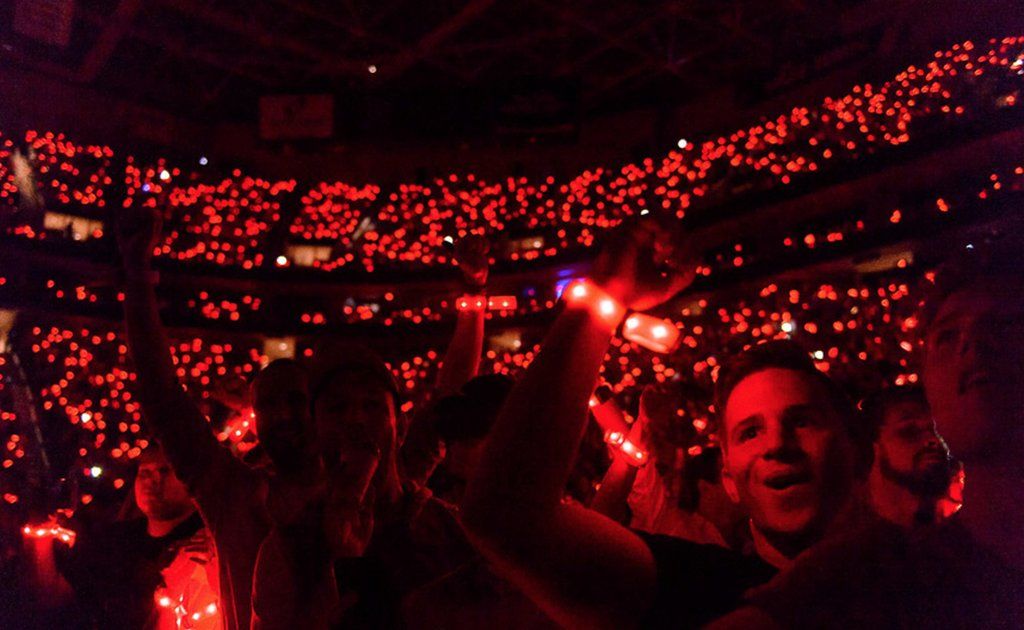
The journey of a Xyloband begins long before it reaches the fan. It starts with manufacturing, moves to a central warehouse, and is then shipped to venues across the globe. For a multi-show run like Coldplay’s tours, this involves a complex system of distribution, collection, and repositioning. After a show, wristbands are collected, sanitized, and prepared for the next wave of fans in the next city. This circular model not only supports sustainability but also presents its own logistical puzzle: managing inventory, return freight, and quality control on a massive scale.
From the Davis Cup to the Eurovision Song Contest, the goal is the same: ensure every single attendee has a working device that syncs perfectly to the show. This is where centralized inventory management, powered by robust software, becomes critical. We need to know exactly how many units are in London, how many are en route to Athens, and how many are ready for a corporate event activation in Dubai.
The Final Mile: From Crate to Crowd
The final and most critical phase of logistics is the "last mile"—getting the equipment from the loading bay to its operational position. For wearable LED technology, this means distributing thousands of wristbands to entry points, seats, or hospitality suites. This process is a choreographed effort involving dozens of crew members, all working from a detailed deployment plan.
At events like the Formula 1 75th Anniversary celebration, where we created custom LED Orbs for different hospitality tiers, this final distribution was key to the creative execution. The right pendants had to be in the right hands in the right sections to achieve the desired lighting effects for the global broadcast. It’s a testament to the idea that in live events, logistics isn’t just a support function—it’s an integral part of the creative process.
Ultimately, the unseen symphony of logistics is what allows artists, brands, and event producers to dream on a global scale. It transforms a complex web of international regulations and physical distances into a single, seamless, and unforgettable human experience. It ensures that when the house lights go down, the only thing the audience sees is the magic.