The Two-Show Imperative: Mastering Light for Broadcast and Live Audiences
The Two-Show Imperative: Mastering Light for Broadcast and Live Audiences
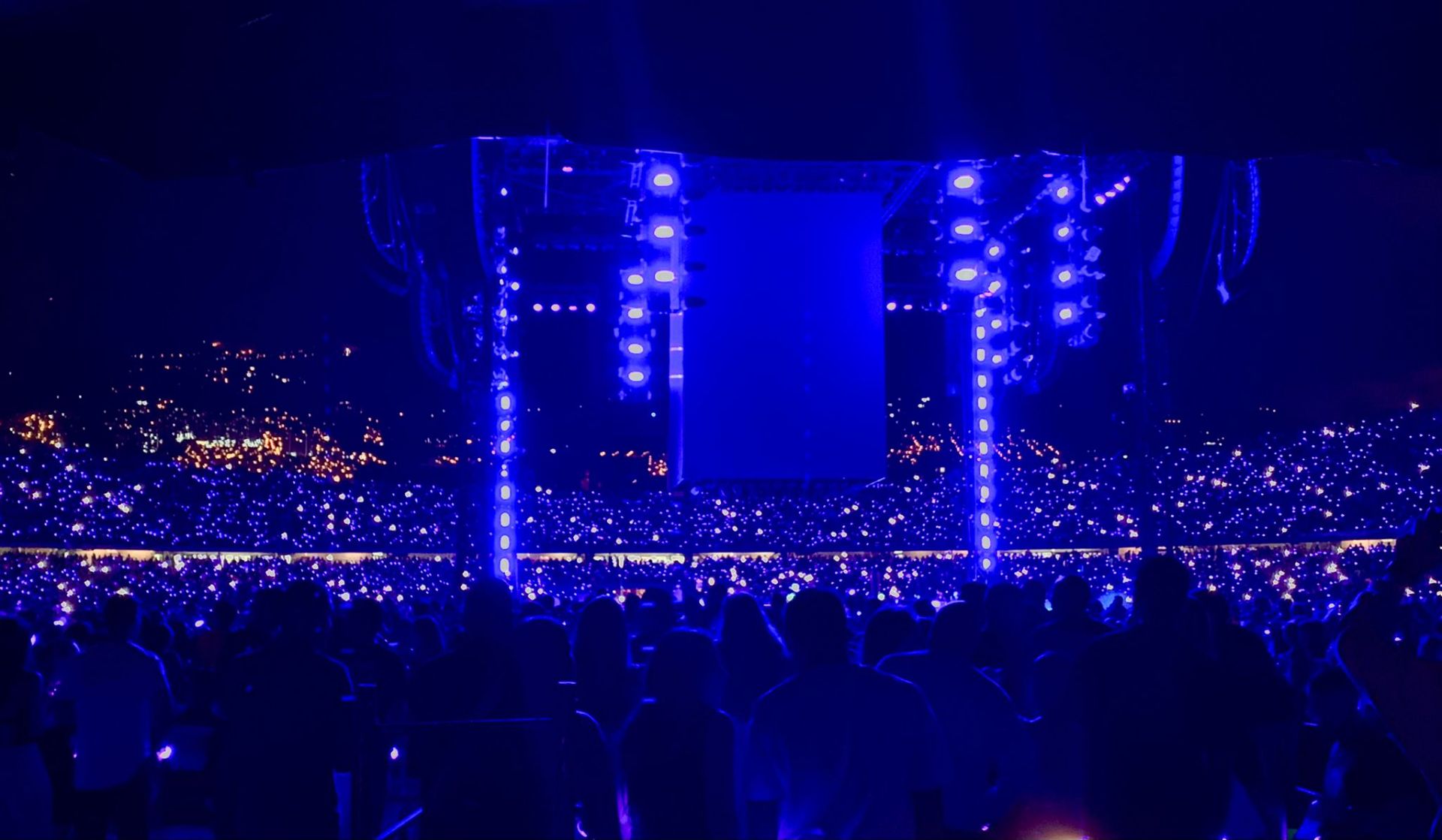
Every live event is now a broadcast event. This is the new reality for event producers, tour managers, and brand marketers. The days of designing an experience solely for the audience in the room are over. Whether it’s a global stadium tour streamed live like Maluma’s landmark Medellín concert, a high-stakes TV game show like Beat The Chasers, or a major brand celebration like Formula One's 75th anniversary, there are always two audiences: the people in the seats and the millions watching through a lens. This creates a two-show imperative, demanding a sophisticated lighting philosophy that serves both masters with equal precision.
Lighting for the camera is a fundamentally different discipline than lighting for the human eye. A dynamic effect that feels electrifying in an arena can appear as a chaotic, blown-out mess on screen. Conversely, a scene perfectly balanced for a 4K sensor can feel sterile and underwhelming to the live crowd. The challenge is to bridge this gap, creating a single, unified experience that feels spectacular both in person and on screen. It requires a meticulous blend of technical craft and creative vision, turning the audience itself into a canvas that translates perfectly to broadcast.
The Camera-Ready Crowd: A New Medium for Light
The modern live broadcast is no longer a passive recording of an event; it's an integrated production. Directors and cinematographers are increasingly using wide shots of the audience to establish scale, convey energy, and create visual punctuation. This is where the crowd becomes a crucial scenic element, a living, breathing part of the set design. Static, uninspired audience lighting is a missed opportunity. To create compelling television, the crowd must be as visually engaging as the main stage.
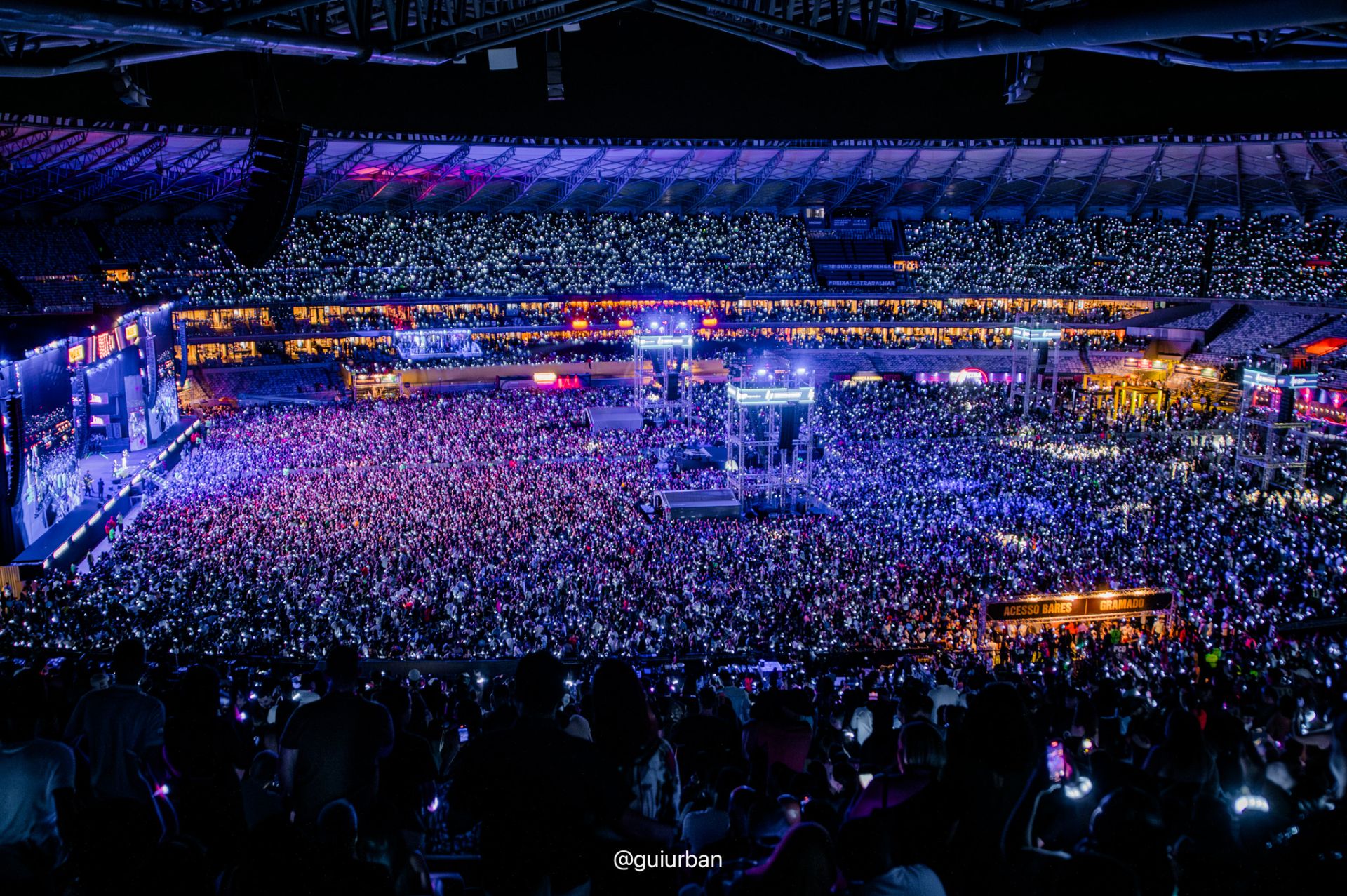
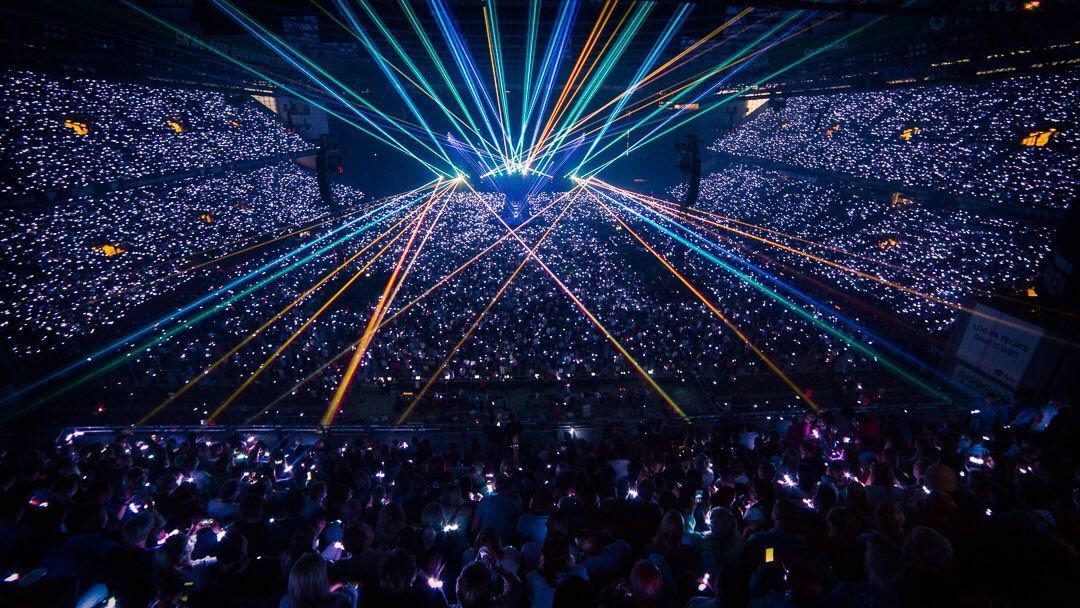
This is where wearable LED technology becomes an indispensable tool. Systems like Xylobands allow lighting designers to move beyond traditional rigging and paint with light directly on the human canvas. By embedding thousands of programmable light points within the audience, designers can create sweeping graphical textures, intricate colour fades, and explosive strobing effects that are perfectly synchronised to the action. For a broadcast, this transforms the crowd from a dark, amorphous mass into a vibrant, high-resolution visual asset.
"When an entire stadium is pulsed with a single colour, or when intricate patterns ripple across tens of thousands of people, it creates a visual scale that is simply unmatched. For the broadcast viewer, these are the moments that define the spectacle."
Technical Considerations for the Lens
Achieving this broadcast-quality effect is not simply a matter of handing out wristbands. It is a science. The technical success of LED crowd experiences on camera hinges on three key factors:
- Flicker Rate: The human eye can’t perceive the rapid flickering of an LED, but a high-speed camera can. An LED product with an incorrect refresh rate will create distracting banding or strobing on screen, rendering the footage unusable. Professional-grade systems are engineered with camera-specific flicker-free technology, ensuring a smooth, clean image under any broadcast conditions.
- Colour Fidelity: The colour registered by a camera sensor can differ dramatically from what the human eye perceives. A vibrant red in person might appear as a saturated, noisy orange on camera. Sophisticated radio controlled LED wristbands undergo rigorous calibration to ensure that their output is not only visually pleasing but also maps accurately to the colour spaces used in professional broadcasting (like Rec. 709 and Rec. 2020). This allows lighting directors to program with confidence, knowing the colour they spec is the colour they will see on the monitor.
- Intensity and Dynamic Range: The human eye can handle a massive dynamic range—the difference between the brightest and darkest parts of a scene. Camera sensors are far more limited. An LED that is too bright will "clip" the sensor, creating a blown-out white spot with no detail. One that is too dim will be lost in the noise. Professional systems offer granular control over brightness, allowing designers to program lighting that sits perfectly within the camera’s sweet spot, delivering maximum impact without sacrificing detail.
Case Study: Lighting the Live Studio Audience
The principles that apply to a stadium of 50,000 apply just as readily to an intimate studio audience of 500. For years, we've collaborated with broadcasters like ITV on productions including Beat The Chasers UK. In a fast-paced quiz show format, the audience’s reactions are a key part of the drama. Using synchronised LED bands, producers can instantly unify the room, flashing colours to signify a correct answer, a running clock, or a dramatic "chaser" victory. These visual cues not only heighten the energy in the studio but also provide a clear, immediate visual language for the viewer at home, making the broadcast more engaging and immersive.
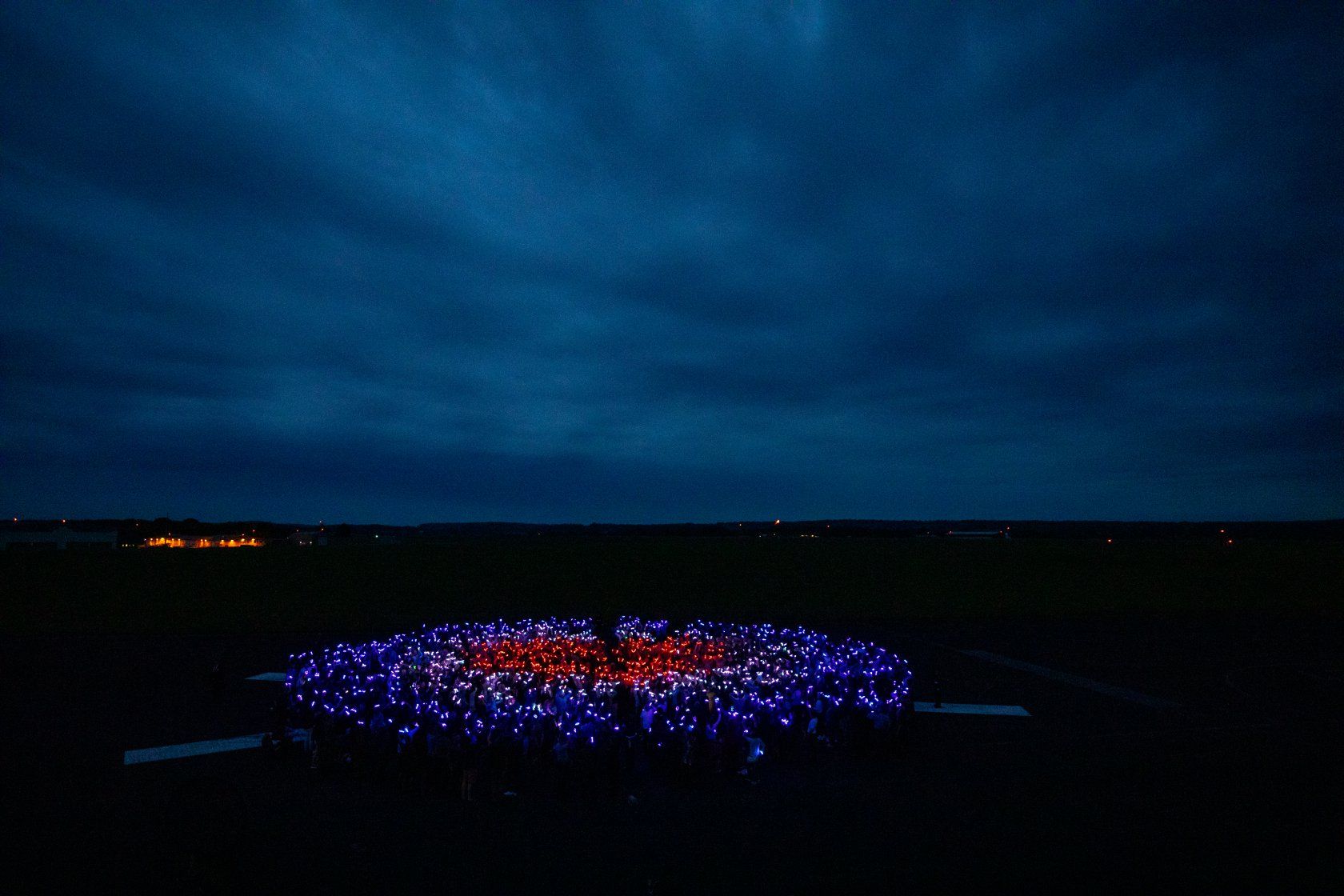
These corporate event activations, on a broadcast scale, demonstrate the power of immersive event technology to transform a passive audience into an active participant in the story.
The Unified Spectacle
Ultimately, the goal is to erase the distinction between lighting for the crowd and lighting for the camera. It’s about creating a single, cohesive visual language that speaks to both audiences simultaneously. It requires a deep understanding of the physics of light, the science of sensor technology, and the art of storytelling.
By transforming the audience into an intelligent, programmable canvas, we can create moments of breathtaking scale and intimacy. Whether it's with custom LED lanyards at a corporate summit or the iconic Coldplay Xylobands lighting up a stadium, the technology allows us to create a shared experience. We are no longer just lighting a show; we are lighting the human connection at its heart. For the modern producer, mastering this new medium isn't just an advantage—it's the new imperative for creating truly unforgettable immersive events.