The Unseen Collaboration: A Playbook for Artists, Tour Managers, and Creative Tech Partners
The Anatomy of a Modern Spectacle
Every unforgettable live show is born from a complex, high-stakes collaboration. It’s a triangle of trust and technical precision forged between three key players: the artist, the tour manager, and the creative technology partner. The artist holds the vision—the emotional and sonic core of the performance. The tour manager is the logistical anchor, navigating the labyrinth of venues, schedules, and personnel. And the creative tech partner provides the tools to transform that vision into a tangible, multi-sensory reality.
This dynamic is the unseen engine behind the world’s most ambitious tours and one-off spectaculars. When it functions seamlessly, the result is magic. When it breaks down, the vision remains just that—an idea. In our work with global sensations like Maluma and Wizkid, or large-scale productions for Formula One and ITV, we’ve seen firsthand how this collaborative core determines the success of a show. It’s not just about supplying hardware; it’s about integrating into a creative dialogue.
The Artist: The Visionary Core
It always starts with the artist’s vision. Whether it’s the raw energy of a festival set or the polished narrative of a stadium tour, the performance is an extension of their creative identity. They set the emotional tone, define the key moments, and imagine the connection they want to forge with their audience. This initial concept is the north star for every decision that follows.
A powerful example is the story of our own inception. When our founder, Jason Regler, envisioned a crowd illuminated in sync with Coldplay’s "Fix You," he was responding to the song's emotional core. That idea, born from the music itself, led to the creation of Coldplay Xylobands and a new paradigm in audience interaction. The artist’s intent is the seed from which all immersive event technology must grow. For a technology partner, the first job is always to listen—to understand the story the artist wants to tell and the feeling they want to evoke.
The Tour Manager: The Logistical Architect
If the artist is the visionary, the tour manager is the architect who draws the blueprint for reality. Their world is one of contracts, schedules, logistics, and zero-failure mandates. They are responsible for ensuring that every piece of the puzzle—from staging and sound to lighting and special effects—arrives on time, functions perfectly, and fits within the operational constraints of each venue, city, and country.
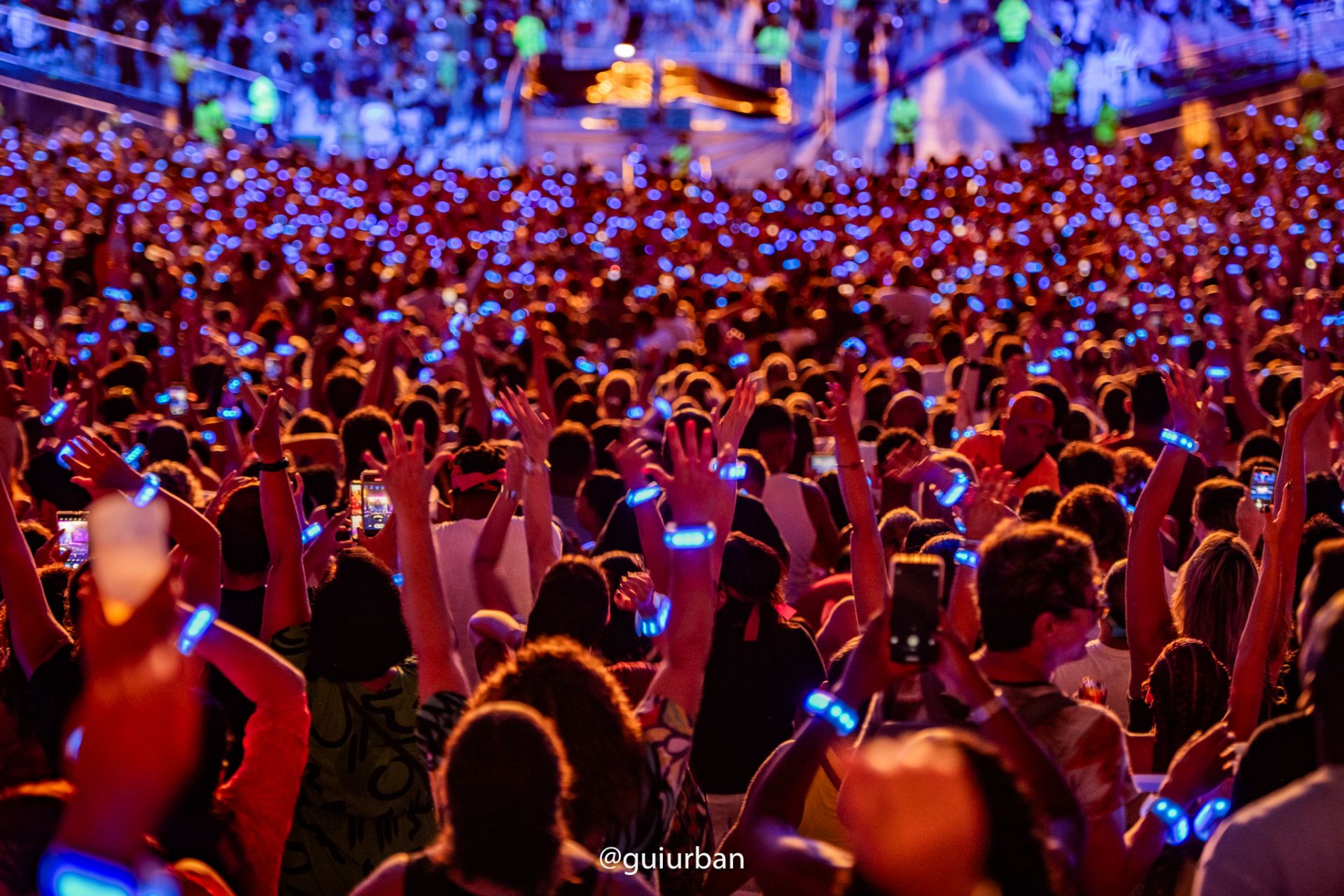
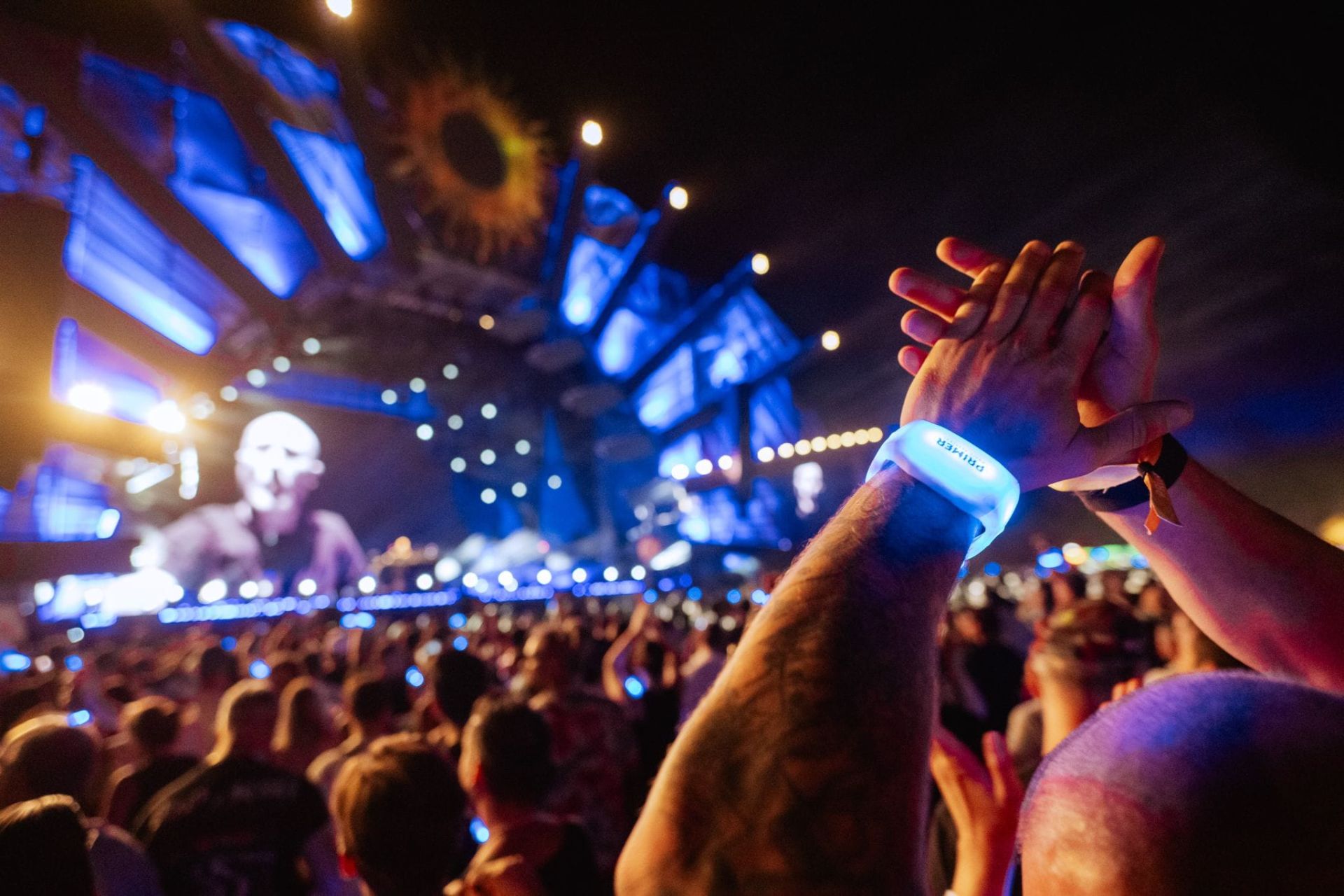
For a global artist like Maluma, whose 2022 Medellín concert was streamed to over 240 countries, the logistical complexity is immense. The tour manager’s role is to de-risk the entire operation. When we partner on a production of this scale, our dialogue with the tour manager is exacting. It’s about more than just concert wristbands; it’s about providing clear technical riders, streamlined deployment plans, and robust, reliable RF systems that work flawlessly in any environment, from an open-air festival like Primer to a dense, signal-heavy arena like The O2.
The tour manager doesn't just need technology that works; they need a technology partner who understands the unforgiving rhythm of a global tour.
The Creative Director & Tech Partner: The Vision Realized
The creative director acts as the bridge, translating the artist’s abstract vision into concrete technical and visual language. They work hand-in-hand with the technology partner to design the sensory experience of the show. This is where the true alchemy happens—where light, sound, and space are choreographed to amplify the performance.
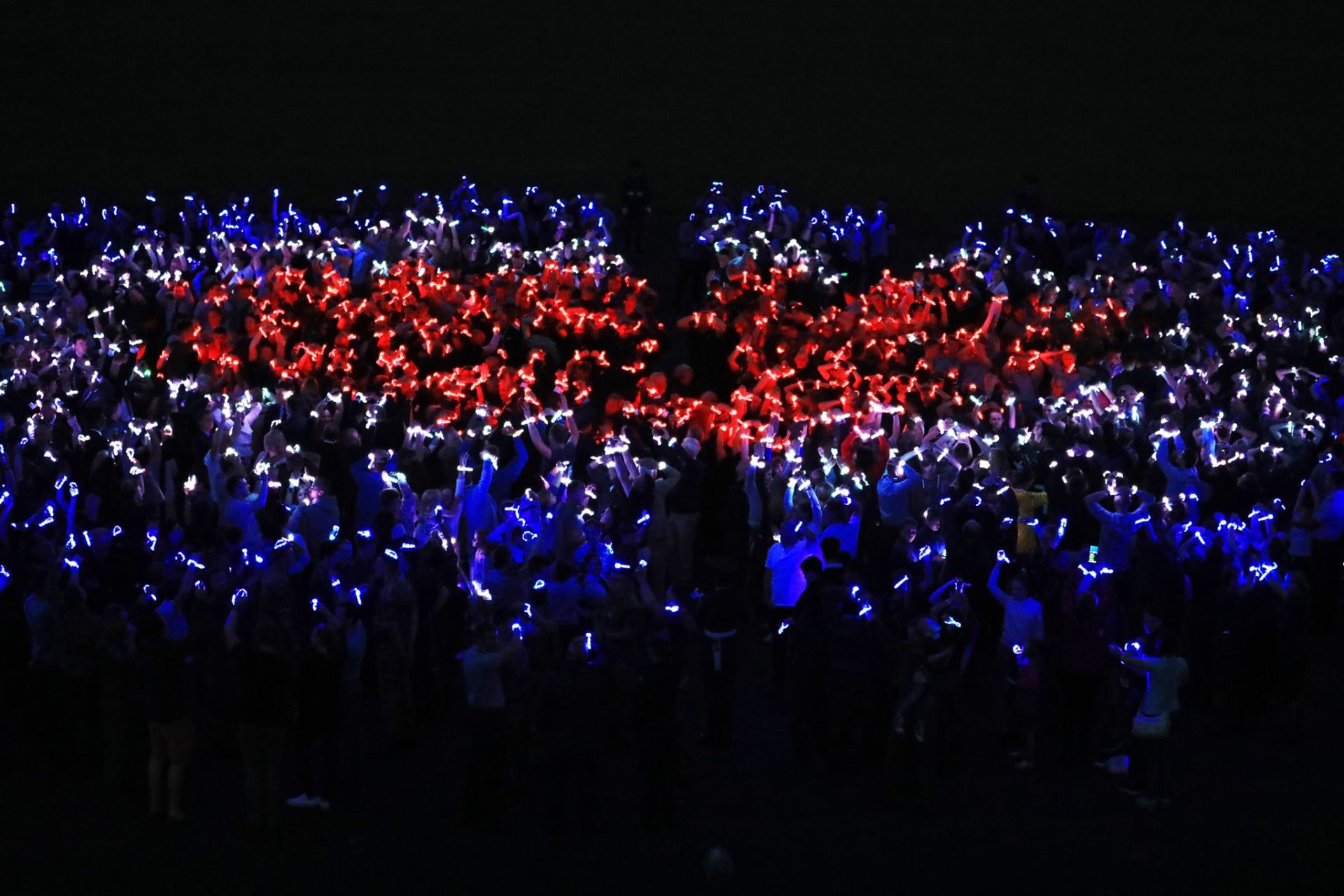
Our role as a creative tech partner is to expand the canvas of possibilities. When an artist wants to create a moment of unity, we can use radio controlled LED wristbands to turn 80,000 individuals into a single, pulsing organism of light. When a creative director wants to build narrative tension, we can segment the audience, creating waves of colour that sweep across a stadium. We provide not just LED bands or LED lanyards, but a powerful lighting instrument that can be played in real-time.
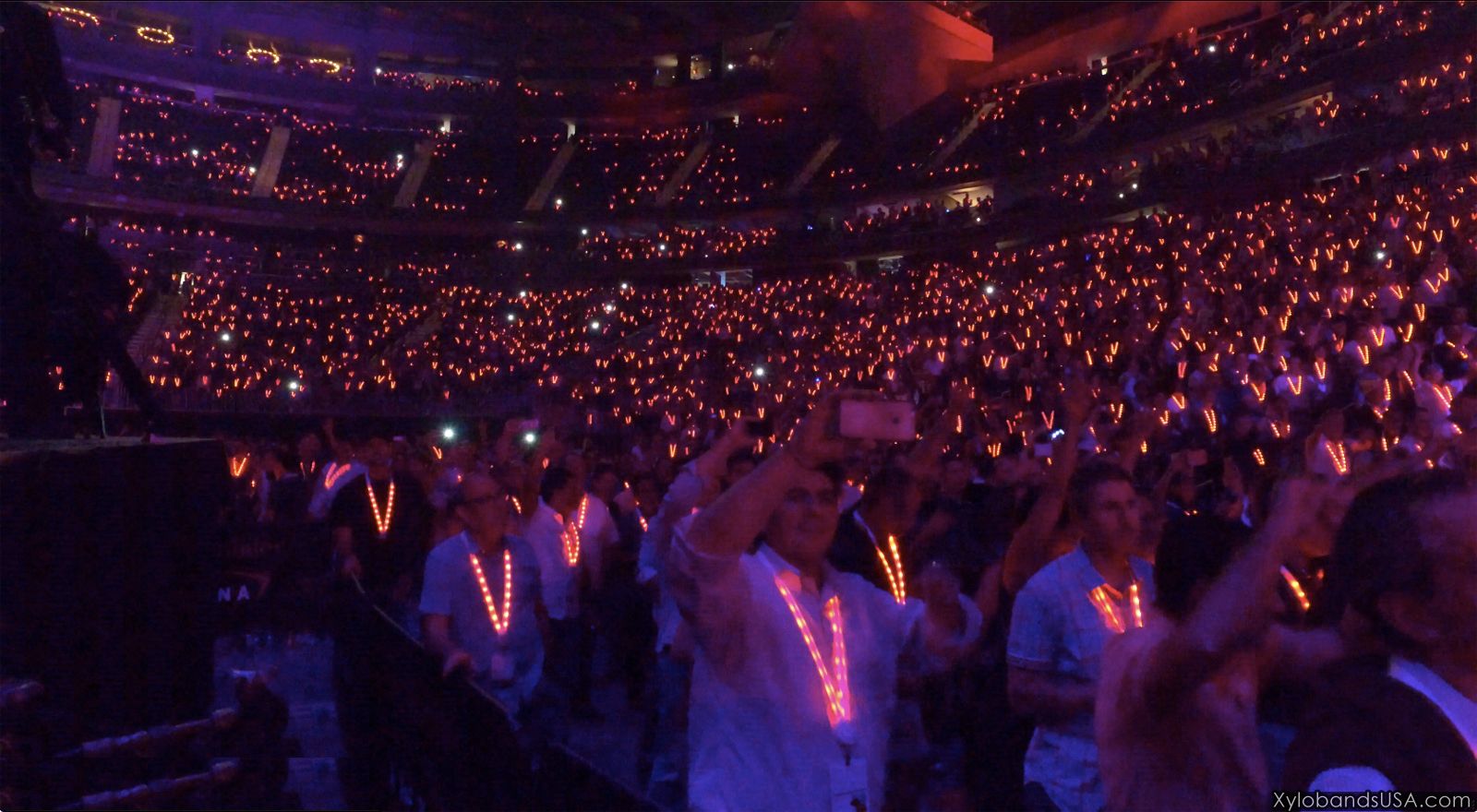
This collaboration is a feedback loop. An artist might suggest an effect, and we might propose a new application of our wearable LED technology to achieve it in a more powerful way. During the F1 75th anniversary event, the creative team wanted to integrate dynamic effects that reflected team allegiances and hospitality tiers. We developed custom-branded Xylo Pendants and mapped their distribution in the arena to give the designers precise control over the visual flow of the show, making the crowd an integral part of the live broadcast.
The Playbook for Seamless Collaboration
Building a successful collaborative triangle rests on a foundation of shared principles:
- Early Integration: The most successful projects begin with early conversations. Bringing the technology partner into the creative process from the outset allows for genuine innovation, rather than treating special effects as a last-minute addition.
- Shared Language: Artists, tour managers, and tech teams often speak different professional languages. The key is to establish clear communication channels and a shared understanding of the goals. It’s about translating creative ambition into technical specification, and logistical constraints into creative challenges.
- Trust Through Reliability: For a tour manager, trust is earned through flawless execution. For an artist, it’s earned by enhancing their vision without compromising it. Delivering robust, reliable LED event technology, show after show, is non-negotiable. From Glastonbury to global tours, the system has to work, every time.
- Flexibility and Adaptation: No show plan survives first contact with reality. A great tech partner must be agile, ready to adapt to changing creative ideas or unforeseen technical challenges on-site. The goal is always the same: to serve the show and elevate the experience.
The Result: A Unified Experience
When this collaborative model succeeds, the boundary between artist, audience, and technology dissolves. The show ceases to be something you simply watch and becomes something you are a part of. The light in your hand, on your wrist, or around your neck becomes a direct connection to the stage, making you a pixel in a vast, living canvas. These are the LED crowd experiences that define modern live events—moments of shared euphoria, meticulously engineered by a team you’ll never see, but whose work you will feel long after the lights go down.