The Unseen Conductor: An Inside Look at LED Wristband Technology
The Unseen Conductor: An Inside Look at LED Wristband Technology
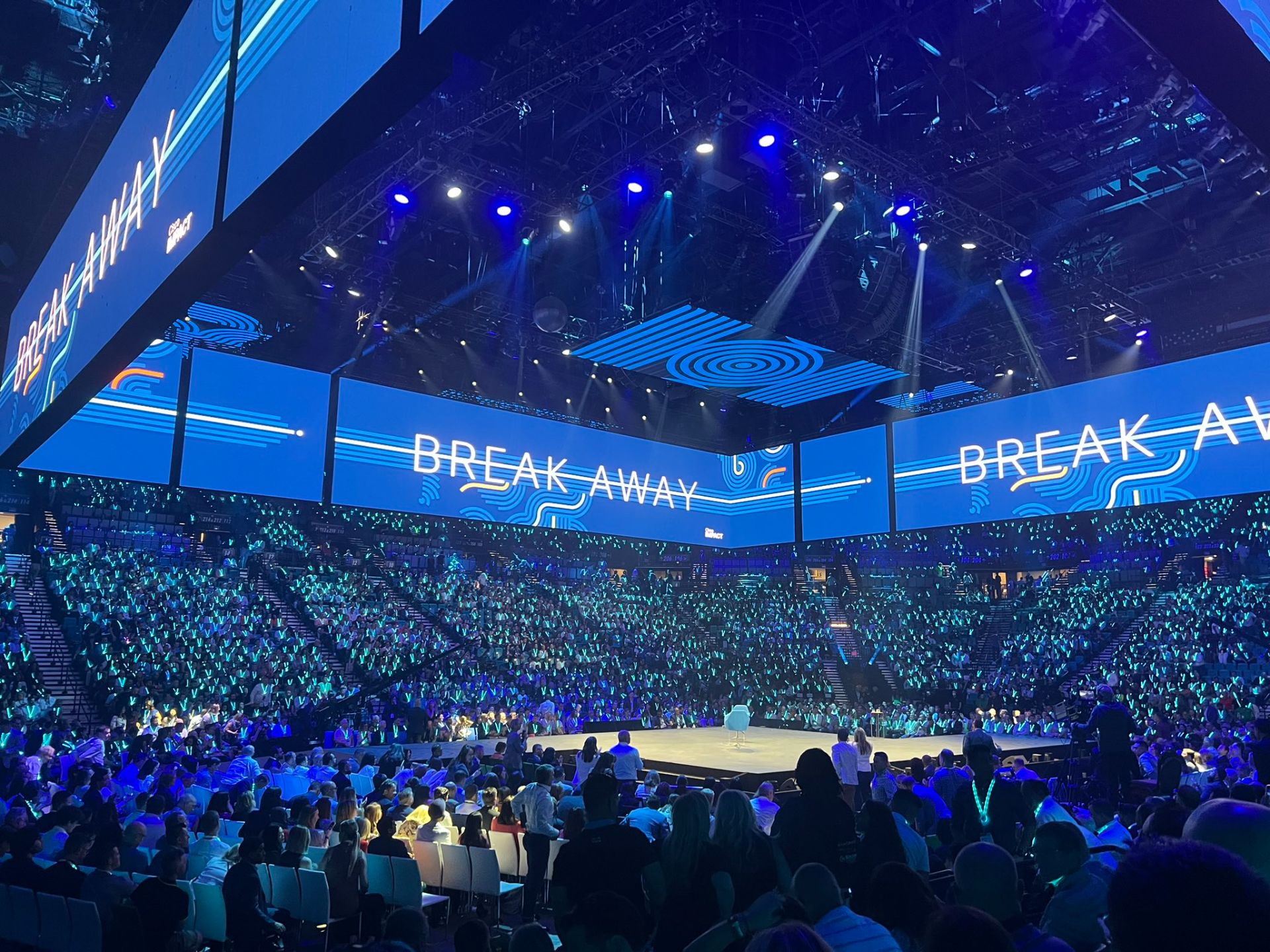
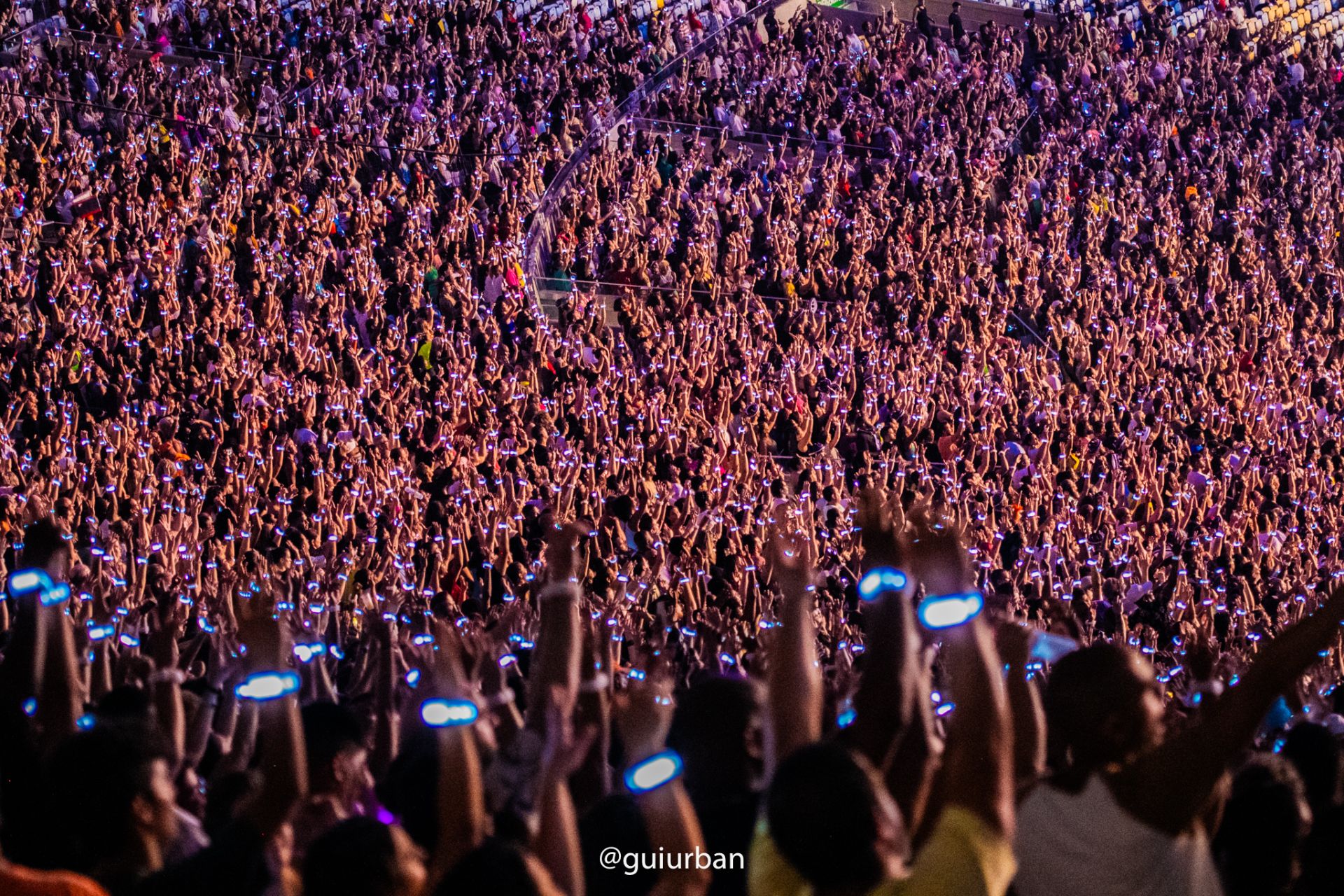
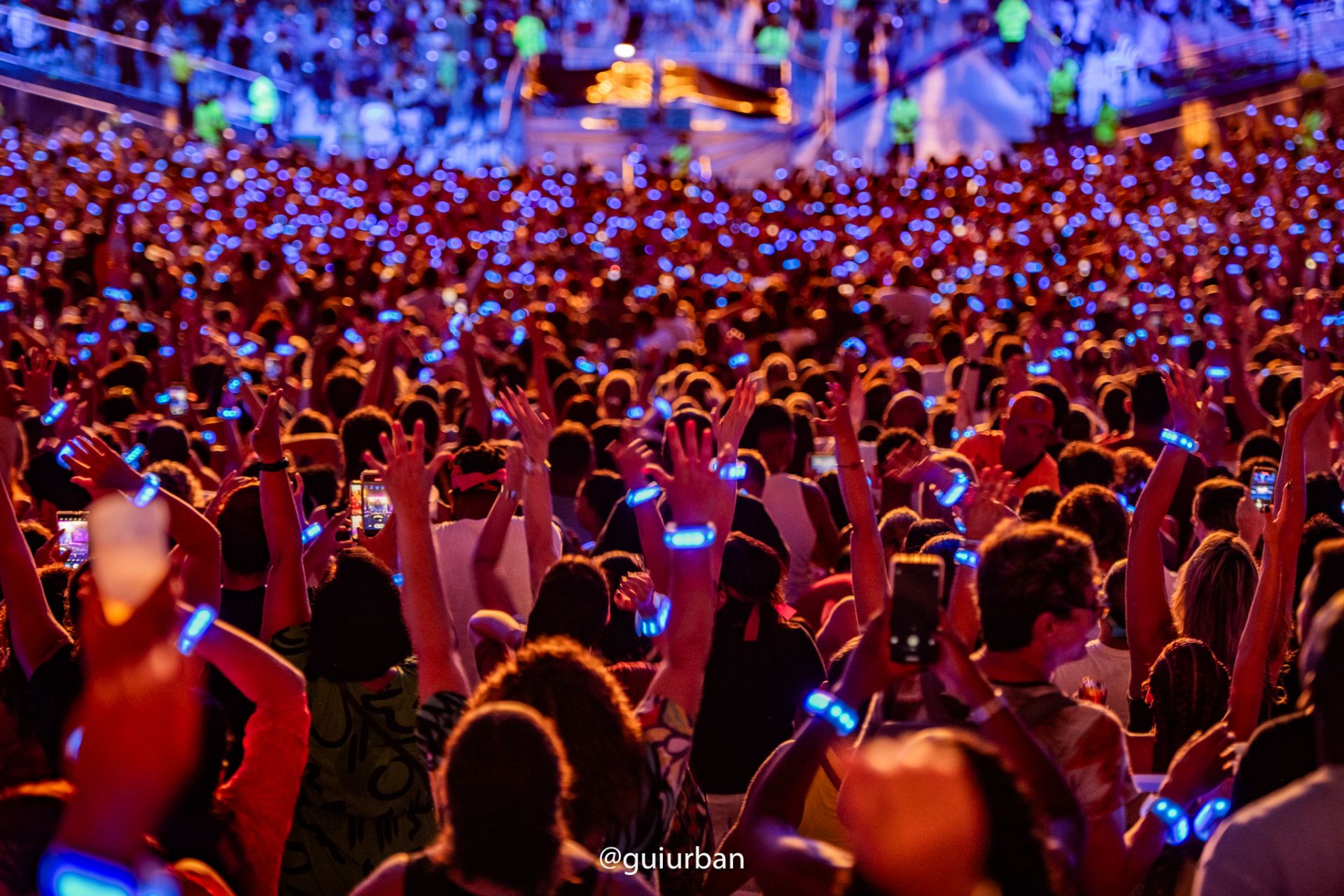
In the electrifying atmosphere of a packed stadium or the focused energy of a corporate keynote, a moment occurs. Tens of thousands of individual lights, worn on the wrists of every audience member, flash in perfect unison. They paint the space with colour, trace the beats of a song, and create a singular, shared spectacle. This is the magic of Xylobands, but it’s not magic — it’s a mastery of technology. These LED crowd experiences, which have transformed everything from Coldplay tours to Formula One celebrations, are powered by a sophisticated, unseen conductor: a trio of wireless technologies.
For event producers, tour managers, and brand marketers, understanding the engine behind these immersive events is crucial. The choice of technology dictates the scale, precision, and interactive potential of the experience. It’s the difference between a simple flash of colour and a complex, responsive light show that becomes an integral part of the narrative. Let’s go behind the curtain and explore the three core technologies that make these moments possible: Radio Frequency (RF), DMX, and Infrared (IR).
RF: The Engine of the Arena
Radio Frequency is the workhorse of large-scale LED experiences. It is the technology that allows a single operator to command a stadium-sized crowd, turning every individual into a pixel in a colossal human canvas. The principle is elegant in its power: a central transmitter sends out a radio signal across a designated area, and every wristband within that zone responds instantly and in perfect sync.
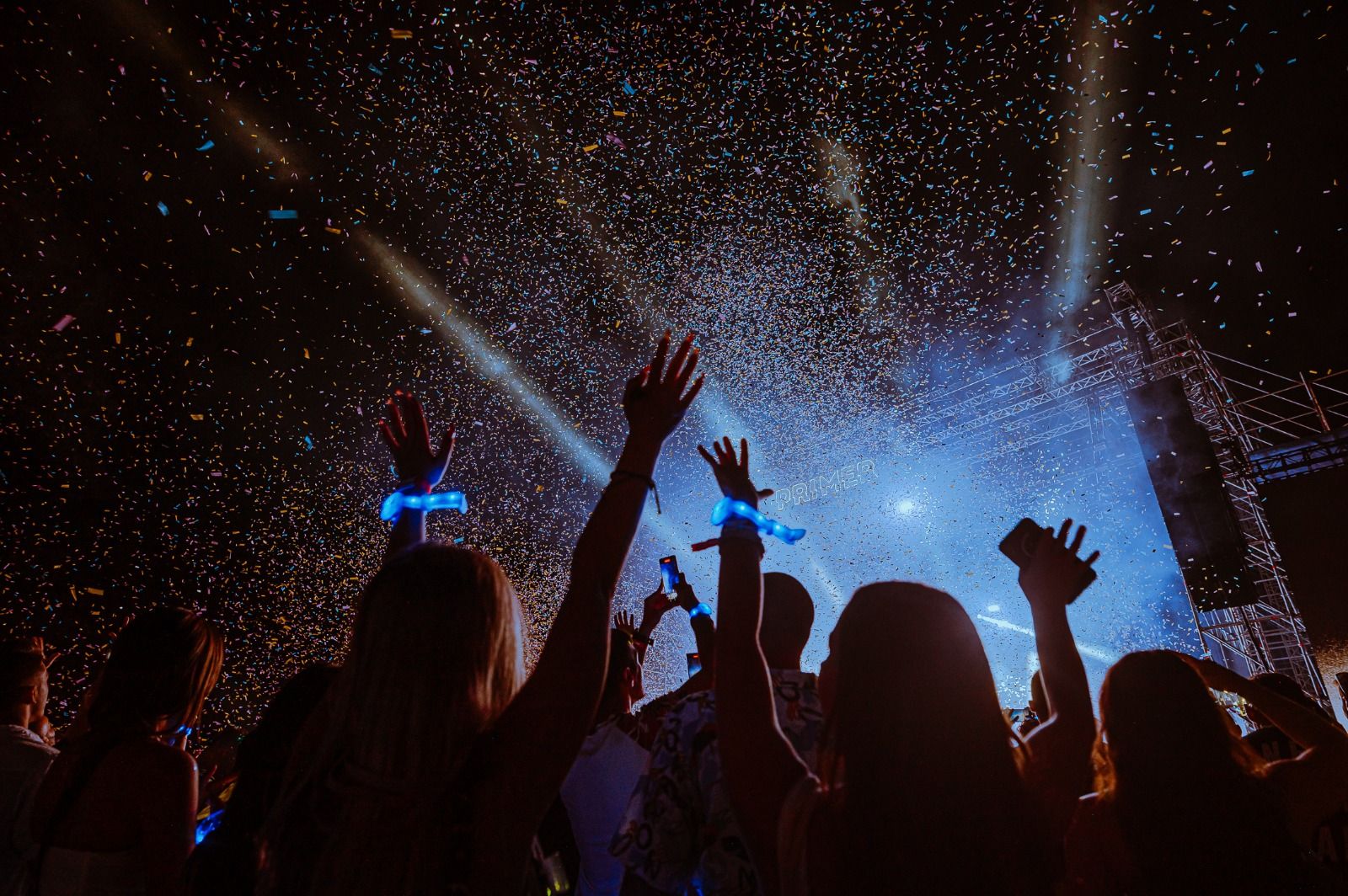
Our proprietary RF system is built for the demanding environment of live events. It operates on a robust frequency that cuts through the noise of thousands of mobile phones and other wireless devices, ensuring a zero-failure environment. The range is immense, capable of covering the largest stadiums and festival fields, as seen at events like the PRIMER Music Festival in Athens or with global artists like Maluma in his hometown concert in Medellín.
The system is not just about on/off commands. The operator can send instructions for a vast spectrum of colours, strobing patterns, fades, and pulses. By dividing the audience into zones, our technicians can create waves of light, spell out words, or highlight specific sections of the crowd, making the radio controlled LED wristbands a dynamic and versatile tool for creative expression. This is the power behind the iconic Coldplay Xylobands, the genesis of our journey.
DMX: The Language of Light
While RF provides the scale, DMX (Digital Multiplex) provides the precision. Originating in the world of theatrical and concert lighting, DMX is the industry-standard protocol for controlling intelligent lighting fixtures. We’ve adapted this powerful language to communicate directly with our wearable LED technology, creating a seamless bridge between the main show lighting and the audience itself.
By integrating with a DMX controller, our LED bands can be programmed as if they were another set of lights in the production rig. This allows for an unparalleled level of synchronicity and creative control. Every colour change, every pulse, every subtle fade happening on stage can be perfectly mirrored by the audience. This is essential for broadcast-ready events, like our work with ITV for shows such as ‘Beat The Chasers,’ where the lighting on the crowd must be perfectly choreographed for the cameras.
This integration turns the audience from a passive observer into an active extension of the stage design. A lighting designer can now paint with a much broader palette, using the crowd to extend the visual themes of the show right to the back of the arena. It’s a key component in creating truly immersive event technology, blurring the lines between spectator and spectacle.
Infrared (IR): The Power of Proximity
Where RF covers the macro and DMX provides creative integration, Infrared (IR) technology delivers micro-level interaction. Unlike the wide broadcast of radio waves, infrared operates on a line-of-sight basis, sending targeted beams of light (invisible to the human eye) to trigger wristbands in specific, hyperlocal zones.
This is the secret behind creating interactive zones and location-based effects within an event space. Imagine walking through an entrance tunnel and having your wristband light up with a specific welcome colour. Picture an exhibition stand at a trade show where your custom LED wristband or LED lanyard activates with the brand’s colours as you approach. This is the power of IR.
We deploy compact, strategically placed IR transmitters to define these zones. They can be mounted in ceiling trusses, hidden within scenic elements, or placed at doorways. When a wristband passes through the transmitter’s beam, it receives a command, triggering a pre-programmed lighting effect. This capability is invaluable for corporate event activations, where guiding attendees, highlighting sponsor zones, or creating interactive game-like experiences can dramatically increase engagement.
The Symphony of Signals
The true artistry of modern LED event technology lies not in using one of these technologies, but in orchestrating all three. A global music tour might use RF for the main show’s mass synchronisation, DMX for perfect musical timing during broadcast-critical moments, and IR transmitters at the merchandise stands to trigger a special flash for new purchasers. A festival might use RF to light up 80,000 fans for a headline act while using IR to create unique light shows within specific tents or stages, turning their festival wristbands into a dynamic pass for the entire experience.
From a single spark of an idea at Glastonbury to a global standard in live entertainment, the technology has evolved, but the mission remains the same: to deepen the connection between the artist and the audience, the brand and the consumer, and the individual and the crowd. By understanding the unseen signals that command the light, we can design more powerful, more memorable, and more deeply human experiences.