The Unseen Hierarchy: A Blueprint for Leadership in Creative Production
The Command Chain is a Myth
In the high-stakes world of touring, production, and creative agencies, the traditional image of leadership—a single figure at the top of a pyramid, issuing commands—is a dangerous illusion. On the ground, amidst the controlled chaos of a global tour, a festival build, or a live broadcast, success hinges not on one leader, but on many. The true command chain is a fluid, distributed network of expertise, where authority is earned through experience and decisions are made by those closest to the action. This is the unseen hierarchy, a blueprint for leadership built on trust, delegation, and unwavering accountability.
Think of the final moments before a show goes live. The lighting director is finalising cues, the audio engineer is balancing levels for a 50,000-person stadium, and the tour manager is solving a last-minute logistical puzzle. Each is a leader in their own domain. There is no time for a lengthy chain of command; there is only time for decisive, expert action. This model of distributed leadership is what separates a flawless spectacle from a potential catastrophe.
The Anatomy of Elite Production Teams
Elite production teams, whether for a stadium tour like those for Maluma or Wizkid, or a complex broadcast event for clients like Formula One or ITV, are built around a core of seasoned specialists. These individuals—the production managers, technical directors, and creative leads—form a leadership cadre. Their authority doesn’t come from a title alone, but from a proven track record of performing under immense pressure.
This leadership structure is defined by several key principles:
- Domain Expertise as Authority: The person with the most expertise in a specific area leads that area. The video director has the final say on screen content; the RF coordinator owns the wireless spectrum. This ensures that the most informed decisions are made at every level.
- Radical Trust: Micromanagement is the enemy of agility. Leadership must trust their specialists implicitly to execute their roles. This trust is the currency of high-stakes production. It allows a tour manager to focus on the macro logistics, knowing the micro details of the wearable LED technology are being handled by a dedicated tech team.
- Clear Lines of Communication: While leadership is distributed, communication is centralized and clear. Everyone knows who to report to for specific issues, creating a streamlined flow of information that prevents confusion without creating bottlenecks.
Case Study in Action: The Broadcast-Ready Spectacle
The complexity of this model is magnified when an event is designed for both a live and broadcast audience. Consider the intricate planning for a major televised event. The lighting must be perfect not just for the fans in the arena, but for the millions watching at home. This requires a leader who can bridge the worlds of live production and broadcast engineering.
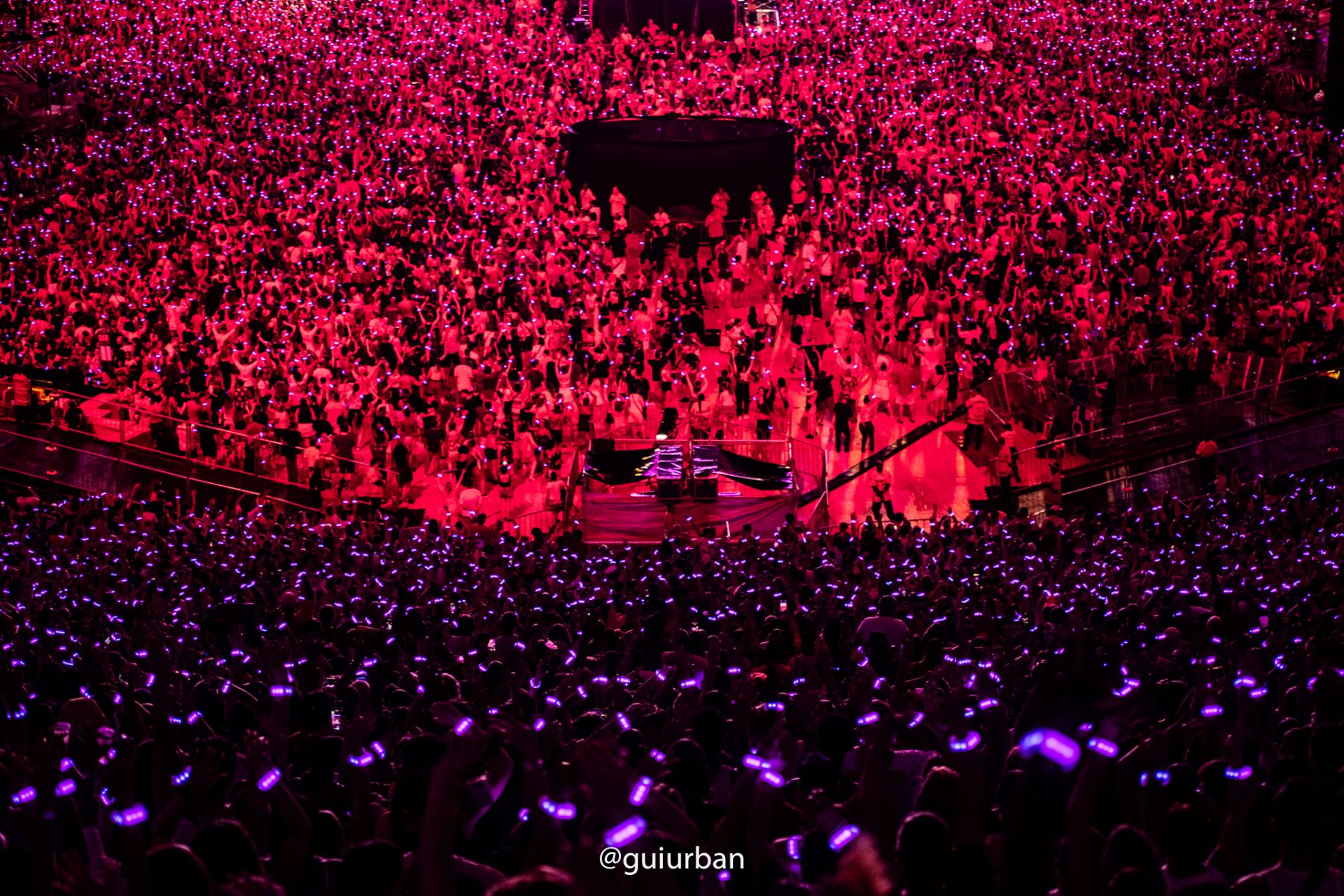
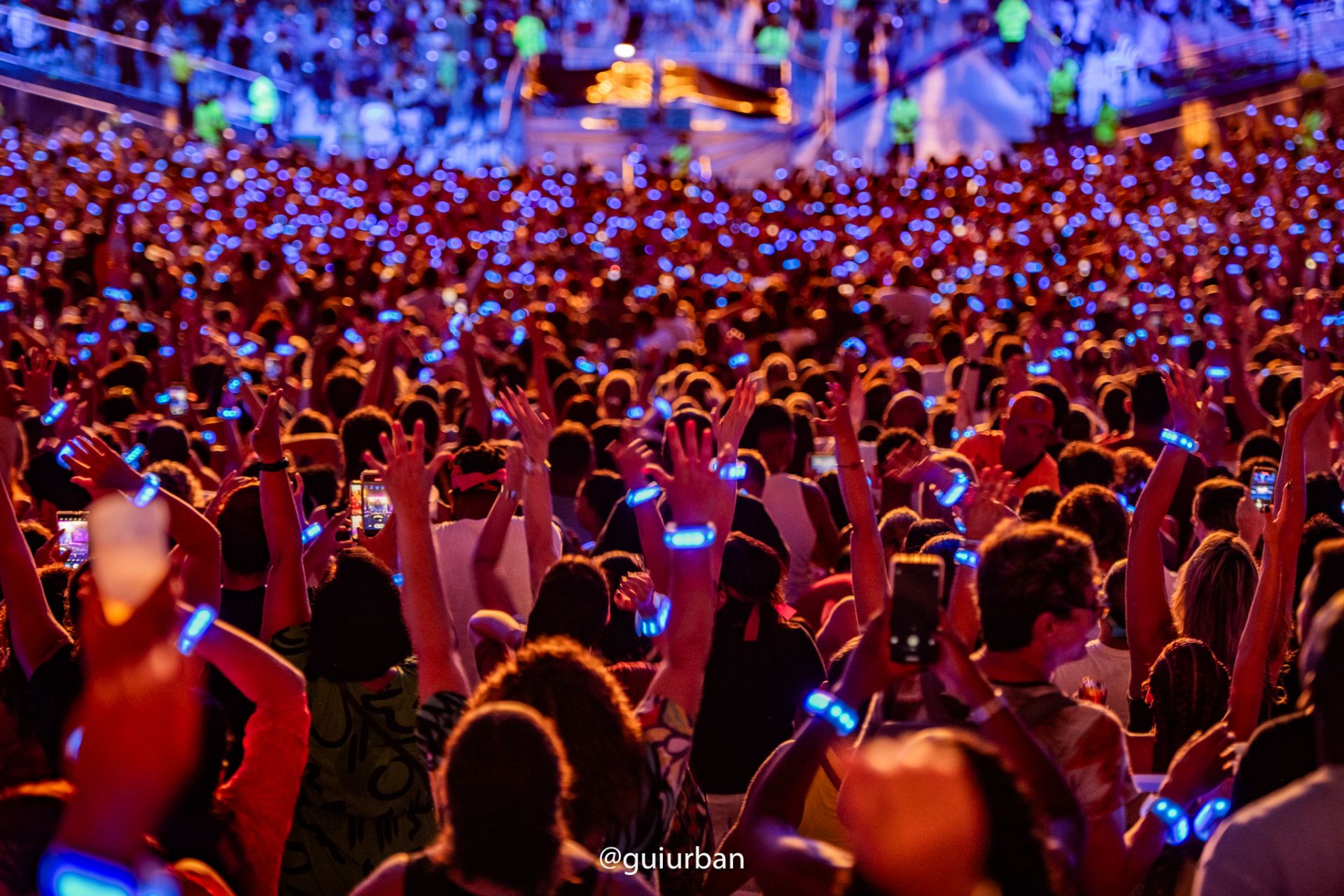
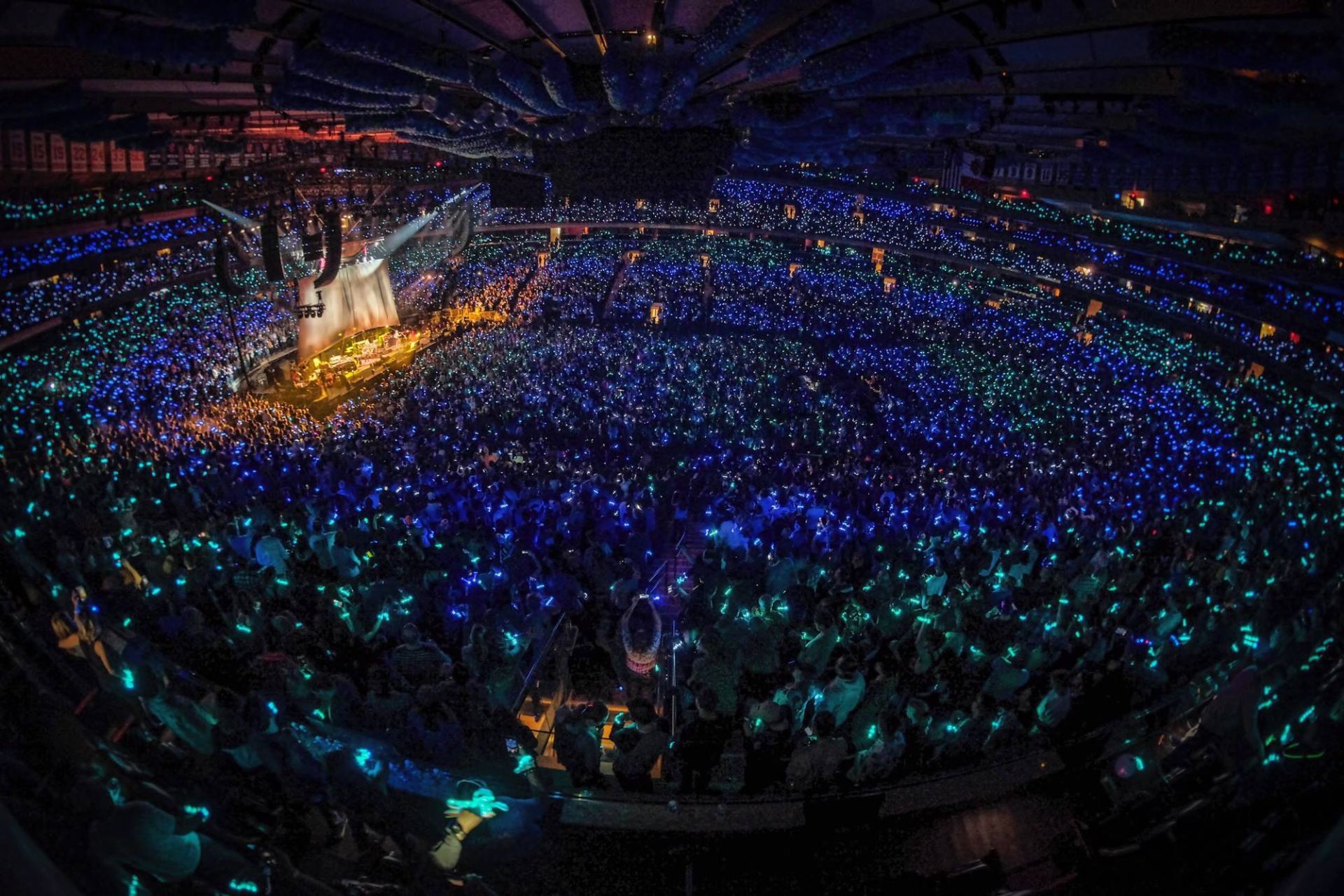
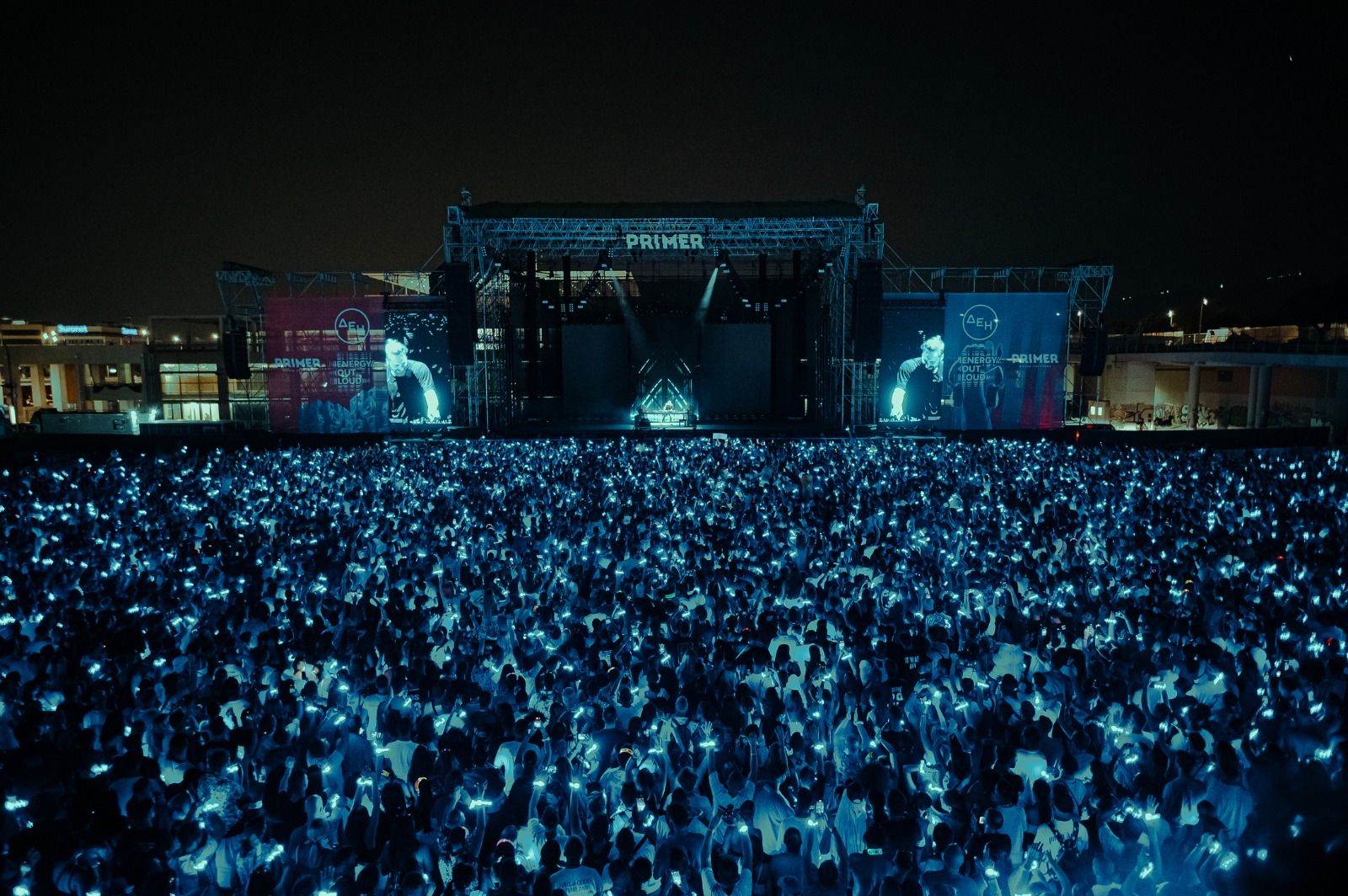
When Xylobands technology is integrated into these events, our technical teams become a vital node in this leadership network. For large-scale broadcasts, our project managers and technicians work directly with the show’s creative and technical directors. We don’t just supply LED wristbands; we provide a fully managed service, embedding our own experts into the production’s command structure. Our team is responsible for the seamless deployment and operation of our system, from antenna placement to cue programming. The show director doesn’t need to worry about the intricacies of radio-frequency control; they just need to know that when they call for the crowd to light up, it will happen flawlessly.
This deep collaboration is a form of specialized leadership. It’s about taking complete ownership of a critical component of the show, thereby freeing up other leaders to focus on their own areas of responsibility. It’s a symbiotic relationship that ensures every element of the production is executed at the highest level.
Cultivating the Next Generation of Leaders
Beyond Technical Skill
Developing leaders in this industry goes beyond teaching technical skills. It’s about cultivating a specific mindset. It involves mentoring junior members to understand the entire production ecosystem, not just their individual roles. A lighting technician on a major tour isn't just programming lights; they are learning how their work impacts video, staging, and even artist performance.
This holistic understanding is crucial. The best leaders are those who can anticipate the needs of other departments and make decisions that benefit the entire show. They see the big picture and understand their place within it. They know that a successful production is a symphony of moving parts, and their job is to ensure their instrument is perfectly in tune with the rest of the orchestra.
The Mandate for Clarity and Calm
Ultimately, the hallmark of great leadership in production is the ability to maintain clarity and calm under extreme pressure. When something inevitably goes wrong, it is the leader’s responsibility to absorb the pressure, assess the situation, and guide their team to a solution without panic. This composure is contagious. It builds resilience within the team and reinforces the trust that is so essential to the unseen hierarchy.
In the world of live events, the show doesn't just go on—it is willed into existence by a network of dedicated leaders, each a master of their craft. From orchestrating corporate event activations to managing the complex logistics of global tours, this distributed model of leadership is the unseen engine that powers the spectacle. It’s a testament to the power of collective expertise and a blueprint for anyone aspiring to lead in the dynamic and demanding world of creative production.