The Unseen Hierarchy: A Leadership Model for High-Stakes Live Production
The Unseen Hierarchy: A Leadership Model for High-Stakes Live Production
In the cinematic portrayal of live events, there’s always a singular genius. A lone creative director, hunched over a console, calling cues that ripple through a stadium. Or a tour manager, headset clamped on, barking orders that avert disaster at the last second. It’s a compelling image, but in the intricate reality of modern tour, festival, and broadcast production, it’s a fiction. True leadership in this high-stakes world isn’t a pyramid; it's a constellation.
The machinery of a global tour, a major sporting event like the Davis Cup, or a live broadcast for a client like ITV is too vast and complex for one person to command directly. The variables are too numerous, the timelines too compressed. Effective leadership isn't about concentrated authority. It’s about the intentional distribution of it. It’s about building an unseen hierarchy based on deep, earned trust and specialized expertise—a framework where every team lead is empowered to make critical decisions within their domain, confident that their counterparts are doing the same.
The Choreography of Trust
Think of the rollout for a major international tour for an artist like Maluma or Wizkid. The tour manager doesn’t personally oversee the rigger checking every motor, the lighting tech addressing every fixture, or the logistics lead navigating customs in a new country. Instead, they trust their department heads. That trust isn’t blind; it’s forged over years of shared experience, proven competence, and a mutual understanding of the artist's creative vision. The tour manager’s role is to ensure every department lead has the resources, clarity, and autonomy they need to execute their part of the plan flawlessly.
This model thrives on a principle of "cascading intent." The artist and their creative director establish the vision. This vision is then translated by production and tour leadership into a strategic and operational blueprint. Department heads—from lighting and sound to video and special effects—then take that blueprint and build their own detailed execution plans. A lighting designer, for instance, isn’t just told to "make it look good." They are given the emotional arc of the show, the key moments to accentuate, and the technical parameters to work within. Their leadership is then expressed in how they translate that intent into a tangible design and direct their own team to implement it.
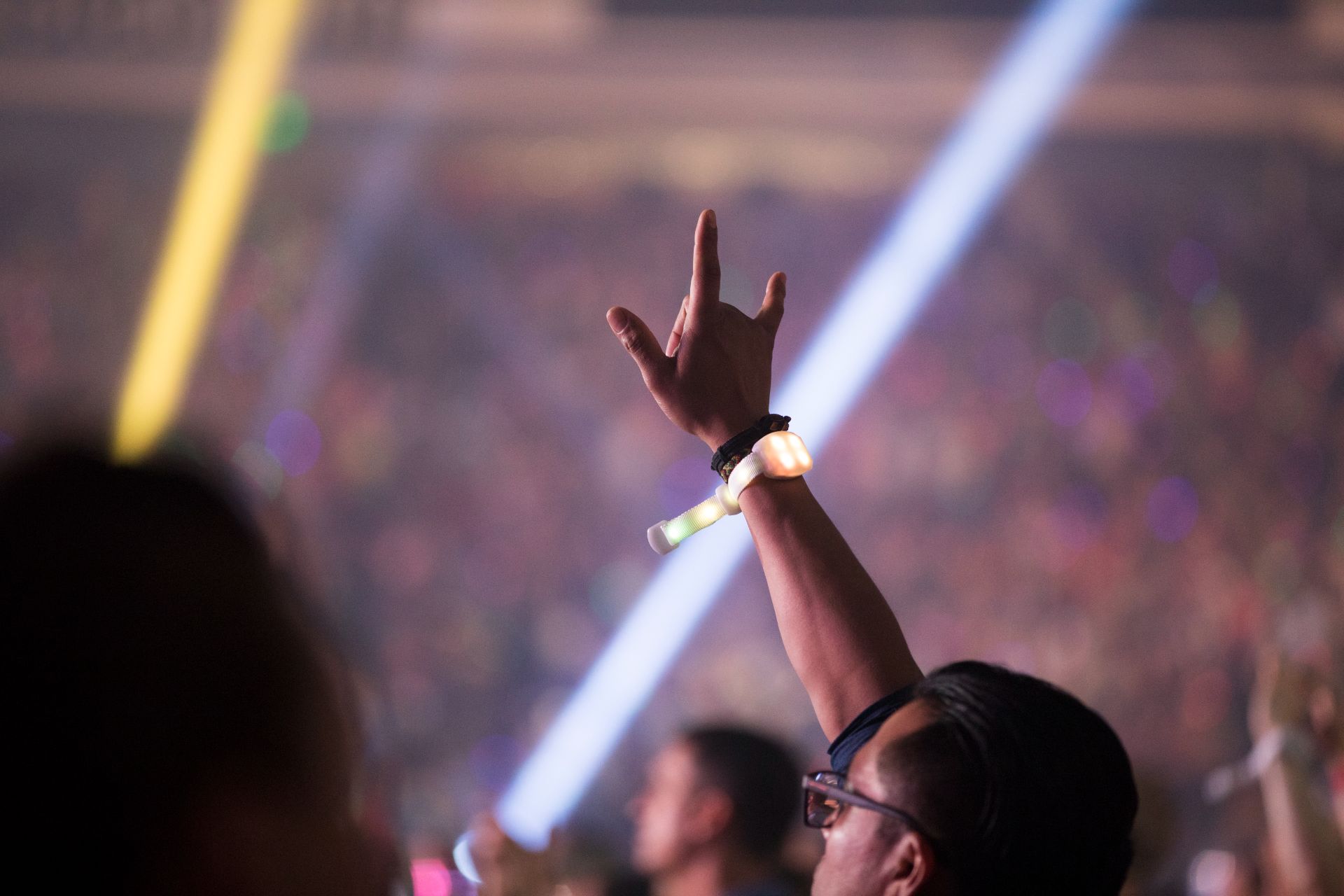
This isn’t about delegating tasks; it’s about distributing ownership of the outcome. When the lighting crew for a massive festival deploys thousands of radio-controlled LED wristbands, their success is not just about technical execution. It’s about understanding the creative goal—to transform the crowd from spectators into a single, pulsating entity of light.
Specialization as a Leadership Tenet
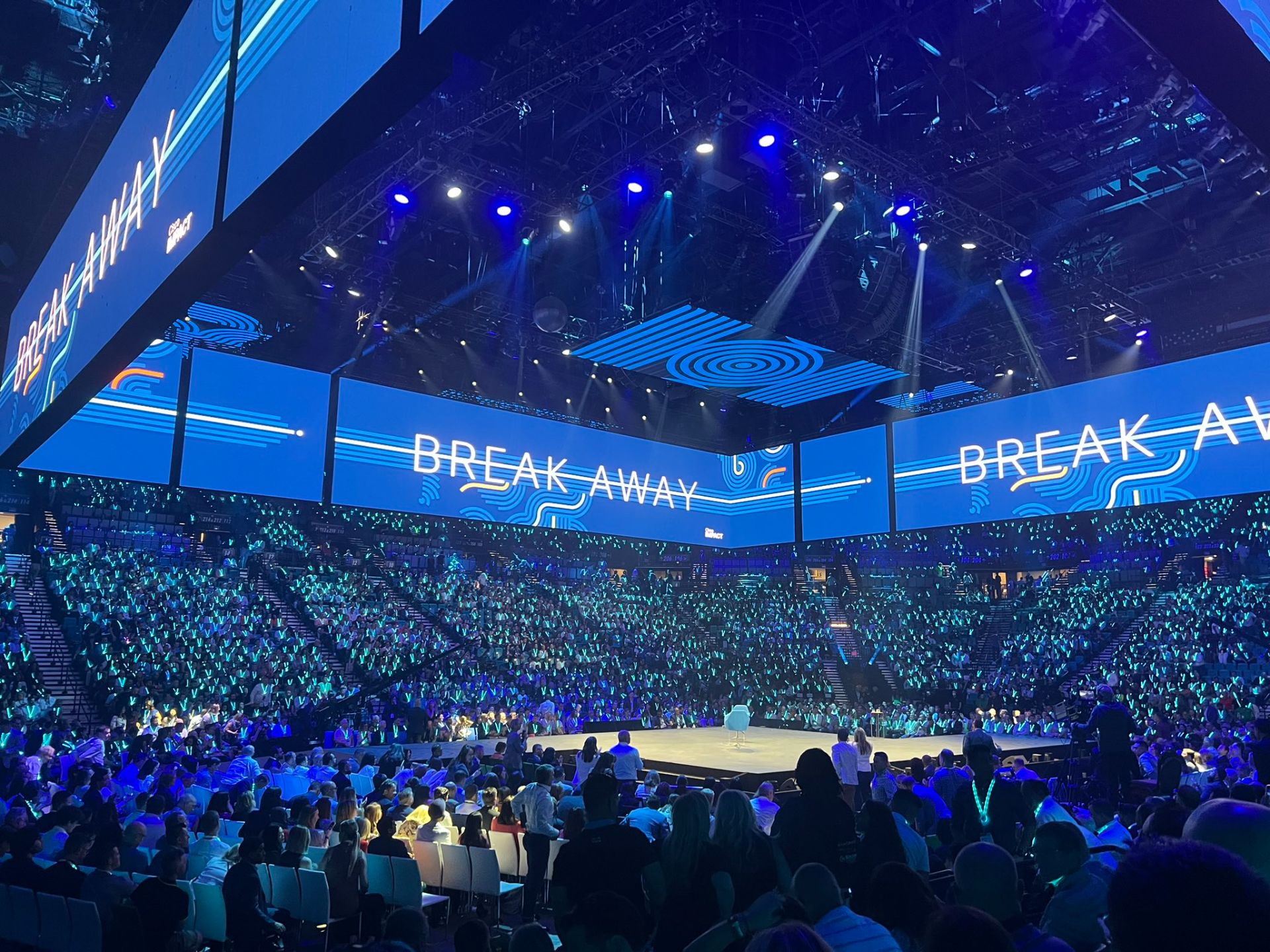
In no other industry is deep specialization so critical. The team behind the immersive event technology at a Formula One celebration isn’t just a group of generalist technicians. It’s a unit of experts in RF transmission, power management, software programming, and rapid deployment logistics. We saw this firsthand when providing custom LED Lanyards for F1’s 75th-anniversary event. The creative team had a vision for segmenting the arena by team and hospitality level, creating dynamic, brand-specific lighting effects across the audience. This required our distro team to become leaders in spatial logistics, meticulously placing 13,000 pendants to ensure the programming translated perfectly into the physical space.
This level of specialization requires a leadership model that respects expertise. The overall show director doesn’t need to understand the intricacies of DMX programming or radio-frequency allocation. They need to trust that their lighting director and technology partners do. Their job is to articulate the "what" and the "why," and to empower their specialists to determine the "how."
- Clarity of Vision: Leadership starts with a clear, compelling creative and operational vision that is effectively communicated to all department heads.
- Empowerment, Not Micromanagement: Department leads must be given the autonomy to lead their own teams and make decisions within their areas of expertise.
- Radical Trust: The entire structure is underpinned by a deep, earned trust in the competence and commitment of each team member.
- Seamless Communication: While command is distributed, communication must be centralized and frictionless, ensuring everyone is working from the same playbook.
Leading in the Language of Light and Sound
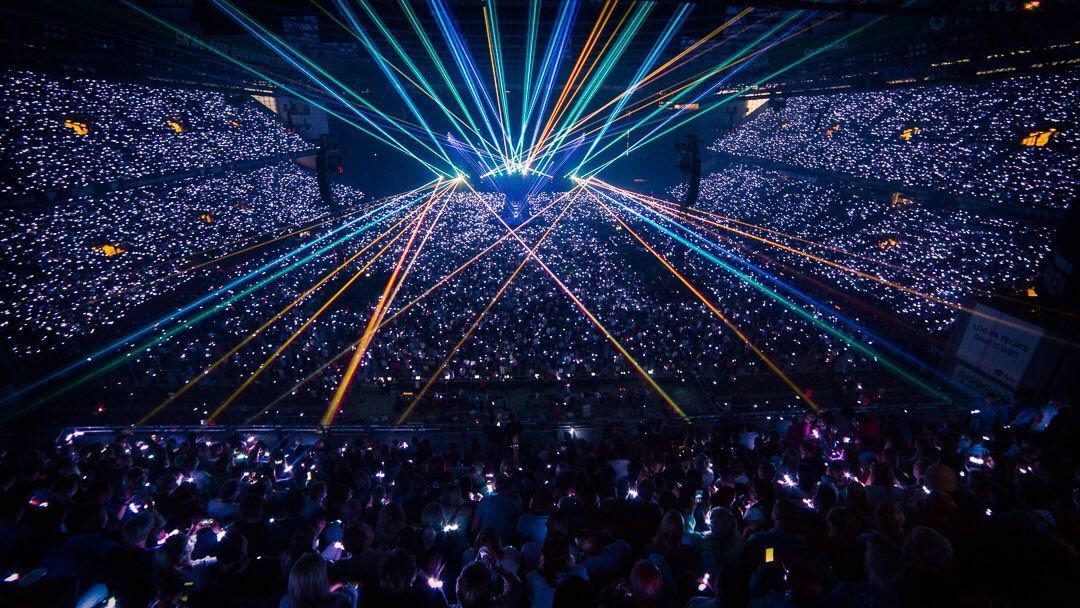
Ultimately, the output of this complex leadership structure is a singular, coherent experience. When the audience at a festival like Primer in Greece is swept up in a wave of light from their festival wristbands, they aren’t thinking about the chain of command. They are feeling the result of it. They are experiencing a moment of pure, collective immersion, whether through concert wristbands, LED Orbs, or other forms of wearable LED technology.
These moments are the product of an invisible, yet powerful, leadership philosophy. It’s a choreography of command, a system where authority flows not from a single point, but through a network of trusted experts, all aligned to a single purpose: to execute a flawless show. In the high-stakes world of live production, the strongest leader isn’t the one who makes every decision, but the one who builds a team that doesn’t need them to.