The Unseen Scaffold: Lessons in Building a Global Event-Tech Company
The Spark and the Scaffold
Every venture begins with a spark. For Xylobands, it was a lyric — "Lights will guide you home" — heard across a field at Glastonbury Festival. The idea was simple but profound: what if the audience could become the light show? This question was the seed of a global enterprise, but an idea alone doesn’t build a company. It requires a scaffold: a framework of strategy, resilience, and relentless execution that allows the initial vision to be built into something that can stand on the world stage.
Building a company that operates at the intersection of live entertainment and technology is a unique challenge. You are not just selling a product; you are delivering an experience. The product — whether it's our iconic LED wristbands or newer innovations like LED lanyards and orbs — is merely the vehicle. The real deliverable is the collective gasp of a stadium, the shared pulse of a festival, the unified glow of a corporate arena. This requires a dual mindset: the creative vision of a show designer and the pragmatic rigor of a logistics expert.
Lesson 1: Your First Client is Your Most Important Investor
The transition from a concept to a tangible product is often the most perilous stage for an entrepreneur. For Xylobands, the belief of our first major client, Coldplay, was more valuable than any venture capital. They didn't just buy a product; they invested in a vision. This collaboration was instrumental, transforming a raw idea into a road-tested piece of immersive event technology that would soon become a global phenomenon on their Mylo Xyloto tour.
This early partnership taught us a foundational lesson: seek clients who are partners. Find collaborators who see the potential in your vision and are willing to help you refine it. Their insights, their standards, and their scale will force you to professionalize faster than any business plan. From a technical standpoint, the demands of a world tour provided the ultimate stress test, shaping our R&D and operational playbook for years to come.
Lesson 2: Scale is a Question of Process, Not Just Production
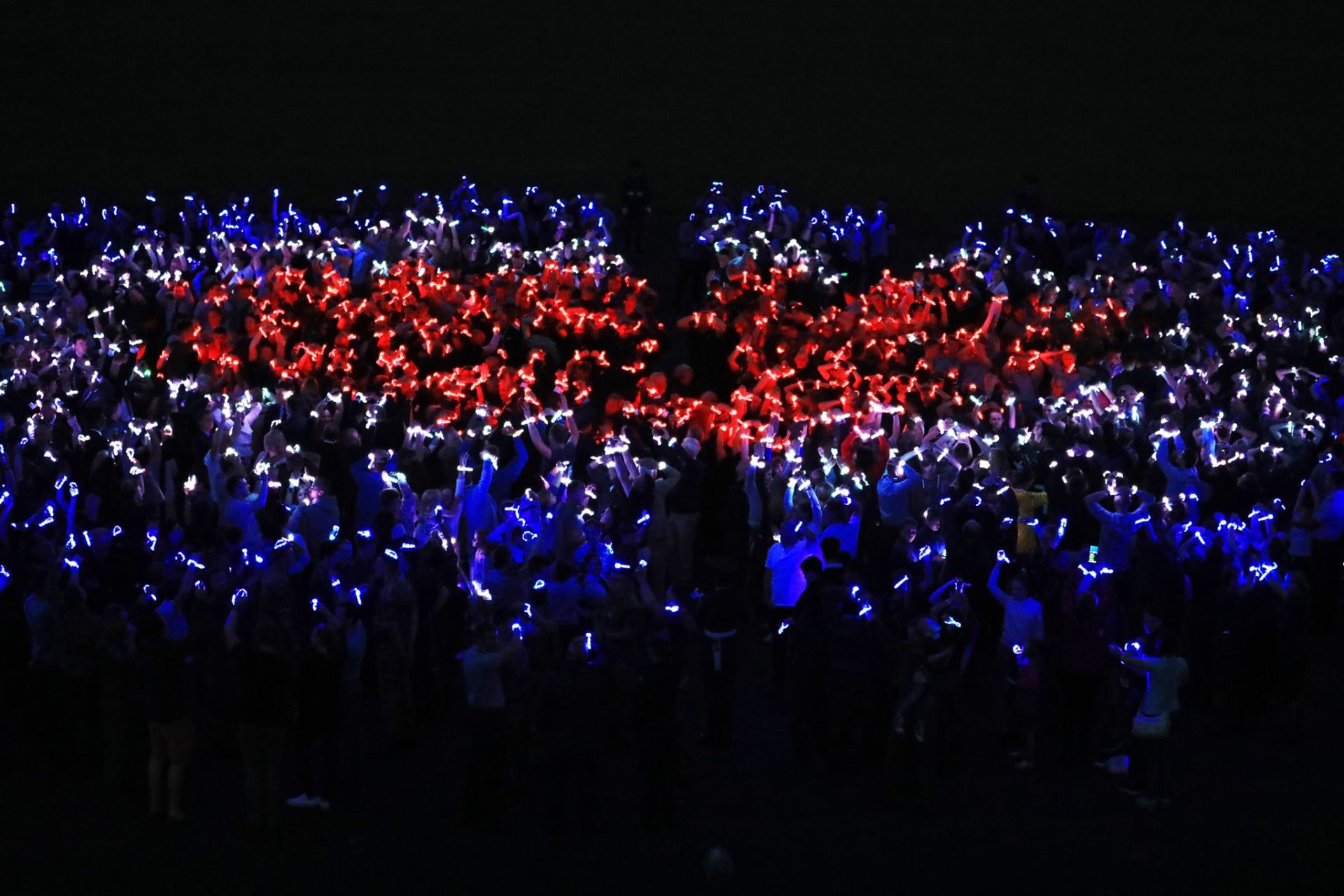
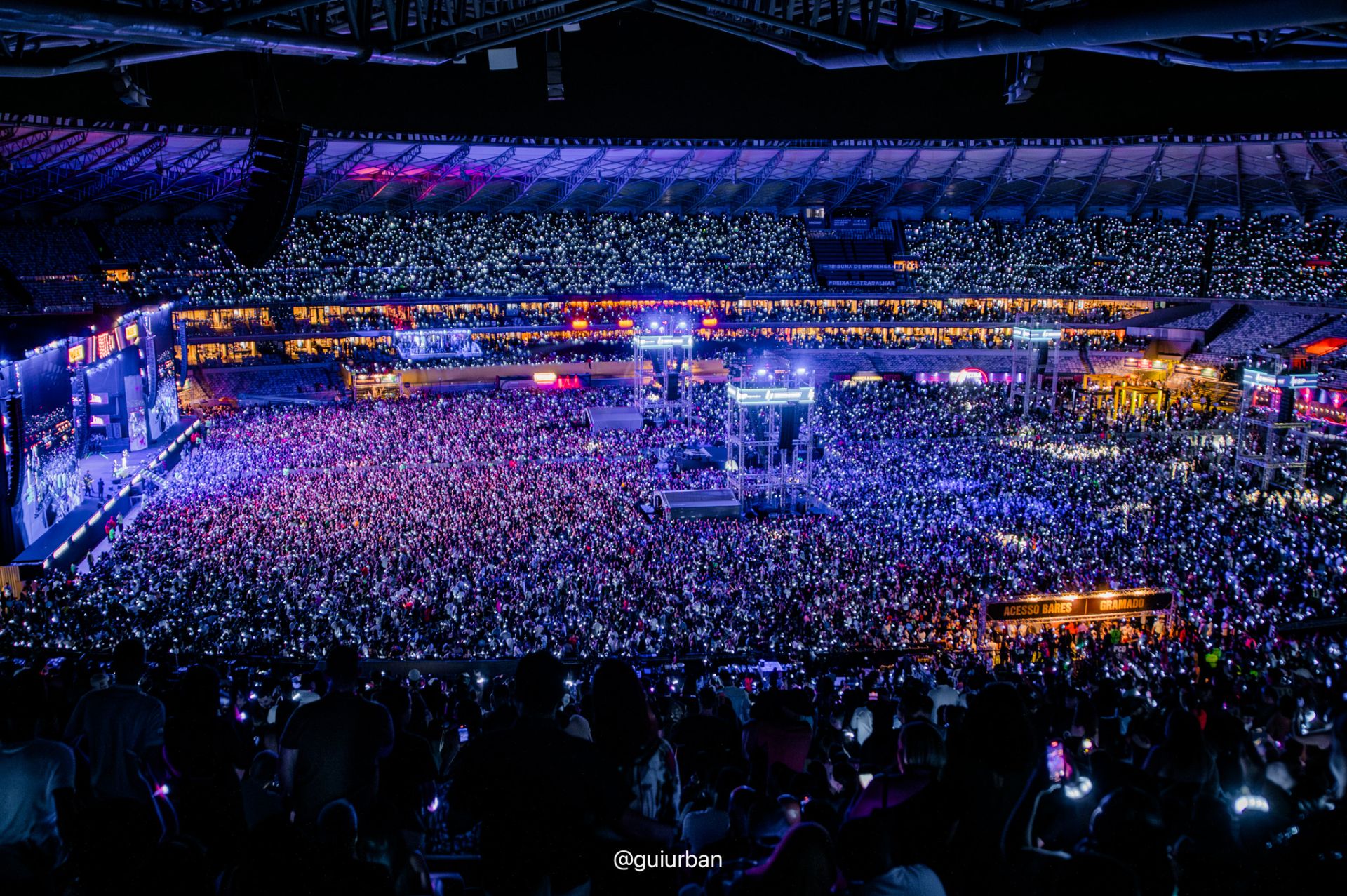
Delivering 13,000 custom pendants for a Formula One anniversary or outfitting a 54,000-strong crowd for a Maluma concert in Colombia isn’t just about manufacturing capacity. It’s about process. Scaling a global event-tech company means building a robust, repeatable, and near-flawless system for everything from client briefing and creative integration to freight, on-site deployment, and post-event cleanup.
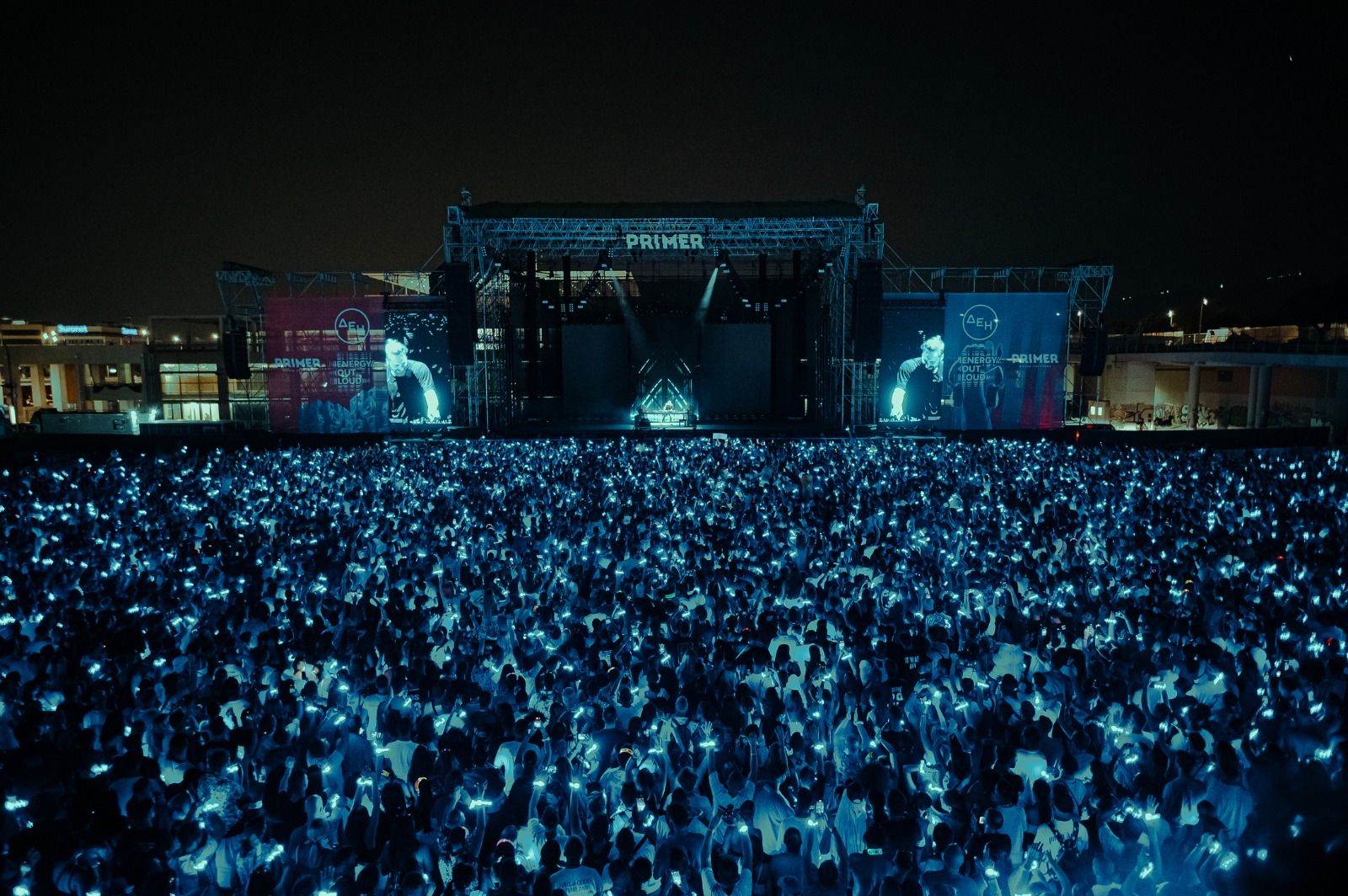
We learned early on that you cannot leave logistics to chance. Every event, whether for a globally recognized brand like Samsung or a major sporting event like the Davis Cup, has a zero-failure mandate. This means our operational and technical teams are as crucial as our creative minds. We developed meticulous processes for battery management, signal integrity testing, and team deployment, ensuring that our radio controlled LED wristbands perform perfectly, whether in a single theatre or across the challenging RF environment of a major festival like PRIMER in Greece.
Building a global business is less about having a revolutionary idea and more about having a revolutionary process for executing it. The spectacle on the surface is only possible because of the unseen scaffold of logistics underneath.
Lesson 3: Innovate Horizontally, Not Just Vertically
The success of the original Xyloband was a double-edged sword. It created a powerful brand association—the "Coldplay wristbands"—but also risked pigeonholing us. To ensure long-term growth, we had to think horizontally. What other form factors could carry our technology? How else could we transform an audience?
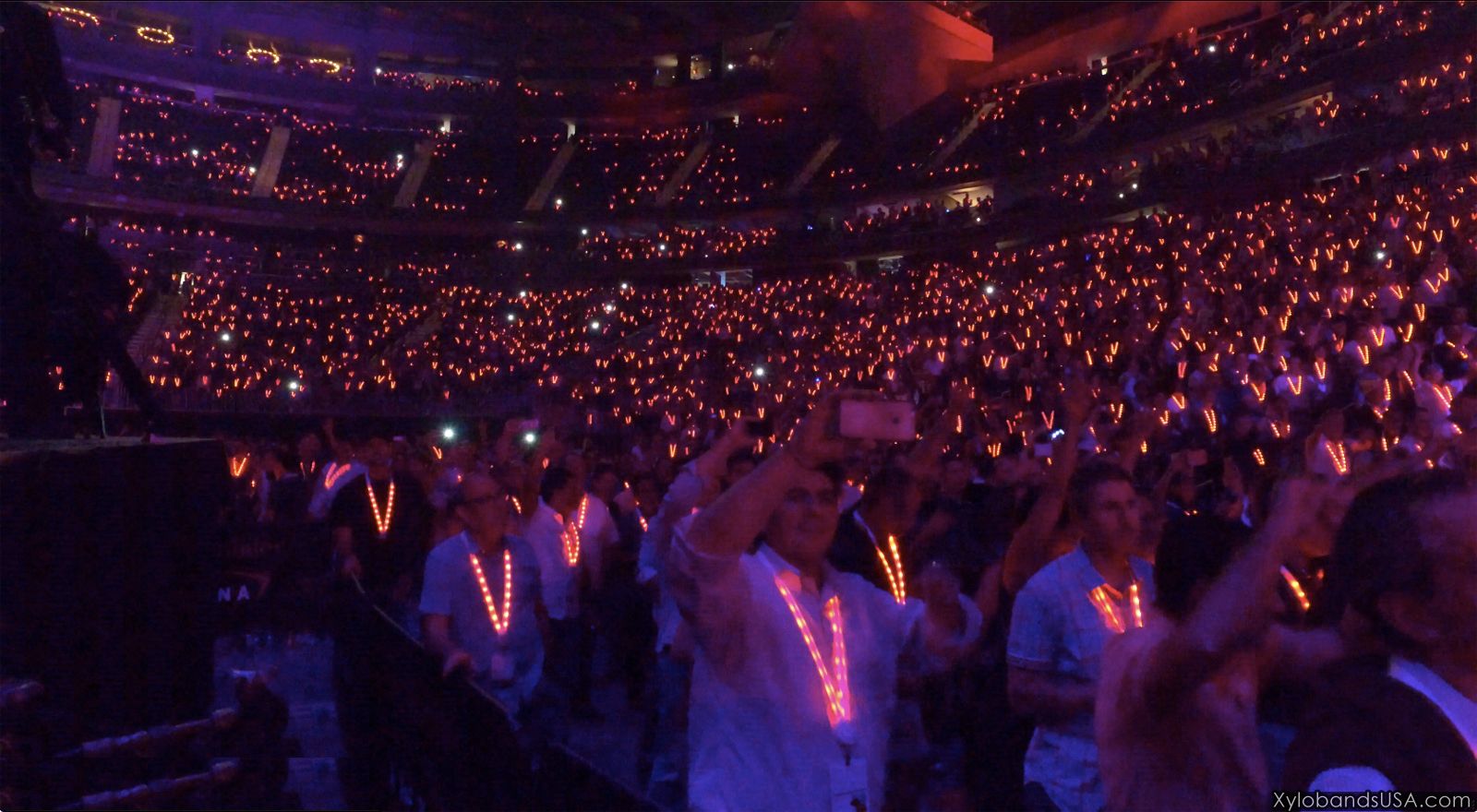
This led to the development of products like LED Lanyards and LED Orbs, opening up new markets from corporate event activations to broadcast television studios like ITV and Beat The Chasers. We moved from focusing solely on the wrist to seeing the entire event space as a potential canvas. This diversification was crucial. It allowed us to bring the Xylobands philosophy of immersive, shared experiences to new clients and environments, including sports giants like the Chicago Blackhawks and global brands like Coca-Cola and Google.
The lesson here is to constantly ask: "What is the core value we provide?" For us, it wasn’t just wristbands; it was synchronized light and collective emotion. By focusing on the core value, we could innovate on the delivery mechanism, creating a broader, more resilient business model.
Lesson 4: Build a Culture of Ownership
In the high-stakes world of live events, you can’t have a hierarchical, top-down culture. When your team is on the ground at The O2 Arena for a historic Wizkid concert or managing distribution at a massive festival, they need to have a deep sense of ownership. They are not just technicians; they are custodians of the experience.
This philosophy has been central to our growth. We empower our teams to make critical decisions on-site, to solve problems proactively, and to interface directly with tour managers and creative directors. This culture of trust and autonomy is what allows us to execute complex LED crowd experiences in over 70 countries. It ensures that the creative intent conceived in a design meeting is delivered flawlessly to an audience of thousands.
Entrepreneurship is often mythologized as the journey of a lone visionary. The reality is that building a lasting company is about constructing a team of visionaries. It’s about creating a system where every single person understands the mission and feels empowered to deliver it. That is the unseen engine of any successful global enterprise, the sturdy scaffold that allows you to keep building higher.