The Unseen Signal: A Technical Deep Dive into LED Wristband Technology
The Unseen Signal: A Technical Deep Dive into LED Wristband Technology
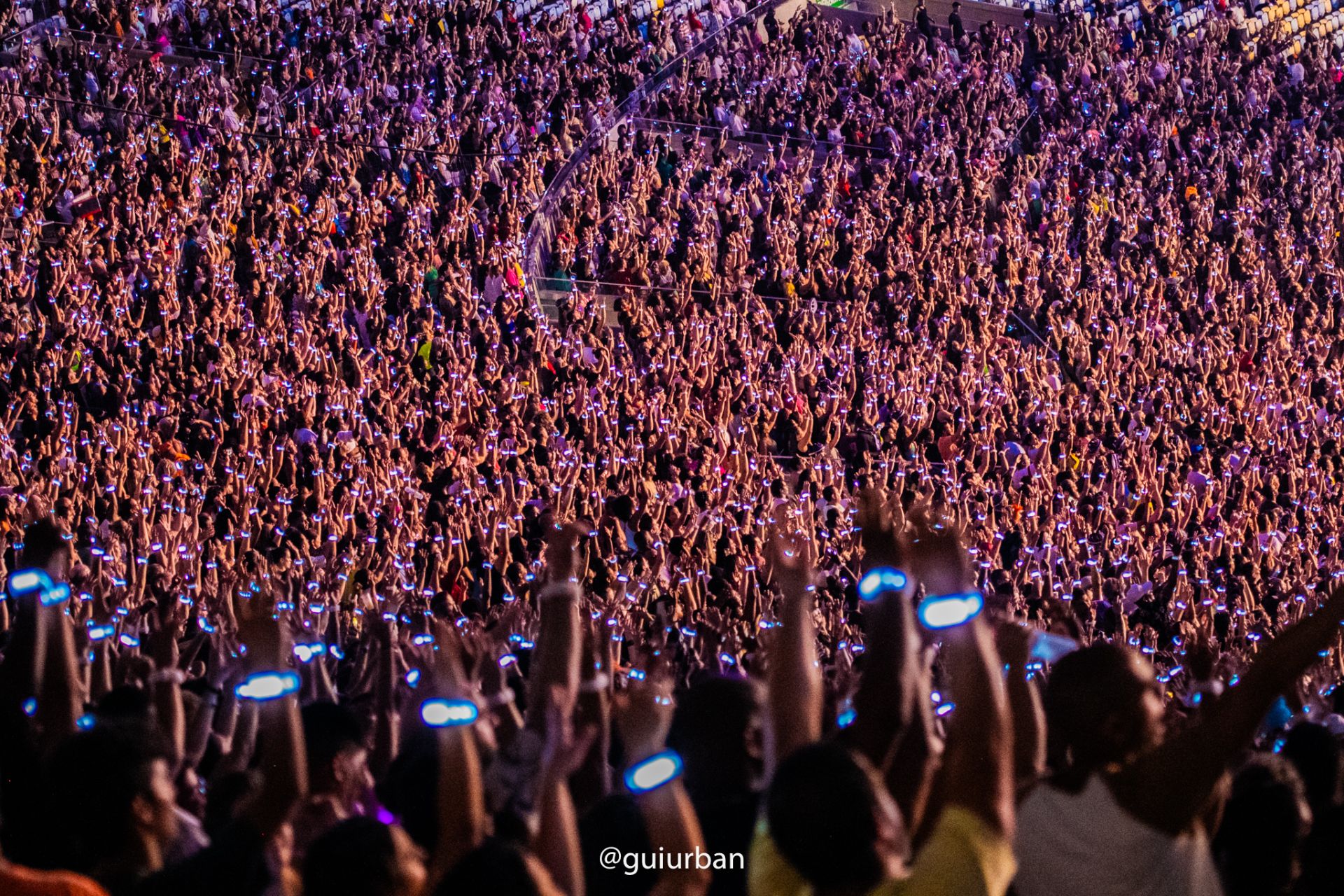
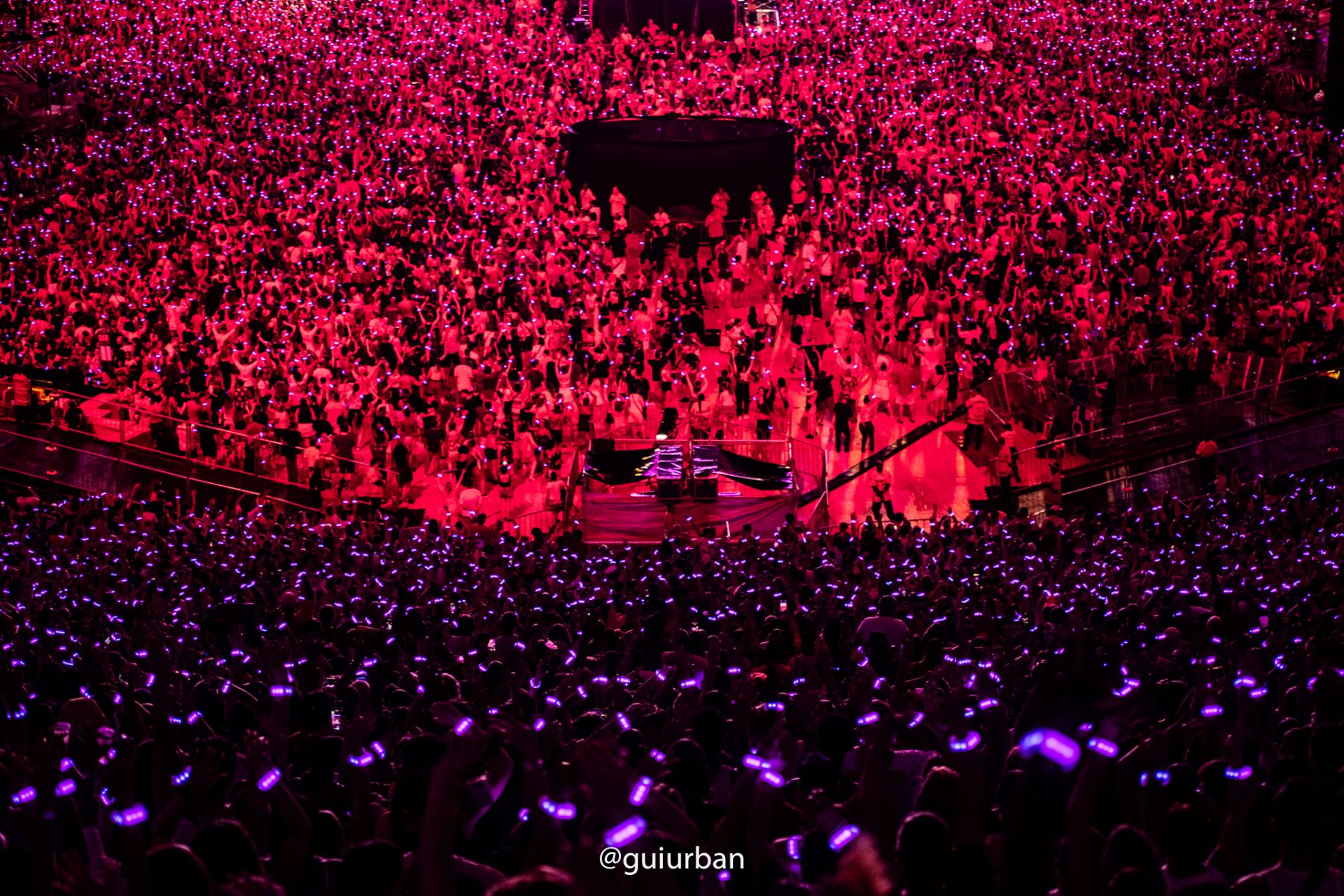
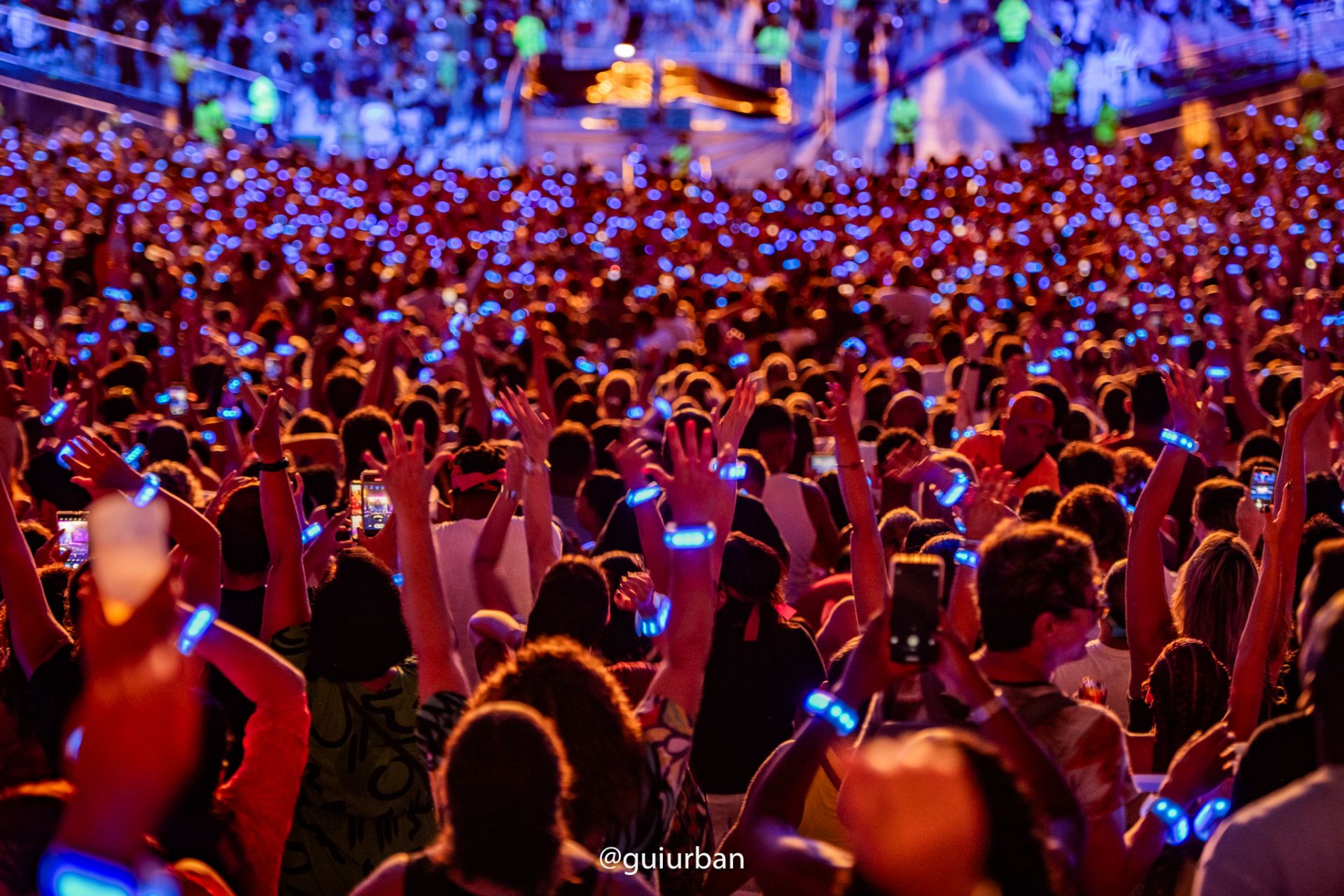
At the heart of every spectacular live event is a network of unseen signals. For producers, tour managers, and brand marketers, the goal is always the same: to create a moment of collective immersion so powerful it transcends the individual. In modern event production, few tools achieve this as effectively as wearable LED technology. A crowd of 50,000 individuals can be transformed into a single, pulsating canvas of light, each person a pixel in a grand, unified design. This is the magic of Xylobands, but the technology behind it is anything but magic. It’s a precise, robust, and fascinating ecosystem of engineering.
From stadium tours for artists like Coldplay and Maluma to high-stakes broadcasts for Formula One and ITV, the ability to control light on a mass scale is a game-changer. But how does it actually work? This is not about a simple on/off switch. It’s a sophisticated interplay of radio frequency (RF), DMX, and sometimes infrared (IR) systems, each chosen for its specific strengths in different event environments.
Let’s pull back the curtain on the technical architecture that powers these immersive event technologies.
The Workhorse: Radio Frequency (RF) Control
The primary method for commanding thousands of LED wristbands simultaneously is radio frequency. Think of it as a private radio station broadcasting commands, but instead of music, it’s sending data packets that tell each wristband precisely what to do—which color to display, when to flash, and how to fade.
Our system operates using a proprietary RF protocol. Here’s a simplified breakdown of the signal chain:
- The Controller: The show is run from a laptop running our bespoke software, connected to a transmitter. This gives the lighting designer or show operator full creative control. They can program complex sequences, create zones within the audience, and trigger effects in perfect time with music, video, or pyrotechnics.
- The Transmitter: The transmitter converts the software commands into radio signals. We deploy a network of transmitters and repeaters, strategically placed throughout the venue to ensure total coverage. Whether it’s a tight arena like The O2 for a Wizkid show or a sprawling festival site, the goal is to create a seamless blanket of connectivity.
- The Receiver: Each Xyloband contains a tiny, low-power RF receiver. This receiver is constantly listening for commands from the transmitter. When it receives a valid data packet addressed to its zone or to the entire crowd, it instructs the onboard LEDs to execute the command instantly.
The power of RF lies in its range and scalability. It can cover vast areas, making it ideal for stadiums and large-scale festival wristbands. By dividing the audience into zones, a designer can send different commands to different sections, creating waves of light, dynamic patterns, and intricate visual chases that flow across the crowd. This transforms the audience from passive observers into an active part of the show’s lighting design, a core element of modern LED crowd experiences.
The Broadcast Standard: DMX Integration
For many high-production events, especially those for broadcast, the lighting and video systems are controlled via DMX—the industry-standard protocol for entertainment lighting. Seamless integration with the existing production workflow is not just a benefit; it’s a necessity.
Our system is designed to speak this language fluently. The main lighting console (often a grandMA, Hog, or Avolites desk) can take direct control of the wristbands. Here’s how:
The lighting designer can patch the Xylobands system as just another fixture in their show file. A dedicated block of DMX channels is assigned to wristband control. One channel might control red, another green, another blue, with further channels for intensity, strobing, and effect triggers. This allows the designer to program the LED bands with the same creative tools they use for the stage lights, video screens, and lasers, ensuring a perfectly cohesive and polished look for both the live audience and the cameras.
This level of integration is critical for television events like Beat The Chasers or the Eurovision Song Contest, where the audience lighting is as important as the stage lighting for the broadcast picture. It guarantees that every element of the visual design is working in perfect harmony.
Up Close and Personal: Infrared (IR) Triggers
While RF is for mass control, infrared offers opportunities for targeted, location-specific activation. IR is a line-of-sight technology, perfect for creating interactive zones or triggering effects when a guest passes a certain point. It’s a powerful tool for corporate event activations and immersive brand experiences.
Imagine a product launch where a guest’s custom LED wristband or LED lanyard lights up with the brand’s color the moment they step up to a specific display. Or a museum exhibit where moving into a new room triggers a unique lighting effect on your wristband, synced to the audio guide.
- IR Emitters: Small, discreet infrared emitters are placed at key locations—doorways, registration desks, or specific activation zones.
- Targeted Commands: When a wristband’s IR sensor passes through the emitter’s beam, it receives a specific command. This could be a simple “turn on and glow blue” or a more complex instruction to join a new group.
This technology opens a new layer of personalized interaction, making the individual feel seen and directly connected to the experience. For example, at the Formula 1 75th anniversary event, custom pendants could have been triggered via IR as guests entered specific hospitality zones, instantly signaling their access level and making them part of an exclusive group.
The Synthesis of Systems
The true power of our LED event technology lies in its ability to combine these systems. An event might use RF for the main show’s big, crowd-wide moments, DMX integration for precise, broadcast-ready control by the lighting director, and IR triggers for interactive brand touchpoints in the lobby. This multi-layered approach ensures reliability, creative flexibility, and the capacity to deliver truly unforgettable immersive events.
The next time you’re at a show and find your wristband pulsing in perfect time with the music, remember the unseen network of signals flying through the air. It’s a carefully orchestrated symphony of technology, designed with one purpose: to connect everyone in the room and turn a simple gathering into a collective, luminous experience.