The Unseen Symphony: Mastering the Technical Production of a Global Event
The Unseen Symphony: Mastering the Technical Production of a Global Event
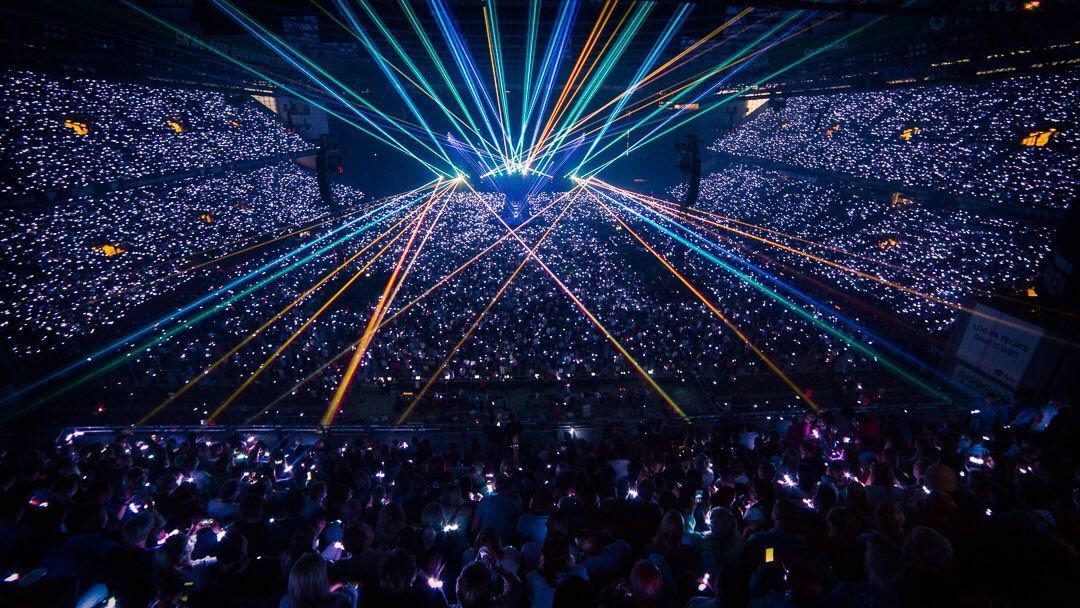
For the audience, it’s a moment of pure magic. A sudden, collective gasp as 50,000 wrists light up in perfect synchrony, transforming a stadium from a sea of spectators into a living, breathing canvas of light. But behind that single moment of awe lies a complex, high-stakes world of logistical planning and technical execution. This is the unseen symphony of a global rollout, a world where success is measured in millimeters and milliseconds, and failure is not an option.
It’s a process that begins months, sometimes years, before the first truck arrives at the venue. It’s a choreography of air freight, customs navigation, and meticulous inventory management on a global scale. When your product is the core of immersive event technology, you aren’t just shipping boxes; you’re transporting the building blocks of a shared experience. Every component, from the last of 13,000 custom LED wristbands for a Formula One anniversary to the thousands of LED lanyards needed for a multi-day corporate summit, must be accounted for and delivered on time, every time.
“The show doesn't wait. The curtain goes up whether your equipment has cleared customs or not. Our entire operation is built around a zero-failure mandate. That means anticipating every potential point of friction, from international shipping regulations to the specific layout of a venue we may have never set foot in.”
Phase One: The Logistical Gauntlet
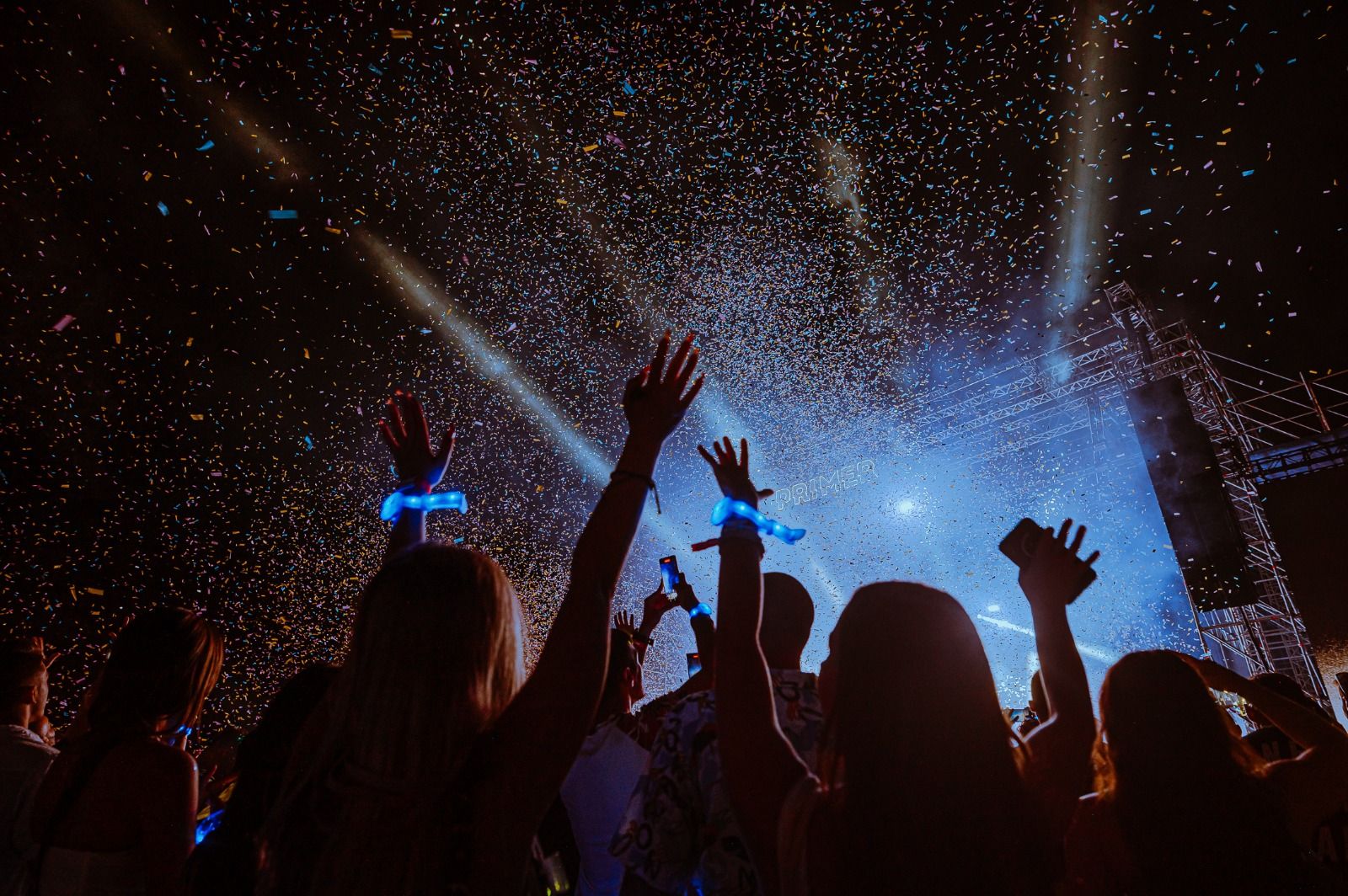
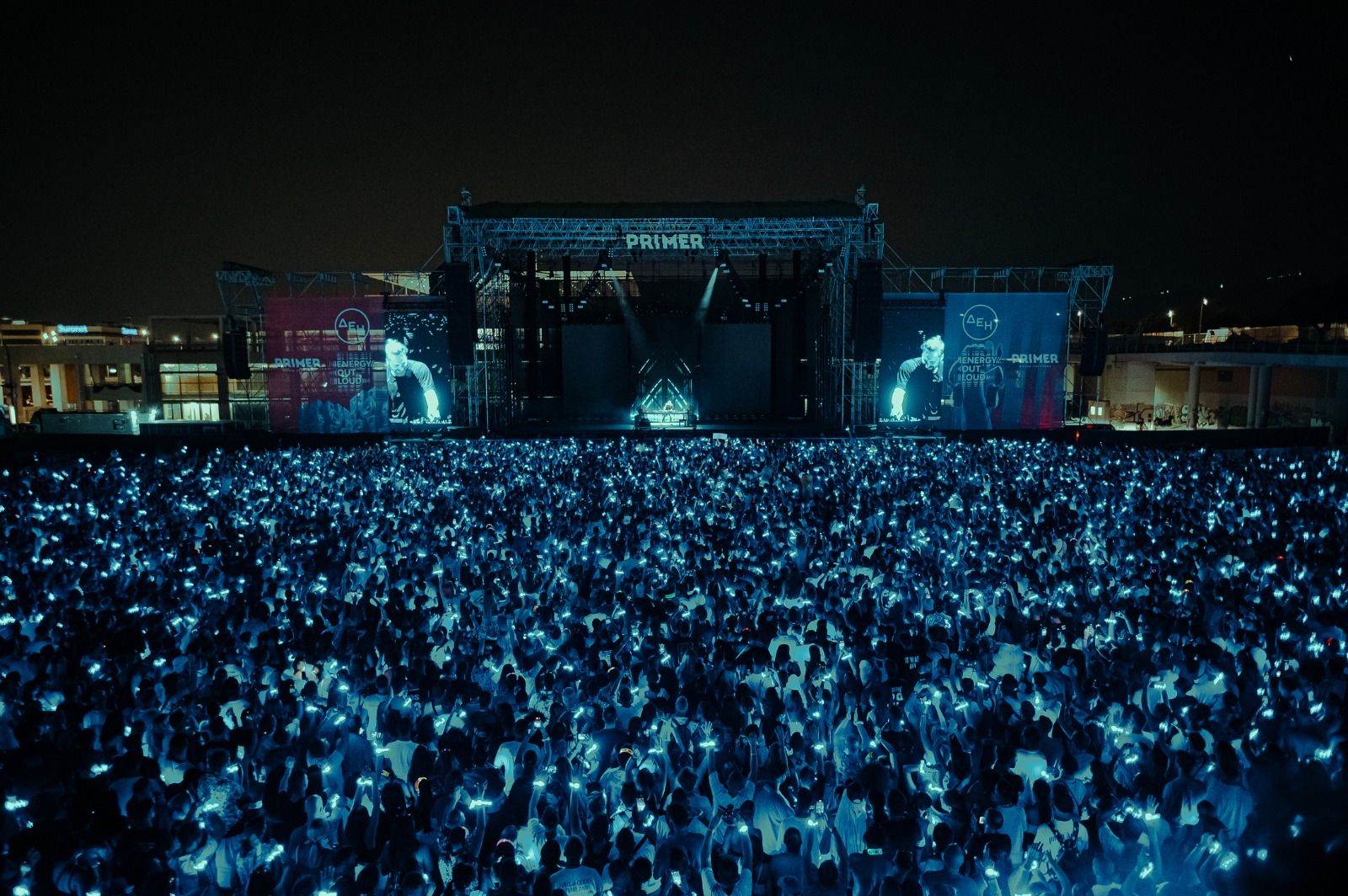
Long before the first light is programmed, the logistical ballet begins. For a major event, like the multi-day Primer Music Festival in Athens or a global tour stop for an artist like Maluma, this involves staggering complexity. Our teams become experts in global trade, navigating a labyrinth of customs declarations and import duties across more than 70 countries. Every pallet of Xylobands is tracked with precision, ensuring a seamless journey from our warehouses to the venue’s loading bay.
But getting the hardware on-site is only the first hurdle. The next phase is distribution—or as we call it, the ‘distro.’ This is the art and science of placing every single wristband, pendant, or orb. For the F1 75th anniversary show, for instance, our distro team meticulously positioned 13,000 custom pendants around London’s O2 Arena. This wasn’t random; it was based on a pre-planned map designed by the creative team to achieve specific, dynamic lighting effects across different hospitality levels and general admission sections. This human element is the critical bridge between the digital design and the physical reality.
Phase Two: Signal, Space, and Spectrum
With the wearable LED technology in place, the technical team takes command. Their first task is to map the radio frequency (RF) environment. An arena or stadium is a chaotic space, electromagnetically speaking. Broadcast cameras, security radios, mobile networks, and countless other wireless systems are all competing for a slice of the spectrum. Our job is to carve out a clean, reliable channel for our own system to operate flawlessly.
This involves several key steps:
- Spectrum Analysis: Using specialized equipment, our technicians scan the entire RF environment to identify potential sources of interference.
- Transmitter Placement: We strategically position our network of radio transmitters to ensure 100% coverage. This is a three-dimensional puzzle, accounting for architectural quirks, audience density, and the sheer scale of the space. Whether it’s an open-air festival field like Glastonbury or a dense concrete bowl like The O2, the signal must reach every single wristband.
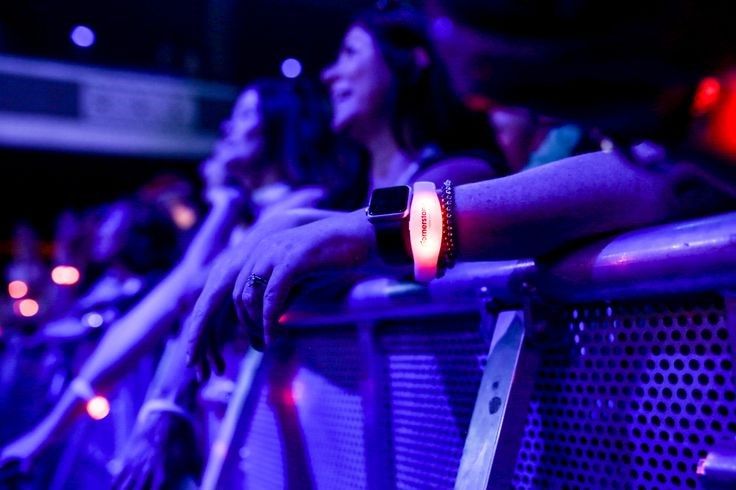
- System Calibration: Once the network is established, we test and calibrate the system, sending signals to different zones to confirm that every one of the tens of thousands of radio controlled LED wristbands is responsive and ready for the show.
This meticulous process ensures that when the lighting director cues the ‘all red’ look, the entire stadium—from the front row to the highest tier—responds instantly and without exception.
Phase Three: The Human Element and Redundancy
Technology, no matter how robust, is only as good as the people operating it. The final, and arguably most critical, piece of the production puzzle is the on-site team. These are the technicians, programmers, and project managers who are the ultimate custodians of the experience. They work in close collaboration with the show’s creative and production departments, integrating our systems with the master lighting and video cues.
For a live broadcast, like our work with ITV on shows such as 'Beat The Chasers', the stakes are even higher. The LED experiences must be perfect not just for the 500 people in the studio audience, but for the millions watching at home. This requires another layer of technical precision and an obsessive focus on how the light translates to the lens.
And then there’s redundancy. In the world of live events, you always plan for the unexpected. Every critical component of our system has a backup. We have secondary transmitters, redundant power supplies, and fail-safes built into the software. This obsession with reliability is what allows artists, producers, and global brands to place their trust in our hands.
From the controlled environment of a corporate event activation to the sprawling energy of a music festival, the goal is the same: to make the impossibly complex feel effortlessly simple. It’s a testament to the unseen choreography of logistics and technology that allows thousands of individuals to share in a single, unified moment of light. That is the true architecture of the spectacle.