Arena as Orchestra: The New Art of Half-Time Choreography
The Modern Colosseum: More Than Just a Game
The whistle blows, the first half is over, but the spectacle is just beginning. In stadiums and arenas across the globe, the half-time show has morphed from a simple diversion into a multi-million-dollar production, a cultural phenomenon in its own right. For event producers, tour managers, and brand marketers, this 15-minute window is a high-stakes canvas, a rare opportunity to capture the undivided attention of millions. It’s a complex ballet of logistics, technology, and artistry, where the crowd is no longer just watching the show—they are part of it.
The Turf and The Talent: A Symphony of Precision
At the heart of any half-time show is the choreography on the field. This is a monumental undertaking in precision and timing. Hundreds, sometimes thousands, of performers—dancers, musicians, and stagehands—must move in perfect synchrony, often under immense pressure. The creative vision must be flawlessly executed, accounting for the unique challenges of a stadium environment: uneven surfaces, vast distances, and unpredictable weather. For a production team, this is a masterclass in command and control. Every second is mapped, every movement scripted, every transition rehearsed to perfection.
But the performance is no longer confined to the stage. The modern spectacle extends into the stands, transforming a passive audience into an active participant. This is where immersive event technology comes into play, turning every seat into a pixel in a grand, illuminated canvas.
Lighting the Crowd: The Rise of LED Experiences
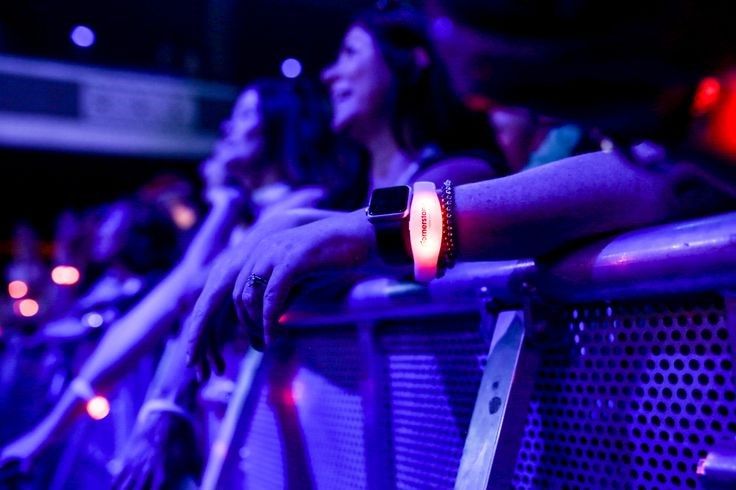
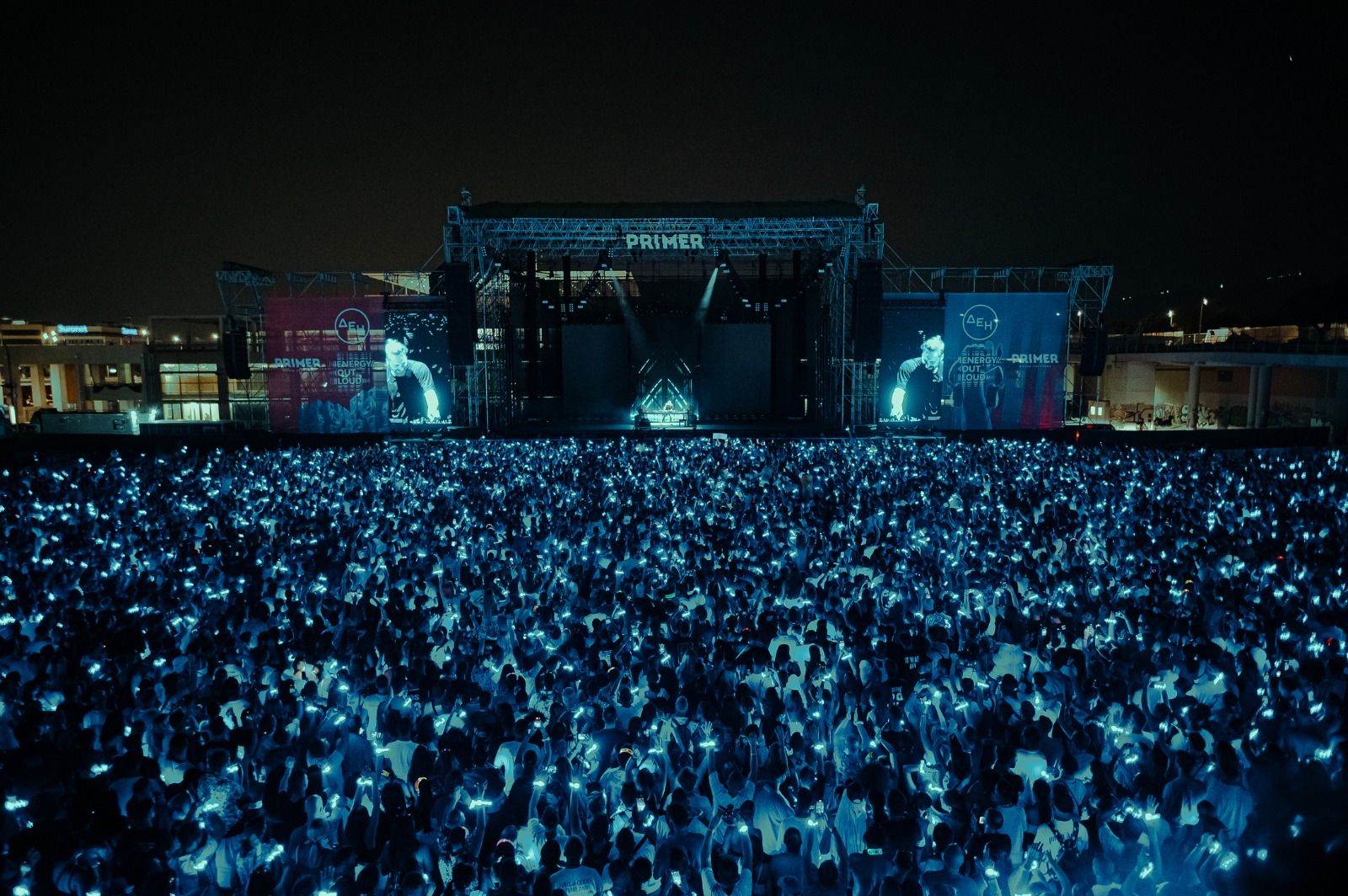
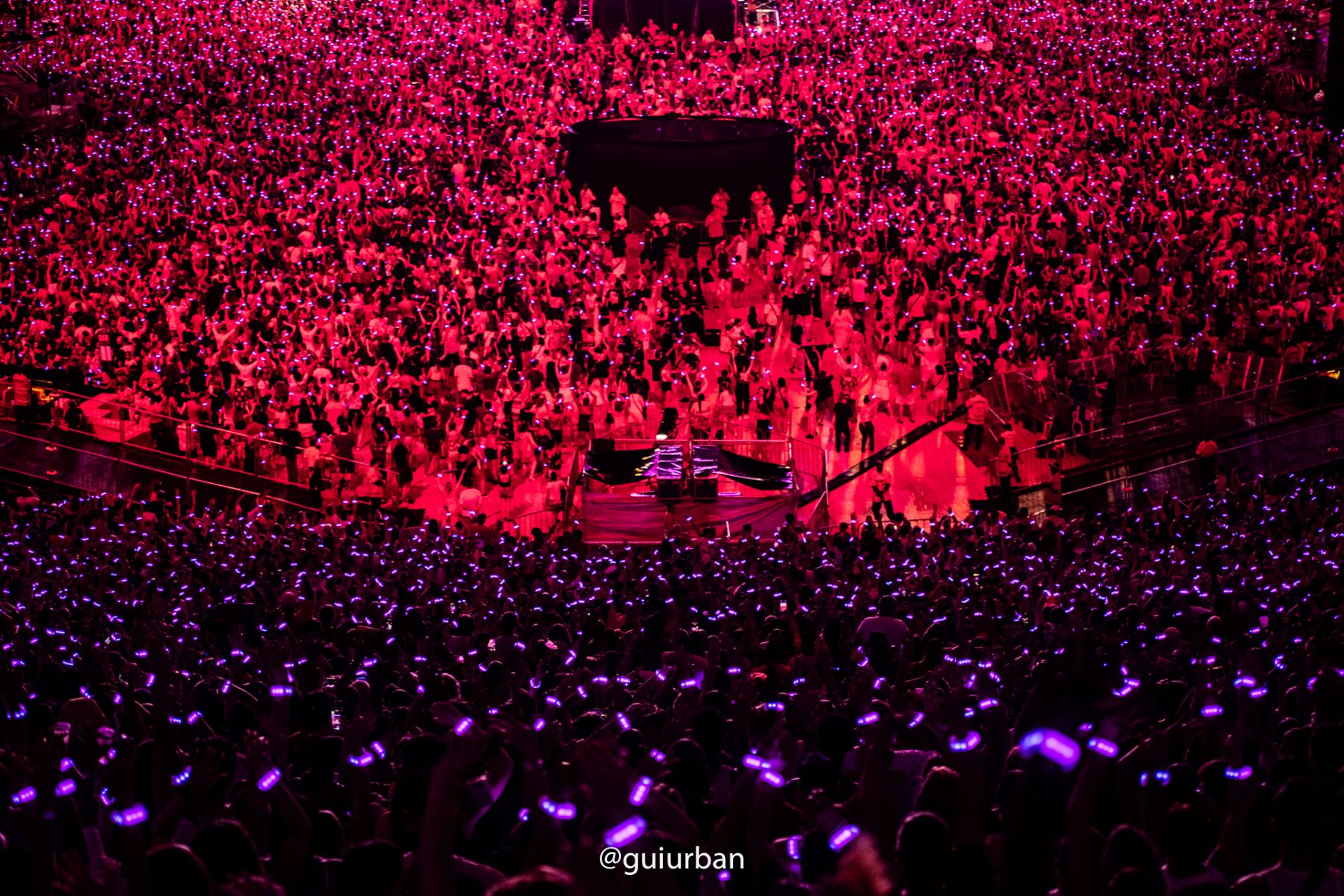
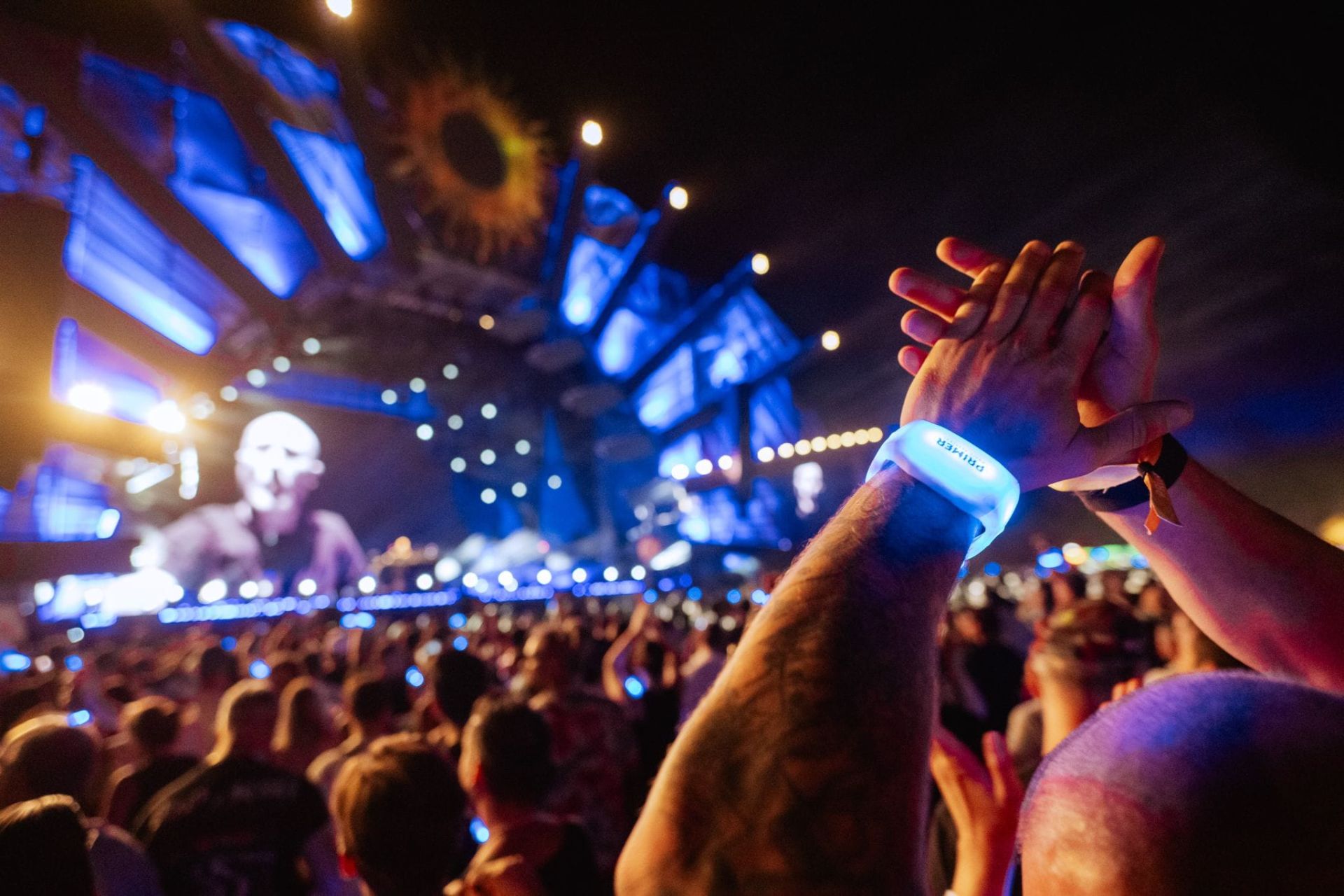
Imagine a stadium, plunged into darkness. Then, on the first beat of the music, 50,000 points of light explode in unison, pulsing in colour and rhythm. This isn’t a sea of cell phones; this is the power of radio-controlled LED wristbands, or Xylobands. By turning each audience member into a light source, choreographers gain an entirely new medium to work with. They can paint with light on a grand scale, creating waves of colour that sweep across the stadium, spelling out team names, or highlighting dramatic moments in the performance.
This integration of wearable LED technology transforms the fan experience. It’s the difference between watching a show and being enveloped by it. From the Davis Cup to Formula One, unifying the crowd with light has become a powerful tool for amplifying the energy of a live sporting event. The collective gasp as thousands of lights ignite simultaneously creates a profound sense of unity and shared experience, forging a powerful emotional connection between the fans, the performers, and the brand.
Key Choreographic Considerations:
- Symmetry and Scale: How can light patterns complement the on-field formations?
- Rhythm and Pacing: Syncing light cues to musical beats and dramatic pauses.
- Colour Theory: Using team colours to build rivalry and excitement, or employing a broader palette to support the musical artist’s brand.
- Broadcast Enhancement: Designing effects that look as stunning on television as they do in person, creating a truly camera-ready crowd.
Beyond the Wristband: A Multi-Sensory Approach
The evolution of sports entertainment doesn’t stop at wristbands. The toolkit for creating immersive events is constantly expanding. Think of LED orbs floating through the stands or custom LED lanyards that differentiate sections or hospitality tiers. The goal is to create a multi-layered, multi-sensory environment where the spectacle unfolds in every direction.
“The challenge is no longer just to entertain the crowd, but to integrate them into the creative fabric of the show. Every person becomes a pixel, every seat a part of the stage. That’s the new frontier of live sports entertainment.”
This approach requires a new level of collaboration. Lighting designers, show choreographers, and broadcast directors must work in lockstep, speaking a shared language of light, movement, and timing. For major events like the FIFA World Cup or the Super Bowl, this integration is planned months, even years, in advance. The result is a seamless fusion of athletic competition and breathtaking artistic performance, a spectacle that lingers long after the final whistle.
The Future is Immersive
As technology continues to evolve, so will the art of the half-time show. We are moving toward a future of fully responsive environments, where the energy and movement of the crowd can influence the lighting and sound in real-time. This deeper level of interaction will further blur the lines between spectator and spectacle, creating truly unique LED crowd experiences every time.
For the producers and designers behind these moments, the stadium is more than a venue; it’s an orchestra waiting to be conducted. By mastering the choreography of both human performance and immersive technology, they are not just creating entertainment—they are crafting legacy moments that define the pinnacle of sport and spectacle.