Beyond the Ramp: A New Model for Accessibility in Live Entertainment
The Architecture of Welcome: Moving Beyond the Physical
For decades, the blueprint for event accessibility has been drawn with the ink of compliance, focusing rightly and necessarily on physical access. We measure success in ramps, accessible seating, and clear pathways. These are the non-negotiable foundations of an inclusive environment, the structural elements that say, “You are welcome here.” Yet, as our understanding of human diversity deepens, we must recognize that this foundation is just that: a starting point. True, profound accessibility in the world of live entertainment requires us to look beyond the physical and into the sensory.
The next frontier of inclusive design addresses a wider spectrum of human experience. How do we create moments of collective joy for those with sensory processing sensitivities, anxiety, or neurodivergence? How do we extend the electric atmosphere of a sold-out stadium to those who cannot be physically present? The answer lies not in diminishing the spectacle, but in making it smarter, more intuitive, and more adaptable. It lies in a universal language that communicates across neurological and physical divides: the language of light.
Sensory Scaffolding: Engineering Calm in the Chaos
A stadium show, a music festival, a major corporate launch—these are, by design, high-stimulus environments. The roar of the crowd, the chest-thumping bass, the sheer scale of the production are all part of the thrill. For some, however, this sensory onslaught can be overwhelming, creating a barrier to participation that is just as real as a flight of stairs. This is where Immersive Event Technology offers a transformative solution.
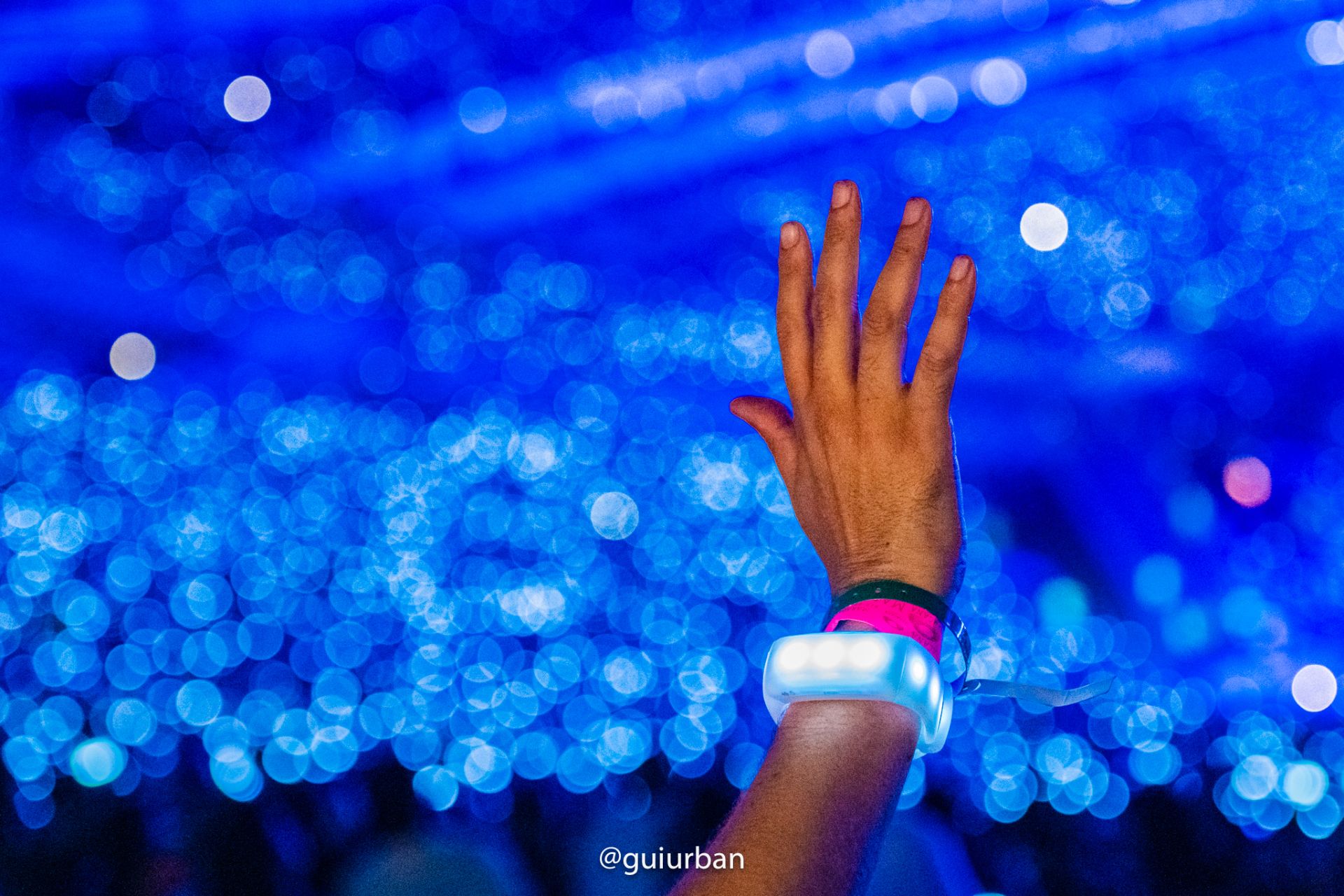
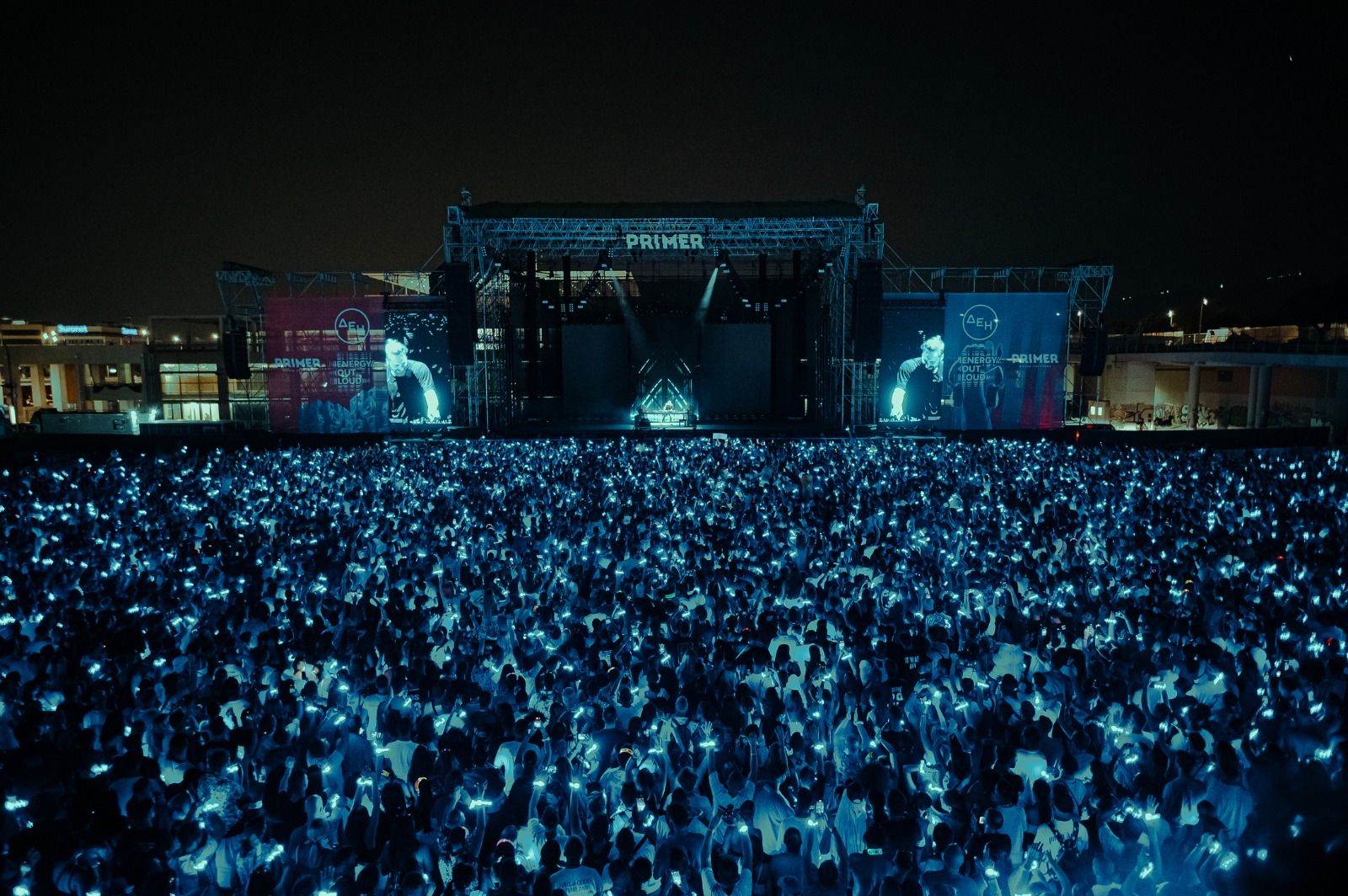
Imagine a crowd of 50,000 people. Now, instead of a chaotic sea of individual phone screens, imagine that entire crowd transformed into a single, cohesive canvas of light. Radio Controlled LED Wristbands, pulsing in unison, create a powerful sense of visual order. This synchronized lighting acts as a form of sensory scaffolding. It provides a predictable, rhythmic visual anchor amidst the auditory and social intensity of the event. For an individual who finds large crowds or loud noises disorienting, this shared visual experience can be a calming focal point, a silent conductor guiding their attention and making the environment feel more structured and less chaotic. The technology doesn’t just add to the show; it makes the show more accessible.
Light as a Universal Language
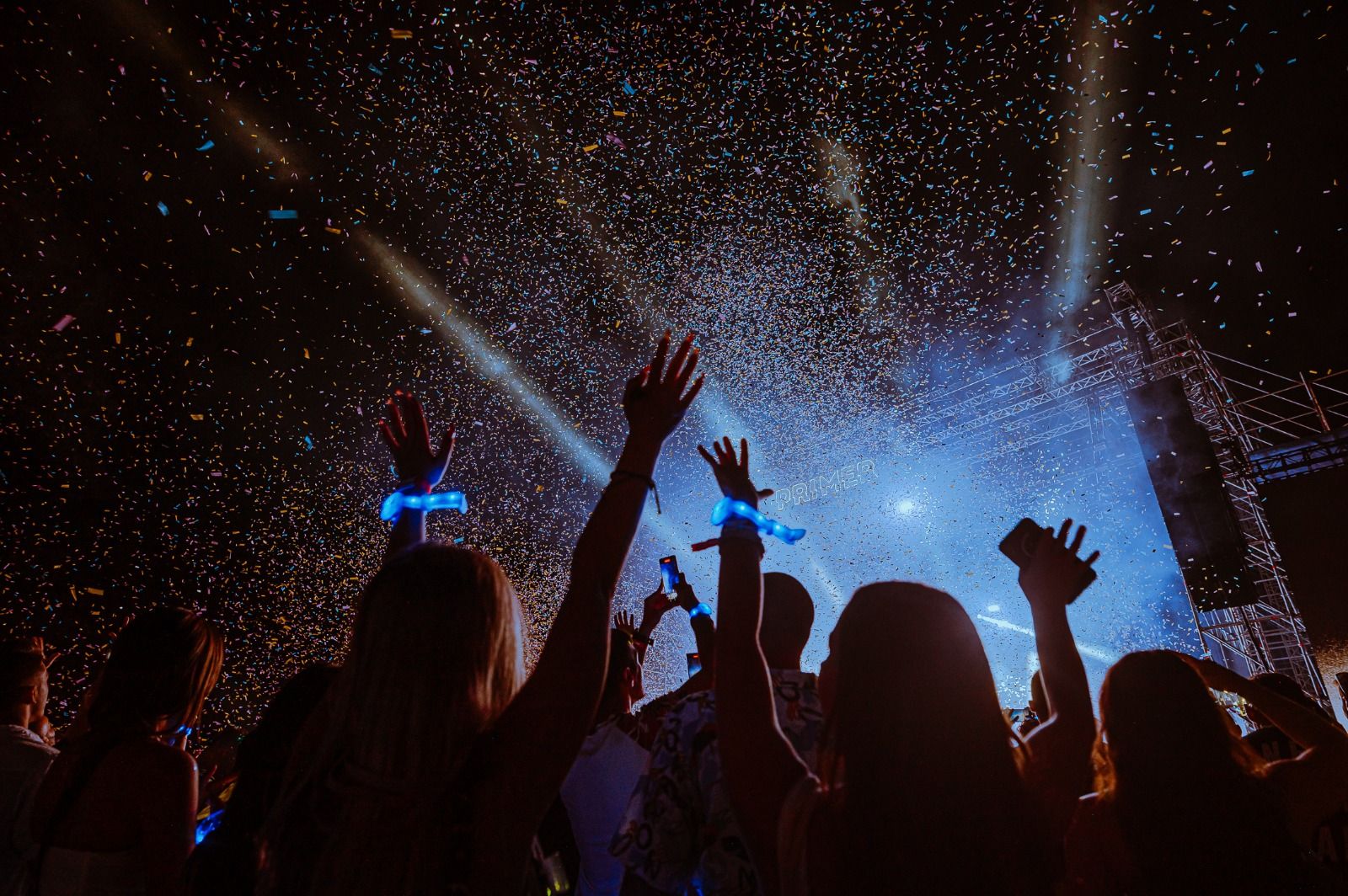
The power of light transcends spoken language and auditory cues. For audience members who are deaf or hard of hearing, a truly immersive light show translates the music’s emotional and rhythmic core into a visceral, tangible experience. When thousands of LED Bands change color with a soaring chorus or pulse with the beat of a drum solo, the energy of the performance is felt by everyone. This is not a secondary, translated experience; it is a primary, powerful one.
This is where tools like Xylobands evolve from a spectacular effect into a conduit for profound inclusion. The technology allows every single attendee to become a pixel in a grander picture, creating breathtaking LED Crowd Experiences. This shared participation fosters a deep sense of belonging. In these moments, individual differences in how we perceive the world fade into the background, replaced by the unified experience of being part of the light. Whether at a massive festival like Primer Music Festival or an arena tour, these Concert Wristbands ensure that the narrative of the show is written not just in sound, but in a visual language everyone can understand.
Extending the Walls of the Venue
True accessibility also means reaching audiences beyond the physical confines of the venue. Geographic distance, health concerns, or financial constraints prevent millions of fans from experiencing live events in person. As broadcast and streaming technology become more sophisticated, the challenge is no longer simply to transmit the event, but to transmit the *experience*.
When Maluma’s Medellín En El Mapa concert was streamed to over 240 countries, it was a masterclass in global reach. The next evolution of such broadcasts will involve extending the Immersive Events to the remote audience. Imagine viewers at home with their own synchronized LED Wearables, lighting up their living rooms in perfect time with the stadium, creating a tangible connection to the live spectacle. This approach, which we’ve helped pioneer in broadcast environments with clients like ITV, transforms a passive viewing into an active, participatory event. It acknowledges that the audience is not a monolith and that providing multiple modalities of engagement is key to true inclusivity.
This principle is equally vital in the corporate world. For major activations, like the 75th-anniversary celebration for Formula One, providing custom-branded LED Lanyards and pendants for different groups created tailored yet unified experiences. This same logic can be applied to hybrid Corporate Event Activations, ensuring that remote employees feel just as valued and integrated as those in the room. The goal of this LED Event Technology is to dissolve the boundary between being “there” and “not there.”
Designing for Everyone, From the Start
The most profound accessibility is not an afterthought or an add-on; it is a foundational principle of the design process. It requires event producers, artists, and technology partners to ask a broader set of questions. Not just “How do we get people in?” but “How do we ensure everyone feels a part of the core experience?”
The answer is to design with tools that are inherently flexible and multi-sensory. From the initial spark of an idea for the original Coldplay Xylo Band at Glastonbury, the goal was always to deepen the connection between the artist and every single fan. Today, that mission has expanded. By choreographing light on a mass scale, we can create layers of experience that cater to a diverse audience simultaneously. We can build a spectacle that is both thrillingly expansive and personally resonant.
The future of live events will be defined not by the height of the stage or the volume of the speakers, but by the depth of its welcome. By embracing a more holistic, sensory-aware model of accessibility, we can build experiences that are not just spectacular, but truly universal.