The Choreography of Command: A Leadership Blueprint for Modern Productions

The Unseen Structure of Spectacle
In the world of large-scale touring and event production, the final spectacle—the seamless fusion of light, sound, and performance—is a testament to an unseen architecture of leadership. For the audience, the experience is pure magic. For the teams behind the curtain, it’s the result of a complex and demanding operational ballet. Leadership in this environment isn’t a top-down hierarchy; it’s a dynamic, distributed model of trust and specialised expertise. It’s a network of command where tour managers, creative directors, and technical partners operate in disciplined synchronicity.
The stakes are immense. A single stadium show, festival, or global broadcast involves hundreds of personnel, millions in investment, and the unmissable pressure of a single, unrepeatable live moment. From the creative visionary who imagines the show to the tour manager orchestrating global logistics and the technical teams who build the physical infrastructure, every leader operates as a critical node in a complex system. A breakdown in one area can compromise the entire production. This is the choreography of command.
The Triumvirate: Vision, Logistics, and Technology
Modern productions are typically guided by a leadership triumvirate: the Artist/Creative Director, the Tour/Production Manager, and the Key Technical Partner. Each holds a distinct but interdependent domain of responsibility.
- The Creative Director: The custodian of the vision. They define the show's narrative, aesthetic, and emotional arc. Their leadership is about articulating a compelling creative vision that inspires every other department to do their best work.
- The Tour/Production Manager: The master of logistics and execution. They translate the creative vision into a viable operational plan, managing budgets, timelines, transport, and personnel. Their leadership is about precision, foresight, and relentless problem-solving.
- The Technical Partner: The architect of the sensory experience. Whether it’s lighting, audio, or immersive technologies like Xylobands, these partners are responsible for engineering the tools that bring the creative vision to life. Their leadership is grounded in technical credibility and innovation.
Success is born from the alignment of these three pillars. When Maluma sold out a 54,000-person stadium in his hometown of Medellín, the event was not just a concert but a global broadcast streamed to 240 countries. The leadership challenge was twofold: deliver an unforgettable in-person experience while producing a flawless broadcast for millions. This requires a level of integration where creative ambition (including a surprise appearance by Madonna) and technical execution are perfectly in sync.
Building a High-Stakes Alliance
In an industry built on freelance talent and temporary alliances, how do these leaders forge the trust required for high-stakes execution? The answer lies in a shared protocol of professionalism and a mutual respect for specialised expertise.
1. Establishing a Common Language
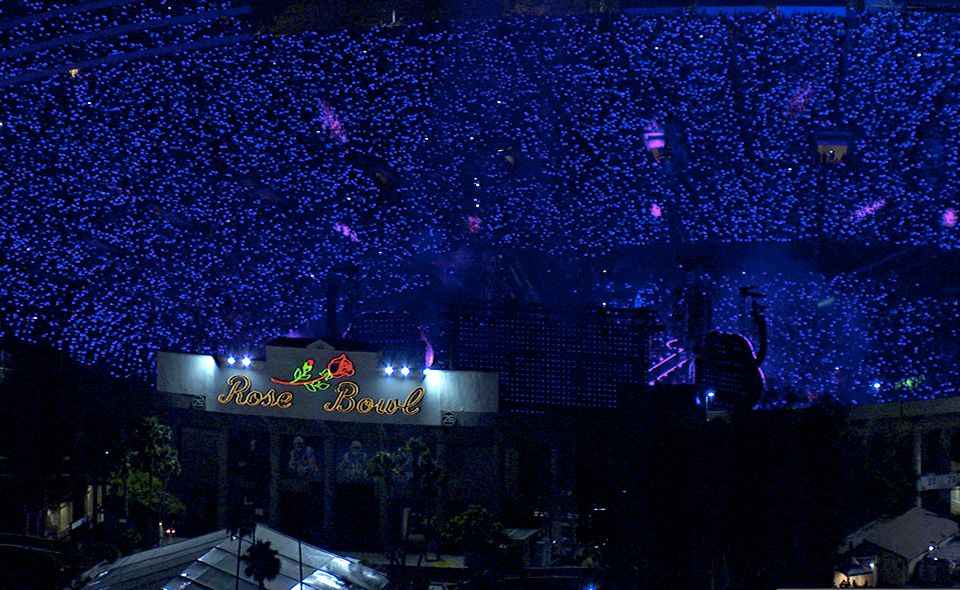
A creative director’s vision for an “explosive” moment must be translated into a specific lumen output, a precise audio frequency, or a coordinated cue for 50,000 LED wristbands. Effective leaders ensure a common language is established early. This involves detailed pre-visualisation, clear technical riders, and collaborative workshops where creative and technical teams can align on goals and possibilities. It’s not about diluting the vision; it’s about grounding it in a shared technical reality.
2. The Doctrine of Delegated Command
No single leader can oversee every detail of a global tour or a major festival. The core principle of production leadership is "delegated command"—empowering departmental heads to own their outcomes. When Xylobands equipped the 75th-anniversary celebration for Formula One, our team was responsible for distributing 13,000 custom LED Lanyards (Xylo Pendants) based on seating charts to achieve specific lighting effects designed by the creative team. The event’s overall leadership trusted our team to execute this crucial piece of the immersive puzzle flawlessly. This is not micromanagement; it is curated autonomy.
3. Rehearsing for Failure
The most resilient production teams are those who have rigorously planned for contingencies. What happens if a truck is delayed, a generator fails, or a key piece of technology malfunctions? Great leaders don’t just hope for the best; they rehearse for failure. They build redundancy into their systems and empower their teams with the authority to make critical decisions in real-time. This proactive mindset transforms potential catastrophes into manageable challenges.
Leadership in the Age of Immersive Experiences
As technology reshapes the live landscape, the nature of leadership must also evolve. The audience is no longer a passive observer but an active participant in the show. This shift requires a new kind of leader—one who understands how to leverage immersive event technology to create moments of collective connection.
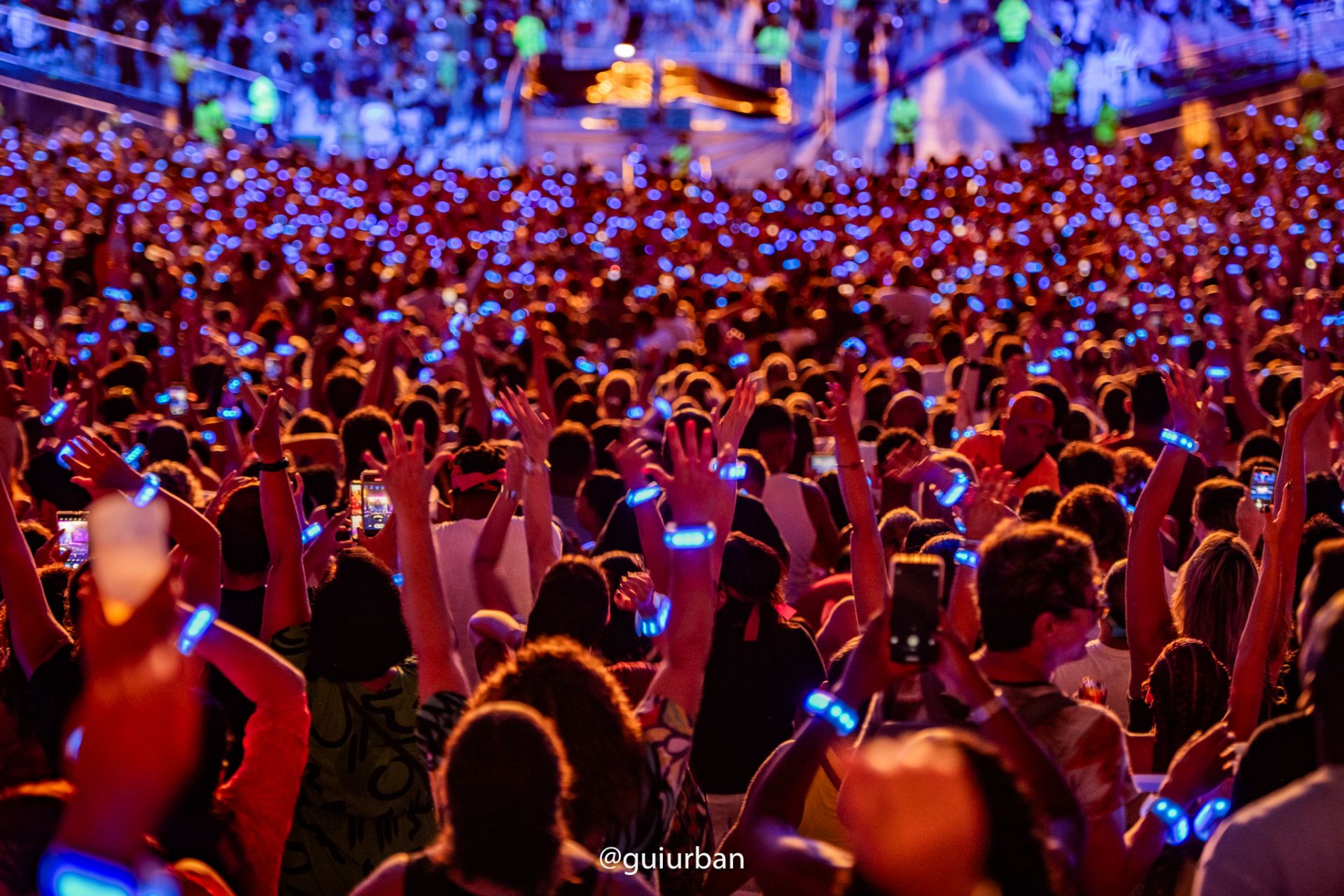
At events like Greece’s PRIMER Music Festival, the crowd becomes a living canvas of light. The leadership decision to integrate radio controlled LED wristbands is a decision to co-create the experience with the audience. The technology itself—the LED bands—is only the tool. The leadership lies in the vision to use that tool to deepen the artist-fan connection and transform thousands of individuals into a unified, sentient entity.
This philosophy extends from music festivals to corporate event activations and major sporting events like the Davis Cup. The goal is the same: to make the attendee feel like a vital part of the moment. It requires a leadership that thinks beyond the stage and considers the entire event space as an interactive environment.
The future of live production belongs to leaders who are not just managers, but choreographers of experience. They are integrators, translators, and technologists who understand that the most powerful moments are shared.
Ultimately, leadership in this field is an act of service—service to the artist’s vision, service to the audience’s experience, and service to the hundreds of professionals who work tirelessly behind the scenes. It’s the unseen, disciplined choreography that allows millions to share in a single, unforgettable moment of light and sound.