The Sensory Bridge: A New Standard for Inclusive Event Design
From Afterthought to Foundation: Rethinking the Inclusive Experience
For too long, "accessibility" in the live event industry has been treated as a matter of compliance—a checklist of ramps, accessible seating, and basic services. While these are fundamentally important, they represent the bare minimum. True inclusivity goes deeper. It’s about designing experiences that are not just accessible, but are actively welcoming and profoundly engaging for the full spectrum of human diversity, including those with sensory sensitivities, hearing or visual impairments, and neurodivergence.
How can event producers, tour managers, and brand marketers move beyond the checklist and create truly inclusive experiences? It begins with a fundamental shift in perspective: seeing accessibility not as a limitation but as a powerful creative driver. It’s about building a sensory bridge to every member of the audience, ensuring that the core emotional and artistic messages of a show are received by all, regardless of how they perceive the world.
Light as a Universal Language
Sight is arguably the most dominant sense in live entertainment, but its power is often narrowly defined. A truly inclusive approach to lighting design considers how light can communicate beyond just visual spectacle. For attendees who are deaf or hard of hearing, light can be a lifeline to the show’s emotional core. Sudden shifts in colour, strobing intensity, and rhythmic pulses can translate the crash of a drum solo or the swell of a string section into a visceral, full-body experience.
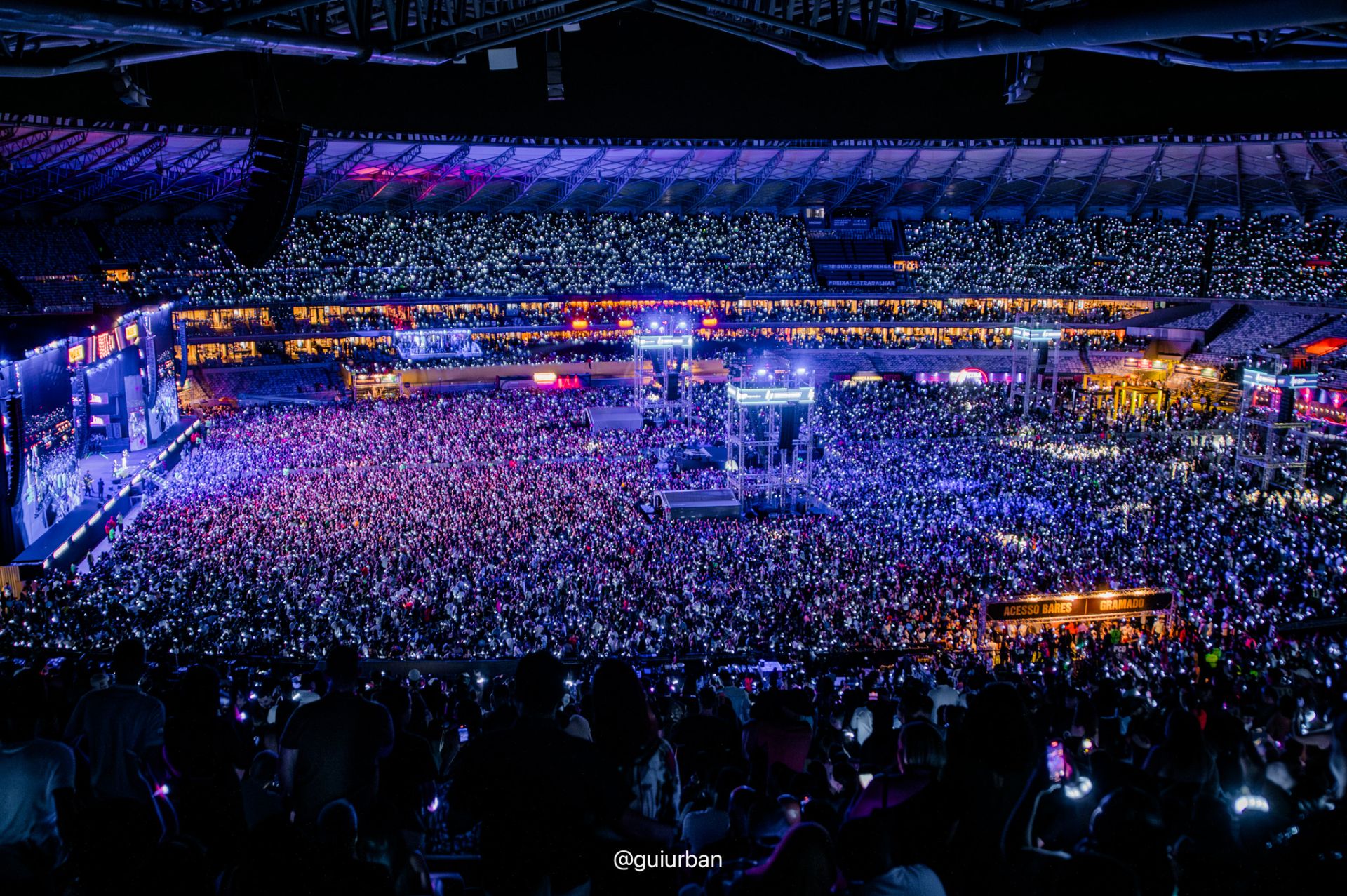
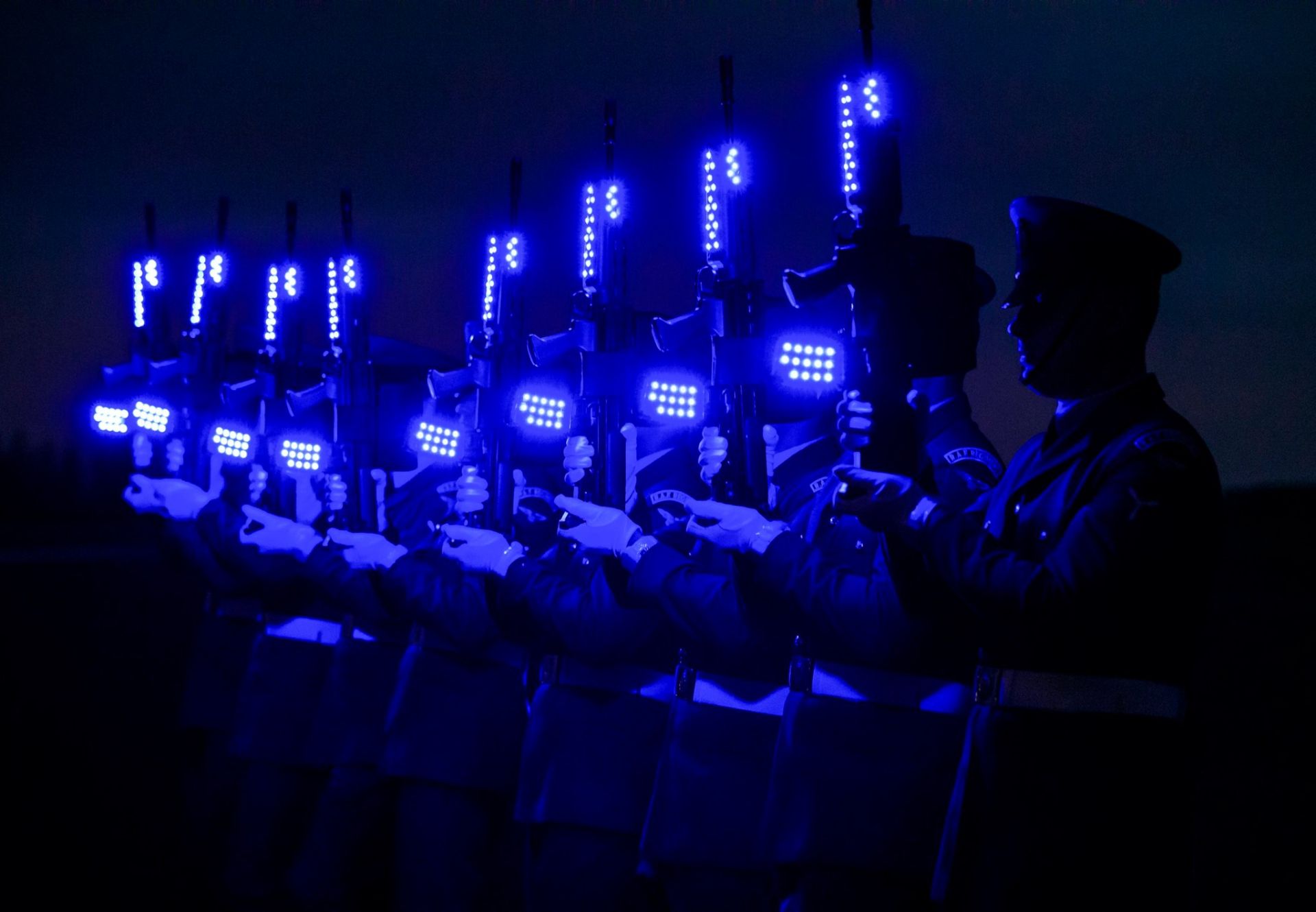
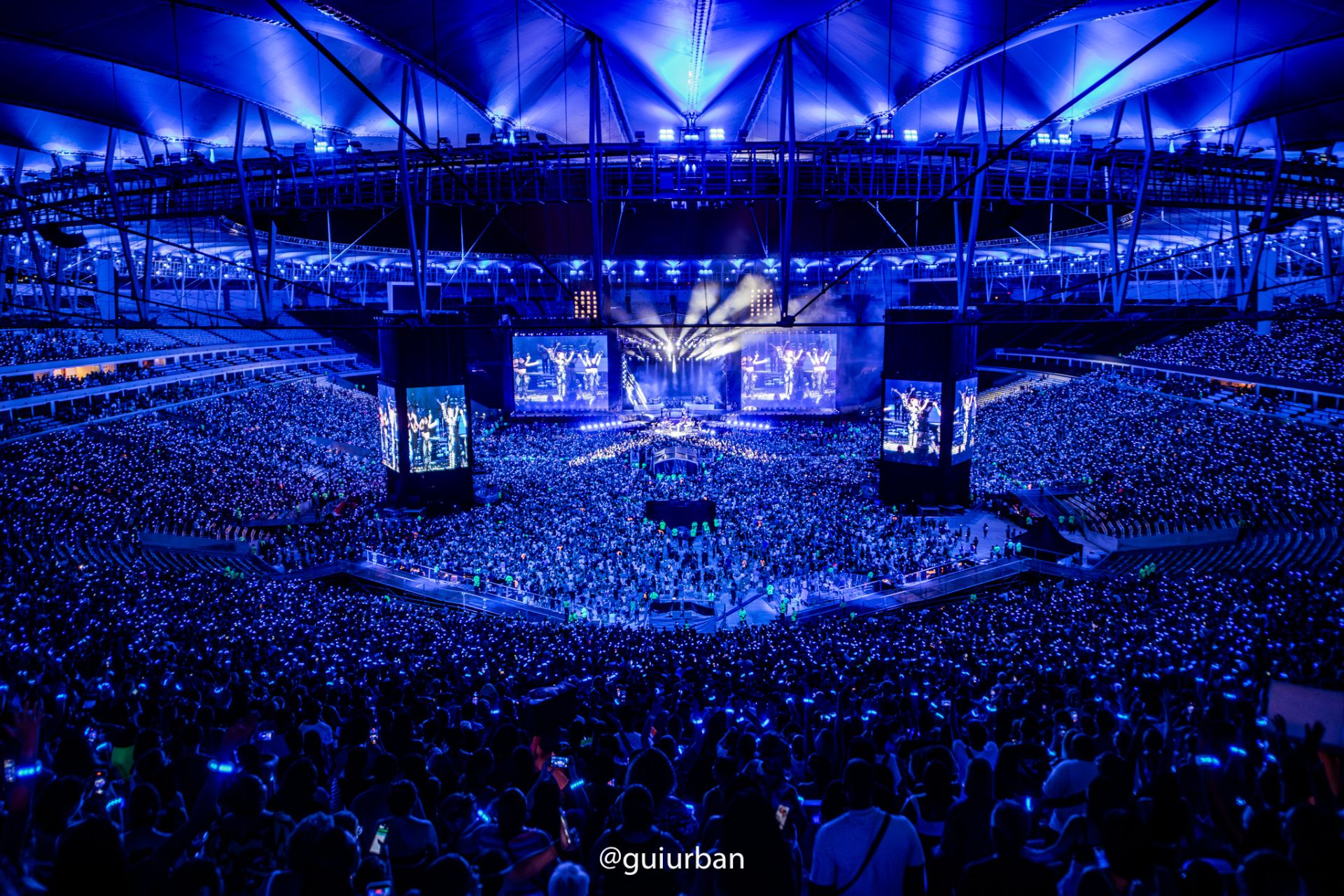
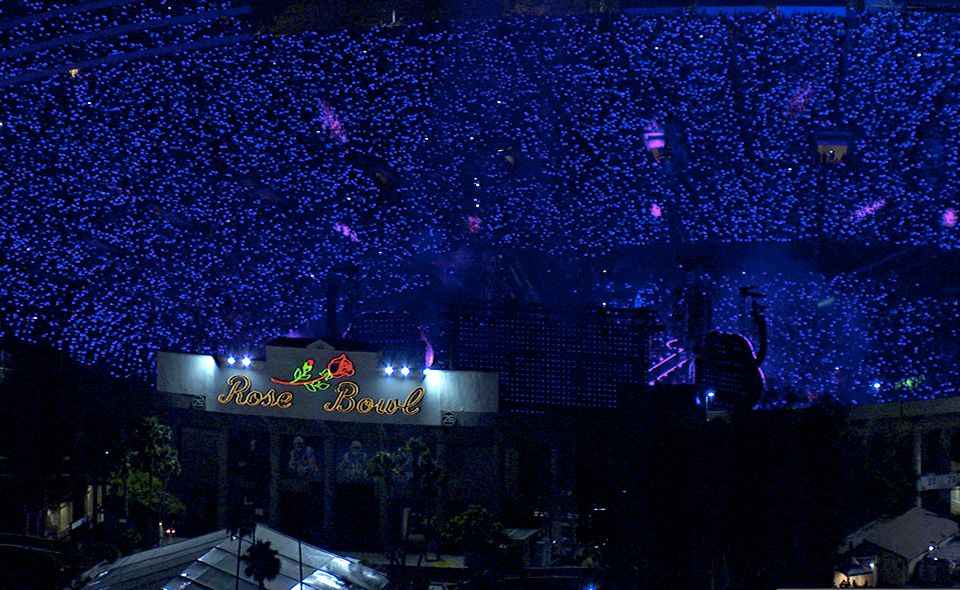
This is where technologies like wearable LED technology come into their own. At Xylobands, we’ve seen how our LED wristbands and LED lanyards can serve as a direct conduit for a performance’s rhythmic and emotional energy. When tens of thousands of lights flash in perfect sync with the music, it creates a powerful shared experience. For an audience member who can’t hear the music, the wristband on their arm becomes a tactile and visual translator, pulsing with the beat and shifting colour with the mood. It’s a form of sensory substitution, turning auditory information into a language of light that can be felt and seen.
Designing for Sensory Sensitivity
While dynamic lighting can enhance the experience for some, it can be overwhelming for others. Guests with autism, PTSD, or sensory processing disorders can find the high-intensity audio and visual stimulation of a typical concert or festival to be a significant barrier to attendance. Inclusive design means providing choice and control.
This can manifest in several ways:
- Sensory-Reduced Zones: Creating designated quiet areas where the volume is lower and the lighting is less intense, allowing guests to decompress without having to leave the venue.
- Forewarning and Information: Clearly communicating the show’s sensory elements in advance. Letting attendees know when to expect loud noises, pyrotechnics, or intense strobe effects allows them to prepare and make informed decisions.
- Graduated Intensity: Designing shows with a dynamic arc that includes moments of sensory rest. A relentless, one-hundred-percent-intensity show can be fatiguing for anyone, but it’s an absolute barrier for many. By choreographing moments of quiet and calm, producers create a more sustainable and enjoyable experience for a wider audience.
The Power of Tactile and Haptic Feedback
Beyond light, the sense of touch offers a rich, underexplored avenue for inclusive design. The deep, chest-rattling bass at a music festival is a form of haptic feedback that everyone experiences. But what if that could be more nuanced? Subwoofers integrated into flooring in specific zones, or even haptic feedback vests, can translate a much wider range of frequencies into physical sensations, offering a more detailed "picture" of the music for those with hearing loss.
Xylobands themselves are part of this tactile world. The simple presence of the band on the wrist is a physical connection to the collective. But the future of immersive event technology may see these devices incorporate more sophisticated haptic feedback, vibrating subtly with a bassline or buzzing gently to signal a key moment in a corporate presentation. It’s another layer of communication, another way to ensure the message lands.
A Multi-Sensory Blueprint for All
Creating truly inclusive LED crowd experiences isn’t about diminishing the spectacle. It’s about making it smarter, more adaptable, and more resonant. It’s about understanding that a single, monolithic experience will never serve a diverse audience effectively. The goal is to create a multi-layered, multi-sensory event where attendees can engage on their own terms.
Consider the power of scent, using subtle, allergen-free aromas to define different spaces within a festival. Or the use of high-contrast, large-print text on all digital screens. Think about the flow of a venue, ensuring pathways are clear not just for wheelchairs, but for anyone who finds dense crowds stressful. Every element of an event, from the grandest lighting cue to the smallest piece of signage, is an opportunity to be more inclusive.
The future of live events—from major music festivals like Glastonbury to corporate event activations—lies in this empathetic approach. By building sensory bridges, we don’t just accommodate more people; we create richer, more profound, and more unified experiences for everyone. We stop designing for a theoretical "average" person and start choreographing for the beautiful, complex reality of the human spectrum.