The Choreography of Trust: A Leadership Playbook for Modern Creatives
The Unseen Blueprint
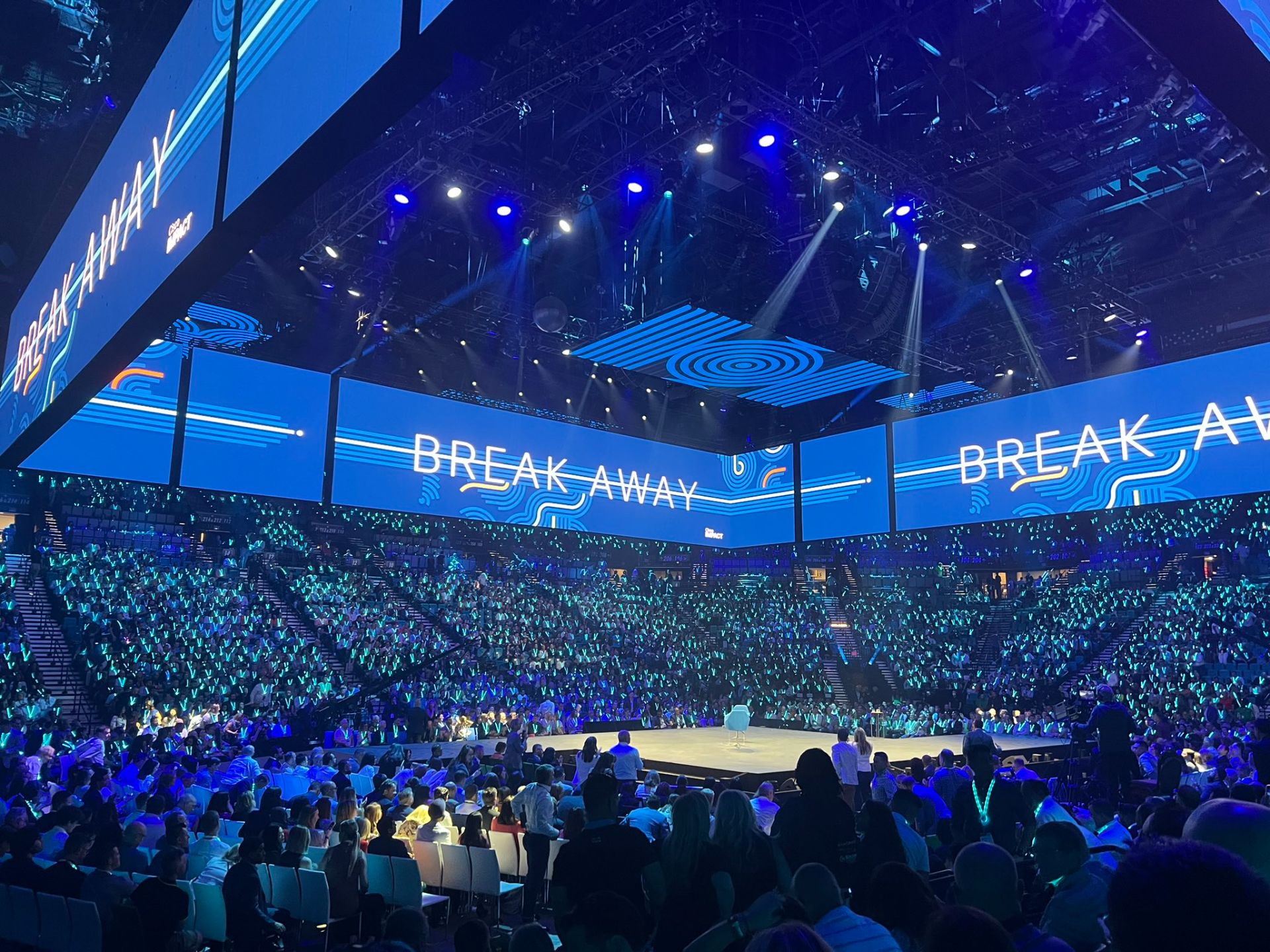
In the world of large-scale touring and event production, the final spectacle—the perfectly synchronised light show, the flawless sound, the seamless broadcast—is a testament to an unseen blueprint of leadership. For every artist on stage, there is a vast team of tour managers, creative directors, broadcast producers, and technical specialists operating with military precision. But what holds this complex ecosystem together? The answer is trust. Not a passive, assumed trust, but an actively cultivated leadership philosophy built on shared vision, radical accountability, and deep technical respect.
Modern live productions, from stadium concerts for artists like Maluma or Wizkid to global broadcasts like Formula One, are no longer just about the headliner. They are complex, multi-layered operations involving dozens of specialised teams. The leadership challenge is not one of command and control, but of alignment and empowerment. It’s about creating an environment where a lighting designer, a broadcast engineer, and an artist’s creative director can collaborate with absolute confidence, each knowing the other is executing their role to the highest possible standard.
The Architecture of High-Trust Teams
Building a high-trust creative team begins long before the first truck rolls into a venue. It starts with a leadership model that champions clarity, delegates ownership, and fosters a culture where technical and creative expertise are equally valued.
1. The Shared Vision as a North Star
At the outset of any major project—be it a world tour, a festival like Greece’s PRIMER, or a major corporate event activation—effective leaders establish a single, unifying creative vision. This is the "North Star" that guides every subsequent decision. It’s not enough for the artist or brand to have a vision; that vision must be translated into a tangible, actionable language that resonates with every department. A great leader ensures that the pyrotechnics team understands the emotional arc of the show, and the team programming the LED wristbands understands the key moments of audience connection the artist wants to create.
"The goal is to move from a hierarchy of roles to a network of expertise. The leader's job is to define the destination, not to micromanage the route each specialist takes to get there."
2. Radical Accountability and Delegated Ownership
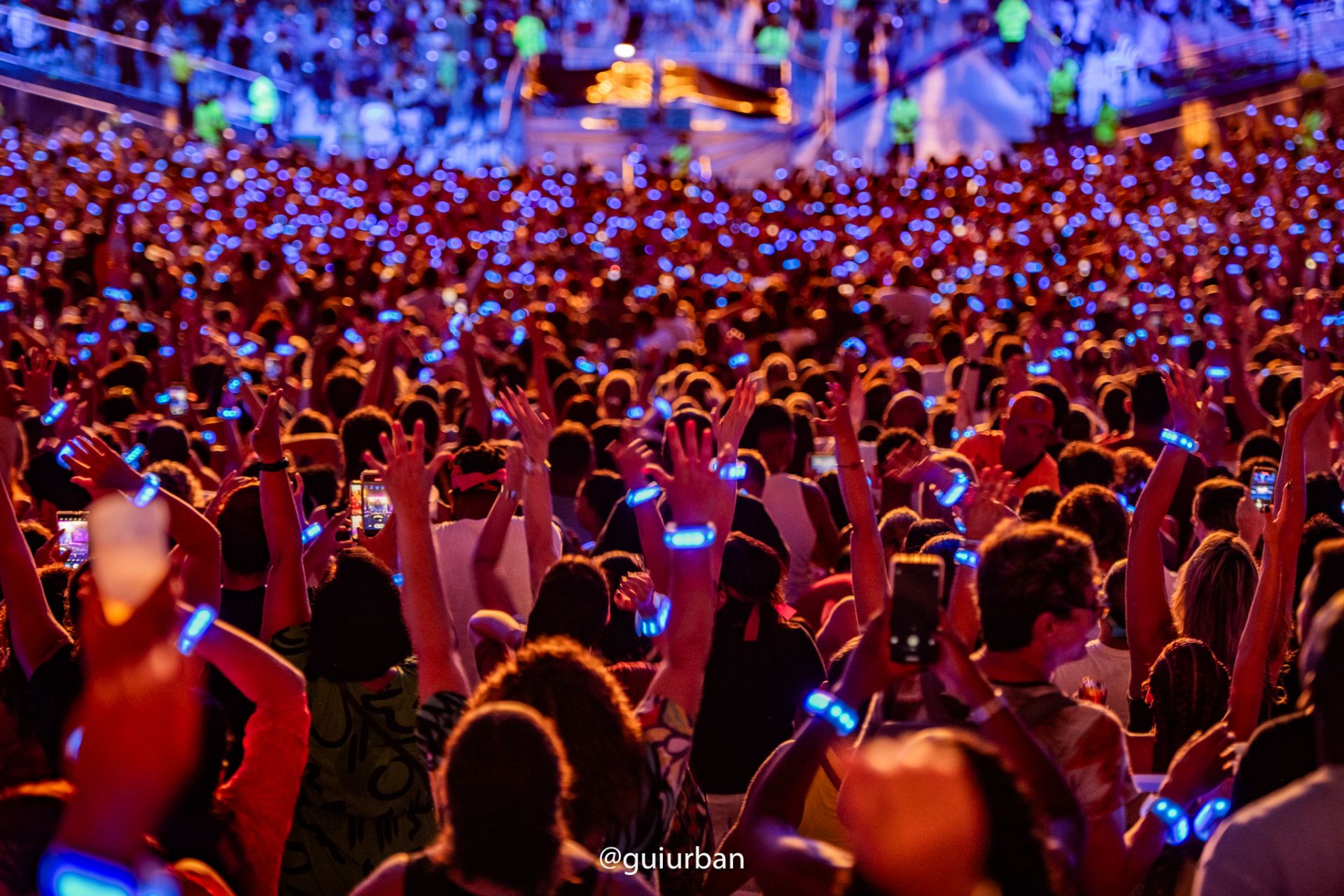
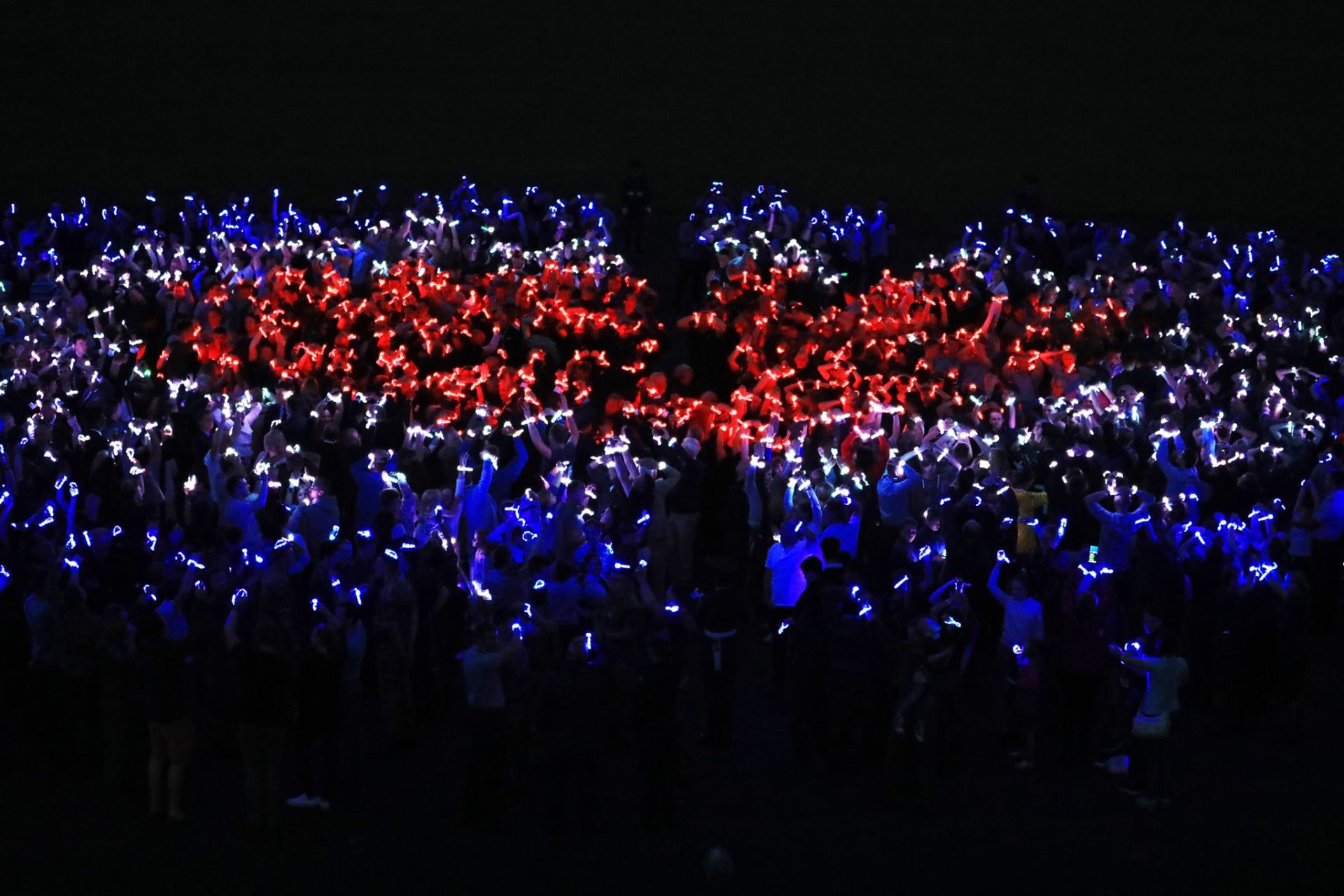
Trust flourishes where accountability is clear. In a high-stakes live environment, there is no room for ambiguity. Leaders who excel in this space are masters of delegation, but it is a delegation rooted in respect, not abdication. They entrust their teams with ownership of their domains, providing the resources and authority needed to execute flawlessly. When Xylobands are tasked with creating a canvas of light across 50,000 fans, the success of that moment hinges on the trust placed in our technicians and the reliability of our immersive event technology. This is only possible when the production leadership has clearly defined the desired outcome and empowered the tech team to deliver it.
3. The Currency of Technical Respect
The most effective leaders in the creative industries possess a deep, genuine respect for the craft of their teams. They may not be able to program a lighting desk or operate a broadcast camera, but they understand the technical complexities and pressures involved. They listen to their experts. When a rigger flags a safety concern or a network engineer highlights a potential issue with radio controlled LED wristbands, their voice is not just heard—it is respected and acted upon. This mutual respect is the bedrock of creative problem-solving, enabling teams to innovate safely and push boundaries without compromising the integrity of the show.
Leadership in Action: Weaving the Creative Triangle
Think of the relationship between the artist, the management, and the production team as a creative triangle. Each point is essential, and the strength of the structure depends on the connections between them. Effective leaders act as the conductors of this dynamic, ensuring seamless communication and alignment.
- The Artist & Vision:** This is the creative soul of the project. A great leader protects this vision fiercely while translating it into a practical, producible reality.
- The Management & Strategy:** This is the logistical and financial backbone. A leader works with management to ensure the creative ambitions are supported by a solid operational and commercial framework.
- The Production & Execution:** This is the technical realisation of the vision. Here, leaders empower their teams—from the lighting designers crafting LED crowd experiences to the sound engineers shaping the auditory journey—to bring the show to life.
This model thrives on open channels of communication. It’s about ensuring the artist’s last-minute creative spark can be practically integrated by the production team without derailing the entire operation. It’s about the tour manager having the confidence that every supplier, from staging to wearable LED technology, is held to the same standard of excellence.
The New Leadership Mandate
Ultimately, leadership in the modern live experience economy is the choreography of trust. It is the unseen art of aligning diverse talents toward a singular, spectacular goal. It’s about understanding that the true power of a live show lies not just in the performance on stage, but in the collective heartbeat of an audience united in a shared moment—a moment made possible by a silent army of specialists led with clarity, respect, and unwavering trust.
Whether it’s lighting up a stadium for a global superstar, designing intricate corporate event activations, or transforming a festival field into a sea of synchronized light, the principles remain the same. The spectacle is a reflection of the leadership that built it. It’s a testament to the quiet, confident conductors who, long before the lights go down, have already set the stage for success.