From Clapping to Code: The Technological Leap in Audience Engagement
The Ancient Echo: The Unchanging Core of Audience Engagement
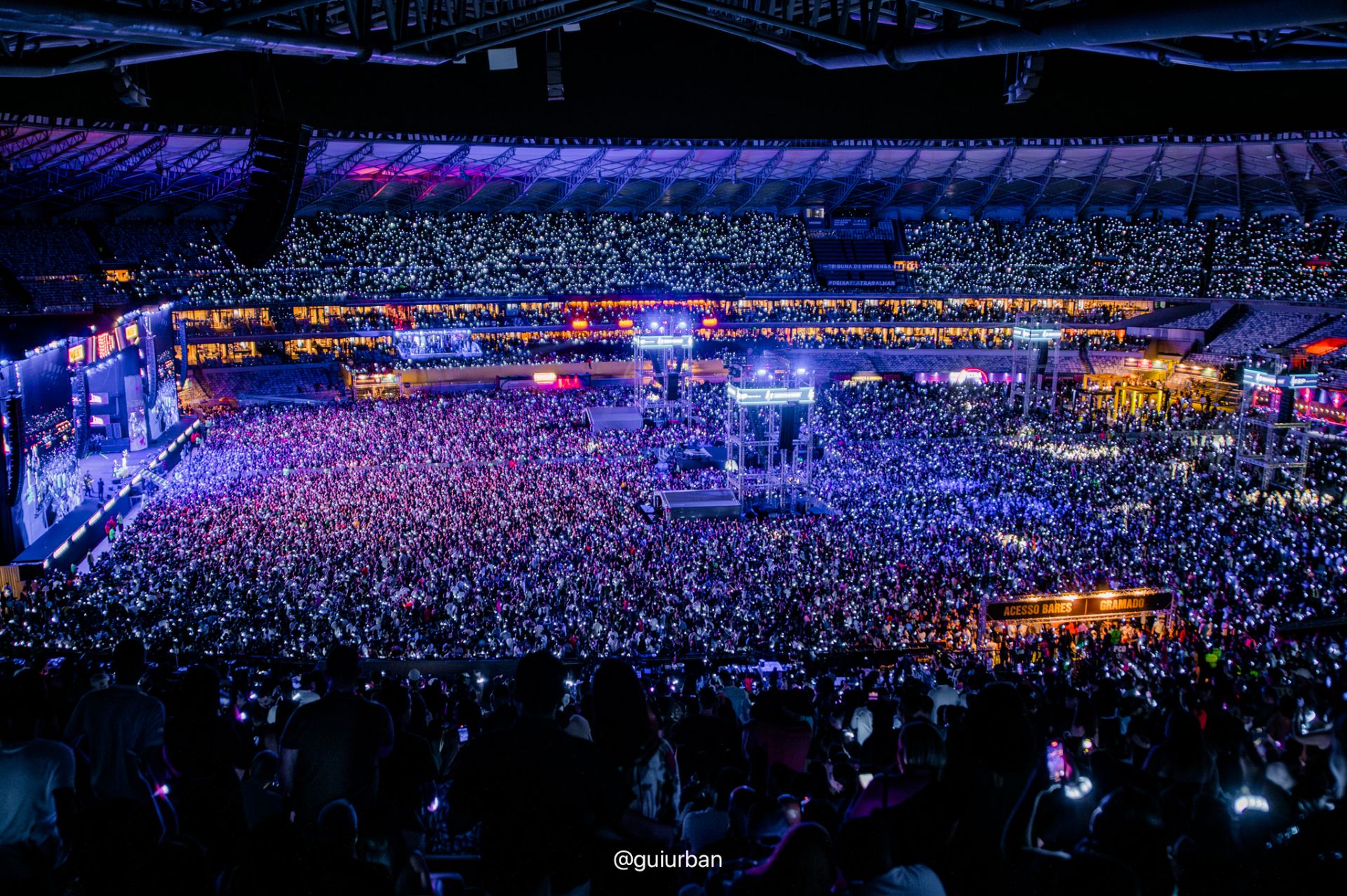
Since the first stories were told around a fire, the dynamic between performer and audience has been a two-way street. Applause, the unified gasp, the collective roar of a stadium—these are the primal forms of audience feedback, the original immersive technology. For millennia, this was the technological limit: the energy of the crowd, expressed through voice and gesture. It was powerful, certainly, but ephemeral. The desire for something more, for a deeper, more visually spectacular form of participation, lay dormant, waiting for technology to catch up to imagination.
The First Flickers: Lighters, Glow Sticks, and Mobile Phones
The 20th century introduced rudimentary tools that began to transform the visual landscape of live events. The iconic image of a sea of lighters held aloft during a ballad was perhaps the first instance of the audience physically illuminating a performance space. It was a grassroots phenomenon, an analogue, un-choreographed gesture of solidarity. The 1980s and 90s saw the rise of the glow stick, particularly in rave and festival culture, adding splashes of chemical-powered colour to the crowd. Then came the mobile phone, its screen a modern-day lighter, creating a galaxy of individual lights. Each was a step forward, yet they remained disconnected, individual points of light rather than a unified canvas.
The Spark of a Revolution: The Dawn of RF-Controlled Light
The true paradigm shift arrived with a question: what if every single point of light could be controlled? What if the crowd itself could become a single, synchronised visual instrument? This was the vision that led to the invention of Xylobands. Inspired by the Coldplay song "Fix You" and its lyric, “Lights will guide you home,” our founder Jason Regler imagined a technology that could turn that metaphor into a reality. The concept of radio-controlled LED wristbands was born—a technology that would allow every member of the audience to become a pixel in a vast, moving light show.
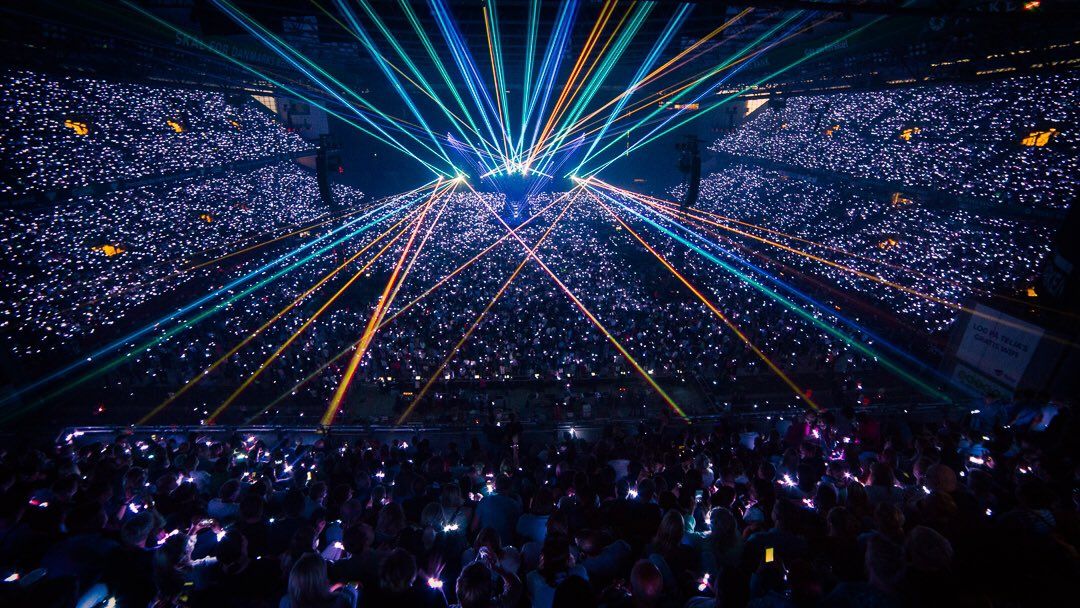
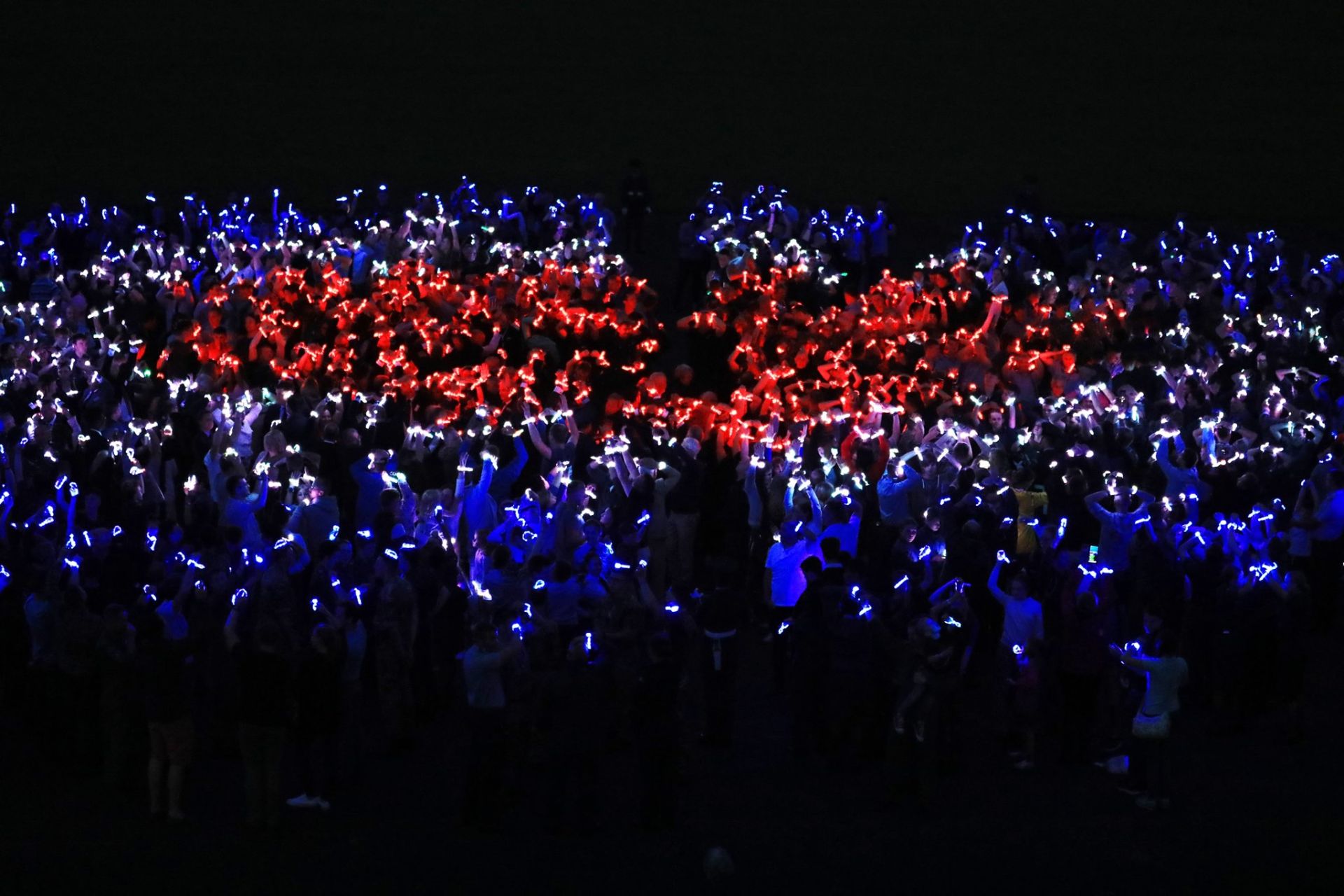
When Coldplay debuted Xylobands on their Mylo Xyloto tour in 2012, it marked a definitive break from the past. The effect was immediate and profound. For the first time, a tour manager or show designer could choreograph the crowd itself, painting with light across entire stadiums. This wasn’t just an evolution; it was a revolution. The passive spectator was now an active, illuminated participant. This innovation laid the groundwork for a new category of immersive event technology.
The Modern Canvas: Weaving Light into Every Experience
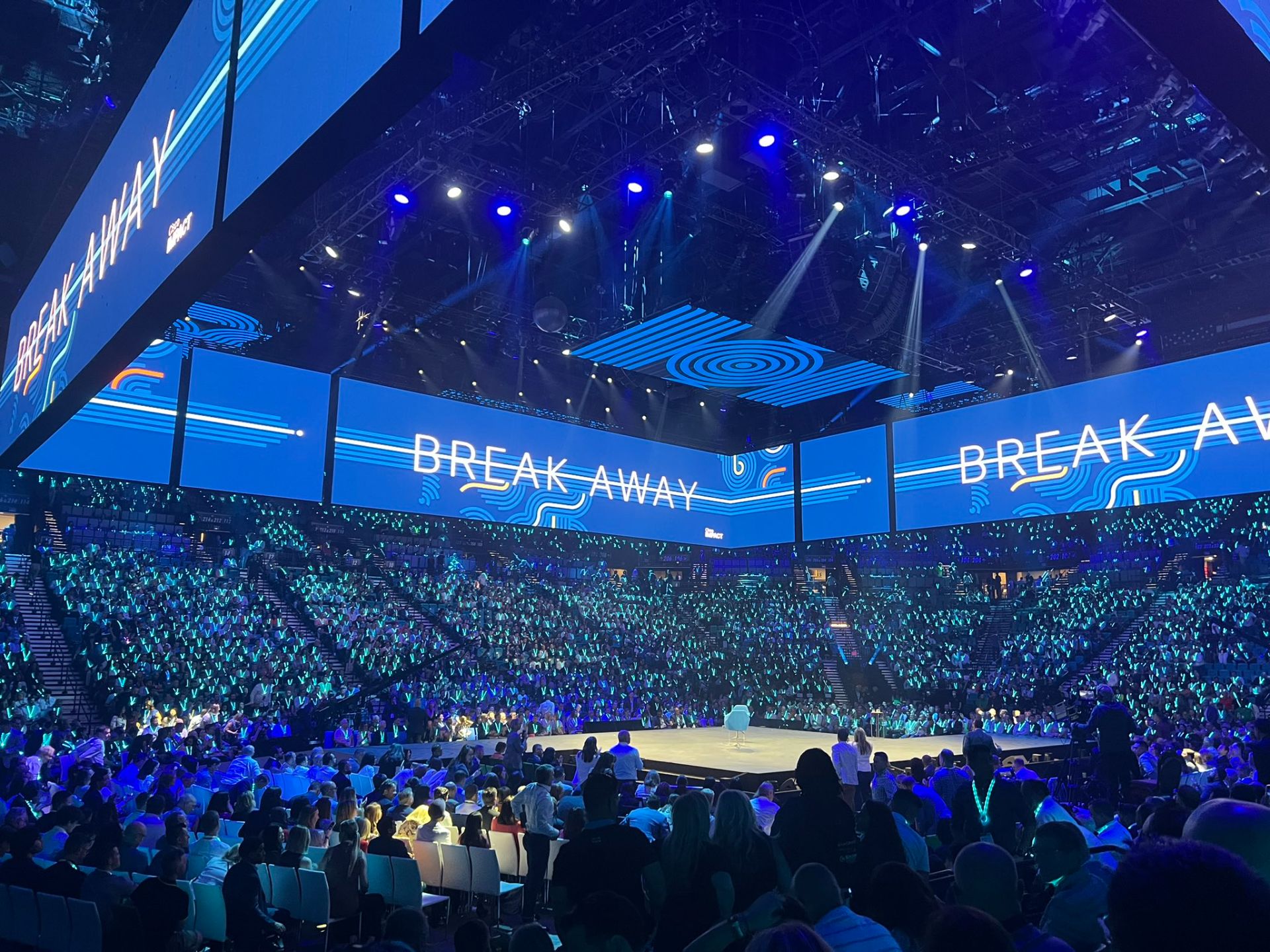
Today, this technology has expanded far beyond music concerts. It has become a powerful tool for engagement across the entire spectrum of live events. At corporate conferences, Custom LED Wristbands and LED Lanyards can segment audiences, signal networking sessions, or create high-impact brand moments, transforming standard corporate event activations into memorable experiences. In the high-octane world of sports, from the Davis Cup to Formula One, these systems can flash in team colours, celebrate a victory, or build tension during critical moments, amplifying the tribal energy of the fans.
The technology itself has diversified. We now see Wearable LED Technology in many forms, from the classic LED Bands and LED Bracelets to pendants and LED Orbs. The core principle remains the same: using light to foster a sense of unity and create a shared spectacle. Whether it's lighting up 32,000 fans for Wizkid at the O2 Arena or creating intricate patterns for a TV broadcast like Beat The Chasers, the ability to control light on an individual level offers limitless creative possibilities.
Beyond the Wristband: The Future of Immersive Events
The journey from applause to algorithms has fundamentally reshaped our understanding of a "live event." The audience is no longer just a collection of consumers; they are co-creators of the experience. The technology, once a novelty, is now a core component of show design, as essential as sound and staging. As we look forward, the integration will only deepen. We are moving toward a future where data, light, and human emotion intersect in real-time, creating ever more responsive, personalised, and breathtakingly immersive events. The fourth wall, once broken, has been replaced by a canvas of light, and every person in the crowd holds a brush.