The Two-Fold Spectacle: Mastering Light for Broadcast and Live Audiences
The Dual Mandate of Modern Event Lighting
In the high-stakes world of live broadcast events, the spectacle is no longer confined to the physical venue. It extends through fibre-optic cables and satellite signals into millions of homes, creating a dual audience that must be served simultaneously. There is the immediate audience—the thousands of fans whose energy and feedback are palpable—and the broadcast audience, watching through the meticulously framed perspective of a camera. Lighting for one is an art; lighting for both is a science.
This dual mandate presents a unique challenge. The human eye is a remarkably forgiving and adaptive instrument, capable of processing immense dynamic range. A camera sensor, by contrast, is not. It sees what it is told to see, and it can be easily overwhelmed by excessive contrast, blown-out hotspots, or crushed, noisy blacks. The lighting designer for a live broadcast must therefore act as a translator, crafting a visual language that speaks fluently to both the human eye and the camera lens.
The Camera’s Eye: A Different Kind of Perception
A live audience experiences light three-dimensionally. They feel the heat, perceive the haze, and see the beams of light carving through the space around them. The broadcast viewer sees a flattened, two-dimensional image. This fundamental difference dictates a distinct approach to lighting design. What reads as atmospheric and immersive in person can appear as a hazy, undefined mess on screen.
Key considerations for the camera include:
- Colour Temperature and Rendering: Modern broadcast cameras are highly sensitive to the colour temperature of light. A mix of different sources can create a jarring, inconsistent look on screen. Professional lighting systems must be calibrated to a consistent colour temperature, ensuring that skin tones appear natural and brand colours are rendered accurately—a critical factor for clients like Formula One or the NFL, where team and sponsor liveries must be perfect.
- Flicker-Free Operation: Many LED fixtures, when dimmed, can produce a flicker that is invisible to the naked eye but results in distracting banding and strobing on camera, especially during slow-motion replays. Flicker-free technology is non-negotiable for any broadcast-quality lighting, a standard we embed in our own wearable LED technology.
- Dynamic Range and Contrast: A camera’s dynamic range is far narrower than the human eye’s. A high-contrast scene that looks dramatic in person might result in lost detail in the shadows or blown-out highlights on screen. The lighting director must compress this range, using fill light to lift the shadows and careful key lighting to model subjects without overexposure.
Case Study in Synthesis: The ITV Standard
Our long-standing work with broadcasters like ITV, including on demanding formats like Beat The Chasers, has provided a deep understanding of this balancing act. In a studio environment, every element is scrutinised by the lens. The audience itself becomes part of the set, and their reactions are integral to the drama.
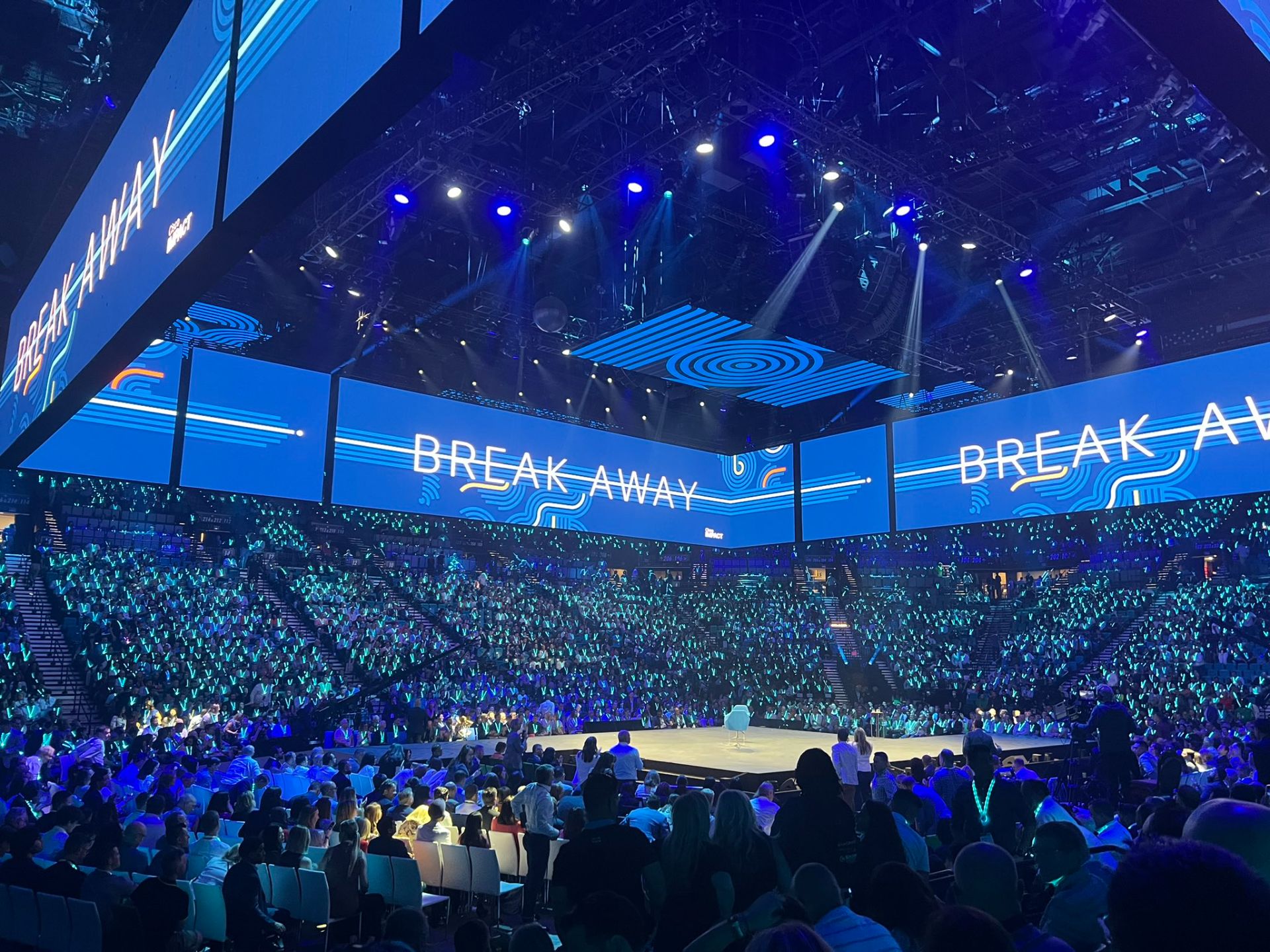
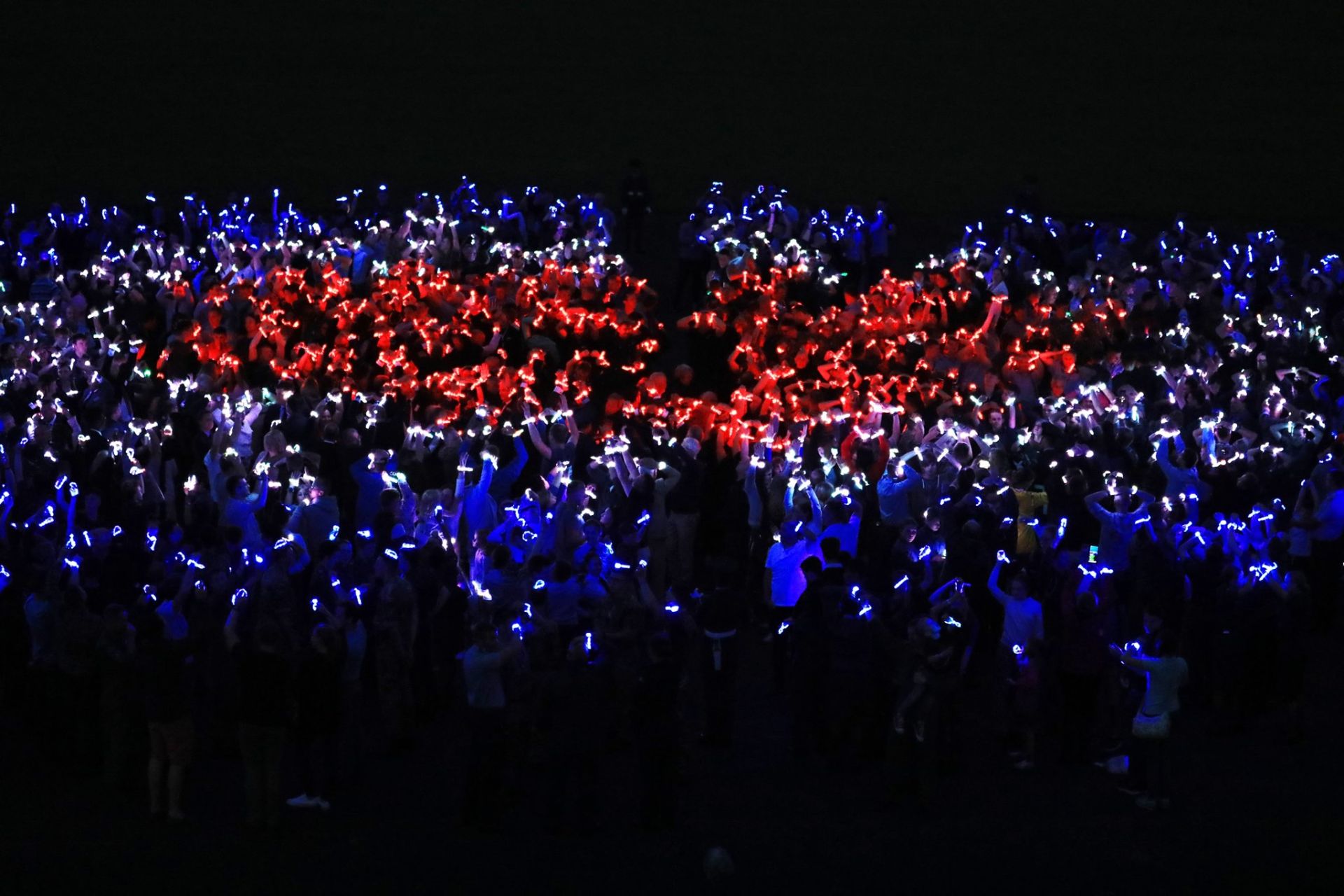
Here, the use of audience lighting, such as LED bands or lanyards, moves beyond simple engagement. It becomes a dynamic scenic element. The lights can be pulsed to heighten tension during a timed challenge or washed in a victorious colour to celebrate a win. For the broadcast, this creates a vibrant, visually interesting backdrop that enhances the narrative. For the live audience, it makes them participants in the action, their collective energy visualized in light. This is a core principle behind our LED crowd experiences—transforming spectators into a living, breathing part of the show’s architecture.
Expanding the Canvas: From Studio to Stadium
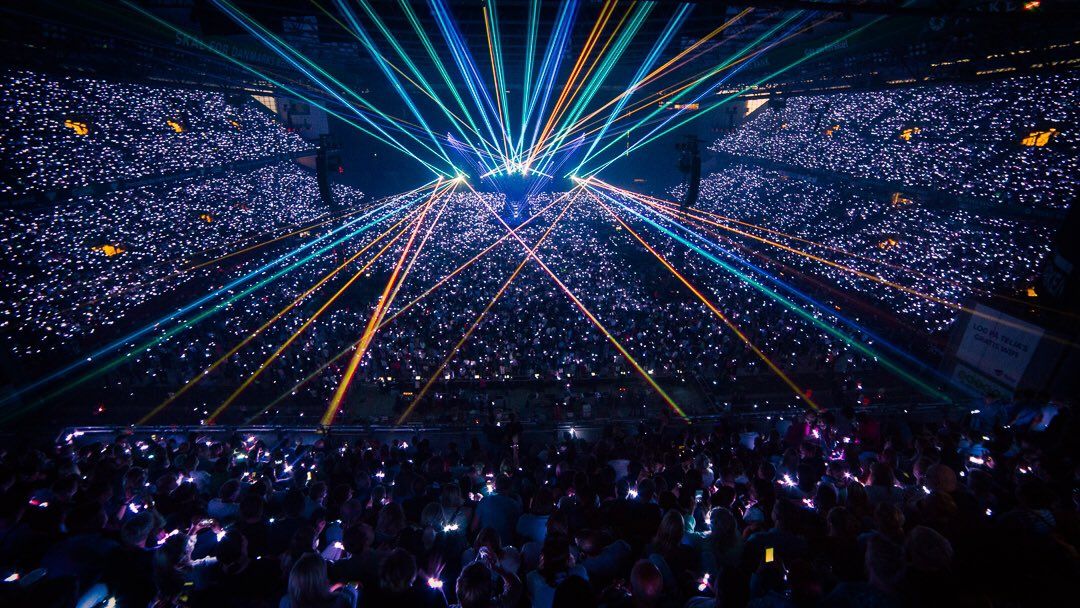
The principles honed in the studio scale up to the grandest stages. When Maluma’s historic Medellín concert was streamed to over 240 countries, or when a major sporting event like the Davis Cup Final is broadcast globally, the crowd becomes a vast canvas. By deploying thousands of radio-controlled LED wristbands, we can extend the visual storytelling across the entire stadium. This creates breathtaking wide shots for the broadcast—a sea of synchronized light that conveys the monumental scale of the event—while simultaneously fostering a profound sense of unity among the attendees.
“The challenge is to create moments that feel vast and cinematic on camera, yet intimate and personal for the person in the seat. The light must serve both the wide-angle broadcast shot and the individual human experience.”
Engineering for the Dual Gaze
The technology behind these immersive events must be flawless. Our proprietary RF control system allows for precise, real-time command over every single device, whether it’s a wristband, an orb, or a custom LED lanyard. This allows a lighting director to paint with the crowd, creating waves of colour, intricate patterns, and synchronized pulses that are perfectly timed to both the live action and the broadcast cues.
This is not just about spectacle; it’s about control. It’s about ensuring that the light that looks so brilliant on the broadcast director’s monitor feels just as magical to the fans in the top tier. It is the careful calibration of brightness, colour, and timing that makes this possible. For a global audience, Xylobands have become synonymous with this new era of event production, where the crowd is not just watching the show, but is an illuminated, integral part of it.
Ultimately, lighting for the dual audience of live and broadcast is a conversation between art and engineering. It demands a deep respect for the technology of the camera and an intuitive understanding of the psychology of the crowd. When mastered, the result is a seamless, powerful experience that transcends the physical space, creating a shared moment of wonder for everyone, no matter where they are watching.