The Collaborative Core: Aligning Artist, Tour Manager, and Creative Director
The Triumvirate of the Spectacle
Behind every unforgettable live event—from a stadium rock show to a globally televised brand launch—is a core alliance: the artist, the tour manager, and the creative director. This triumvirate is the engine room of the entire production. When their collaboration is seamless, they create magic. When it’s fractured, the audience feels it, even if they can’t name why. The artist provides the soul and the raw talent. The creative director dreams up the visual and sensory world for that talent to inhabit. And the tour manager is the pragmatist, the logistician who grounds the dream in reality, ensuring it can be built, packed, and moved from city to city, night after night, without a hitch.
The Vision: More Than Just a Stage
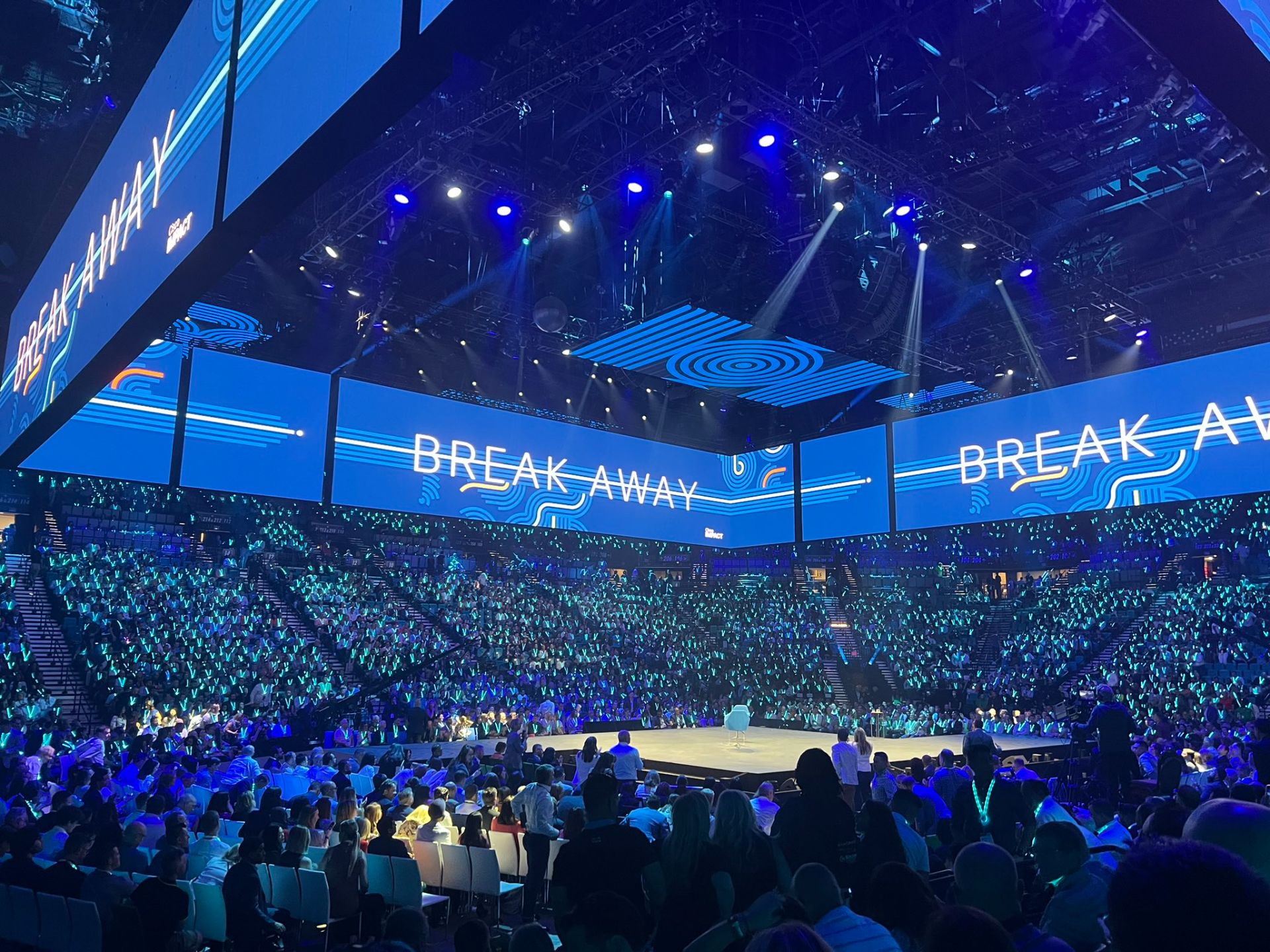
The process begins with the artist's vision. It might be a lyrical theme, an album’s color palette, or a specific emotional arc they want the audience to experience. The creative director’s role is to translate that abstract feeling into a tangible, multi-sensory experience. This is where the brainstorming for lighting, stage design, and audience interaction begins. It’s no longer just about illuminating a performer. It’s about creating immersive events that erase the boundary between the stage and the seats.
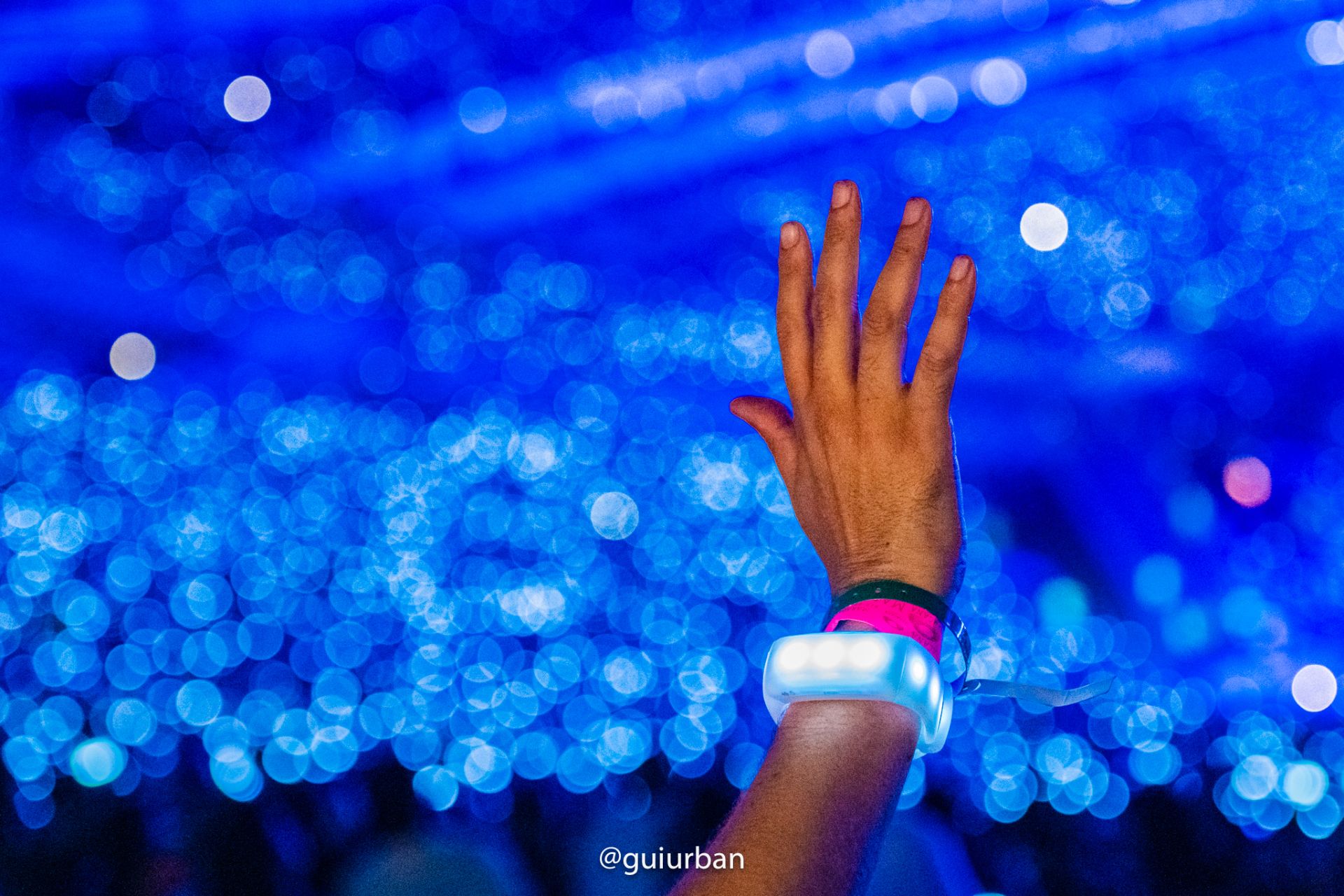
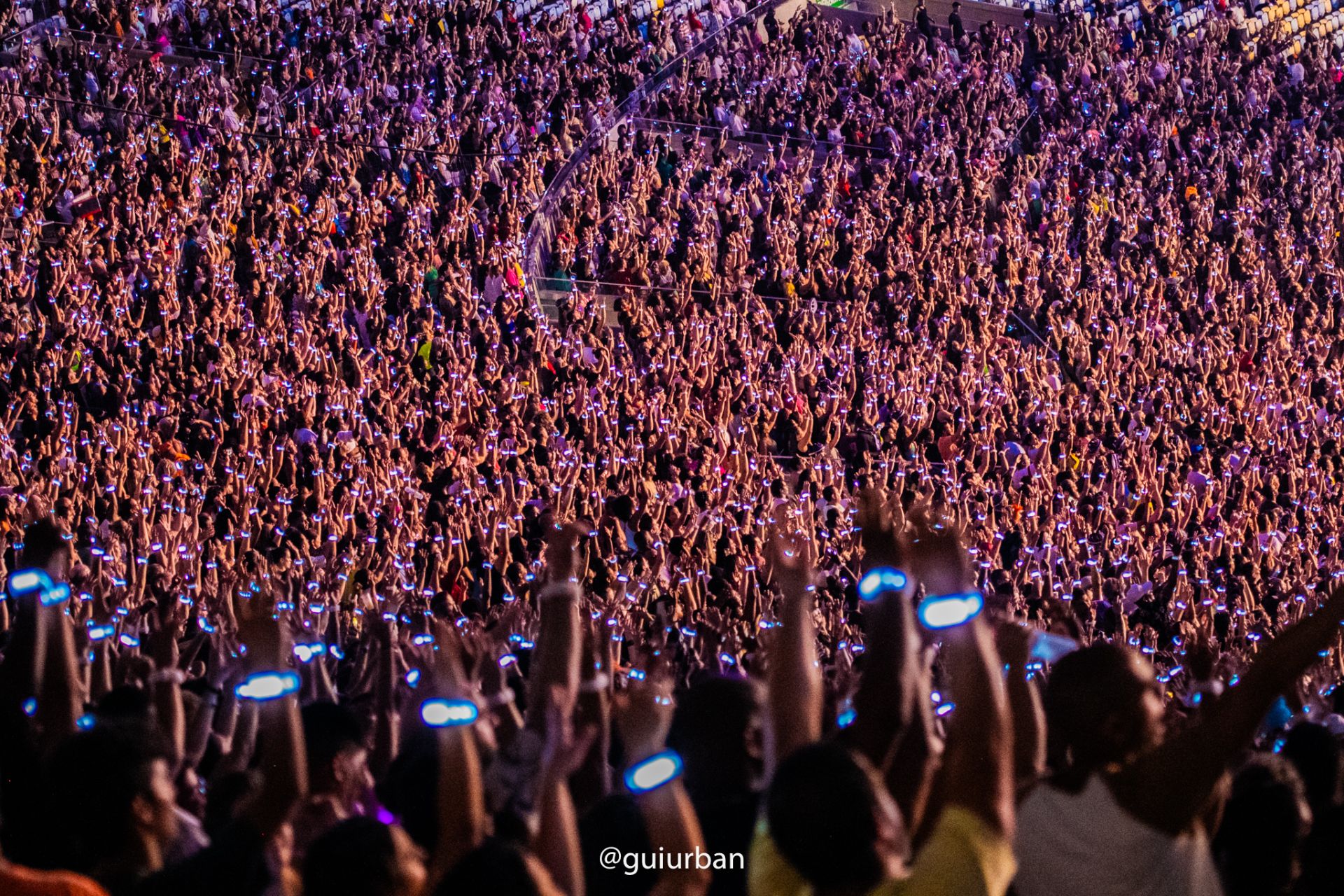
This is where technologies like Xylobands come into play. A creative director might envision a moment of mass euphoria during a crescendo. By turning the entire audience into a canvas of synchronized light, radio controlled LED wristbands transform a passive crowd into an active part of the show itself. It’s a powerful tool, but it requires a deep understanding of the artist’s music and message to be deployed with intent and meaning, not as a gimmick. The goal is to amplify the artist’s story, not distract from it.
The Blueprint: From Concept to Cargo
Here, the tour manager becomes the crucial anchor. They take the creative director's grand vision and ask the tough questions: Can we source this? What does it weigh? How much truck space does it need? How long does it take to set up and tear down? Their domain is the unforgiving world of budgets, timelines, and physics.
A tour manager's genius lies in their ability to see the entire operational chessboard, anticipating challenges weeks and months in advance. They are the bridge between the artistic dream and the logistical reality.
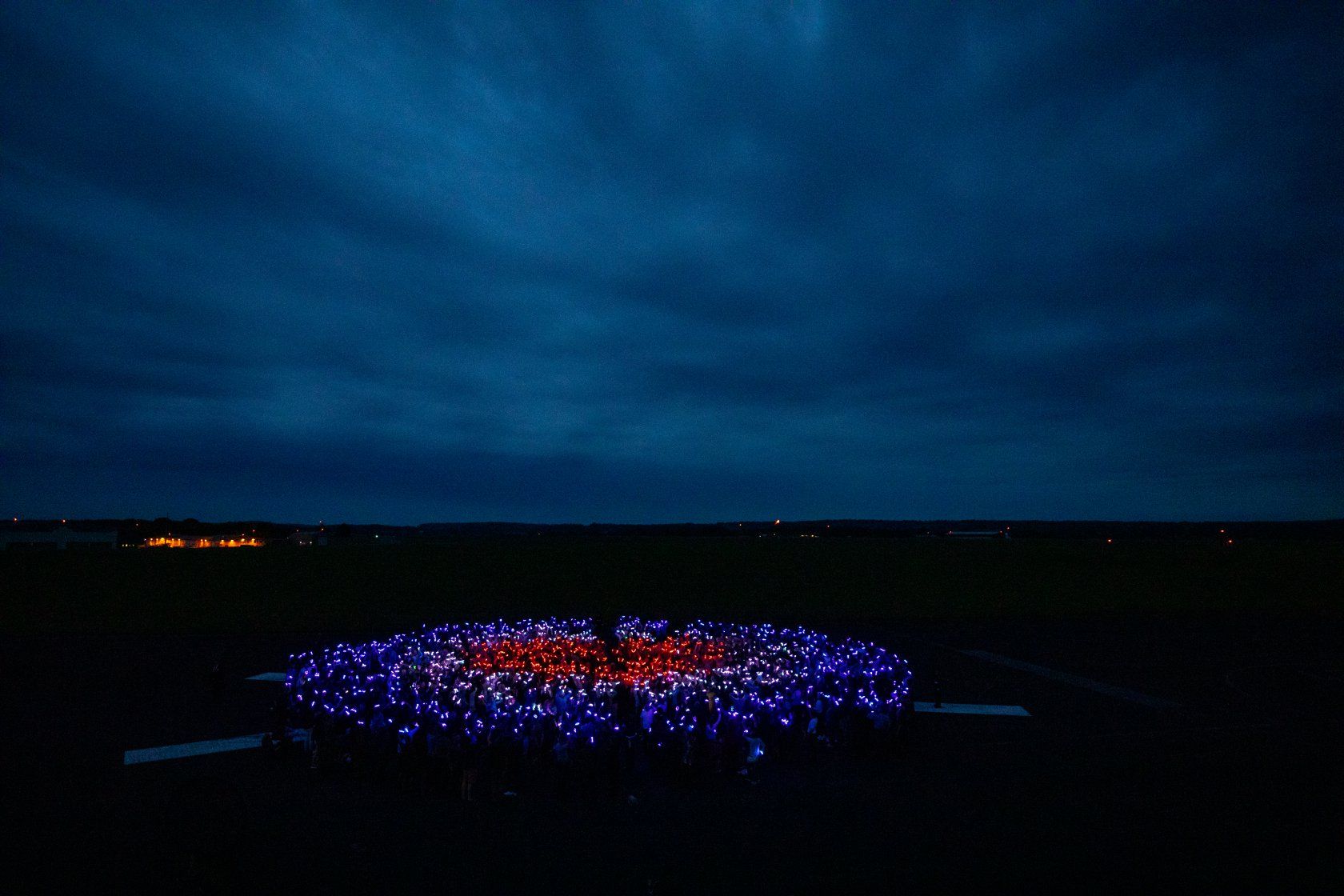
Consider the logistical complexity of an event like Formula One's 75th-anniversary show in London. Integrating thousands of custom LED Lanyards into a live broadcast featuring multiple teams and performers requires meticulous planning. The tour manager, working with the creative and technical teams, must ensure that every piece of LED event technology is not only in the right place at the right time but also functions flawlessly on a global stage. This level of execution is the hallmark of a world-class production team.
The Sync: Where Art and Logistics Converge
The most successful collaborations occur when these three roles operate in a state of constant, open communication. The creative director might propose a stunning visual effect using wearable LED technology, and the tour manager might counter with a more streamlined, tour-friendly alternative that achieves 90% of the effect with 50% of the logistical strain. The artist, in turn, provides feedback on how the technology feels from the stage. Does it enhance the connection with the audience? Does it feel authentic to the music?
This dialogue is critical. It prevents the creative from becoming impractical and the logistics from stifling the art. When Maluma played to 54,000 people in his hometown—a show streamed to over 240 countries—the lighting and effects had to serve both the roaring stadium crowd and the millions watching at home. This requires a deep synthesis of artistic goals and technical execution, a perfect sync between the creative vision and the operational plan. The result is powerful LED crowd experiences that feel both intimate and epic.
Building a Unified Canvas
Ultimately, the goal is to create a unified experience where every element—music, light, stage, and audience—feels like part of a single, coherent story. The artist doesn’t just perform on the stage; they inhabit a world. The audience doesn’t just watch; they participate. This is the future of live events, driven by the seamless, trust-based collaboration between the artist who inspires, the creative director who imagines, and the tour manager who delivers.