The Shared Spectrum: Designing Truly Inclusive Live Events
Beyond Ramps and Railings: The New Frontier of Inclusive Event Design
For decades, the conversation around accessibility in live events has rightfully focused on the physical: ramps for wheelchairs, accessible seating, and clear pathways. These are the foundational, non-negotiable elements of creating a welcoming space. But as our understanding of human diversity deepens, so too must our approach to event design. True inclusivity extends beyond physical access into the sensory and cognitive realms, challenging producers and designers to ask a more profound question: How do we make an experience feel not just accessible, but truly welcoming for everyone?
The answer lies in moving from a compliance mindset to one of creative, empathetic design. It’s about creating multi-layered experiences that offer different pathways to engagement, catering to a vast spectrum of sensory preferences and cognitive needs. In this new landscape, technology—specifically intelligent lighting—is emerging as a powerful tool for crafting more universally enjoyable and less overwhelming live events.
The Sensory Challenge of Live Entertainment
A roaring stadium, a high-energy festival, or a dazzling corporate launch can be a dream for one person and a sensory nightmare for another. The very elements designed to create excitement—pyrotechnics, strobing lights, and overwhelming sound systems—can be significant barriers for individuals with sensory sensitivities, including those on the autism spectrum, or those with PTSD or anxiety disorders.
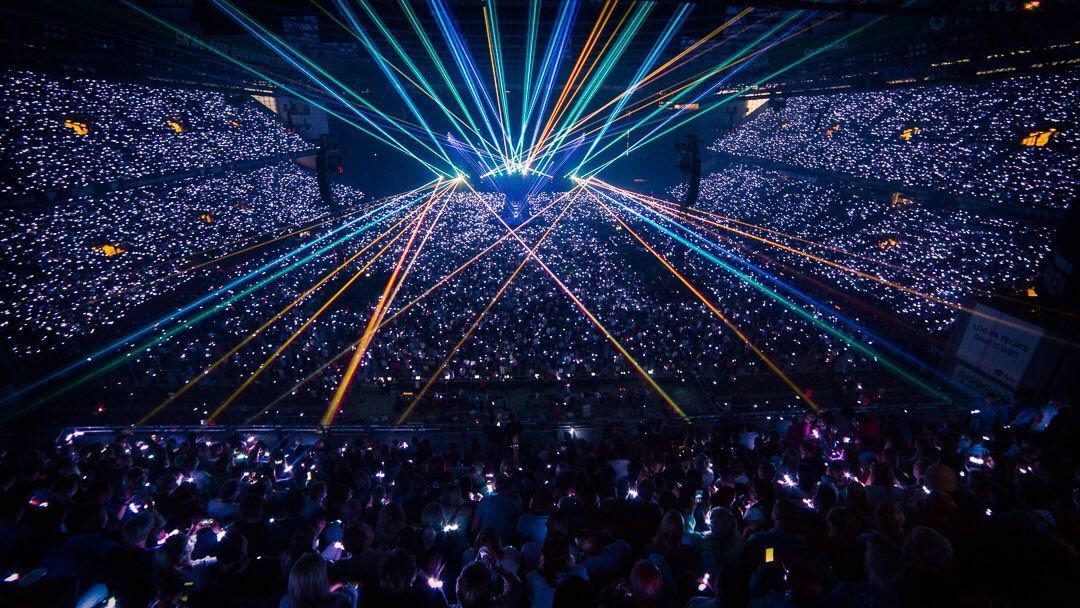
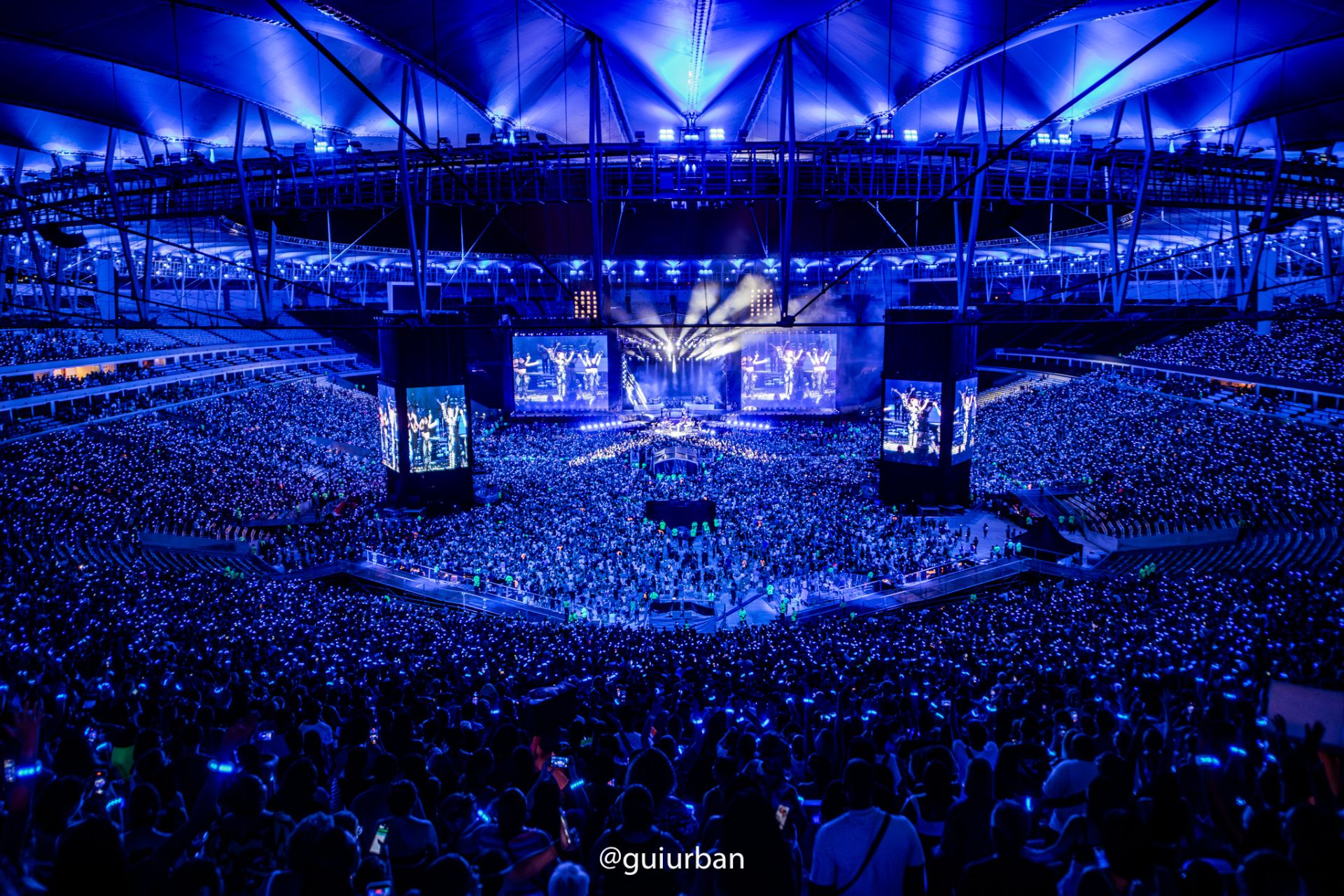
This isn’t about diminishing the spectacle. It’s about diversifying it. The goal is to build choice and control into the environment, allowing attendees to modulate their own experience. This is where wearable LED technology offers a subtle but profound solution. Unlike monolithic stage lighting, distributing light across the audience in the form of LED wristbands or LED lanyards decentralises the visual focus. It transforms the experience from a passive reception of overwhelming stimuli into an immersive, shared environment.
"True innovation in accessibility isn't just about adding features for some; it's about designing a core experience that works better for everyone. When you design for the edges, the center becomes stronger."
Light as a Tool for Communication and Comfort
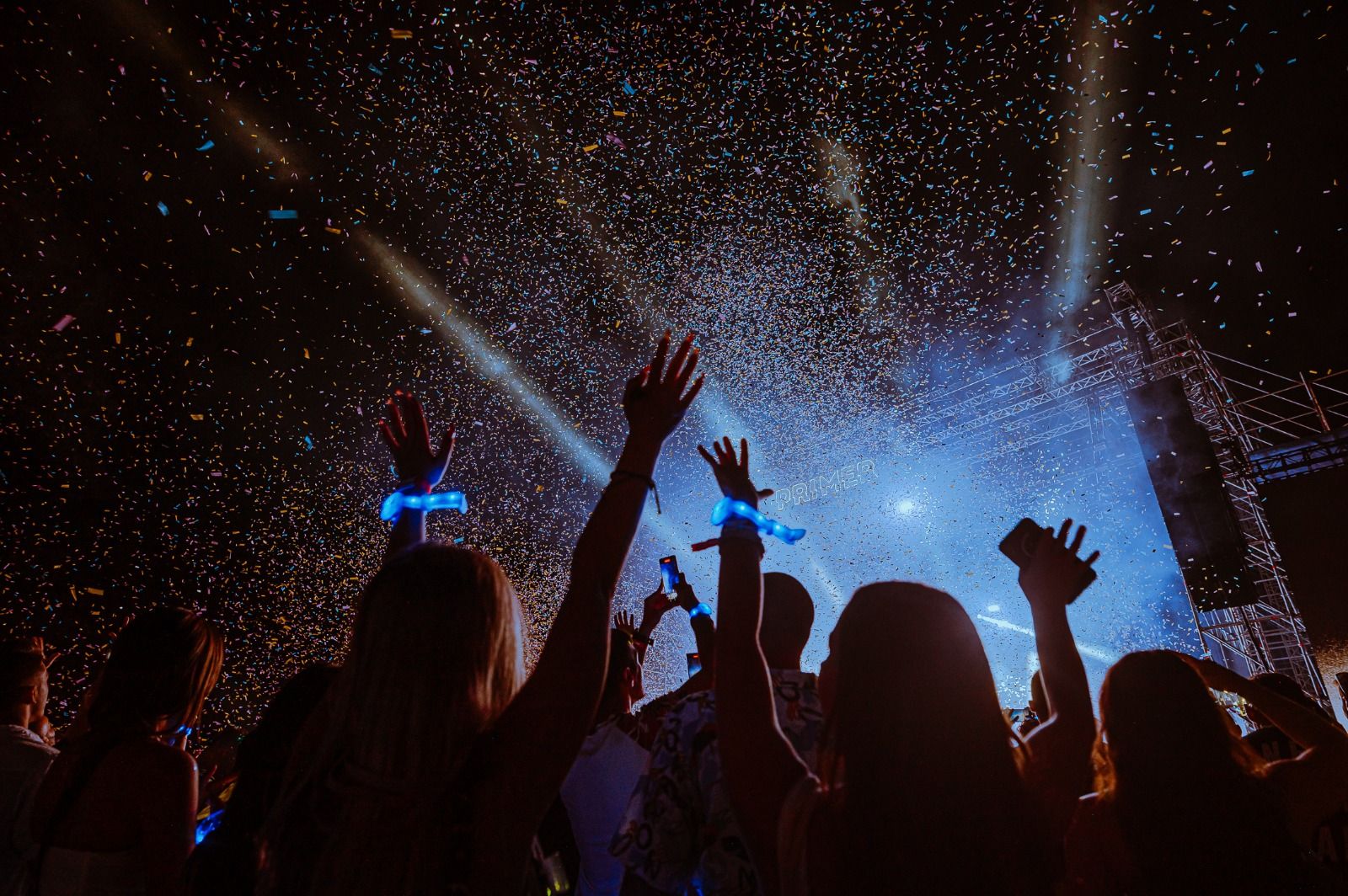
Imagine a large-scale festival like Greece’s PRIMER Music Festival. The energy is high, the beats are constant, and the crowd is vast. For some, this is electrifying. For others, it can be disorienting. Now, introduce a layer of synchronised light that flows through the crowd via festival wristbands.
This network of light does more than just look spectacular. It serves several crucial, often subconscious, functions for accessibility:
- Wayfinding and Zoning: Specific colours can be used to delineate different zones, guide people toward quieter areas, or signal the location of amenities without relying on loud announcements or visually cluttered signage.
- Emotional and Narrative Guidance: A slow, pulsing blue can create a calming, unified moment during a ballad, while a vibrant, fast-paced chase of colours can build excitement. This use of light as a narrative device can help attendees anticipate the emotional arc of a show, reducing anxiety and surprise.
- Reducing reliance on strobes: Dynamic, crowd-based lighting effects can create a sense of energy and movement without resorting to the intense, repetitive strobing that can be harmful or distressing to many. The light is ambient and environmental, rather than sharp and concussive.
At its core, this approach treats the audience as a living, breathing canvas. It allows a show’s creative director to paint with a much finer brush, creating moments of intensity that are inclusive by design. The focus shifts from a single, blinding source to a distributed, communal glow, making the experience more comfortable and visually coherent for a wider range of sensory profiles.
Case Study in Subtlety: Beyond the Concert
This philosophy extends seamlessly into the world of television and broadcast. On shows like ITV’s Beat The Chasers, the studio audience becomes part of the set. Here, radio controlled LED wristbands are not just for applause cues; they are integral to the broadcast’s visual grammar. They can reflect the tension of the game, celebrate a win, or create a warm, ambient backdrop. For an audience member who finds bright, flashing studio lights overwhelming, the gentle, synchronised glow of a wristband offers a more pleasant form of participation.
Designing for Cognitive and Neurological Diversity
The conversation around neurodiversity in live events is growing, and with good reason. Inclusive design must also account for conditions like dyslexia, dyspraxia, and ADHD, where processing information and navigating complex environments can be challenging. Once again, intelligent LED event technology can offer elegant solutions.
For example, at a large corporate event or a complex multi-stage festival, custom LED wristbands or lanyards can be programmed to act as personal guides. Imagine a lanyard that gently pulses green when it’s time to head to the next session, or wristbands that light up in a specific team colour during a breakout activation. This visual, intuitive cueing system reduces the cognitive load of navigating schedules, maps, and complex instructions. It’s a simple, dignified way to ensure everyone is in the right place at the right time, without anyone feeling lost or singled out.
This principle was demonstrated on a grand scale at the Formula 1 75th Anniversary event, where custom Xylo Pendants were distributed. The pendants could be programmed with different colours to distinguish between hospitality tiers or fan groups, creating an intuitive visual language that helped manage a complex, multi-layered live broadcast event. This is a form of passive, environmental communication that enhances the experience for everyone.
The Future is a Shared Spectrum
The ultimate goal of inclusive design is to create a space where the need for "special" accommodations diminishes because the environment itself is inherently flexible and accommodating. It’s not about creating a separate, lesser experience for those with different needs, but about enriching the main event so it can be enjoyed by all, together.
Technologies like Xylobands are not merely special effects. They are tools for connection, communication, and comfort. They allow us to move beyond the one-size-fits-all model of live entertainment and toward a future of immersive events where every single person in the audience feels seen, considered, and part of the collective whole. By designing for the full spectrum of human experience, we don’t just make events more accessible; we make them more profoundly human.