The Dual Audience: Lighting for the Room and the World
The Challenge of the Dual Audience
In the world of major broadcast events, the audience is no longer confined to the arena. It’s a dual entity: the thousands of fans experiencing the energy of the room, and the millions more watching through the unblinking eye of a camera. This presents a unique creative and technical challenge for production designers. How do you craft a visual experience that feels electric and immersive for those in the venue, yet translates with clarity, depth, and vibrancy to a global broadcast audience?
Lighting for a live show is an art of atmosphere. It’s about sculpting space, directing focus, and evoking emotion. But lighting for a camera is a science of precision. It’s a game of colour temperatures, exposure levels, and dynamic range. Mastering both simultaneously is the new benchmark for excellence in live production, turning a great show into a historic, shared moment. From major sporting events like the Davis Cup to high-stakes TV productions like ITV’s Beat The Chasers, the goal is to create a seamless visual narrative for two very different viewing experiences.
The Camera’s Perspective: More Than Just Brightness
A camera sensor does not “see” light in the same way the human eye does. Our eyes can quickly adapt to massive shifts in brightness and colour, but a camera has a limited dynamic range. A light show that looks spectacular in person can appear as a blown-out, overexposed mess on screen, or conversely, get lost in digital noise and murky shadows.
Broadcast-ready lighting design requires a deep understanding of:
- Colour Temperature & CRI: Ensuring that colours—from an artist’s skin tone to a team’s jersey—are rendered accurately on screen is paramount. This requires fixtures with a high Colour Rendering Index (CRI) and careful management of colour temperatures to create a consistent, clean look across multiple camera angles.
- Exposure Control: The interplay of key lights, fill lights, and ambient light must be meticulously balanced. An otherwise perfect shot can be ruined by a single errant spotlight creating a hot spot in the background.
- Flicker-Free Operation: Many LED fixtures can produce a flicker that is invisible to the naked eye but painfully obvious to a camera, especially during slow-motion replays. Professional broadcast design demands the use of high-frequency, flicker-free light sources.
It’s a technical discipline where the smallest details have the biggest impact. The aim is to create a visual field with enough depth and texture to be compelling on a flat screen, without overwhelming the sensors.
The In-Venue Experience: Painting with People
While the broadcast feed demands technical precision, you cannot afford to sacrifice the raw energy of the live experience. The fans in the seats are the heart of the event; their reactions and engagement fuel the very atmosphere the broadcast aims to capture. This is where the concept of the crowd as a canvas comes into play.
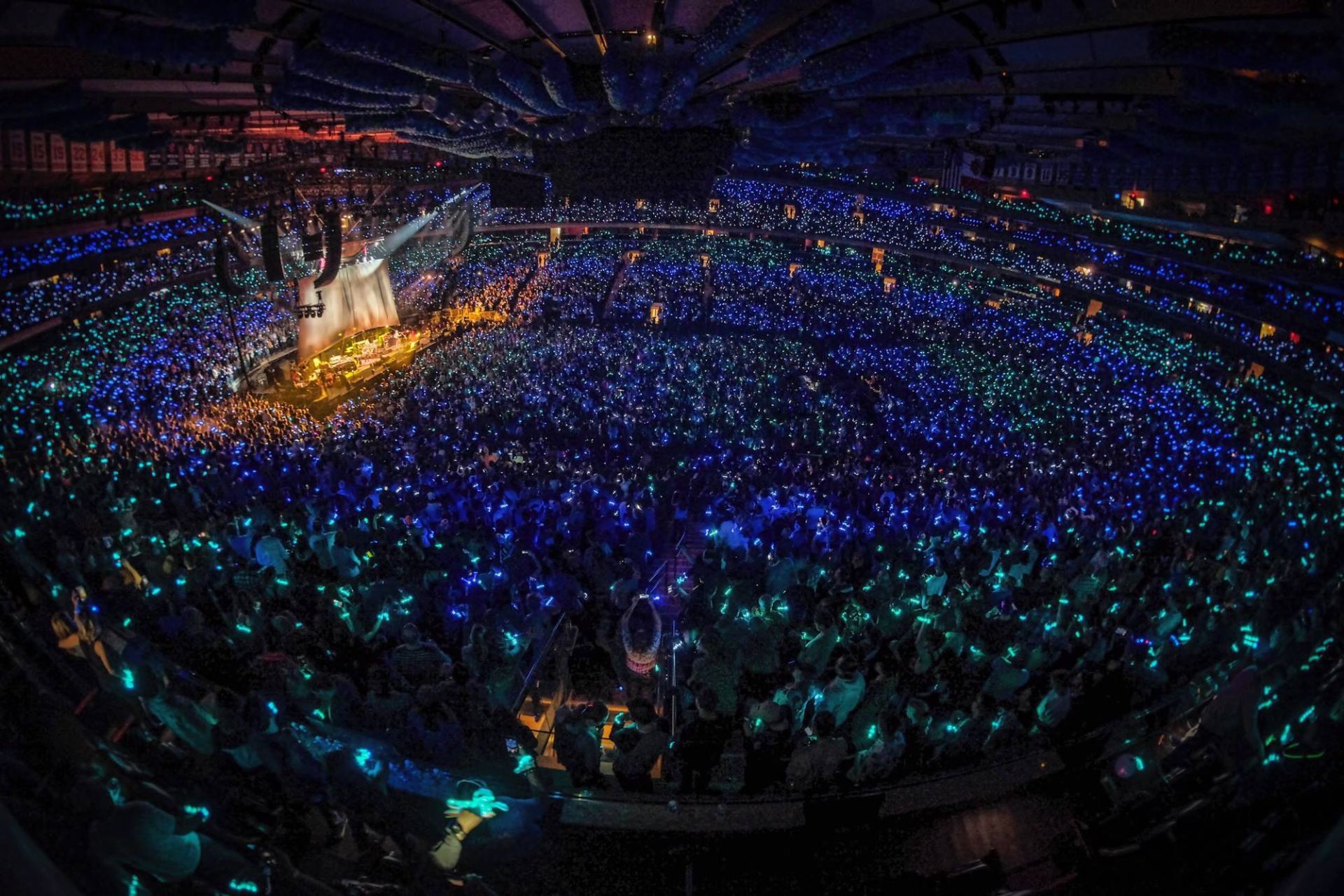
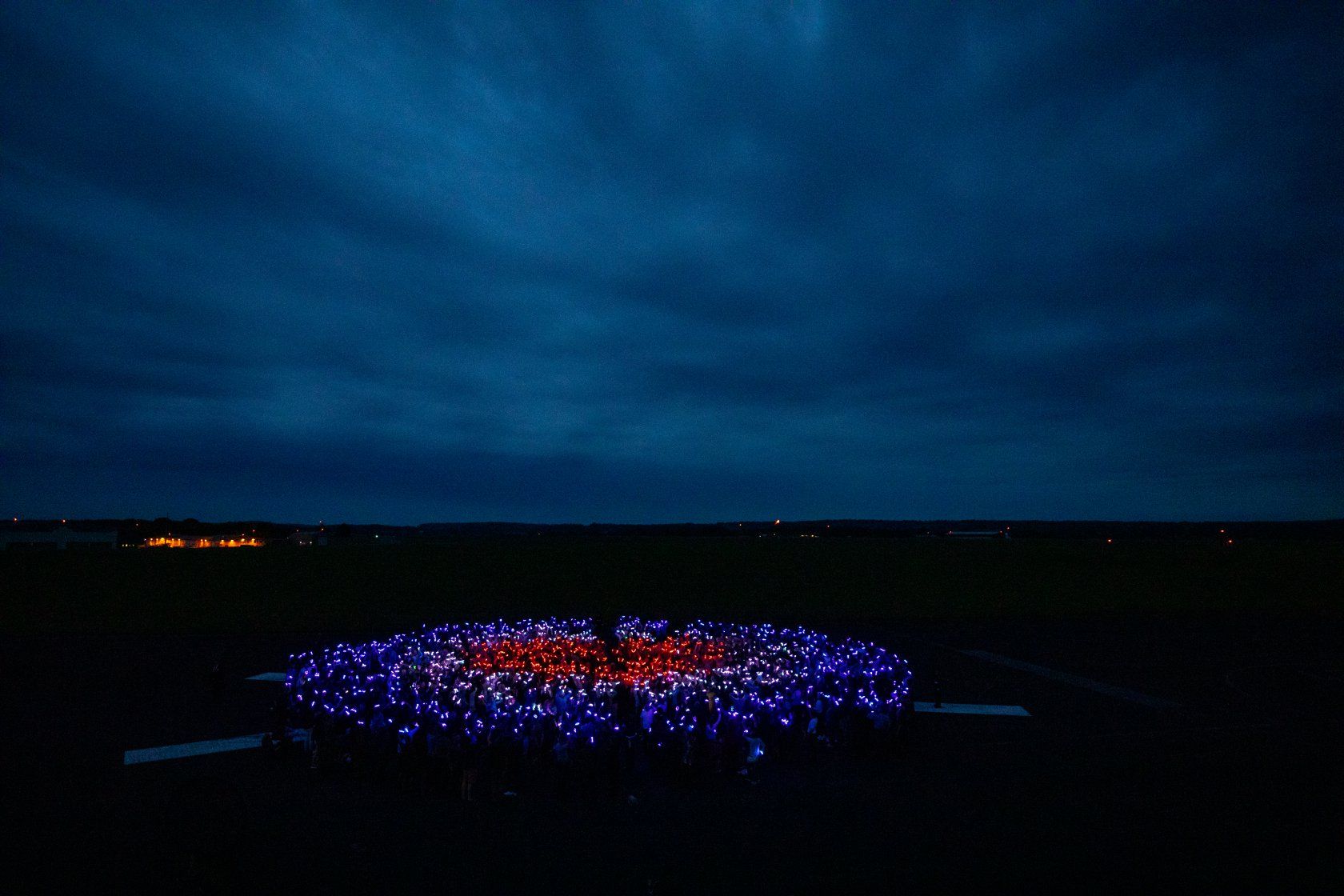
By extending the lighting design into the audience itself, you bridge the gap between the stage and the seats. This is the philosophy behind Xylobands. Our systems of Radio Controlled LED Wristbands and other LED Wearables turn every audience member into a pixel in a venue-wide light show. This achieves two critical goals for a broadcasted event:
- It creates an immersive environment for the live attendee. They are no longer passive spectators but active participants in the spectacle. This deepens engagement and heightens emotional connection, creating the kind of authentic, energetic reactions that are priceless for a broadcast.
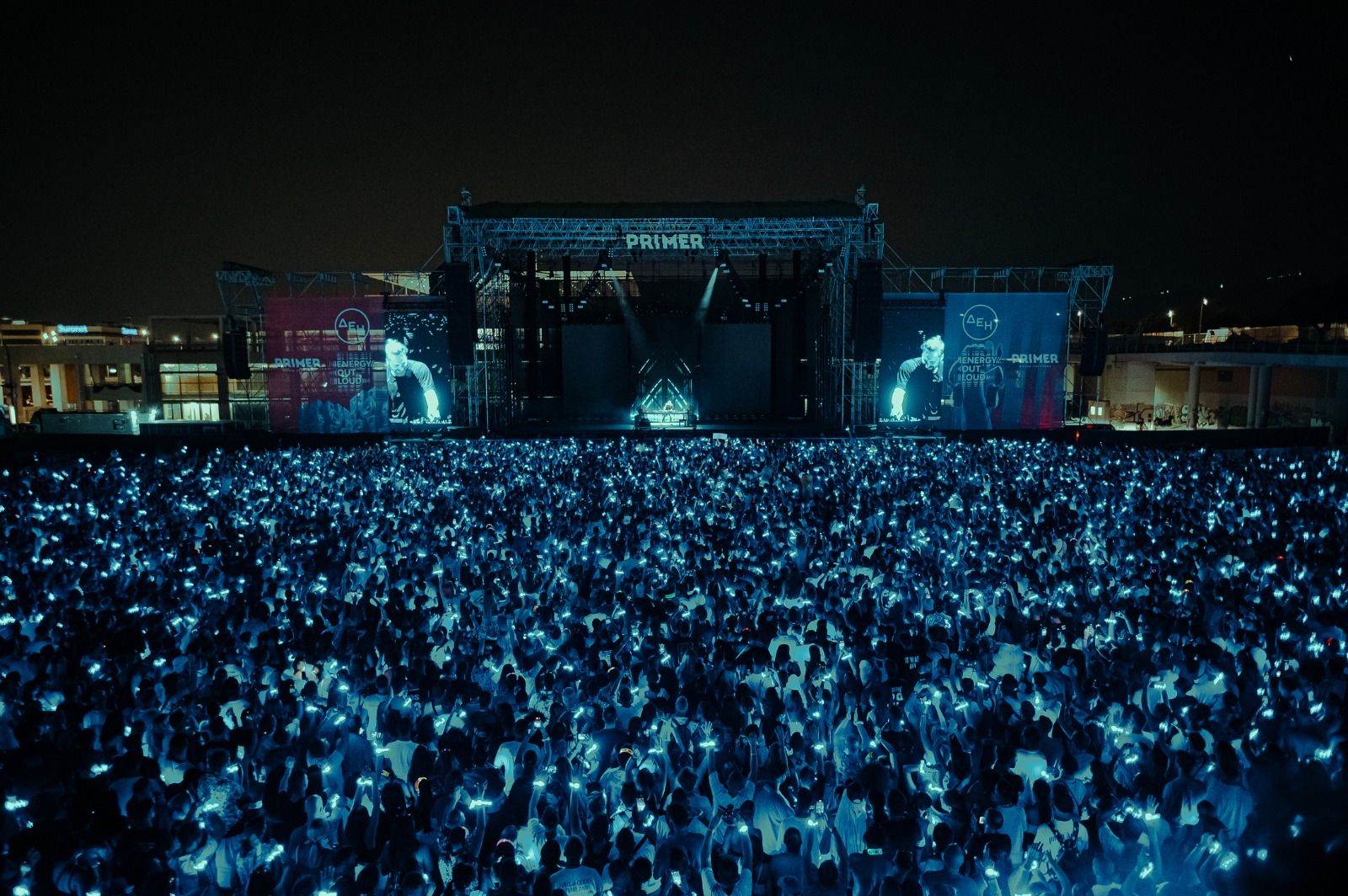
- It provides the camera with a dynamic, vibrant backdrop. Instead of panning across a dark and anonymous void, cameras can capture sweeping shots of a crowd pulsating with synchronized light. It fills the frame with colour and movement, adding a monumental sense of scale and energy to the broadcast. This transforms potentially flat wide shots into breathtaking moments of television.
Case Study in Action: From Global Tours to Live TV
This dual-audience approach is essential across a vast range of productions. For Maluma’s 2022 homecoming concert in Medellín, the show was not only for the 54,000 fans in the stadium but also for a live Amazon stream reaching over 240 countries. The integration of Concert Wristbands was crucial in making the massive stadium audience a vibrant part of the broadcast, ensuring the energy translated through the lens.
Similarly, at the 75th-anniversary celebration for Formula One, custom LED Lanyards were distributed to a live audience of fans, teams, and hospitality guests. As the event was broadcast live, our team pre-positioned the pendants to create specific visual effects for the cameras, ensuring that key moments in the show were punctuated by waves of coordinated light washing across the arena. The crowd became a living, breathing extension of the high-tech F1 brand, creating a powerful visual for viewers at home.
“The challenge is no longer just lighting the performer for the camera. It’s about lighting the entire experience. When the crowd becomes part of the light show, the broadcast captures not just a performance, but a genuine phenomenon of connection.”
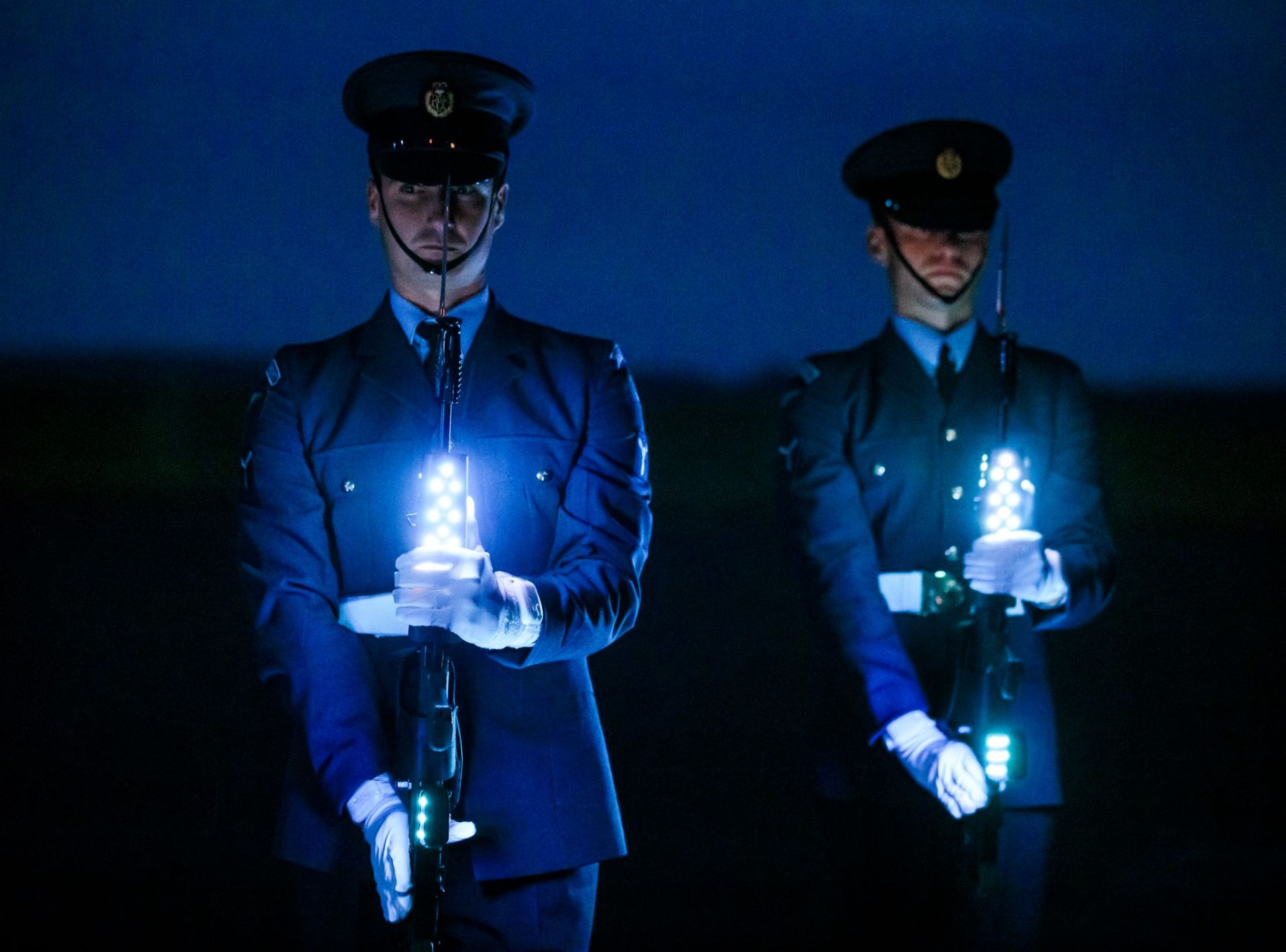
From music festivals like Primer to major television events for clients like the BBC and ITV, this principle holds true. Immersive event technology allows designers to create a unified experience, erasing the line between the stage and the stands. The result is a more powerful story for everyone, whether they’re in the front row or on their sofa halfway across the world.
The Future of Broadcast Events
As streaming technology continues to make global broadcasts more accessible, the art of lighting for the dual audience will only become more critical. The most memorable productions will be those that create a shared experience, weaving the energy of the live crowd into the fabric of the broadcast itself. By turning the audience into an illuminated canvas, we give producers and directors an invaluable tool to capture the scale, passion, and unity of the live event. We are not just lighting a show; we are engineering a moment, ensuring that the light that guides you home can be seen, and felt, by the entire world.