The Unseen Advantage: Dyslexia and the Architecture of Creative Thought
The Pattern Recognition Engine
In the worlds of business and technology, we often lionize a certain type of linear thinking—methodical, sequential, and predictable. Yet, the most disruptive innovations rarely emerge from such straightforward processes. They are born from seeing the world differently, from connecting disparate ideas, and from recognizing patterns where others see only chaos. This is the cognitive territory where neurodiverse minds, particularly those with dyslexia, often hold a distinct and powerful advantage.
Dyslexia is commonly misunderstood as a simple reading disorder. In reality, it is a different way of processing information. While linear, text-based data can be a challenge, dyslexic thinkers often excel in holistic, three-dimensional, and context-based reasoning. They possess a natural ability to see the big picture, to manipulate complex systems in their minds, and to identify the underlying connections that others miss. This is not a deficiency; it is a specialized cognitive framework.
From Misfit to Maverick: A Founder's Perspective
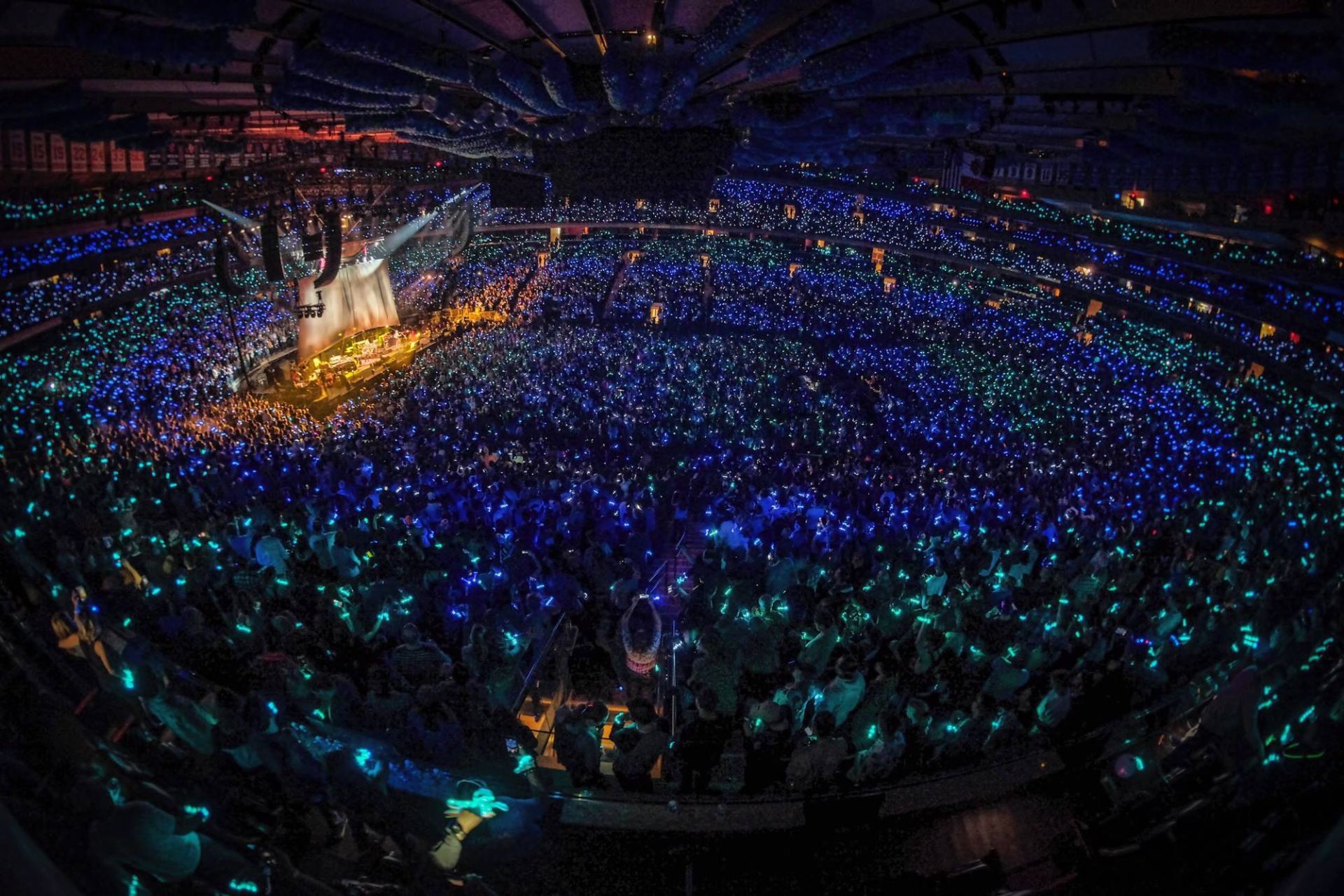
The story of Xylobands is, in many ways, a testament to this principle. Our founder, Jason Regler, is dyslexic. The idea for Xylobands wasn't born from a business plan or a market analysis spreadsheet. It was a moment of pure, intuitive connection at Glastonbury Festival during Coldplay's performance of "Fix You." As the line “Lights will guide you home” played, he didn't just hear the music; he saw it. He envisioned a sea of people, not as passive observers, but as an integrated part of the show—a living, breathing canvas of light.
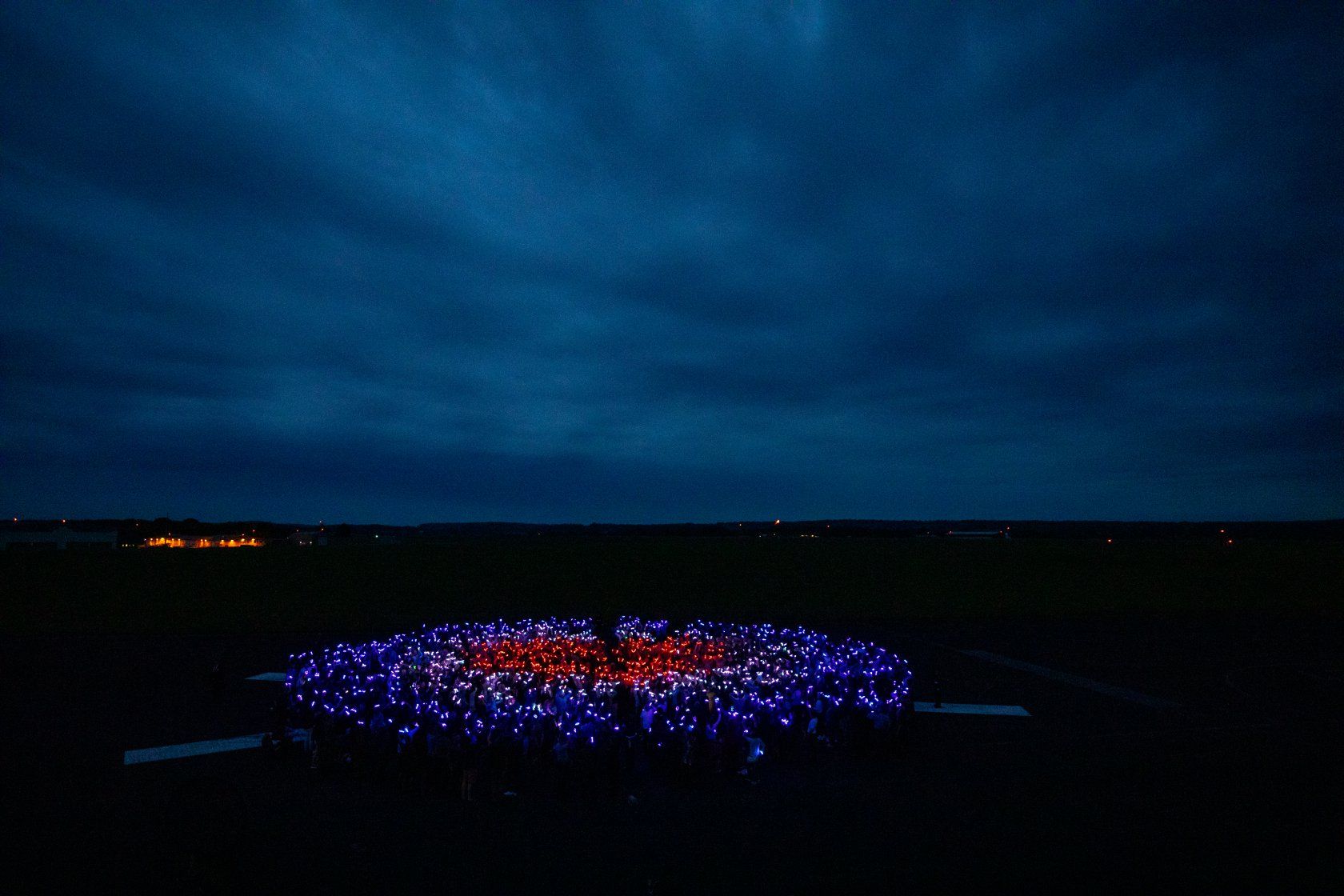
This vision—of turning a crowd into a unified spectacle of LED crowd experiences—required a leap of imagination. It was about seeing a stadium not as a collection of individual seats, but as a single, interactive entity. It’s this kind of spatial, systems-level thinking that dyslexic minds are often uniquely equipped for. Where a linear thinker might focus on the technical challenge of a single wristband, the dyslexic advantage is in conceptualizing the entire ecosystem—the artist, the music, the crowd, and the technology—as one seamless, emotional circuit.
The Creative Upside of Non-Linear Thought
In a world saturated with data, the ability to synthesize, simplify, and find the narrative is a form of currency. Dyslexic leaders often demonstrate a remarkable capacity for this.
- Complex Problem-Solving: By not getting bogged down in the minutiae of sequential steps, dyslexic thinkers can often arrive at novel solutions more quickly. They mentally model the problem as a whole, allowing them to see unconventional entry points and strategies.
- Enhanced Creativity: Their ability to make unexpected connections between different domains is a hallmark of creative genius. This is why a high percentage of entrepreneurs, artists, and engineers are dyslexic. They don't just think outside the box; their cognitive wiring means they often don’t see the box in the first place.
- Big-Picture Vision: Dyslexic leaders excel at setting a vision and communicating it with passion. They grasp the entirety of the mission and can inspire a team to work towards that holistic goal, even if they delegate the granular, step-by-step planning.
Building an Architecture of Innovation
Harnessing this advantage requires building a culture that values cognitive diversity. It means recognizing that the person who struggles with a dense report might be the same person who can solve your most complex logistical challenge or devise your next breakthrough product. It means creating teams where different thinking styles complement each other—where the detail-oriented executor and the big-picture visionary are both essential parts of the same engine.
At Xylobands, this philosophy is embedded in our DNA. From pioneering radio controlled LED wristbands for Coldplay's world tour to developing sophisticated immersive event technology for global brands like Formula One and corporate events, our innovation is driven by a refusal to accept conventional limitations. We didn't just build a product; we created a new medium for shared experience. This required not just engineering prowess, but a foundational creative insight—a different way of seeing.
The Neurodiverse Future
The future of industries like live entertainment and corporate event activations will be defined by the quality of the experience. Creating these moments of mass connection—turning a stadium into a unified light show for Maluma or a festival crowd into a co-creator at Primer Music Festival—demands a deep understanding of human psychology and a flair for the spectacular. It requires the very skills that neurodiverse individuals often possess in abundance: empathy, creativity, and holistic thinking.
The narrative around dyslexia is slowly shifting from a story of disability to one of distinct ability. In the competitive landscape of modern business, this is not just a matter of inclusivity; it is a strategic imperative. The companies that will lead the next wave of innovation will be those that understand that the most brilliant ideas often come from the minds that are wired differently. The unseen advantage is no longer unseen—it is lighting up the world's largest stages.