The Non-Linear Mind: How Dyslexia Shapes Strategy and Innovation in Business
The Architecture of a Non-Linear World
Business, in its traditional form, is a linear construct. It’s a world of spreadsheets, sequential project plans, and hierarchical org charts. We are taught to build from A to B to C, assuming a straight line is the most efficient path to success. But what if the greatest innovations aren’t born from linear thinking? What if the ability to see the entire system, to connect disparate points of data, and to recognise patterns where others see only chaos, is the true competitive advantage?
This is the world of the dyslexic mind. Often misunderstood as a learning disability solely concerned with reading and writing, dyslexia is more accurately described as a different mode of processing information. Where the neurotypical brain excels at linear, step-by-step sequencing, the dyslexic brain often operates with a wide-angle lens, seeing the whole system at once. It’s a non-linear, holistic perspective that can be a powerful engine for creativity, strategy, and groundbreaking innovation.
Seeing the Forest, Not Just the Trees
Many of the world’s most successful entrepreneurs and innovators identify as dyslexic. This is no coincidence. The dyslexic cognitive style lends itself to identifying unseen connections and opportunities. It’s a way of thinking that is less constrained by established processes and more attuned to the overarching patterns and relationships within a complex system.
Think of it as the difference between reading a map street by street versus seeing the entire satellite image at once. The linear thinker navigates the prescribed route. The non-linear, dyslexic thinker sees the traffic jams, the shortcuts, and the unexplored territory all at the same time. They might not be the fastest at reading the street names, but they will find a new and better way to reach the destination.
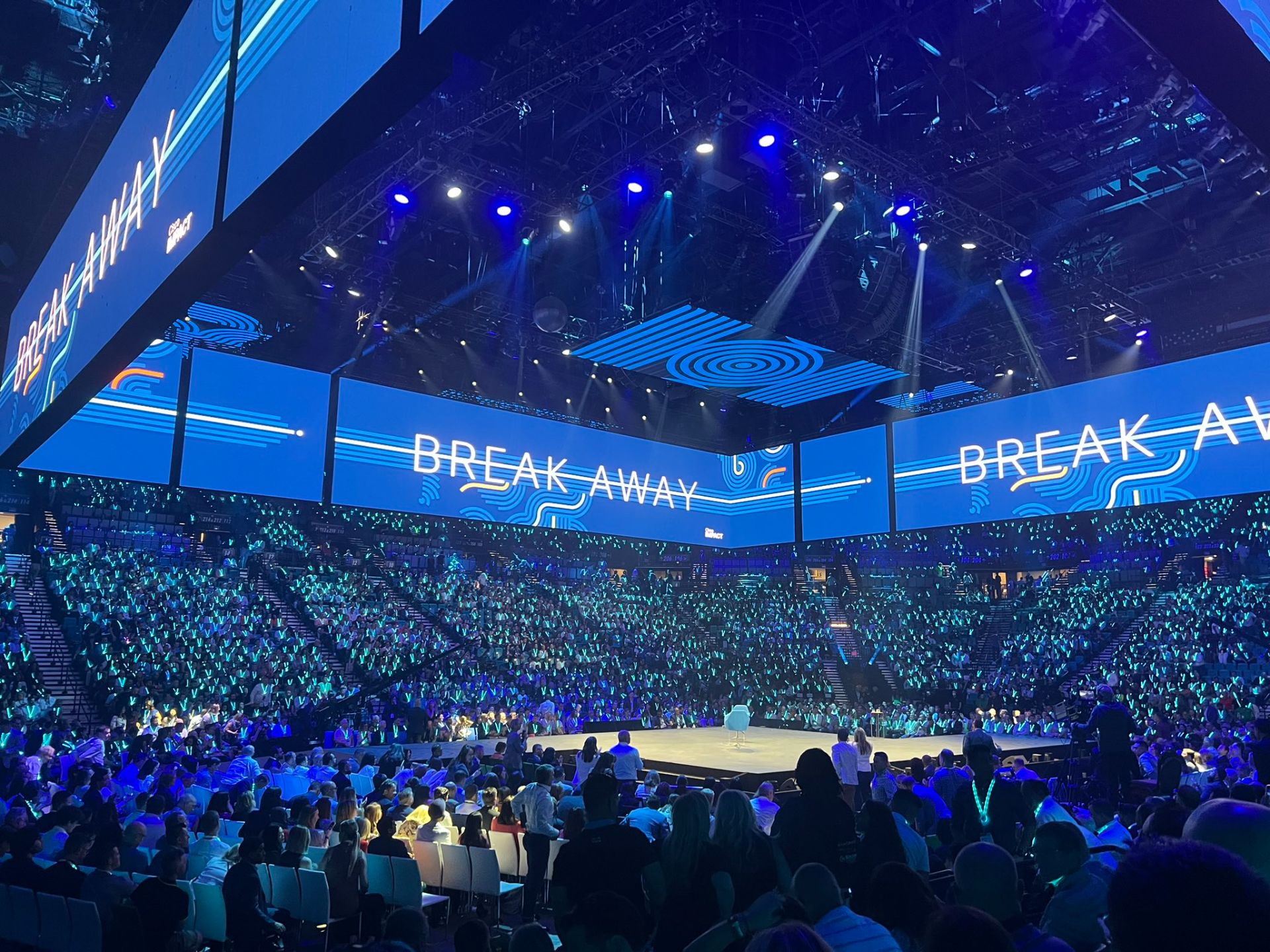
This big-picture perspective is a strategic asset. In the world of immersive event technology, for example, producing a global spectacle isn’t a linear checklist. It’s a complex interplay of logistics, creative vision, audience psychology, and technical execution. At Xylobands, our founder, Jason Regler, leveraged this very way of thinking. The invention of the wireless LED wristband wasn’t just about a piece of hardware; it was a systems-level innovation. It was born from seeing the audience, the artist, and the music not as separate elements, but as a single, interconnected system—a potential canvas for a shared experience. This is the dyslexic advantage in action: seeing the whole picture and envisioning how to transform it.
The Advantage of a Different Operating System
Dyslexic thinking often manifests in several key business strengths:
- Exceptional Pattern Recognition: The ability to spot trends, anomalies, and opportunities in large, complex datasets. In a data-driven world, this is an almost clairvoyant skill for market analysis and strategic planning.
- Strong Spatial Reasoning: An intuitive grasp of three-dimensional systems and how they fit together. This is crucial in fields like engineering, architecture, and logistics—for instance, mapping out the deployment of tens of thousands of LED wristbands across a stadium like for the Davis Cup or a festival like Primer.
- A Narrative and Big-Picture Focus: Dyslexic thinkers often excel at building a compelling vision and communicating it. They connect ideas through narrative and purpose, rallying teams and stakeholders around a shared goal rather than getting lost in procedural details.
- Resilience and Problem-Solving: Navigating a world not designed for your cognitive style builds immense resilience. Dyslexics are often masters of creative problem-solving, accustomed to finding alternative routes to a solution when the conventional path is blocked.
Building a Neurodiverse Organisation
Harnessing the power of dyslexic thinking requires moving beyond accommodation and toward genuine inclusion. It means building organisations that value different cognitive styles and create environments where they can thrive. This isn’t about fixing a perceived deficit; it’s about leveraging a strategic advantage.
For leaders, this means:
- Rethinking Communication: Moving beyond dense, text-heavy reports. Embrace visual communication, verbal briefings, and systems diagrams. Focus on conveying the "why" and the overall objective, not just the step-by-step "how."
- Diversifying Roles: Create roles that play to strengths. Pair a visionary, big-picture thinker with a detail-oriented, linear-thinking implementer. This creates a powerful symbiotic relationship where vision is translated into flawless execution.
- Fostering Psychological Safety: Create a culture where it is safe to think differently and to challenge the status quo. Encourage questions like, "What if we tried this completely different way?" This is where true innovation is born.
"The linear world is predictable. It gives us processes and efficiency. But the non-linear world is where discovery happens. It’s where you find the leaps of logic that redefine an entire industry."
The Future is Non-Linear
The challenges facing modern business—from navigating global supply chains to pioneering new forms of digital and physical engagement like corporate event activations—are not linear problems. They are complex, interconnected, and dynamic. They require the very skills that the dyslexic mind is naturally wired to possess.
The story of Xylobands, born from an idea at Glastonbury, is a testament to this. It wasn’t about iterating on an existing product. It was a conceptual leap, a re-imagining of the relationship between the crowd and the performance, turning tens of thousands of individuals into a single, cohesive light show. This is the kind of systems-level thinking that drives progress.
As we move forward, the companies that succeed will be those that understand that cognitive diversity is not a box to be checked but a wellspring of creativity and strategic insight. By embracing the non-linear mind, we don’t just build more inclusive workplaces; we build more innovative, resilient, and visionary businesses, capable of seeing the world not just as it is, but as it could be.