The Empathetic Signal: Designing for a More Inclusive Audience Experience
The Unseen Barrier
For decades, the live event industry has mastered the art of spectacle. We have choreographed light, sound, and pyrotechnics to create moments of collective euphoria, uniting tens of thousands of people in a single, shared experience. But what if for some, the very elements designed to create connection become barriers? What about the fan with sensory sensitivities, the attendee with anxiety, or the individual who experiences the world differently? The pursuit of bigger, louder, and brighter has, at times, inadvertently excluded the very people we aim to unite.
The conversation around accessibility in live entertainment is evolving beyond physical considerations like ramps and viewing platforms. While essential, these are merely the foundation. True inclusivity requires a deeper, more empathetic approach to event design—one that considers the neurological and sensory diversity of the entire audience. It’s about creating an environment where everyone feels not just accommodated, but truly welcome and able to participate fully.
From Overload to Opportunity
The traditional event model often relies on a maximalist sensory assault: overwhelming sound, chaotic crowds, and intense, unpredictable lighting. For individuals with autism, PTSD, or sensory processing disorders, this environment can be profoundly dysregulating, turning a moment of potential joy into a source of stress and anxiety. The challenge for event producers is to create immersive events without creating exclusionary overload.
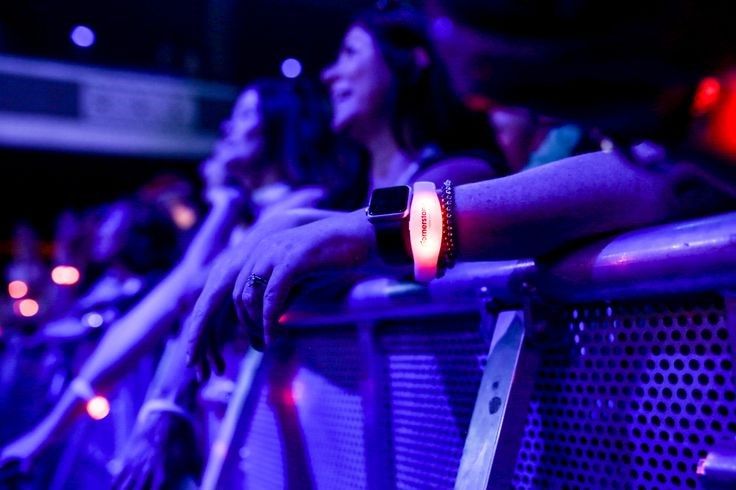
This is where the next generation of event technology offers a powerful solution. Technologies like radio-controlled LED wristbands provide a new, more nuanced layer of communication and environmental control. Instead of a single, uniform experience, we can now design dynamic, responsive environments that can be segmented and customized. Imagine designated quiet zones where wristbands pulse with a gentle, calming glow instead of flashing with high intensity. Consider the power of using light to create clear, visual pathways through a crowded venue, reducing confusion and anxiety for attendees.
Light as a Language
At its core, inclusive design is about providing choice and agency. Wearable LED technology can be a key part of this, acting as a non-verbal communication tool. For instance, an attendee could use a wristband or LED lanyard to signal they need assistance, creating a discreet and dignified way to seek support without having to navigate a noisy, disorienting environment.
This "empathetic signal" can also be used to manage crowd flow and safety. During an emergency, lighting segments of a crowd in different colors can provide clear, intuitive directional guidance, proving especially crucial for those who may have difficulty processing auditory announcements. It transforms the crowd from a passive recipient of the show into a responsive, connected entity, enhancing safety and a sense of collective well-being.
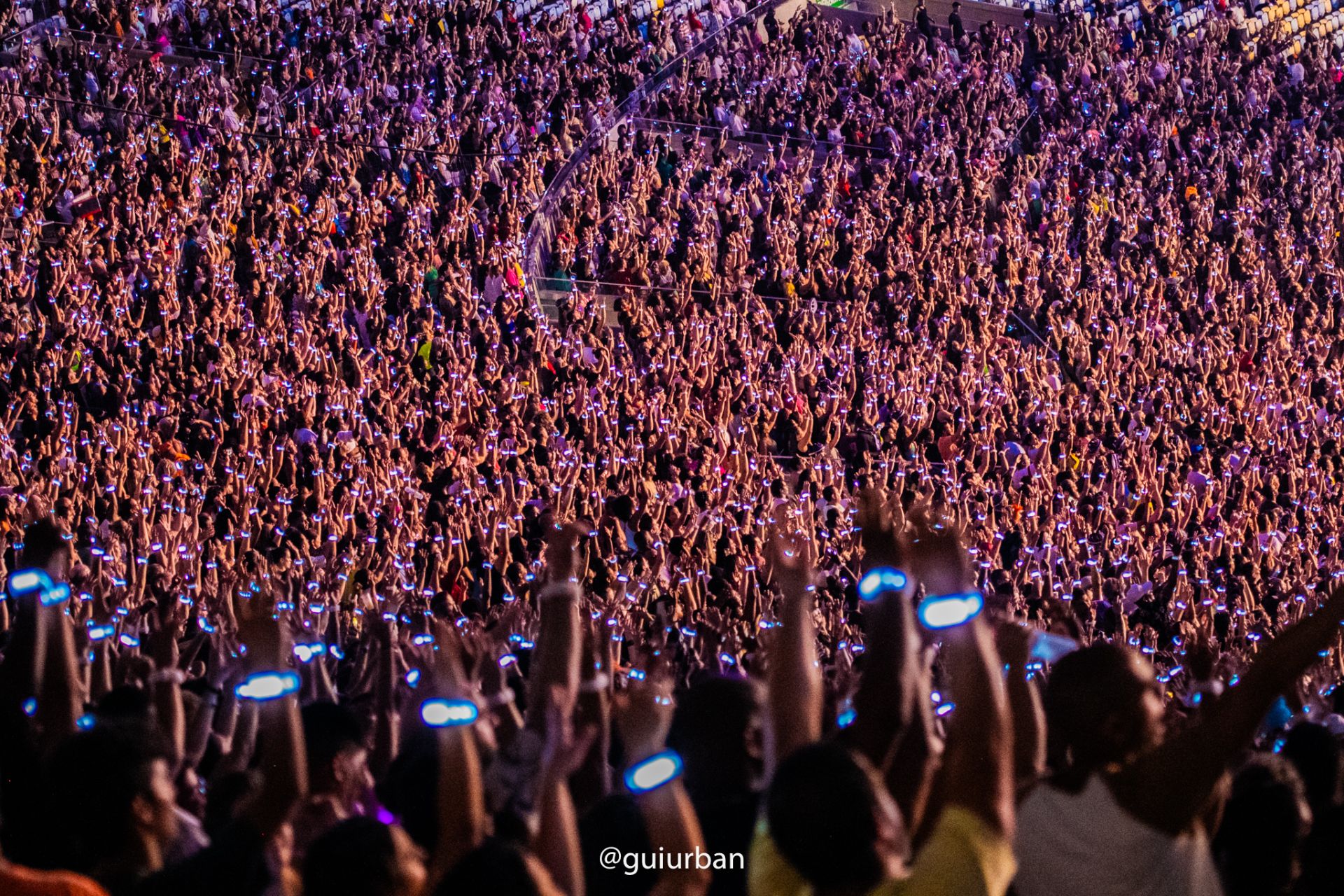
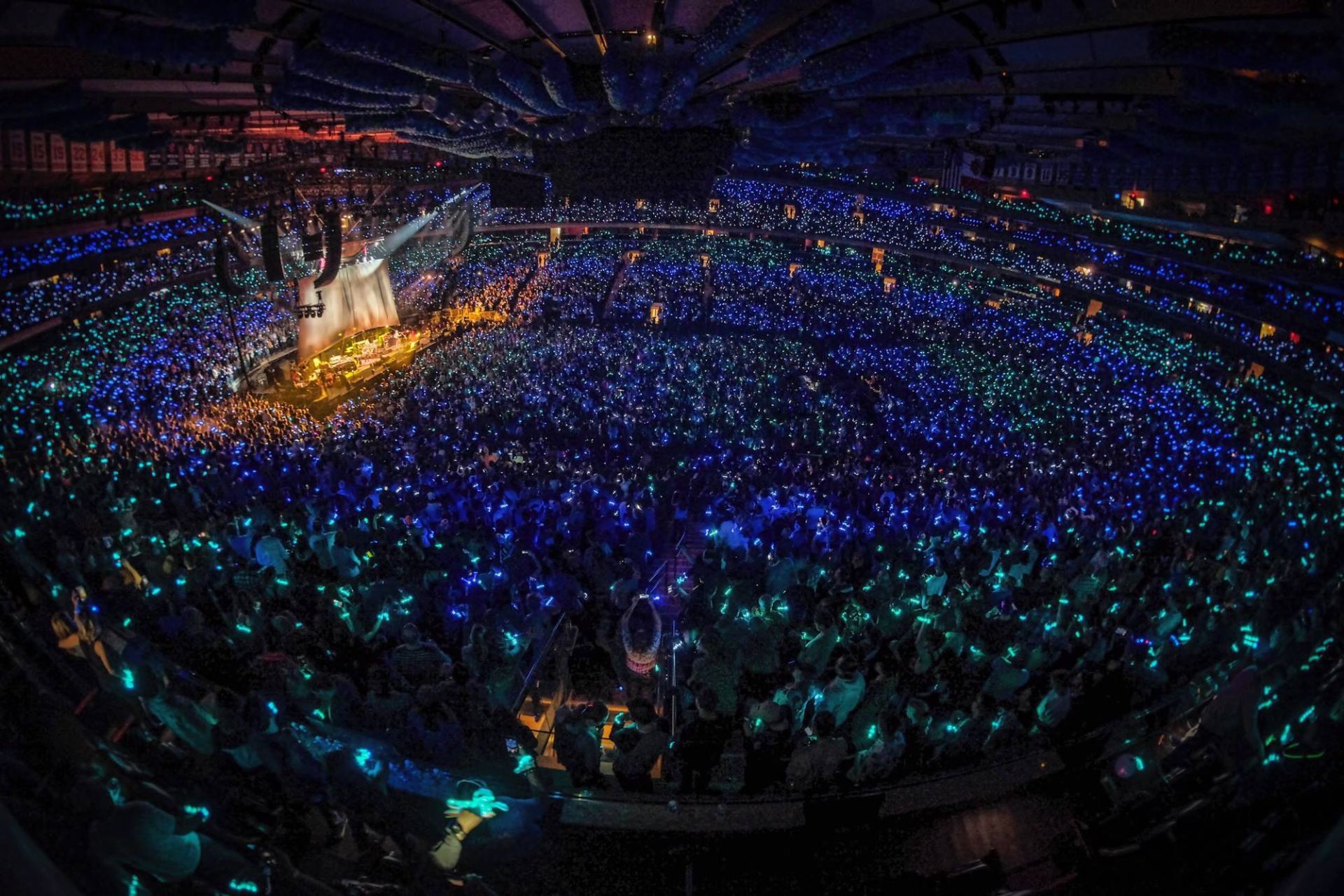
Xylobands have seen this potential firsthand. While lighting up massive concerts for artists like Coldplay and Wizkid or creating stunning visuals for global events like the Davis Cup, we’ve learned that light is a universal language. It transcends cultural and linguistic barriers, creating a direct line of emotional and informational connection with every individual in the audience.
Designing for the Full Spectrum of Humanity
The business case for inclusive design is as compelling as the ethical one. By creating more accessible and welcoming environments, we expand our potential audience. Every fan who has previously stayed home due to sensory concerns represents an opportunity for connection. Brands and artists who champion this new standard of care build deeper, more meaningful relationships with their communities.
This philosophy extends to all types of gatherings, from music festivals to corporate event activations. In a corporate setting, an inclusive approach ensures that every employee or guest, regardless of their neurological profile, can fully engage with the program. Using tools like LED orbs to create ambient, calming environments or personalizing lighting cues can make the difference between a memorable brand moment and a stressful obligation.
The future of immersive event technology is not just about creating more dazzling spectacles. It is about creating more human-centric experiences. It’s about using technology like Xylobands not just to paint a canvas of light, but to build a bridge of understanding and empathy. The goal is to design events where the only prerequisite for attendance is a love for the shared experience, and every other barrier—seen and unseen—has been thoughtfully and intentionally dismantled.