From Audience to Orchestra: The New Ecology of Festival Participation
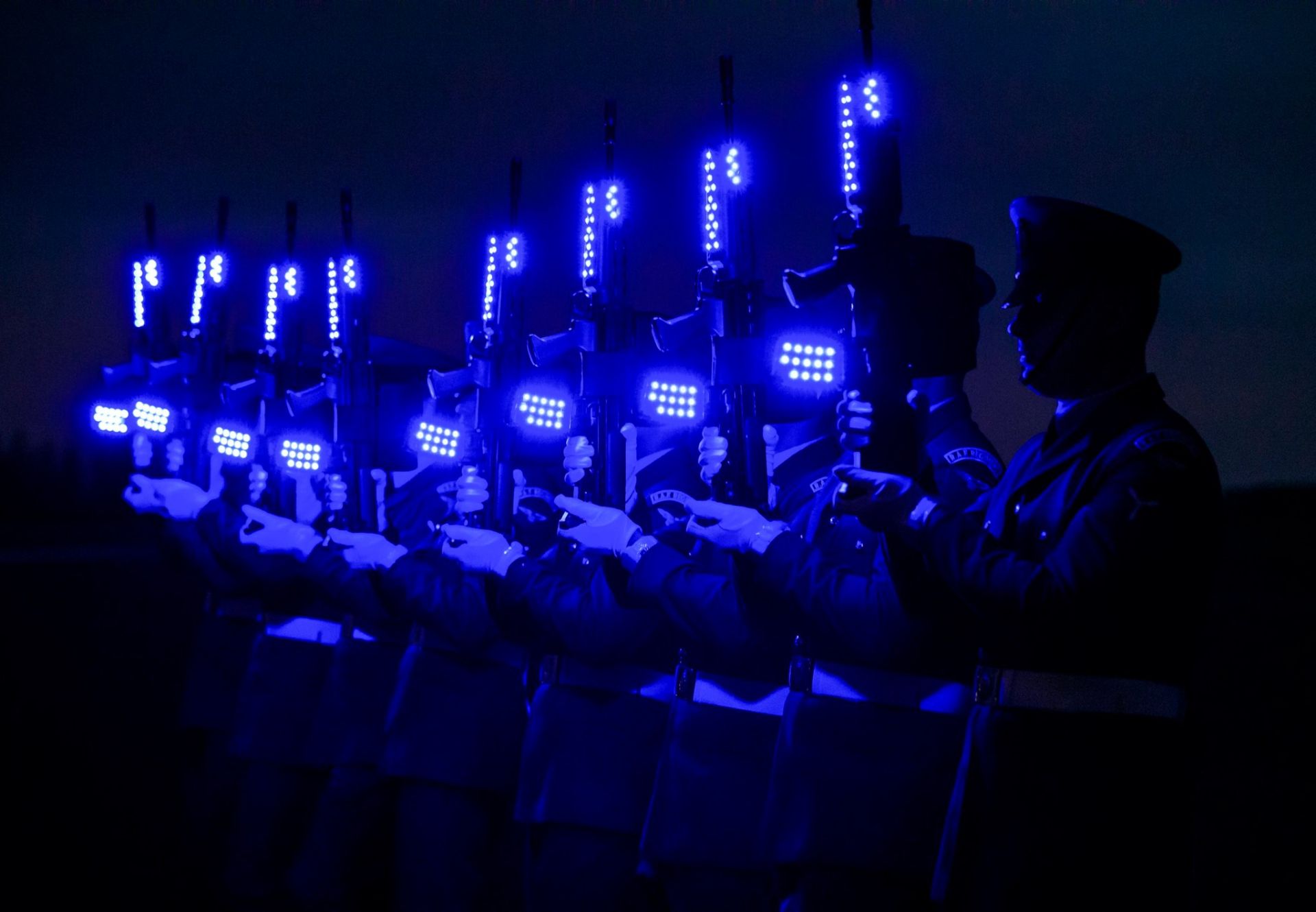
From Passive Observers to Active Participants
Not so long ago, the quintessential festival experience was defined by a simple dynamic: the artists performed, and the audience watched. The most a crowd could contribute was its applause, its cheers, or the analogue flicker of thousands of lighters during a ballad. While powerful, these were blunt instruments of expression. The flow of energy was largely unidirectional, from the stage outwards. Today, that model has been completely inverted. The modern festival is an ecosystem, a responsive environment where the line between performer and audience is not just blurred, but often erased entirely. The crowd is no longer just in the venue; in many ways, the crowd *is* the venue.
The Technological Catalyst: A Symphony of Light and Data
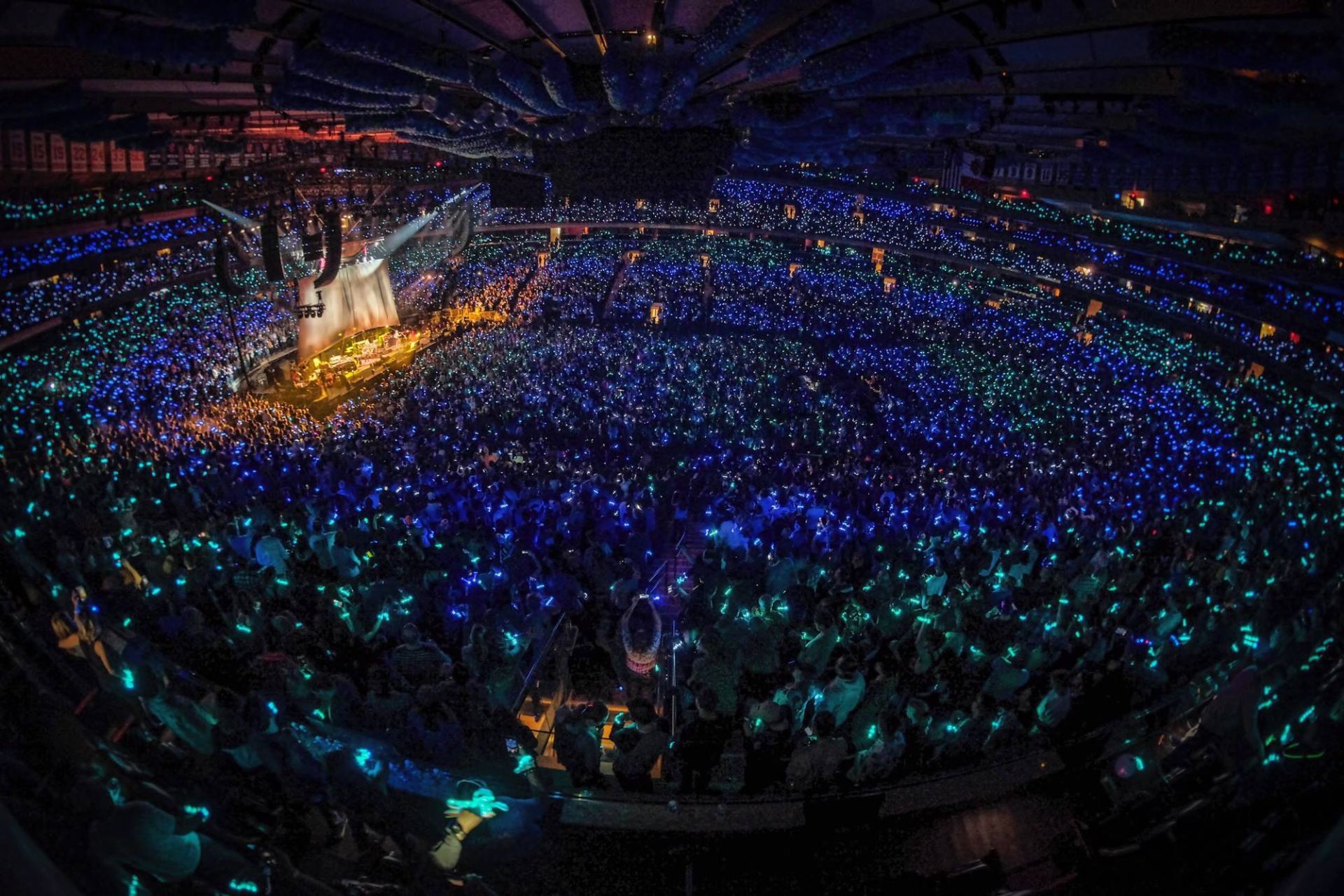
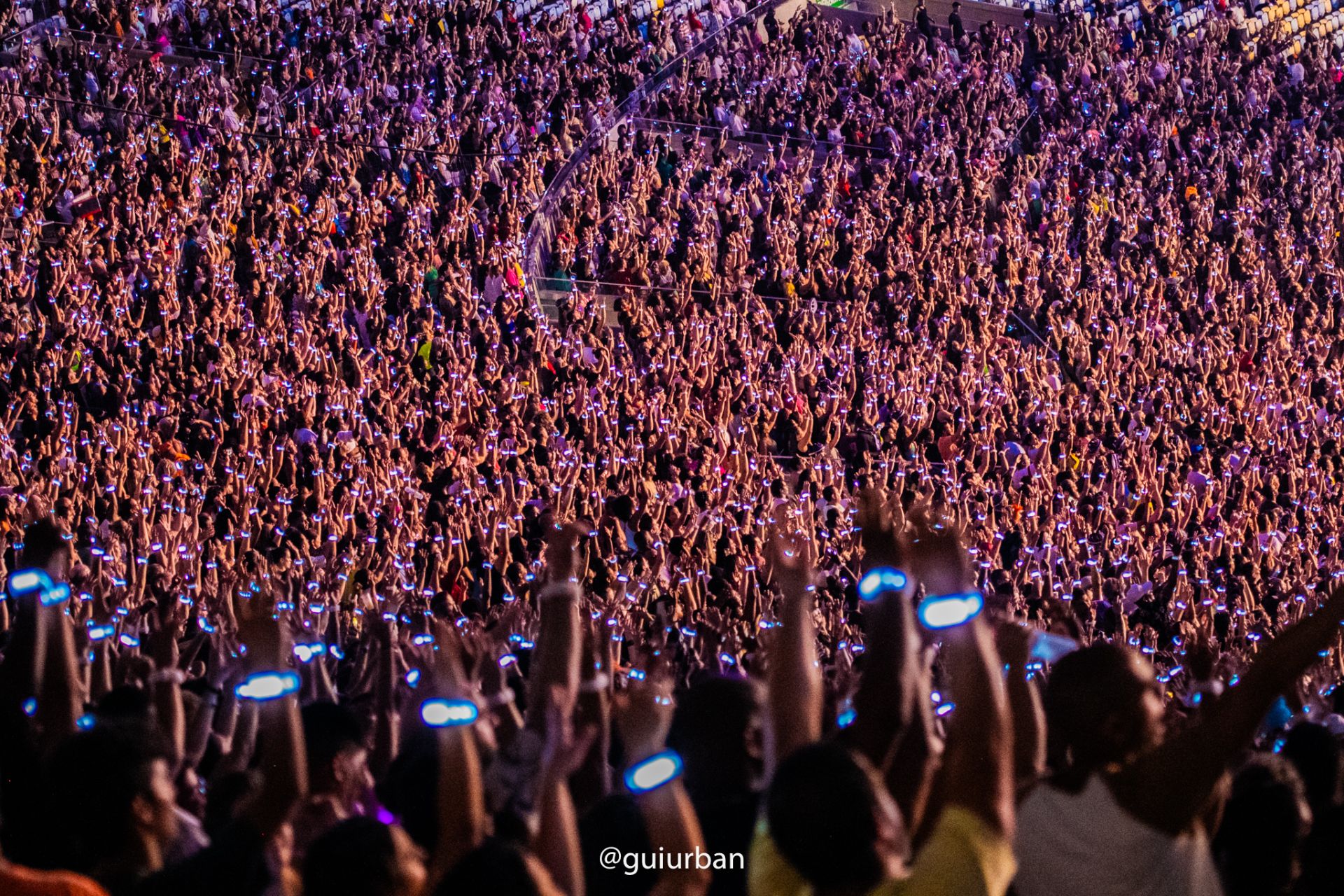
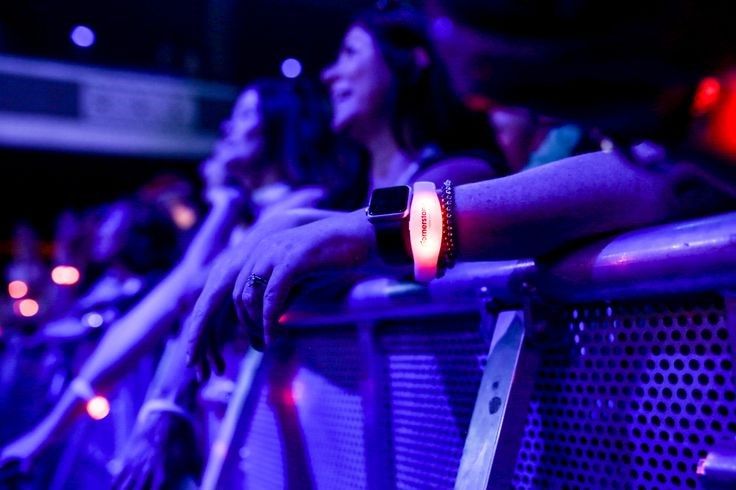
This evolution wasn’t purely a cultural shift; it was driven by transformative technology. The advent of wearable LED technology, pioneered by Xylobands during Coldplay’s Mylo Xyloto tour, was a watershed moment. Suddenly, every individual in a crowd of thousands could become a pixel in a vast, moving canvas of light. These radio controlled LED wristbands did more than just glow; they turned the audience into a living, breathing extension of the production design.
This innovation opened up a new grammar for live production. At major gatherings like Greece’s PRIMER Music Festival, festival wristbands are no longer just for entry. They are integral to the spectacle, pulsing in sync with the beats of international DJs, creating waves of colour that wash over tens of thousands of people. The effect is profound, transforming a collection of individuals into a single, unified entity, sharing a singular, immersive experience. This is the core of immersive event technology—it doesn’t just entertain the audience; it enrolls them.
The Rise of Co-Creation and Immersive Ecosystems
With the technology in place, creative directors and festival producers began to ask a new question: what else could the audience do? The answer is leading to a new trend in festival design: the crowd as a co-creator. Beyond synchronized lighting, we’re seeing the integration of interactive elements that allow the audience to influence their environment directly.
This isn’t just about making a show more visually spectacular. It’s about deepening the psychological connection between the artist, the production, and the fan. When an audience member’s presence and participation have a visible, real-time impact on the show, their sense of agency and belonging skyrockets.
This extends beyond just LED bands. We see it in gamified festival apps, real-time voting that affects stage visuals, and even biometric data influencing the musical journey. The festival is no longer a static, pre-programmed event. It’s a sentient space that listens, reacts, and adapts to the energy of its inhabitants. This is the new frontier of LED crowd experiences, moving from passive spectacle to active, collective creation.
Beyond the Music Festival: A New Standard for Engagement
The principles honed in the high-energy environment of music festivals are now reshaping other large-scale events. Take, for instance, the 75th-anniversary celebration for Formula 1. Here, a diverse audience of motorsport fans was unified through custom LED Lanyards (the Xylo Pendant), creating distinct visual identities for different teams and seating tiers, all while synchronizing with performances from major music artists. It was a masterclass in using light to segment and unify a crowd simultaneously, enhancing the broadcast and the in-person experience.
From corporate event activations seeking to create memorable brand moments to major sporting events like the Davis Cup, the expectation has shifted. Audiences no longer want to just watch; they want to be part of the fabric of the event. The passive spectator is a relic. The future belongs to the active participant, the fan who is seen, acknowledged, and woven into the very tapestry of the spectacle itself. The modern live event isn't just a performance to be consumed; it's an orchestra, and every single person in the crowd has an instrument to play.