From Crate to Cue: The Technical Anatomy of an Immersive Rollout
The Moment of Ignition
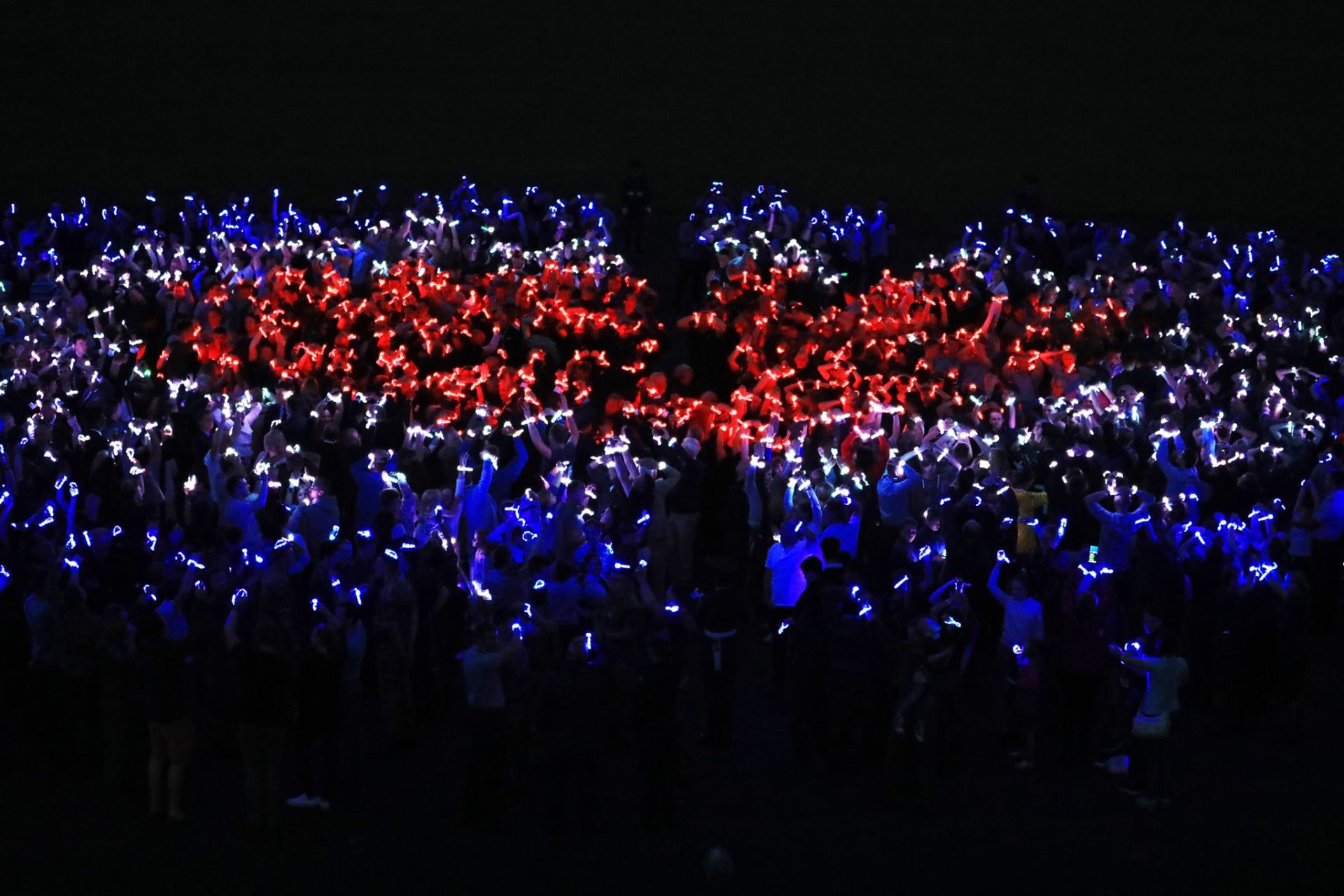
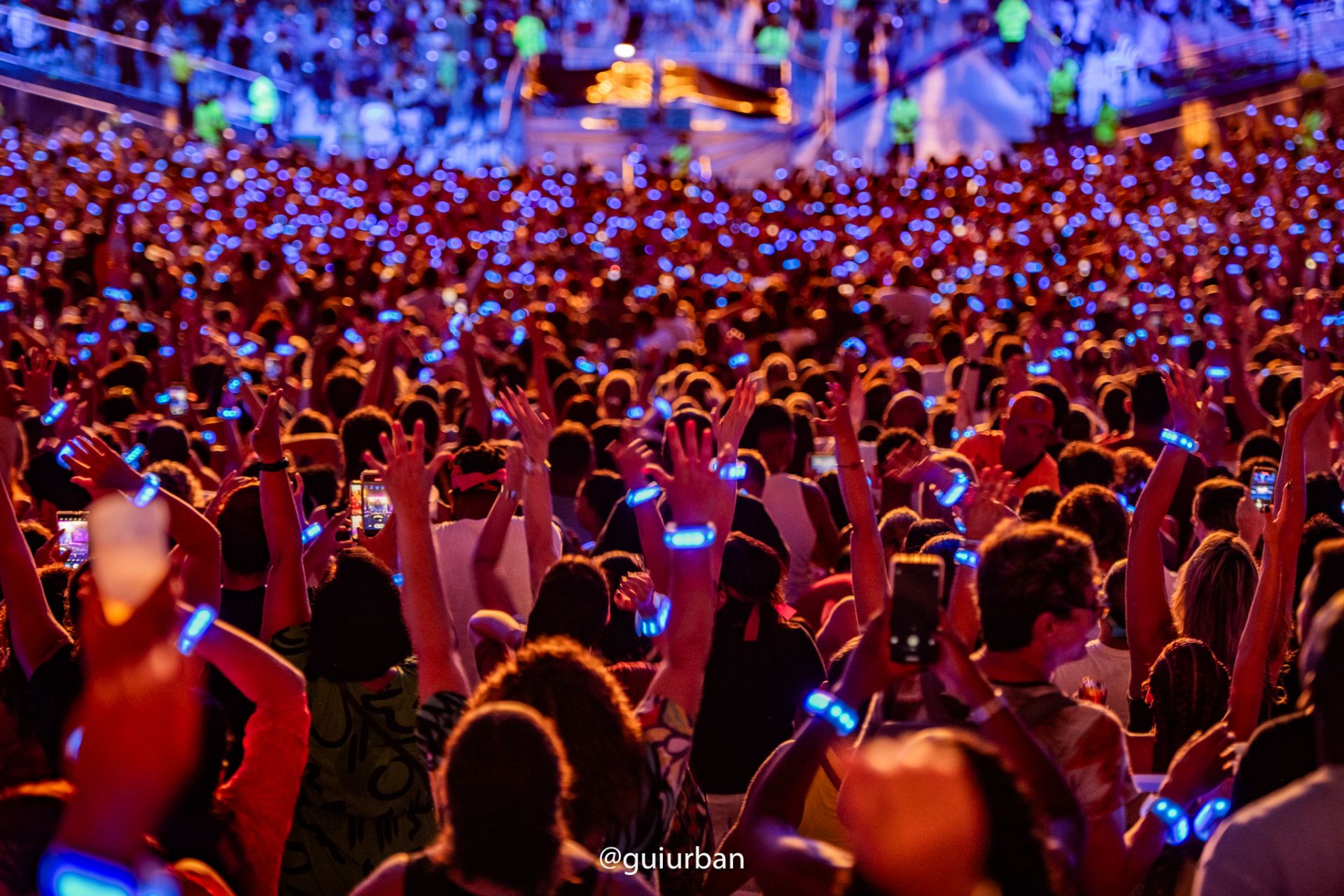
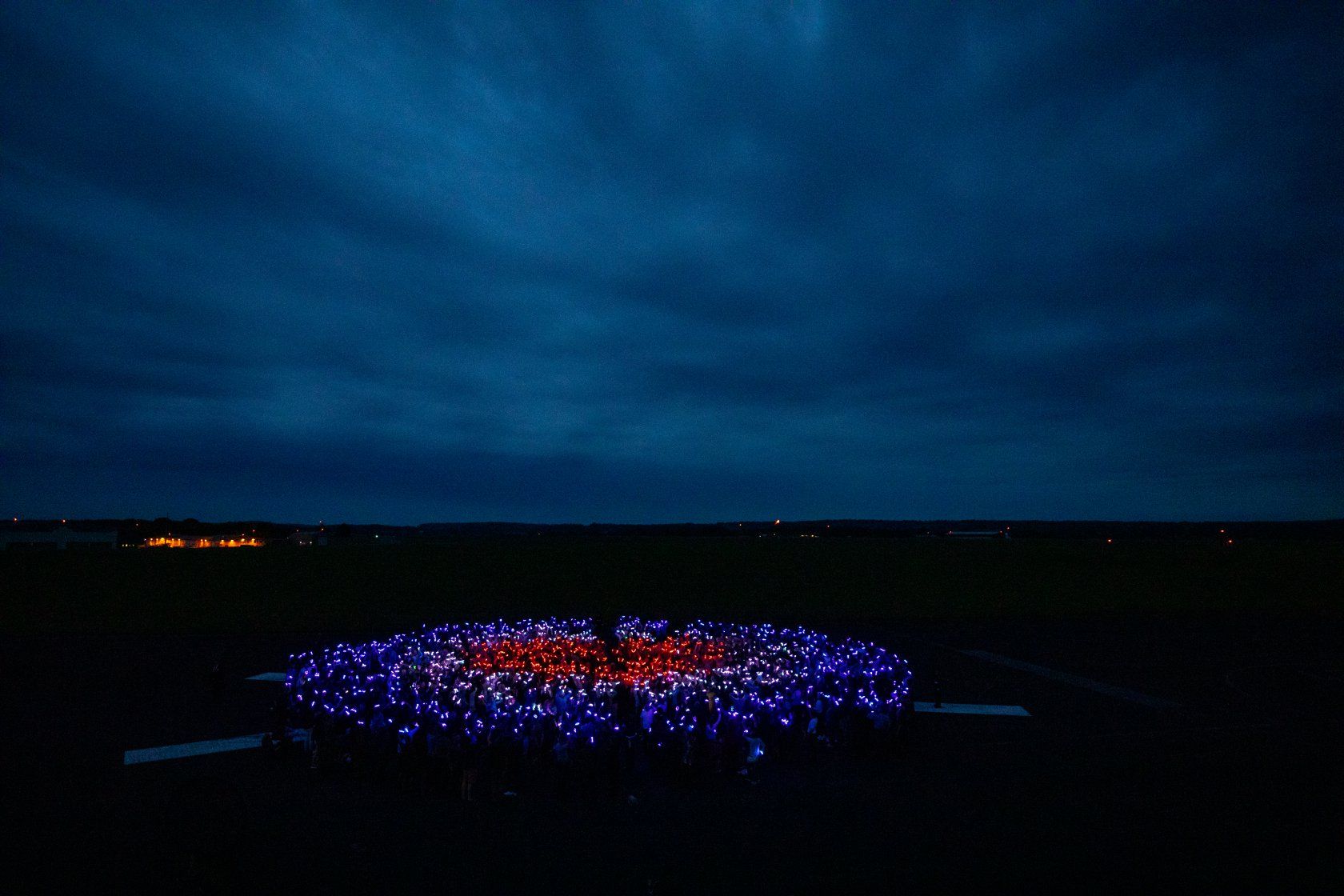
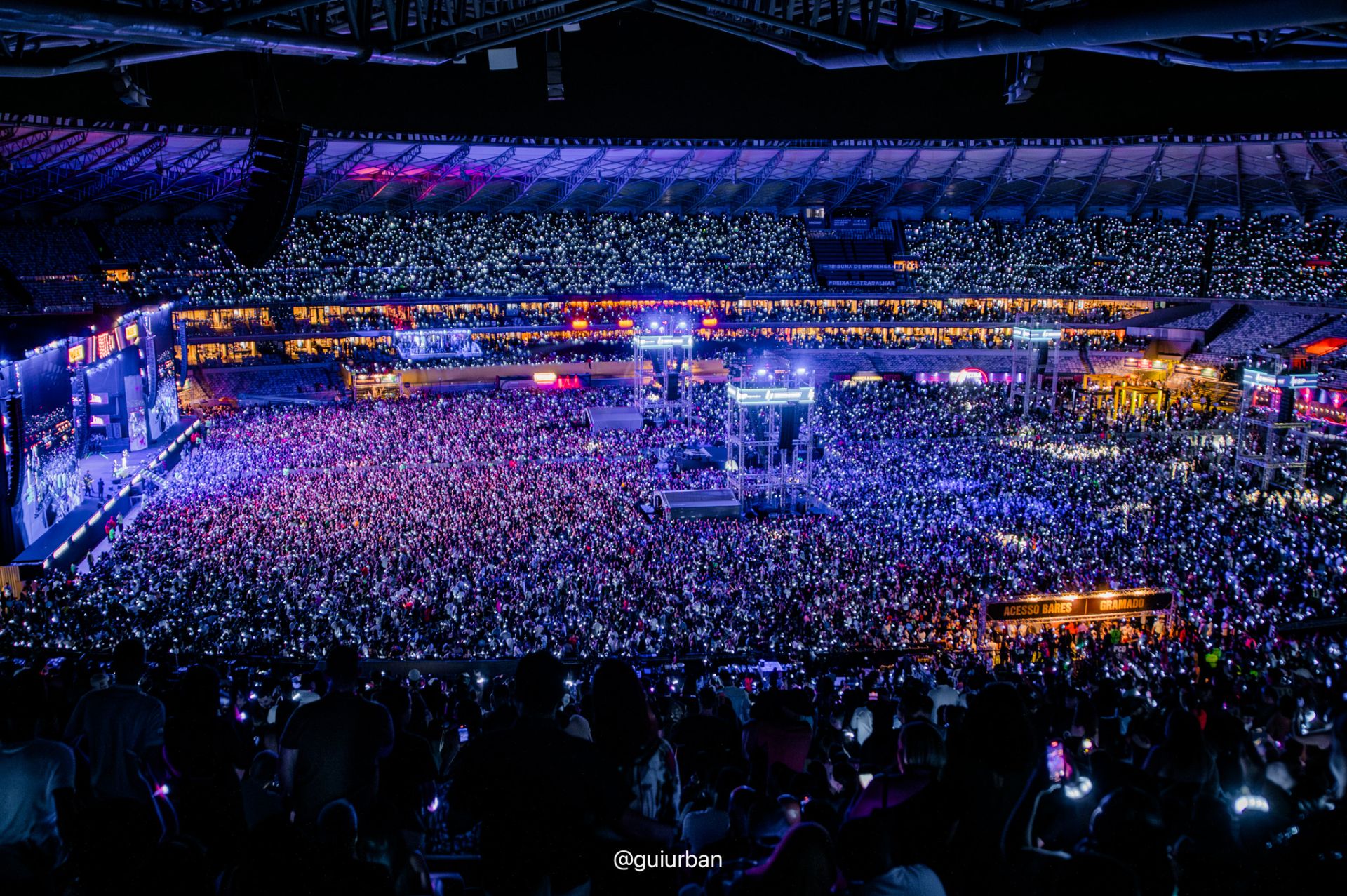
The house lights dim. A signal is sent. In a single, breathtaking moment, 50,000 individual points of light flash into a synchronized wave of colour, washing over the stadium. The crowd, once a collection of individuals, becomes a single, living canvas of light and energy. This is the magic of modern LED Crowd Experiences. But this moment of seamless wonder is the culmination of a journey—a complex, behind-the-scenes ballet of logistics, technology, and human expertise that begins months before the first cue is ever called.
For event producers, tour managers, and creative directors, understanding the anatomy of this rollout is crucial. The spectacle is the final product, but the process—from warehouse to arena—is where the foundation for an unforgettable experience is laid. It’s a process that transforms a creative vision into a tangible, technological reality.
Phase One: The Digital Blueprint
Every successful deployment begins not with a wristband, but with a conversation. Long before any hardware is packed into a crate, our technical teams engage in a deep collaboration with the client’s creative and production leadership. This initial phase is about deconstructing the artistic vision and mapping it onto a technical and logistical framework.
Key considerations include:
- Creative Intent: What is the desired emotional arc of the show? Are we creating sharp, percussive bursts of light for a DJ set at a festival like Primer, or gentle, atmospheric swells for a corporate keynote?
- Venue Architecture: A stadium, an arena, a television studio, or an outdoor festival ground each presents a unique set of challenges and opportunities. We analyze seating charts, potential RF interference, and line-of-sight to strategically plan the placement of our control systems.
- Hardware Selection and Customization: Is the classic Xyloband the right fit, or does the event call for LED Lanyards or custom pendants? For Formula One’s 75th-anniversary celebration, for example, we developed a custom Xylo Pendant with multiple branding variations for different teams and hospitality tiers, turning the device itself into a piece of collectible merchandise.
This digital blueprint defines the scope, scale, and specific technical requirements of the show. It becomes the master plan that governs every subsequent step, ensuring that the Wearable LED Technology will perform precisely as envisioned.
Phase Two: The Global Journey
With a plan in place, the physical process begins. This is where global logistics become a critical component of the production. Moving tens of thousands of sensitive electronic devices across continents is a discipline in its own right, demanding precision and foresight.
For a multi-night arena run like Wizkid’s historic sellout at The O2, or a massive stadium show like Maluma’s 54,000-person concert in Medellín, the scale is immense. Pallets loaded with thousands of meticulously packed Concert Wristbands, transmitters, and control racks are dispatched from our warehouses. Our logistics teams navigate a complex web of international freight, customs brokerage, and transport carnets to ensure that everything arrives on schedule and intact.
This global chessboard requires a deep understanding of regional regulations and a network of trusted partners in over 70 countries. Weather delays, customs inspections, and local transport logistics are all variables that must be anticipated and managed. The success of the show depends on the predictable, reliable arrival of our technology at the venue door.
Phase Three: The On-Site Build & Deployment
Once the crates arrive, the venue transforms into a hub of technical activity. Our on-site crew, comprised of system engineers and deployment specialists, begins the methodical process of building the infrastructure that will power the show.
The first step is setting up the "brain" of the operation: the RF transmitter network. Transmitters are strategically placed and networked back to a central control station, typically located at the front-of-house or a dedicated tech position. The system is powered up and the software is configured, loading the pre-programmed sequences and venue-specific RF mapping established in the blueprinting phase.
Then comes one of the most physically demanding and logistically crucial tasks: distribution. Getting 13,000 custom pendants or 50,000 LED Bracelets into the right hands or onto the right seats is a monumental undertaking. This isn’t a random process. As seen at the Formula One 75th Anniversary event, our dedicated "Distro team" executed a highly specific plan, placing pendants around the arena based on seating blocks to achieve dynamic, zoned effects that were central to the show’s design. This turns the audience itself into a pixelated display, ready to be controlled by the lighting operator.
This meticulous pre-placement is the unseen choreography that enables the crowd to become part of the spectacle, rather than just witnessing it.
Phase Four: The Human Element at Show Time
With the system built, tested, and the audience in place, the technology fades into the background, and the human element comes to the fore. A dedicated Xylobands operator, working in lockstep with the show caller and lighting director, takes the controls. They are the final link in the chain, the invisible conductor translating the show’s rhythm into commands that are broadcast to every single wristband.
This is a role that demands intense focus and split-second timing. The operator isn't just pushing buttons; they are performing, their fingers dancing across the console in sync with the music and the energy of the room. Whether it's a live broadcast for ITV or a global tour for an artist like Coldplay, the pressure is immense. Every cue must be perfect. This is where technology and talent converge to create genuine Immersive Events.
From Complexity to Connection
The journey from a warehouse in the UK to a stadium glowing in South America is a testament to the intricate fusion of logistics, engineering, and human expertise. Each phase—from the initial creative brainstorm to the final, triumphant flash of light—is a critical piece of a larger puzzle. The complexity is immense, but it is all in service of a simple, powerful goal: to dissolve the barrier between artist and audience, and to forge a moment of collective, unforgettable connection. This is the promise and the power of Immersive Event Technology, delivered one cue at a time.