The Unseen Gauntlet: Mastering the Global Logistics of Live Events
The Unseen Gauntlet: Mastering the Global Logistics of Live Events
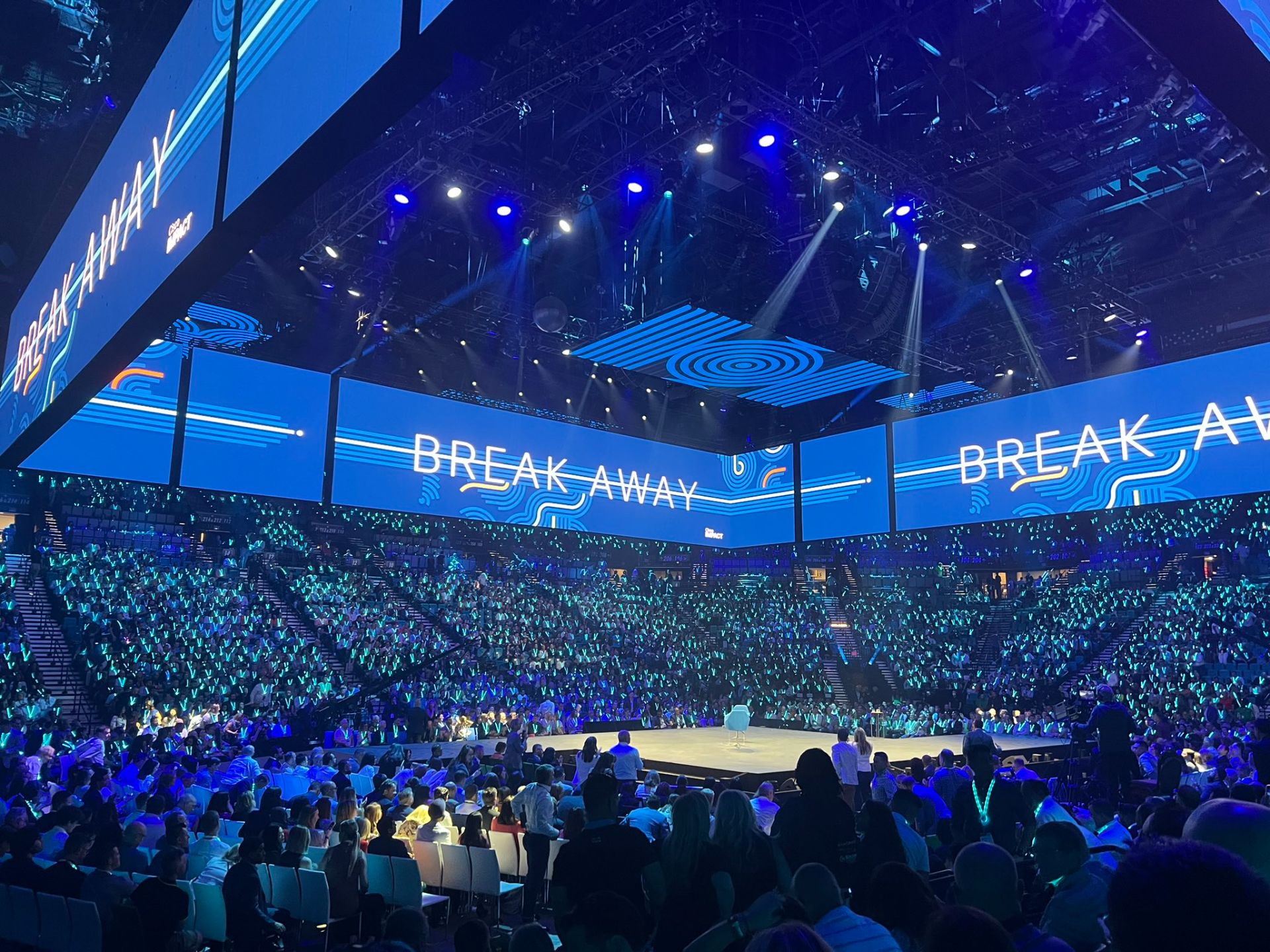
The house lights dim. A roar erupts from 50,000 people. A single, perfectly timed beam of light cuts through the darkness. For the audience, the show has just begun. But for the teams behind the curtain, this moment is the culmination of a brutal, high-stakes marathon that began months, sometimes years, earlier. This is the world of global touring logistics—a relentless gauntlet of freight, customs, and carnets where the slightest miscalculation can bring a multimillion-dollar production to its knees.
In an industry built on spectacle, the most critical element is often the most invisible. It’s not the pyrotechnics or the video walls; it’s the quiet, meticulous choreography of moving hundreds of tons of equipment across oceans and continents. For a company like Xylobands, which deploys millions of units of wearable LED technology to over 70 countries, mastering this unforgiving discipline isn’t just part of the business—it is the business.
The Carnet: Your Passport to a World of Red Tape
At the heart of every international tour is the ATA Carnet, a document often called the “passport for goods.” This international customs document permits the tax-free and duty-free temporary export and import of goods for up to one year. Without it, every border crossing would be a nightmare of tariffs, bonds, and crippling delays. But the carnet is not a magic wand; it’s a declaration of surgical precision.
Every single item in transit—from the most complex radio transmitter down to the last flight case screw—must be catalogued. Each piece is assigned a weight, a value, and a country of origin. This isn’t just a list; it’s a legally binding inventory. A discrepancy—a mismatched serial number, an undeclared spare part—can lead to customs officials impounding an entire shipment. Imagine explaining to a global superstar like Maluma or the organizers of the Formula One 75th Anniversary that their show is in jeopardy because a manifest was off by a single kilogram. It’s a zero-error game.
This is where experience is non-negotiable. An expert logistics team doesn’t just fill out paperwork; they anticipate the unique requirements of each jurisdiction. They understand the nuances of commodity codes, the specific phrasing a German customs agent prefers versus a Colombian one, and the strategic value of listing every component to avoid catastrophic delays.
The Relay Race: Modes of Transit and the Tyranny of Time
Once the paperwork is flawless, the physical journey begins. Global touring logistics is a multi-modal relay race against time, involving a complex interplay of air, sea, and ground freight.
- Sea Freight: For large-scale deployments, like shipping hundreds of thousands of LED wristbands for a stadium tour, sea freight is the economic backbone. It allows for massive volume at a fraction of the cost of air. However, it demands long lead times. A container leaving a UK port for a festival in Greece, like PRIMER Music Festival, might take weeks to arrive. This requires immense foresight and locks in inventory, making last-minute production changes a monumental challenge.
- Air Freight: When time is the enemy, air freight is the answer. It’s the go-to for time-sensitive, high-value equipment or for bridging tight gaps between tour dates on different continents. But this speed comes at a premium. The decision to air-ship is a calculated one, balancing exorbitant cost against the even higher cost of a cancelled show. For broadcast-critical events like the Davis Cup finals or a Wizkid concert at The O2, where timelines are compressed, air freight is the only viable option to guarantee the tech is in place for rigging and testing.
- Ground Transportation: The final mile is often the most complex. A fleet of trucks navigating European motorways or the vast distances of North America requires its own intricate choreography of drivers, permits, and routing. A single bottleneck—a closed mountain pass, a surprise customs strike, or a local holiday—can throw an entire tour schedule into chaos.
The Human Element: The On-the-Ground Fixers
Technology and paperwork can only get you so far. The true secret weapon in global logistics is the network of trusted people on the ground. These are the freight forwarders, the customs brokers, and the local fixers who have spent decades building relationships with port authorities and airport cargo managers. They are the ones who make the crucial phone call at 3 a.m. to get a shipment released. They know who to talk to, how to talk to them, and how to navigate the unwritten rules that govern the flow of goods across borders.
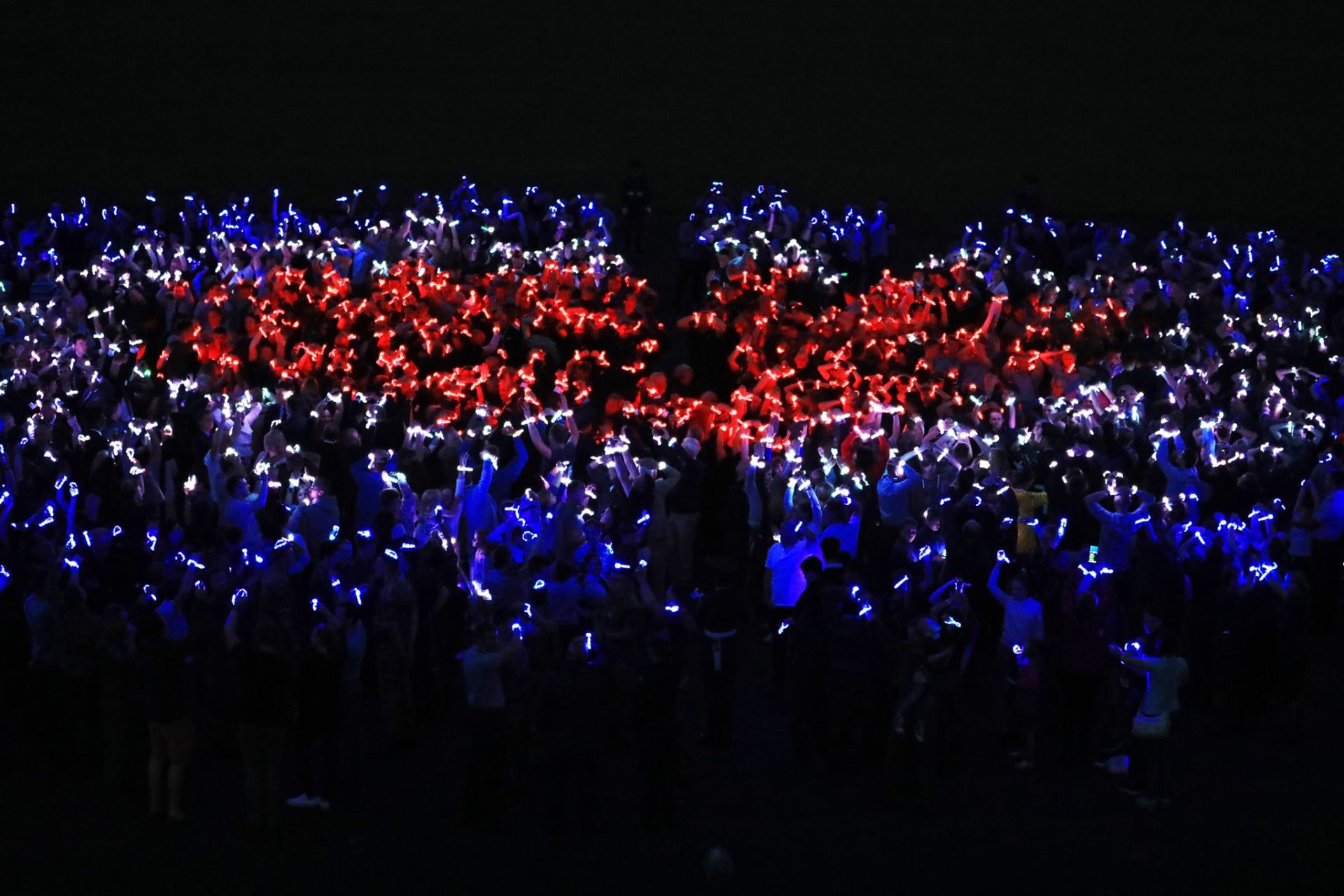
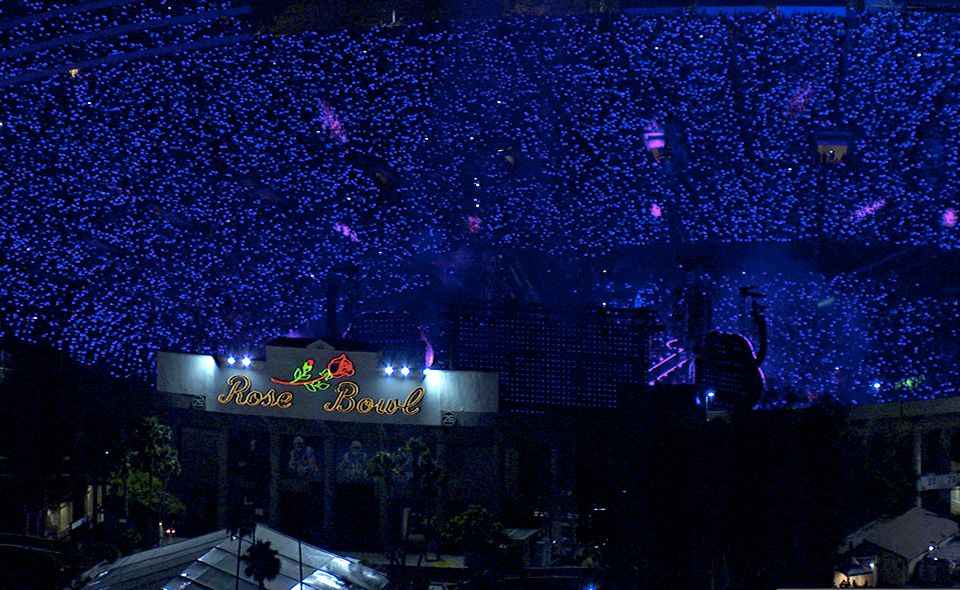
Building this network is a long-term investment in trust and reliability. When you see a sea of Coldplay Xylobands light up a stadium in São Paulo or a crowd at the Eurovision Song Contest become a canvas of light, you are witnessing the result of this human network—a silent, global team that has moved mountains to deliver a flawless experience.
Building a Resilient Supply Chain
The modern era has taught us the fragility of global supply chains. Political instability, trade disputes, and unforeseen global events can sever critical pathways overnight. For a company at the center of immersive events, resilience is paramount. This means diversifying manufacturing and assembly points, holding strategic stock in key global hubs, and building redundancy into every logistics plan.
It’s about having a Plan B, C, and D. What if a primary shipping lane closes? Is there an alternate route via a different port? What if a key component becomes unavailable? Is there a certified secondary supplier? This level of contingency planning is what separates amateur operations from world-class production partners.
Ultimately, the art of global logistics is the art of seeing the future. It’s a discipline of relentless preparation and paranoid foresight, ensuring that the complex, chaotic, and often-perilous journey of technology from warehouse to venue is something the audience never has to think about. They simply see the lights go down, feel the energy rise, and become part of a shared, unforgettable moment. The symphony of logistics has done its job, and the spectacle can finally begin.