The Unseen Engine: How a Culture of R&D Powers Live Spectacle
The Perpetual First Draft: Why Innovation is Never Finished
In the world of live events, the show that the audience sees is the final, polished product. But for the teams behind the curtain, it’s just the most recent iteration of a perpetual first draft. The technology that powers a global tour, a Super Bowl halftime show, or a major corporate launch isn’t born overnight. It’s forged in a culture of relentless research and development, where the end of one project is simply the beginning of the next question: "What if we could…?"
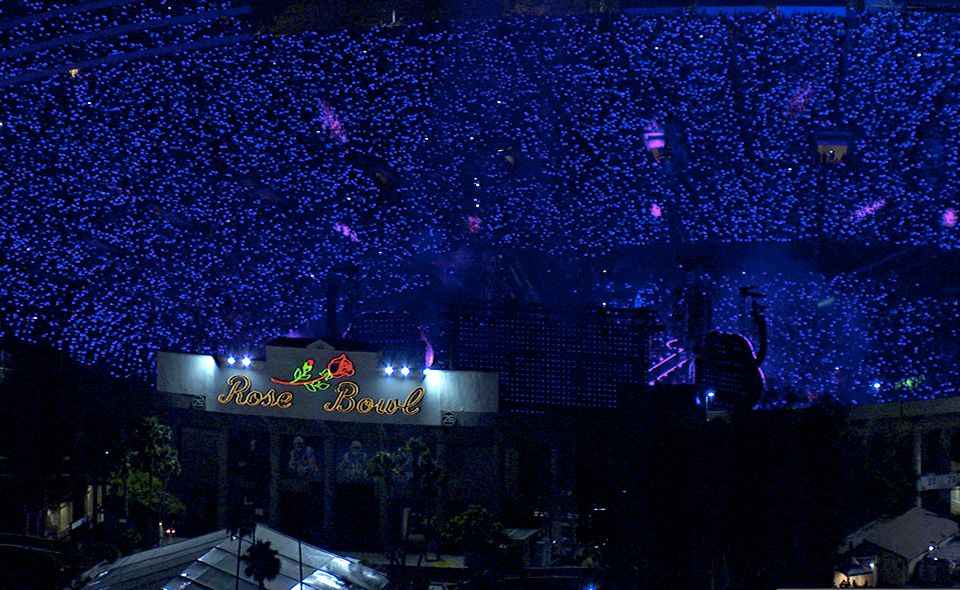
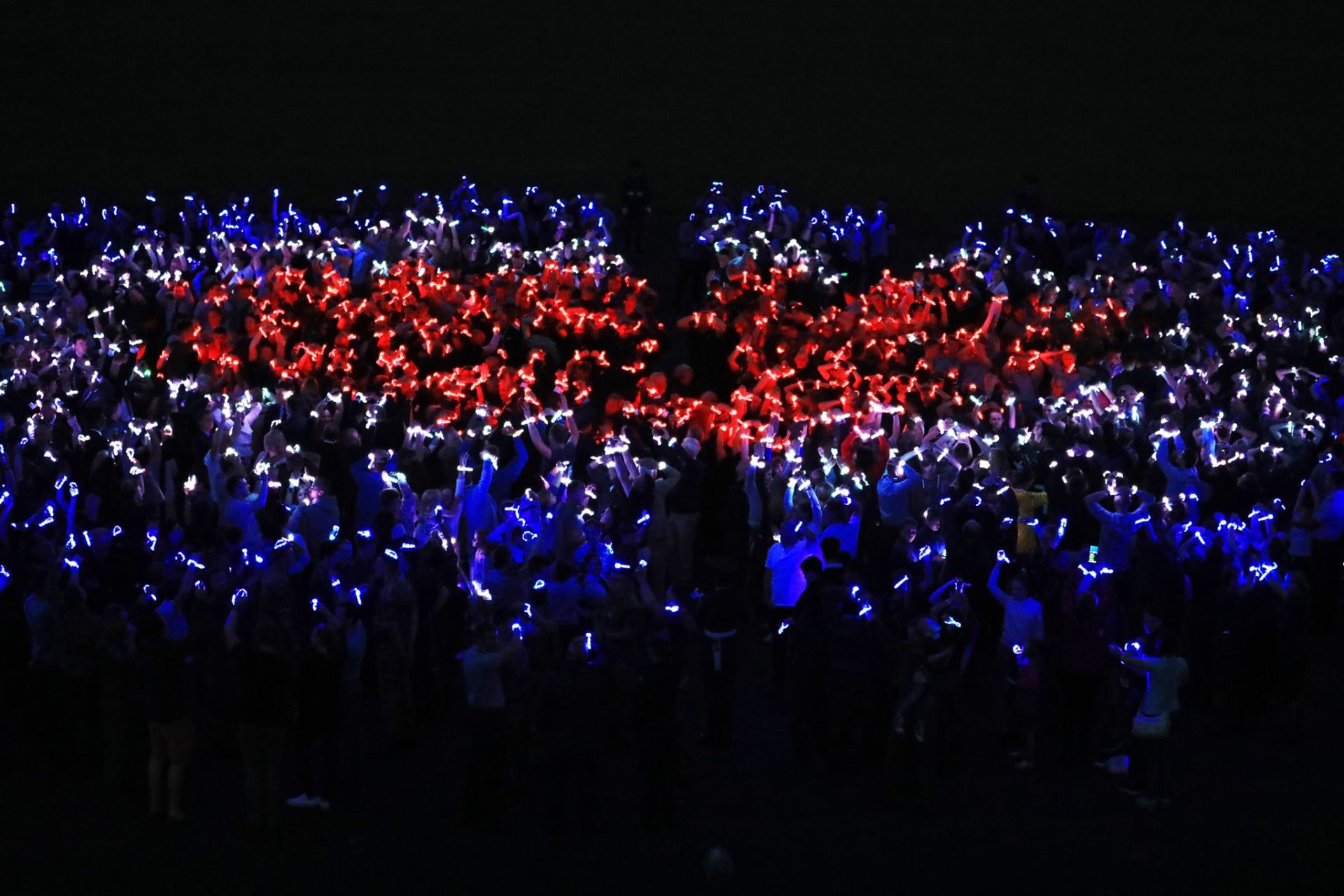
This mindset is the unseen engine of the live spectacle. It’s a belief that no system is ever perfect, no experience is ever complete, and no piece of technology has reached its final form. For a brand like Xylobands, this philosophy is embedded in our DNA. Our journey began with a single question inspired by a Coldplay performance at Glastonbury: "What if the crowd itself could become the light show?" That question led to the first Xylo Bands, but it didn’t end there. It simply opened the door to a thousand more.
From a Field in Somerset to Arenas Worldwide
The arc of innovation rarely follows a straight line. It’s a path of experimentation, prototyping, and, occasionally, spectacular failure. The initial vision for our radio controlled LED wristbands was to transform passive spectators into an active, illuminated part of the performance. The debut on Coldplay’s Mylo Xyloto tour proved the concept on a global scale, but it also became the baseline—the new starting point.
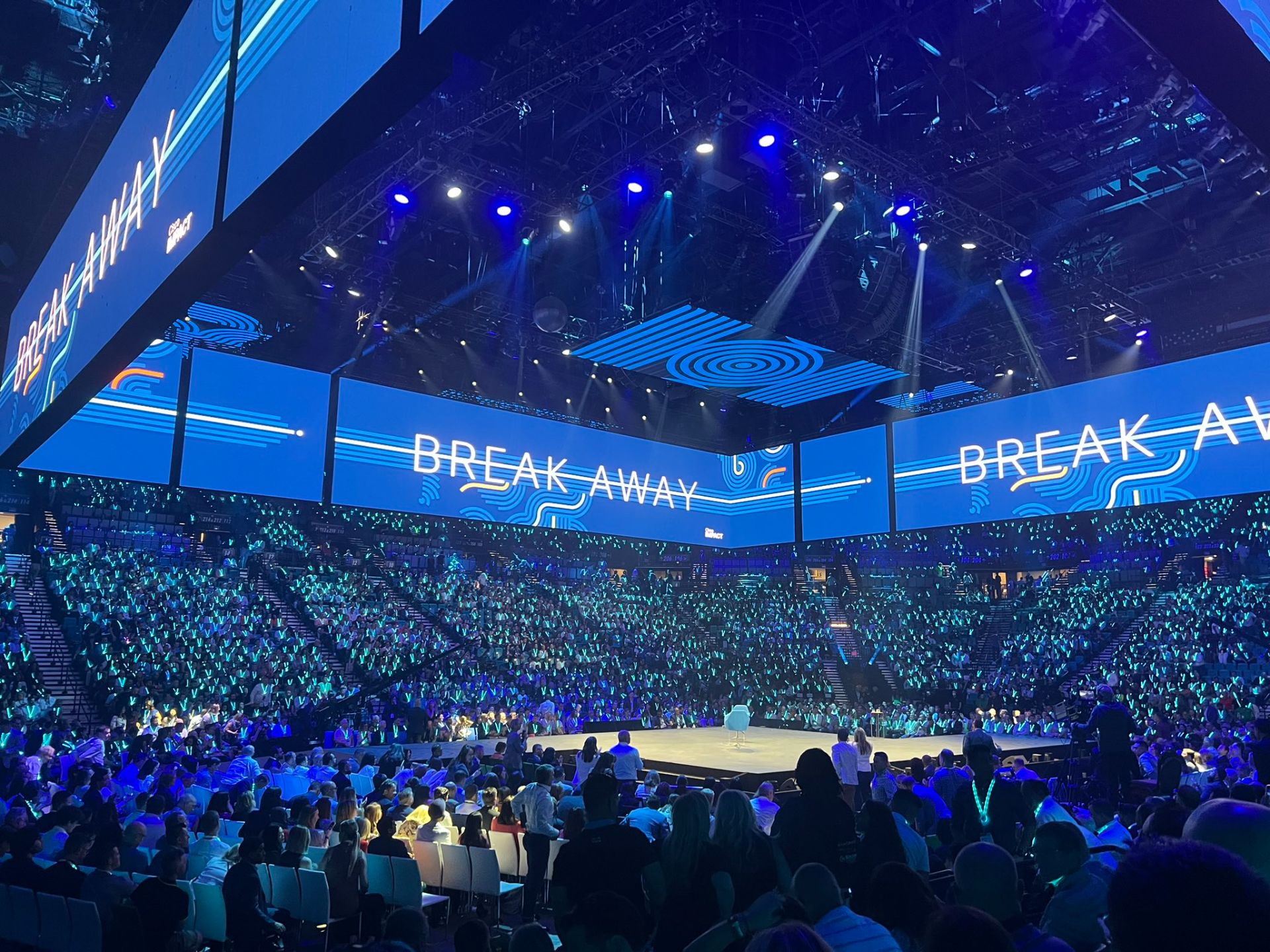
An effective R&D culture doesn’t just focus on inventing new products; it obsesses over refining existing ones. How can we improve battery life? How can we expand the radio range and signal stability in dense, complex RF environments like stadiums? What new form factors—like the LED Lanyards used for corporate event activations or the custom pendants designed for Formula One’s 75th-anniversary celebration—can solve different creative and logistical challenges? Each question sends our teams back to the lab, iterating on hardware, firmware, and operational strategy.
The Lab and the Field: A Symbiotic Relationship
True innovation in the live events space cannot happen in a vacuum. A lab can simulate conditions, but it can never replicate the beautiful chaos of a real-world environment: tens of thousands of bodies absorbing RF signals, unpredictable weather at an outdoor festival, or the complex ingress and egress flow of a major sporting event.
This is where the symbiotic relationship between R&D and field operations becomes critical. Our technical teams, deploying systems for clients like Wizkid at the O2 Arena or at massive festivals like Primer in Greece, are our most valuable source of intelligence. They witness firsthand how the technology behaves under immense pressure. They see the opportunities for a slicker distribution process, a more robust activation signal, or a more intuitive control interface for the lighting designer.
That feedback loop is priceless. It’s not a critique; it’s a creative brief. The challenges encountered in the field become the direct mandate for the engineering team back in the lab. This cycle of deployment, observation, feedback, and iteration is what allows immersive event technology to evolve.
Solving for X: Anticipating the Needs of Tomorrow
A mature R&D culture does more than just solve today’s problems; it anticipates tomorrow’s. We are constantly observing trends not only in our own industry but in adjacent ones: broadcast technology, wearable consumer electronics, data science, and sustainable materials.
This forward-looking perspective leads to developmental tracks that may not have an immediate application but are aimed at future-proofing our capabilities. We explore questions around:
- Sustainability: How can we design reusable systems that minimize environmental impact without compromising the fan experience?
- Data & Safety: Could our networks be used for more than just light? Can they provide anonymized crowd-flow data to help venue managers enhance safety?
- Interactivity: How can we move beyond a one-to-many broadcast model to a many-to-many interactive one, allowing sections of the crowd to influence the show in real time?
This is the essence of building an innovation-led brand. It’s about creating a space where curiosity is prized, where "good enough" is never the final answer, and where every successful show serves as the foundation for the next breakthrough. The result isn’t just a product like an LED wristband; it’s a platform for creating shared moments, a toolbox for the world’s most ambitious creatives, and a constant pursuit of the next frontier in LED crowd experiences. The audience may only see the light, but the real energy comes from the engine of innovation, working tirelessly in the dark.