The Two-Screen Problem: Mastering Light for the Live Crowd and the Camera
The High-Wire Act of Live Broadcast
In the world of live television, there is no second take. It’s a high-wire act of immense technical and creative skill, executed in real-time, often in front of millions. From singing competitions and awards shows to major sporting events like the Davis Cup, the pressure is on to deliver a flawless experience. But producers face a fundamental challenge: they are creating two shows at once. There’s the live spectacle for the audience in the studio or stadium, and then there is the broadcast, consumed by millions more on screens around the world.
These two audiences have vastly different needs and perspectives. The energy of a live crowd is palpable, driven by grand gestures, booming sound, and a sense of shared experience. The camera, however, is an intimate observer. It notices the smallest details—a flicker of a mis-timed light, an unflattering shadow on a performer, or a distracting glare from a set piece. Lighting for the lens requires precision, control, and an entirely different set of rules.
For years, this has been the central tension of live production: creating a dynamic, engaging atmosphere for the people in the room without compromising the pristine, controlled image required for broadcast. It's what we call the "two-screen problem." How do you serve both the live eye and the camera lens, creating a unified, powerful experience for everyone?
The Camera Sees Everything
Broadcast lighting is a science. It’s a meticulous craft governed by colour temperatures, camera sensors, and refresh rates. A lighting rig that looks spectacular to the naked eye can appear chaotic or "noisy" on camera. A common issue is the refresh rate of LED sources. If a light’s refresh rate isn't high enough, it can create an distracting flicker or banding effect on screen, a dead giveaway of amateur production.
Modern cameras are more sensitive than ever, capable of capturing stunning detail in low light but equally unforgiving of poorly executed lighting. Key considerations include:
- Colour Temperature: Ensuring all light sources are balanced to a consistent colour temperature (measured in Kelvin) is critical for rendering natural skin tones and accurate colours. A mix of temperatures can make a scene look disjointed and unprofessional.
- Flicker-Free Performance: High-quality LED fixtures are essential. These are engineered with high refresh rates to ensure they appear as a solid, stable light source to the camera, even in slow-motion replays.
- Controllable Spill: Light has a tendency to go everywhere. In a broadcast environment, controlling "spill" (unwanted light falling on surfaces) is paramount. Precision control prevents performers from being washed out or distracting lens flares from ruining a shot.
Bridging the Gap with Immersive Event Technology
Solving the two-screen problem isn't just about avoiding technical pitfalls. It’s about finding a new language of light—one that can speak to both audiences simultaneously. This is where modern Immersive Event Technology comes in. Instead of viewing the crowd as a passive backdrop, what if they could become part of the lighting design itself?
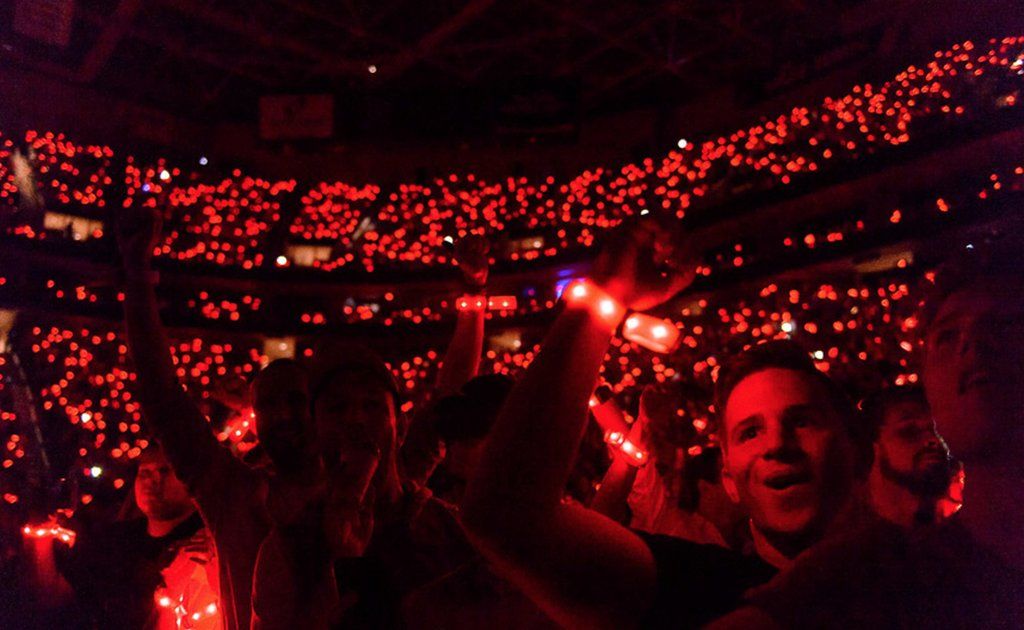
This is the principle behind technologies like Xylobands. By equipping the studio audience with radio-controlled LED wristbands, production designers gain thousands of new, controllable points of light. This transforms the audience from a dark, anonymous mass into a living, breathing canvas that enhances the broadcast. We’ve seen this executed to powerful effect on numerous ITV productions, including game shows like Beat The Chasers, where the technology helps build tension and celebrate winners, making the studio audience an active part of the show’s visual identity.
"When you’re lighting for broadcast, you’re painting a picture for a frame. But with an entire audience as your canvas, you can create a dynamic backdrop that has depth, energy, and emotion, all perfectly synchronized with the action."
The Audience as a Dynamic Set Piece
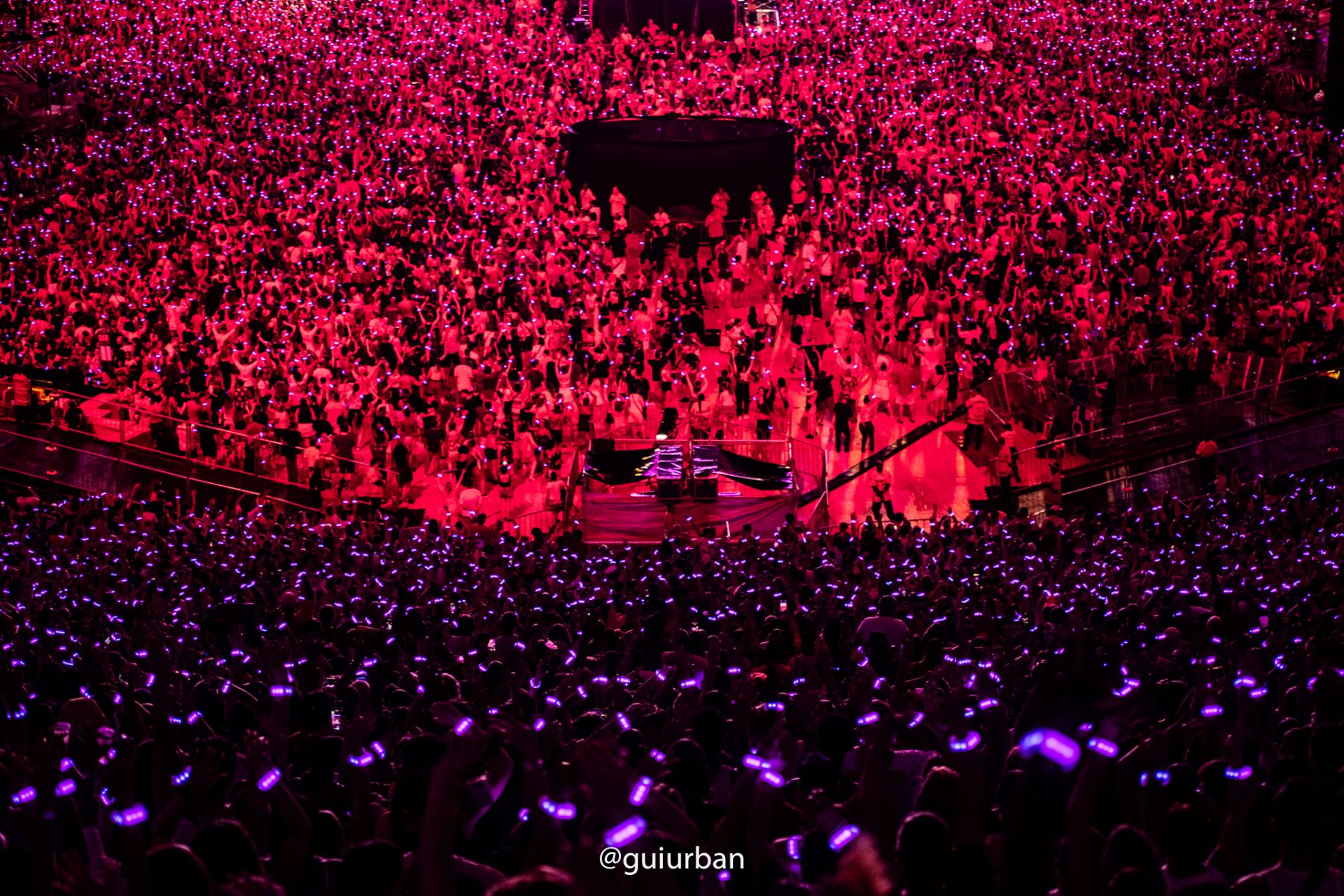
Imagine a live musical performance. With LED wristbands, a wave of colour can sweep across the audience in perfect time with a crescendo. During a dramatic moment in a game show, the wristbands can pulse with a tense red glow. For the camera, this creates a visually stunning and cohesive backdrop that extends the set into the crowd, making the production feel larger and more immersive. For the live audience, it makes them participants, not just spectators. They are no longer just watching the show; they are the show.
This approach offers several key advantages for broadcast:
- Creating Depth and Scale: A lit audience provides a deep, dynamic background that static sets can’t replicate. It gives the director a vibrant and energetic canvas to frame their shots against, as seen in large-scale events like the Formula One 75th-anniversary show.
- Enhancing the Narrative: Light is a powerful storytelling tool. Synchronized crowd lighting can mirror the emotional arc of a performance or competition, heightening tension, celebration, or drama for both the live and home viewer.
- Camera-Ready Effects: Unlike uncontrolled light sources like phone screens, professional wearable LED technology is designed for the camera. The colour is pure, the timing is precise, and the performance is flicker-free, ensuring a clean, professional look on screen. The effect was powerfully demonstrated during Maluma's globally-streamed Medellín concert, where the massive crowd became a unified visual spectacle.
Beyond the Wristband: A Unified Ecosystem
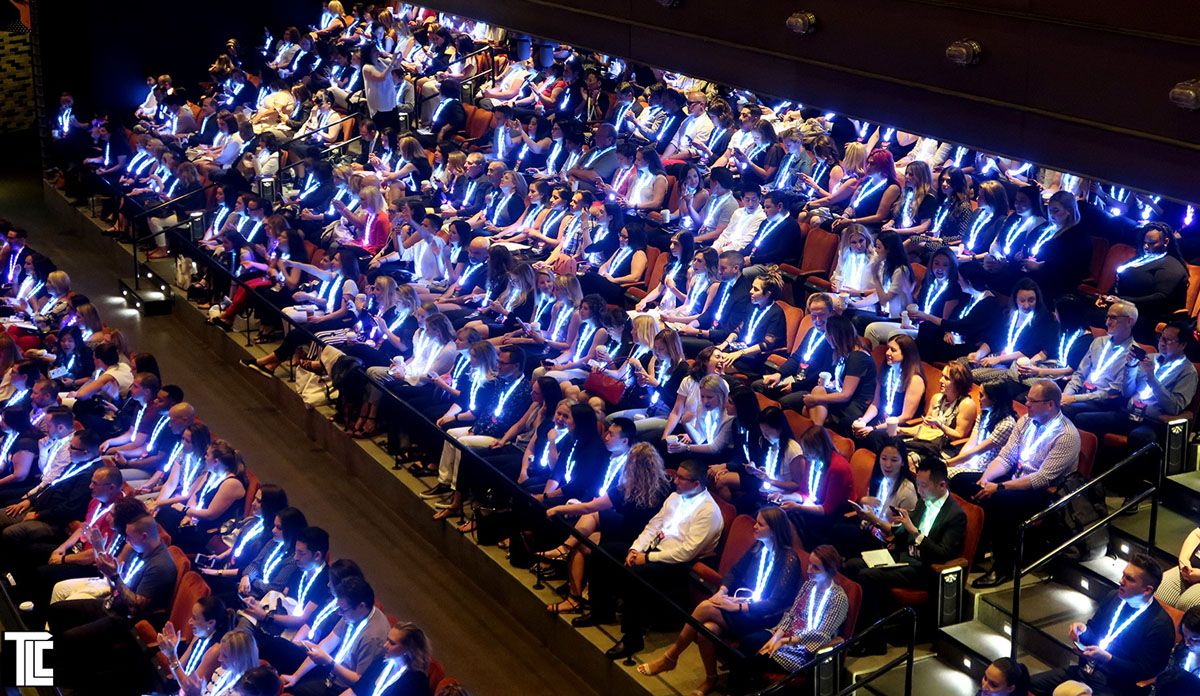
The concept extends beyond just wristbands. An entire ecosystem of devices, from LED Lanyards at corporate functions to glowing LED Orbs that can be thrown among the crowd, operate on the same central control system. This allows for a multi-layered design, giving lighting directors an even richer palette to work with. For broadcast events, it means creating a consistent visual language that ties the audience, the performers, and the set together into one spectacular, camera-ready whole.
The two-screen problem will always be a central challenge in live production. But by embracing technology that unifies the two experiences, producers can create shows that are not only technically flawless for the broadcast but also unforgettably immersive for the people in the room. It’s a future where the line between the stage and the seats disappears, and everyone becomes part of the light.