Beyond the Arena: Crafting Camera-Ready Live Broadcasts
The Two-Audience Imperative
In the world of major live events, the audience is no longer confined to the arena, stadium, or theatre. A second, often much larger, audience watches from screens across the world. This creates a fundamental challenge for production designers and tour managers: how do you create a lighting experience that is spectacular for the people in the room, yet translates with precision and clarity through a broadcast lens? This is the two-audience imperative, a core consideration for any modern production, from global sporting events like the Davis Cup and Formula One to high-stakes TV specials like Beat The Chasers UK.
The human eye is a remarkably forgiving instrument. It can process vast dynamic ranges, from the deep shadows of a stage to the brilliant glare of a moving light. A broadcast camera, however, is not so lenient. It requires carefully managed light levels, colour temperatures, and flicker-free sources to capture a clean, professional image. What looks breathtaking in person can appear as a blown-out, pixelated mess on television if not engineered for the broadcast feed. The challenge, then, is not just to light the performers, but to sculpt the entire environment—including the crowd itself—into a canvas that serves both the live and at-home viewer.
Painting with People: The Crowd as a Broadcast Asset
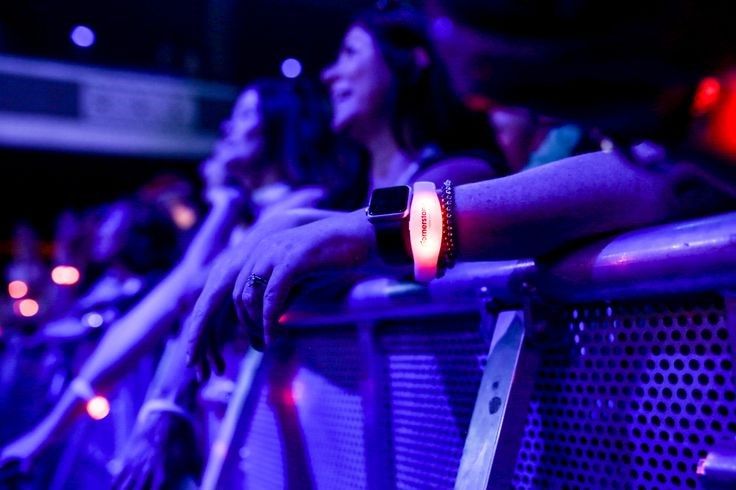
Historically, the live audience was a passive element in a broadcast—a sea of faces, often lost in the darkness beyond the stage. But what if the crowd could become an active part of the visual spectacle? This is where wearable LED technology has fundamentally changed the game. By turning thousands of attendees into individual, controllable pixels, we can transform the audience from a backdrop into a dynamic, living canvas of light.
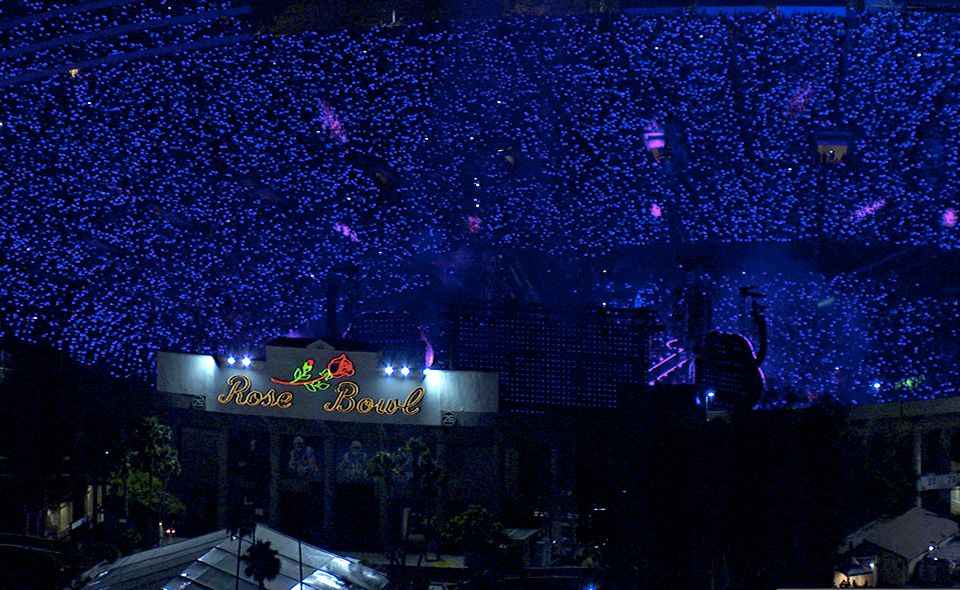
This approach was powerfully demonstrated at Maluma’s 2022 Medellín En El Mapa concert. With a live audience of 54,000 and millions more streaming on Amazon, the lighting had to be world-class for both contexts. By deploying LED wristbands throughout the crowd, the production team could extend the energy of the performance across the entire stadium. Complex patterns, colour chases, and synchronized pulses turned the audience into a vibrant, unified entity, creating a stunning visual texture for the broadcast cameras. Instead of a dark void, the cameras captured an electrifying landscape of light, adding immense scale and energy to the show streamed in over 240 countries.
This is one of the most powerful tools in modern broadcast design. It solves a technical problem—how to make the audience visible and engaging on camera—while simultaneously enhancing the immersive experience for the people in attendance.
Technical Considerations for Camera-Ready Crowd Lighting
Integrating a crowd lighting system like Xylobands into a broadcast environment requires a deep understanding of both RF technology and television engineering. Here are the key principles for success:
1. Flicker-Free Performance is Non-Negotiable
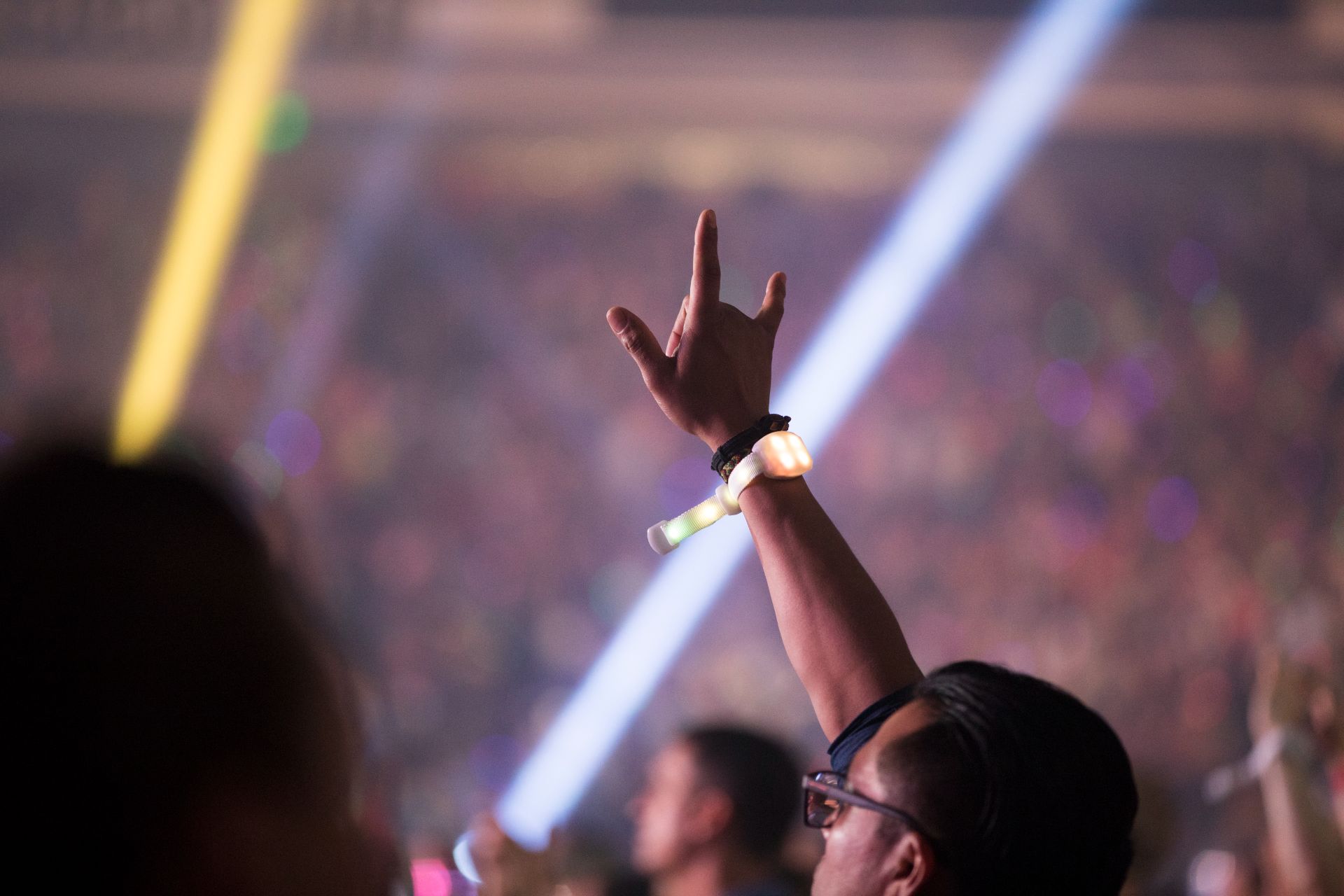
The refresh rate of an LED device can create a visible "flicker" or banding on camera, an instant sign of an amateur production. Professional-grade LED wearables are engineered with high-frequency PWM (Pulse Width Modulation) drivers that are invisible to modern broadcast cameras, ensuring a clean, solid light source, regardless of the frame rate or shutter speed.
2. Mastering Colour and Intensity
What appears as a vibrant red to the naked eye can saturate and clip on a camera sensor. A broadcast-ready system must offer granular control over colour and brightness. During technical rehearsals, the lighting director and broadcast engineer will work together to "paint by numbers," calibrating the output of the LED bands to the camera's specifications. This ensures that a deep blue on stage is the same deep blue in the audience and, critically, on the screen at home. This was a key factor for our work with major broadcasters like ITV, where brand colour consistency is paramount.
3. Zoning for Dynamic Effects
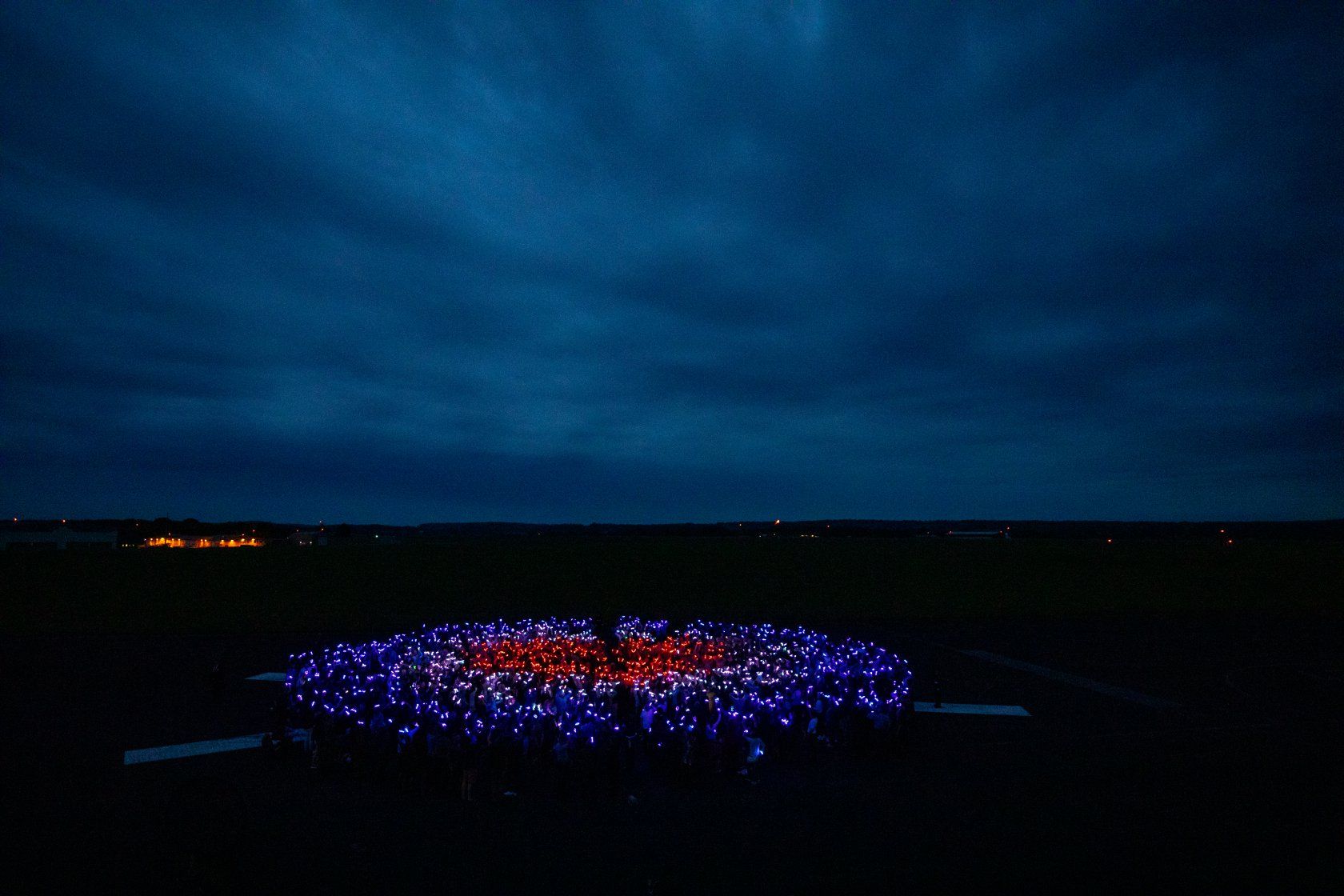
A one-size-fits-all approach to crowd lighting limits creative potential. The most sophisticated LED experiences rely on zoning. By mapping the venue and assigning different sections of the audience to distinct control groups, designers can create complex and compelling visual narratives. Imagine a goal celebration where one team's colours sweep across their supporters' section, or a music festival where light pulses outwards from the stage in concentric rings. As seen at the 75th-anniversary celebration for Formula One, custom-branded LED Lanyards were pre-positioned around The O2 Arena, allowing the creative team to trigger specific effects that corresponded to team colours and moments in the show, creating powerful broadcast moments.
Beyond the Spectacle: Building Connection
Ultimately, lighting the audience for a broadcast is about more than just creating pretty pictures. It’s about closing the distance between the at-home viewer and the live experience. When someone watching on TV sees a crowd of 50,000 people light up in perfect sync with a chorus, they feel a sense of the scale and collective energy they’re missing. It makes the event feel bigger, more important, and more alive.
From the high-energy visuals of a Wizkid concert to the corporate branding moments at a product launch, LED crowd experiences serve a dual purpose. They create unforgettable, immersive events for the people in the room while providing broadcast directors with a powerful tool to translate that energy to the screen. In the hybrid era, mastering this technique is no longer a luxury—it’s an essential component of world-class event production.