The Double-Edged Spectacle: Lighting for the Lens and the Live Audience
The Twin Demands of the Broadcast Event
In the world of live events, few challenges are as complex as producing a spectacle for two audiences simultaneously. There is the immediate audience—the thousands of fans, stakeholders, or employees present in the room, their experience visceral and immediate. Then, there is the broadcast audience—often numbering in the millions, watching from screens across the globe. Their experience is mediated by the camera lens, the edit, and the sound mix. These two audiences, while witnessing the same event, have fundamentally different needs and perceptions.
At Xylobands, we have built a deep specialization in navigating this dual reality. Our work with broadcast giants like ITV, and for global events such as Formula One’s 75th-anniversary celebration, has given us a unique perspective on what it takes to create powerful, cohesive experiences that translate both in-person and on-camera. It’s an art that balances the grand, sweeping gestures needed for a stadium with the nuanced, detailed execution demanded by high-definition broadcast.
The Challenge: A Tale of Two Spectrums
The core challenge lies in the physics of light and perception. A lighting effect that feels electric and immersive to the naked eye can appear blown-out, chaotic, or simply flat on a 4K television screen. Conversely, a subtle, intricate light pattern perfectly framed for the camera might be lost entirely to a person sitting in the upper tiers of an arena.
The technical considerations are immense:
- Color Temperature & Camera Sensors: Professional broadcast cameras have a different sensitivity to color and light than the human eye. What appears as a vibrant red in person might saturate into a noisy, pixelated mess on camera without precise control.
- Flicker Rate: The refresh rate of LED technology must be perfectly harmonized with the camera’s frame rate. Any mismatch results in the distracting flicker or banding that renders footage unusable for broadcast. This is a non-negotiable technical hurdle for any serious LED Event Technology.
- Dynamic Range: The camera has a much narrower dynamic range than the human eye. It cannot process deep shadows and bright highlights simultaneously. A show designed for a live crowd often features dramatic, high-contrast looks that must be carefully re-engineered to fit within the camera’s limited range, ensuring viewers at home see a clear, balanced image.
The Solution: Engineering a Unified Experience
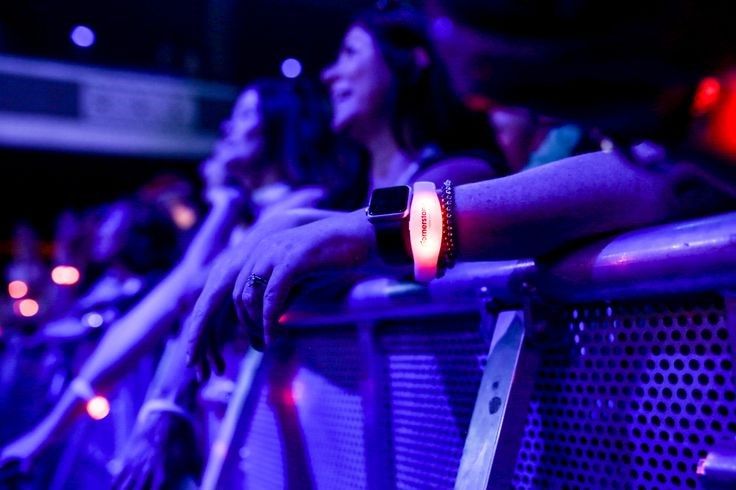
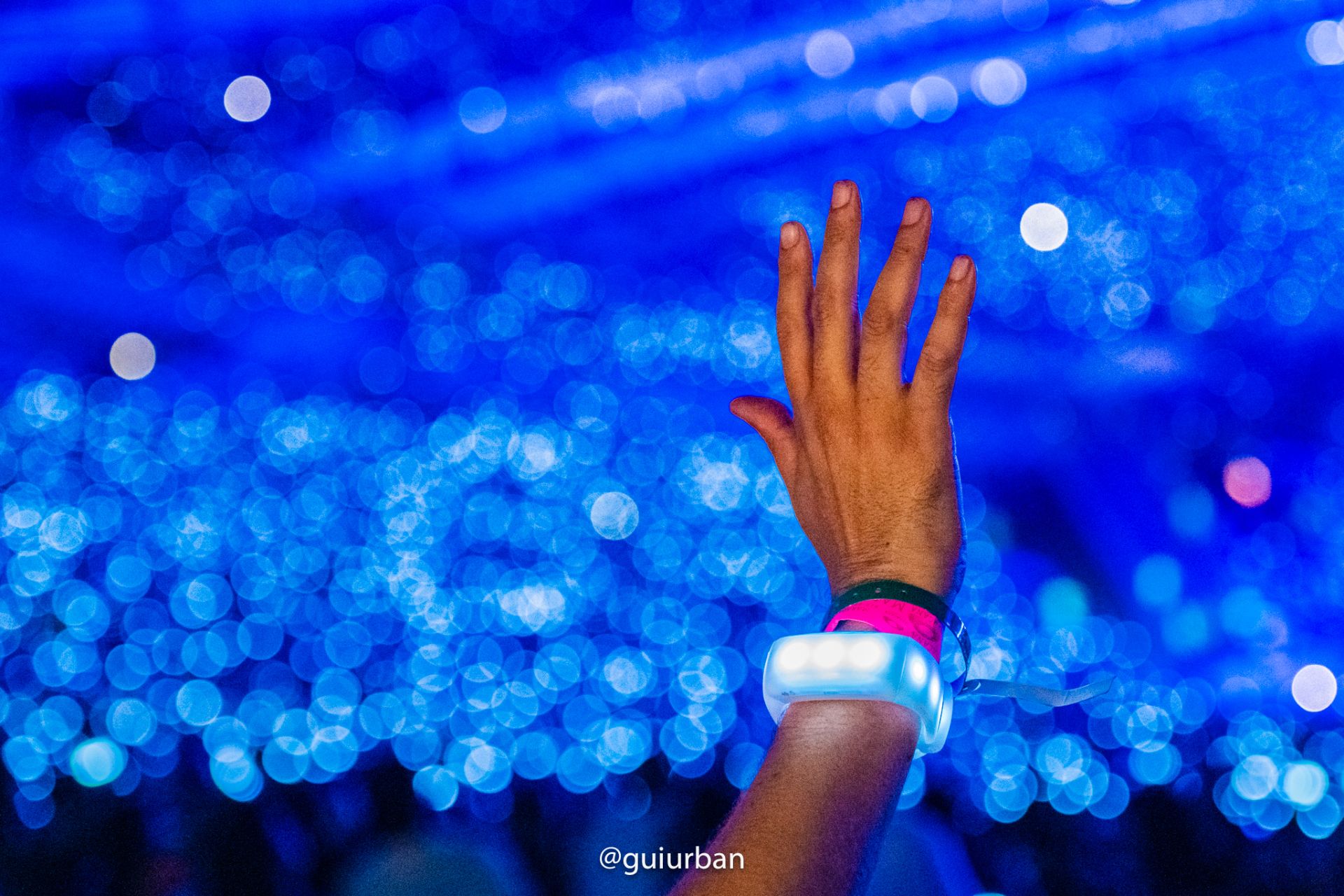
Our approach is rooted in a philosophy of "broadcast-first" design that doesn’t sacrifice the in-person experience. This means collaborating closely with broadcast directors and lighting designers from the earliest stages of production. Our proprietary software and radio-controlled LED wristbands become a shared tool, a common language between the live and broadcast teams.
For our projects with ITV, which often involve flagship programs like 'Beat The Chasers,' the stakes are incredibly high. The lighting is not just environmental; it’s a core part of the show’s dramatic narrative. The pulse of red light that sweeps across the audience when a contestant is under pressure, or the triumphant flash of gold for a win, must be perfectly timed and rendered for both audiences.
"The audience is no longer just a backdrop. In a modern broadcast event, they are a living, breathing set piece. Their collective energy, visualized through light, becomes a powerful storytelling device for the viewers at home."
Case Study in Contrast: From Studio to Stadium
The principles remain the same whether we are lighting an intimate 500-person studio for ITV or a 54,000-seat stadium for Maluma’s historic Medellín concert, which was streamed live to 240 countries. In both scenarios, the crowd becomes an extension of the stage.
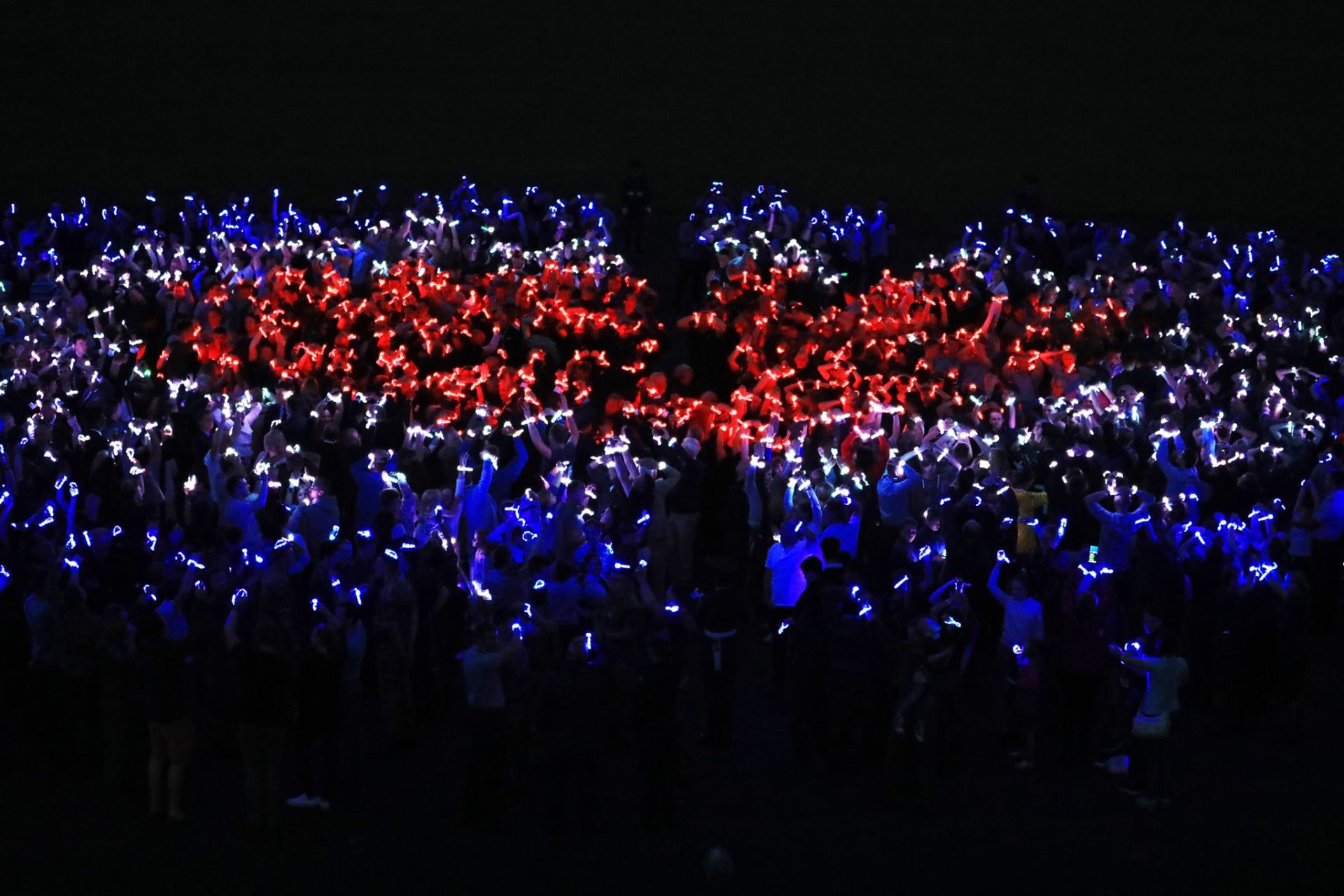
With precise zonal control, we can create looks specifically for the camera. A director can call for a specific block of the audience to light up, framing the artist in a halo of light that looks spectacular on screen. Seconds later, we can trigger a full-arena pulse that immerses every single person in the venue. It’s this ability to toggle between the macro and the micro—the wide shot and the close-up—that defines a successful broadcast event. This is the essence of creating true Immersive Events.
Beyond the Wristband: A Cohesive Visual Ecosystem
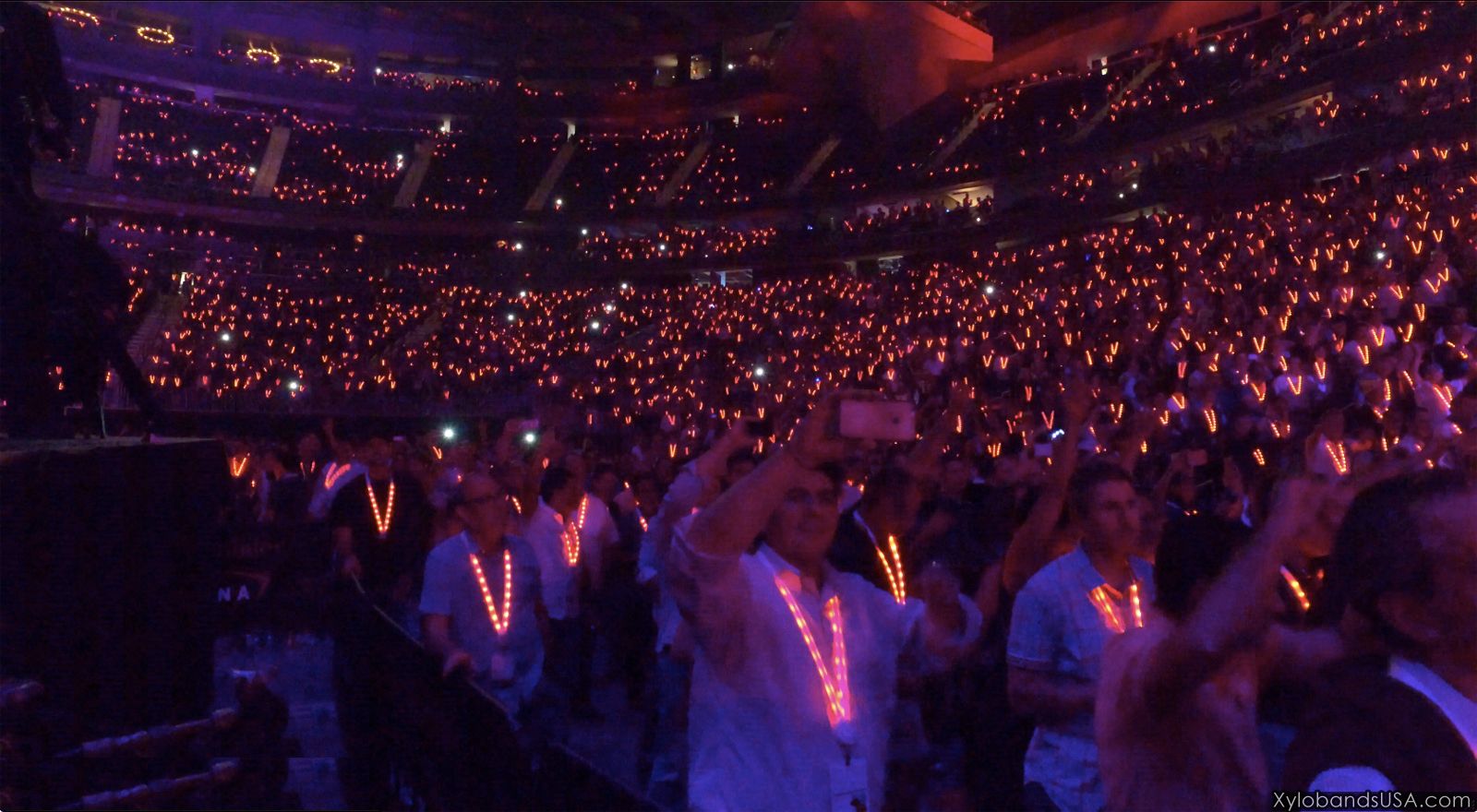
While our Coldplay Xylobands are our most recognized technology, the principle extends to our full range of wearable LED technology, including LED Lanyards and custom pendants. For Formula One’s 75th-anniversary show, we created custom-branded pendants that turned the entire arena into a dynamic, team-branded mosaic of light, creating incredible visuals for the broadcast while giving fans a tangible piece of the experience to take home.
Ultimately, mastering the two-fold spectacle is about more than just technology. It’s about understanding the unique psychologies of the live and broadcast audiences. The fan in the stadium wants to feel a part of a massive, overwhelming collective. The viewer at home wants a clear, compelling, and intimate view of the action. By using light to serve both narratives, we create a single, unified event where every participant, whether in the room or on the other side of the world, feels like they are part of the same electrifying moment.