The Double-Edged Spectacle: Lighting for the Lens and the Live Audience
The Two-Fold Challenge of Modern Event Lighting
In the world of major live events, the audience is no longer just the sea of faces in the arena. It’s also the millions watching from screens across the globe. This creates a dual reality for production designers and lighting engineers: they must craft a breathtaking spectacle for the people in the room while simultaneously delivering a flawless, technically perfect image for the cameras. This is the double-edged spectacle—a high-stakes balancing act where the demands of the live crowd and the broadcast lens pull in different directions.
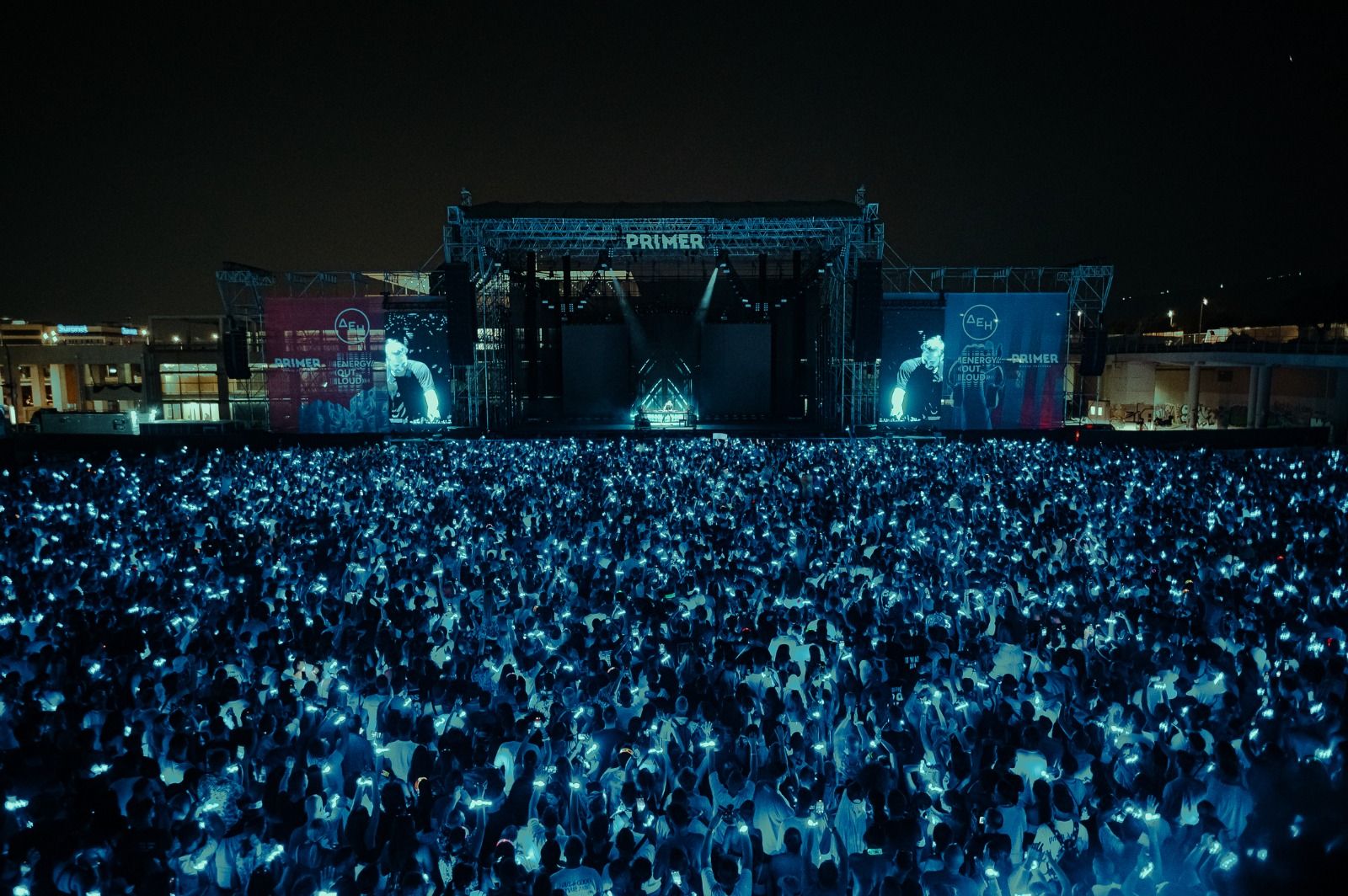
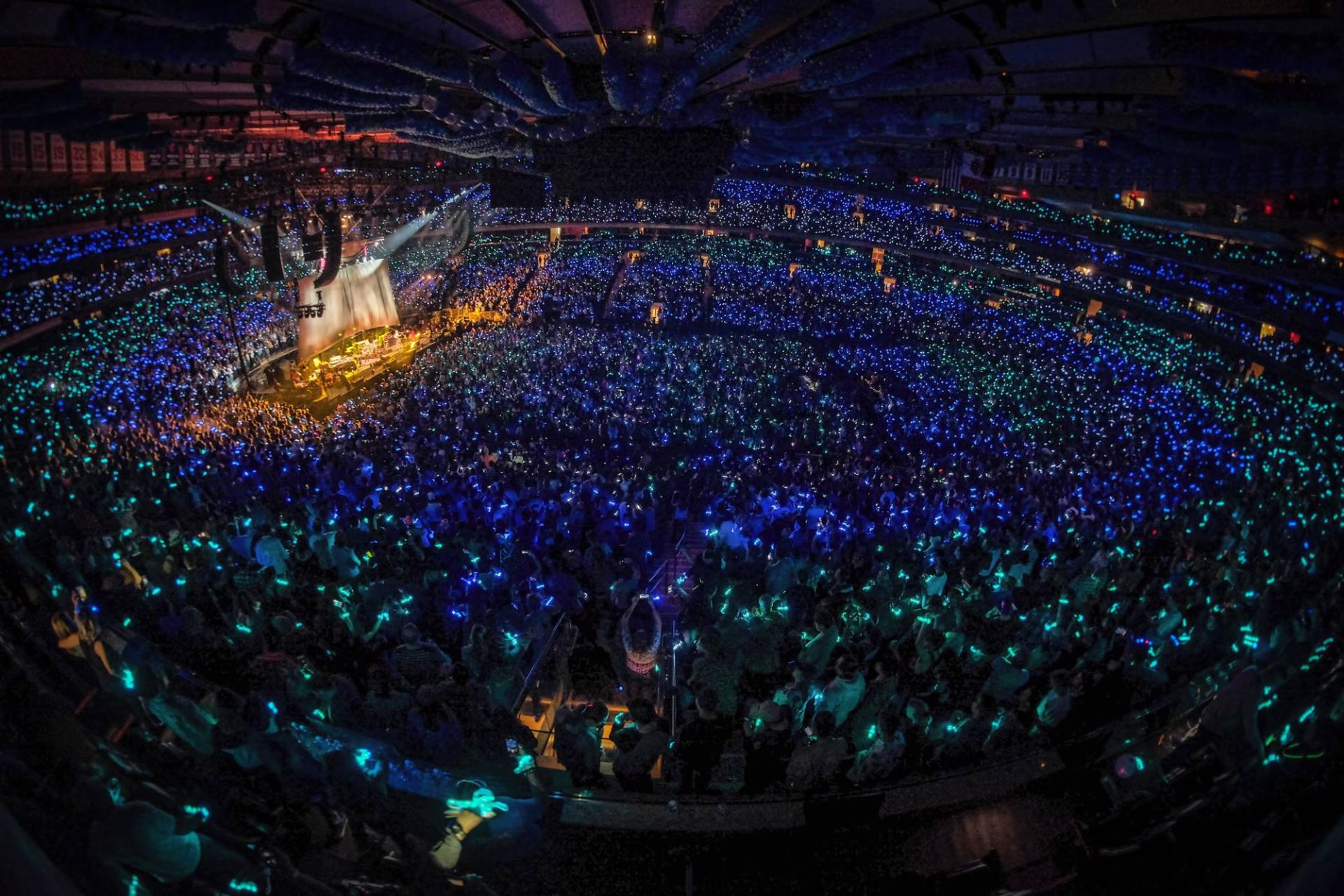
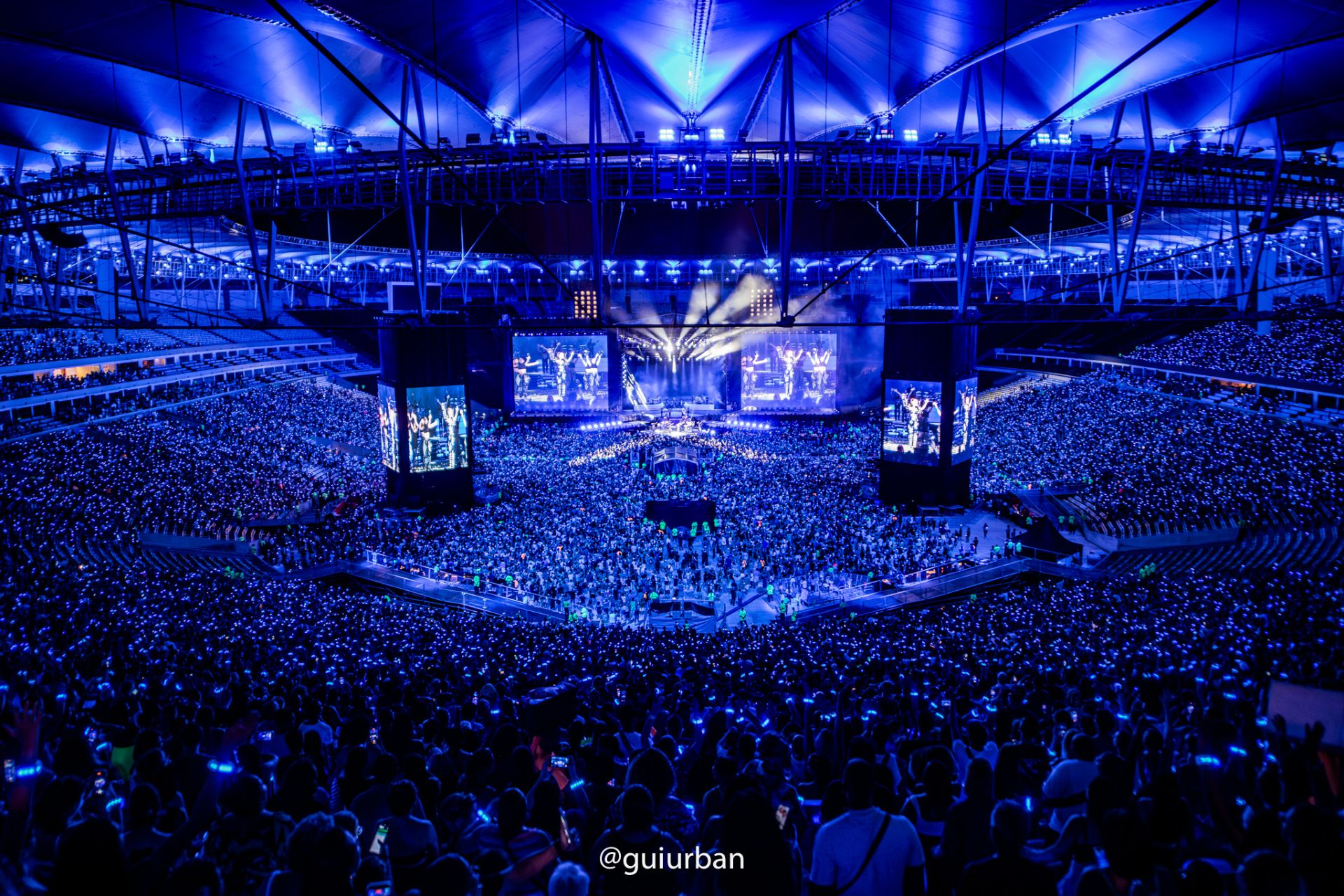
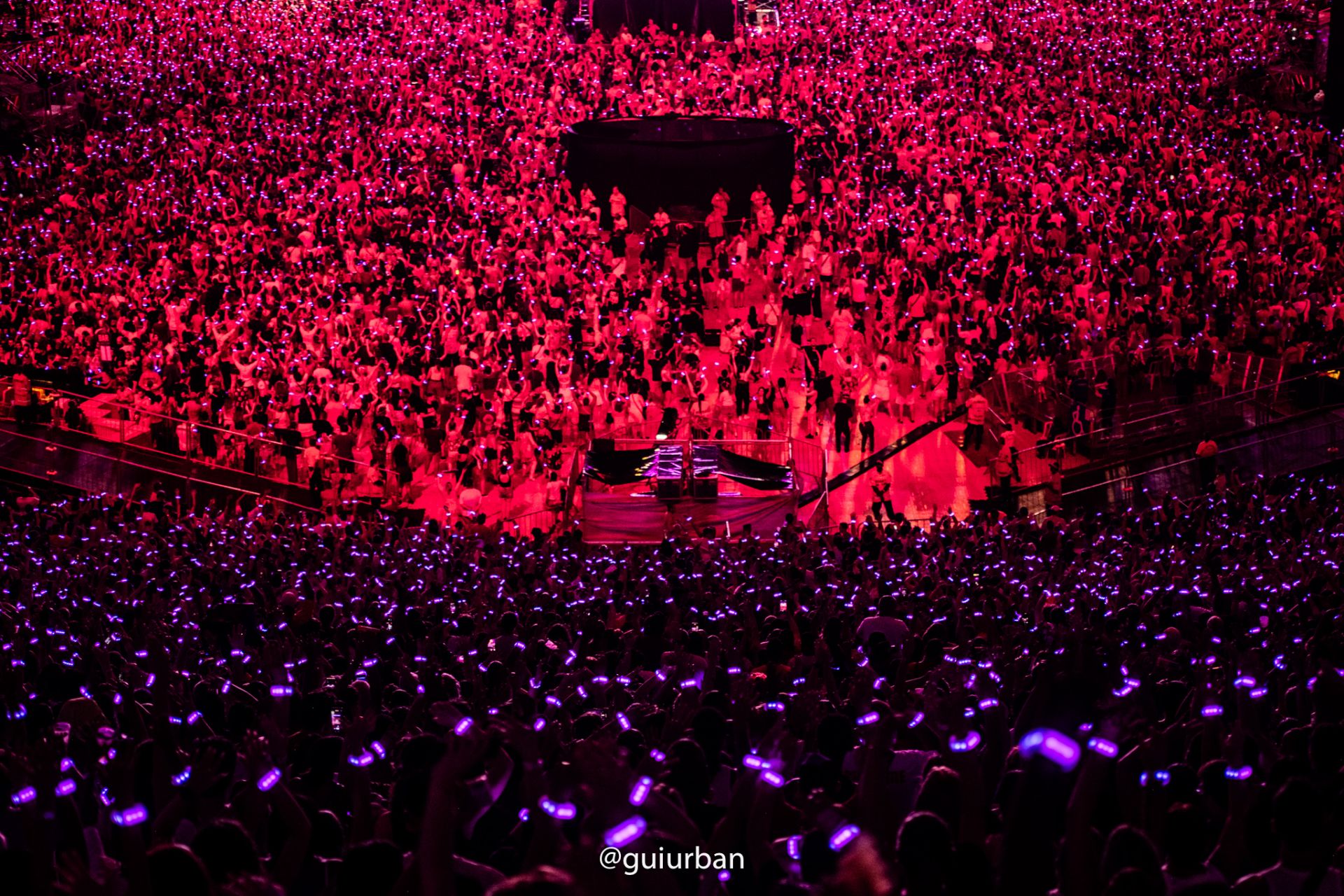
A live audience experiences light viscerally. They feel the heat of a pyro effect, the sweep of a spotlight, and the collective energy as thousands of LED wristbands light up in unison. Their experience is spatial, three-dimensional, and forgiving of minor imperfections. The broadcast audience, however, sees a flattened, curated image. Their experience is dictated by what the camera captures: colour temperature, flicker rates, contrast, and exposure. A lighting cue that looks spectacular in person can appear as a blown-out, unusable mess on camera. Mastering this dual-medium production is one of the most significant technical challenges in modern live entertainment.
Flicker: The Unseen Enemy of Broadcast
At the heart of this challenge is the physics of light and cameras. The human eye can process continuous light, smoothing over the rapid-fire strobing of many LED sources. A camera sensor, however, captures discrete frames at a specific rate (e.g., 24, 30, or 60 frames per second). If the refresh rate of an LED light source is out of sync with the camera’s frame rate, the result is the dreaded “flicker”—a visible banding or strobing effect that renders footage unusable. This is non-negotiable in a professional broadcast environment.
For a company like Xylobands, this is a foundational design principle. When we engineer wearable LED technology, from our classic Xylobands to our LED Lanyards, ensuring a flicker-free output is paramount. It’s not just about creating a brilliant effect; it’s about guaranteeing that the effect translates perfectly to broadcast. This is why our systems have been trusted by broadcasters like ITV and for globally streamed events like Maluma’s Medellín concert, which was broadcast in over 240 countries. The technology must be invisible, reliable, and camera-perfect, allowing the creative vision to shine without technical compromise.
Colour, Contrast, and the Camera’s Eye
Beyond flicker, colour temperature and contrast present another layer of complexity. A deep, atmospheric blue that envelops a stadium can look like a noisy, detail-less void on camera. A subtle, warm tungsten glow that creates an intimate feel for the live audience might read as a flat, uninteresting orange on screen. The dynamic range of a camera sensor is far less forgiving than the human eye.
"The camera demands precision. It forces a discipline on the lighting designer to think not just about the emotional impact of colour, but its technical properties—how it will be perceived, rendered, and transmitted to millions."
This is where intelligent, programmable lighting systems become indispensable. The ability to precisely control the hue, saturation, and intensity of thousands of light points is crucial. When Xylobands are deployed for a show like Beat The Chasers UK, the lighting isn’t just about audience hype; it’s an integrated part of the broadcast set. Each pulse of light is programmed to complement the studio lighting, ensuring that the LED crowd experiences enhance, rather than detract from, the carefully calibrated broadcast image.
Integrating the Crowd into the Broadcast Canvas
The most forward-thinking productions no longer see the audience as passive spectators. They are part of the canvas itself. When Formula 1 celebrated its 75th anniversary, the brief wasn't just to entertain the live crowd but to create a visual spectacle for a global broadcast. By turning the audience into a pixelated map of light with custom LED wearables, the show designers could create sweeping, dynamic effects that were made *for* the camera. The wide-angle shots from above became a key part of the broadcast, showing a unified, shimmering organism of light moving in sync with the on-stage performances.
This approach transforms an event from a simple performance into one of the most compelling forms of immersive event technology. It bridges the gap between the live and broadcast worlds, creating a single, unified spectacle. The energy of the crowd, made visible through technology like radio controlled LED wristbands, becomes a powerful tool for the broadcast director. The reaction shot is no longer just a close-up of a fan; it’s a wide shot of 20,000 points of light responding in perfect time, a visual metaphor for the shared experience.
The Future is a Unified Spectacle
The line between a live event and a broadcast production has effectively dissolved. Today, every major concert, awards show, and sporting event is a television studio, and every attendee is potentially part of the set. This demands a new level of technical excellence and creative foresight. The technology must serve both the visceral, emotional experience of the person in the seat and the unforgiving, technical eye of the camera.
From festival fields to television studios, the goal is the same: to create moments of profound connection. By engineering light that is as technically robust as it is creatively breathtaking, we can ensure that whether an audience member is in the front row or on their sofa a thousand miles away, they are all part of the same electrifying, unified spectacle.